
Did you know that acid reflux can be a common symptom that occurs before your period? If you’ve experienced that burning sensation in your chest or the feeling of food coming back up into your throat, especially around the time of your menstrual cycle, you’re not alone. In this article, we will explore the connection between acid reflux and your period, shedding light on why this discomfort may arise and what you can do to find relief. So, grab a cup of tea and let’s dive into the world of understanding acid reflux before your period!
What is Acid Reflux
Definition
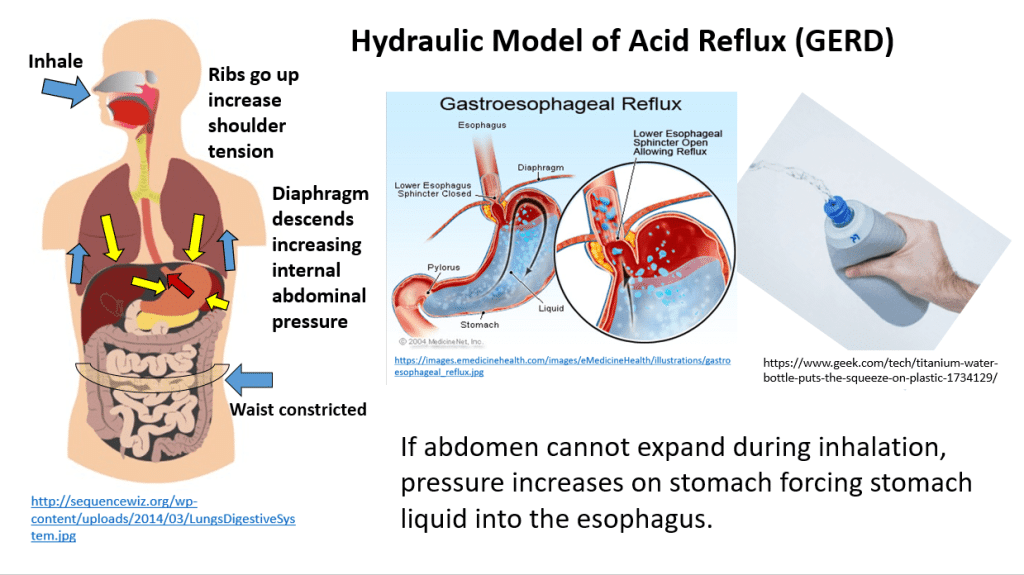
Acid reflux, also known as gastroesophageal reflux disease (GERD), is a condition that occurs when the stomach acid flows back into the esophagus. The esophagus is the tube that connects the mouth to the stomach. Normally, a muscular valve called the lower esophageal sphincter (LES) keeps the acid in the stomach. However, when this valve doesn’t function properly, acid reflux can occur.
How it occurs
When you eat, food passes through the esophagus into the stomach. The LES opens to let the food through and then closes to prevent stomach acid from flowing back up. However, in cases of acid reflux, the LES may be weak or relax at inappropriate times, allowing stomach acid to splash up into the esophagus. This can cause a wide range of symptoms and discomfort.
Common symptoms
The most common symptoms of acid reflux include a burning sensation in the chest or throat, also known as heartburn. You may also experience regurgitation, which is the sensation of acid or food coming back up into your mouth. Other symptoms may include difficulty swallowing, a sore throat, chest pain, hoarseness, and even coughing or asthma-like symptoms. It is important to note that not everyone will experience all of these symptoms, and the severity can vary from person to person.
Hormonal Changes and Acid Reflux
Impact of hormonal fluctuations
Hormonal fluctuations, particularly those that occur during the menstrual cycle, have been found to have an impact on acid reflux. This is due to the fact that hormones, such as estrogen and progesterone, can affect the function of the lower esophageal sphincter (LES). Fluctuations in these hormones can lead to relaxation of the LES, making it easier for stomach acid to flow back into the esophagus.
Link between hormones and acid reflux
Research has shown a clear link between the menstrual cycle and the prevalence of acid reflux symptoms. Many women report experiencing increased symptoms of acid reflux in the days leading up to their period. This is thought to be due to the hormonal changes that occur during this time. While it is not fully understood why some women experience this connection more strongly than others, it is believed to be related to individual hormone levels and how they affect the esophageal sphincter.
Understanding the Menstrual Cycle
Phases of the menstrual cycle
The menstrual cycle is divided into four phases: the menstrual phase, follicular phase, ovulation, and luteal phase. The menstrual phase occurs when the lining of the uterus is shed and is typically accompanied by menstrual bleeding. The follicular phase follows, during which the body prepares for ovulation by developing an egg. Ovulation occurs when the egg is released from the ovary and can be fertilized. Finally, the luteal phase occurs after ovulation and prepares the body for pregnancy or menstruation.
Hormonal changes during the cycle
Throughout the menstrual cycle, hormones such as estrogen and progesterone fluctuate. These hormones play a vital role in preparing the body for ovulation and potential pregnancy. During the luteal phase, progesterone levels increase, which can lead to relaxation of the LES and an increased risk of acid reflux symptoms. Additionally, estrogen levels may also impact the amount of stomach acid produced, further contributing to acid reflux symptoms.
Prevalence of Acid Reflux Before Period
Statistics and prevalence rate
Although not all women experience acid reflux symptoms before their period, it is a relatively common occurrence. According to studies, approximately 30-40% of women report experiencing increased acid reflux symptoms in the days leading up to their period. This indicates that hormonal fluctuations play a significant role in the development of acid reflux symptoms in some women.
Common age groups affected
Acid reflux symptoms before the period can occur at any age, but it is more commonly reported in women in their reproductive years. This is because hormonal fluctuations are more pronounced during this time. However, it is important to note that acid reflux can affect women of all ages.

Causes of Acid Reflux Before Period
Hormonal factors
As mentioned before, hormonal changes during the menstrual cycle can impact the function of the lower esophageal sphincter, leading to an increased risk of acid reflux symptoms. The rise in progesterone levels during the luteal phase is particularly associated with relaxation of the LES, allowing stomach acid to flow back into the esophagus.
Relaxation of the esophageal sphincter
In addition to hormonal factors, the relaxation of the esophageal sphincter can also be influenced by other factors. Pregnancy, obesity, certain medications, and high-pressure activities such as weightlifting or straining can all contribute to the relaxation of the LES and increase the risk of acid reflux symptoms before the period.
Stress and anxiety
Stress and anxiety can also play a role in the development of acid reflux symptoms before the period. Both physical and emotional stress can increase the production of stomach acid, making it more likely to flow back into the esophagus. Furthermore, stress and anxiety can lead to changes in eating habits, trigger unhealthy coping mechanisms such as overeating or binge eating, and contribute to poor digestion.
Dietary factors
Certain foods and beverages can trigger or worsen acid reflux symptoms. Common culprits include acidic foods like citrus fruits and tomatoes, spicy foods, fatty and fried foods, caffeine, alcohol, and carbonated beverages. Consuming these types of foods in the days leading up to your period can increase the likelihood of experiencing acid reflux symptoms.
Symptoms of Acid Reflux Before Period
Heartburn
Heartburn is a common symptom of acid reflux. It is characterized by a burning sensation in the chest or throat, often occurring after eating or when lying down. The sensation may extend from the stomach to the neck and may worsen after eating certain trigger foods.
Chest pain
Chest pain can be a symptom of acid reflux before the period. It may feel like a squeezing or pressure sensation in the chest, often mistaken for a heart attack. Chest pain associated with acid reflux is typically relieved by antacids and does not worsen with physical exertion.
Regurgitation
Regurgitation refers to the sensation of acid or food coming back up into the mouth or throat. This can be accompanied by a sour or bitter taste and often occurs after eating or lying down.
Difficulty swallowing
Acid reflux can cause difficulty swallowing, also known as dysphagia. This occurs when the inflamed esophagus narrows, making it harder for food to pass through. It may feel like food is getting stuck in the throat or chest.
Sore throat
Acid reflux can irritate the throat, leading to a sore or hoarse voice. This can be accompanied by a dry cough, postnasal drip, or a lump-like sensation in the throat.
Hoarseness
Inflammation of the vocal cords due to acid reflux can result in hoarseness or changes in the voice. This is a common symptom before the period and usually resolves once the acid reflux is managed.

Managing Acid Reflux Before Period
Lifestyle changes
Making certain lifestyle changes can help manage acid reflux symptoms before the period. These include avoiding trigger foods, maintaining a healthy weight, eating smaller and more frequent meals, elevating the head of the bed, avoiding lying down immediately after eating, and practicing stress-reducing techniques such as meditation or yoga.
Dietary modifications
Modifying your diet can also help alleviate acid reflux symptoms. Avoiding acidic, spicy, and fatty foods, as well as caffeine and alcohol, can reduce the likelihood of triggering acid reflux. It is also beneficial to eat smaller meals throughout the day and avoid eating too close to bedtime.
Over-the-counter medications
Over-the-counter medications such as antacids and acid reducers can provide temporary relief from acid reflux symptoms. Antacids help neutralize stomach acid, while acid reducers, such as H2 blockers or proton pump inhibitors, work by reducing the production of stomach acid. These medications should be used as directed and are typically safe for short-term use.
Prescription medications
In some cases, if over-the-counter medications are not providing sufficient relief, your healthcare provider may prescribe stronger medications to manage acid reflux symptoms. These prescription medications may include proton pump inhibitors, H2 blockers, or prokinetics, which help improve esophageal function and reduce acid production.
Natural Remedies for Acid Reflux Before Period
Herbal teas and supplements
Certain herbal teas and supplements have been found to alleviate acid reflux symptoms. Chamomile tea and ginger tea, for example, have anti-inflammatory properties that can help soothe the esophagus and reduce inflammation. Additionally, supplements such as slippery elm and marshmallow root may provide a protective coating for the esophagus, reducing irritation from stomach acid.
Ginger and chamomile
Ginger and chamomile, both as teas or in supplement form, have been found to have anti-inflammatory properties that can help alleviate acid reflux symptoms. Ginger can also aid in digestion and reduce nausea, while chamomile has a calming effect and can reduce stress-related acid reflux symptoms.
Aloe vera juice
Aloe vera juice has been used for centuries to soothe and heal the digestive tract. It can help reduce inflammation in the esophagus and provide relief from acid reflux symptoms. It is important to choose aloe vera juice that is specifically made for internal use and free from any added sugars or artificial ingredients.
Slippery elm
Slippery elm is a herb that has been used for its medicinal properties, including soothing irritated tissues. It forms a protective barrier in the esophagus when consumed, reducing the effects of stomach acid and relieving acid reflux symptoms. Slippery elm can be taken as a supplement or mixed with water to create a soothing gel.
Probiotics
Probiotics, which are beneficial bacteria that help maintain a healthy gut, have shown promise in reducing acid reflux symptoms. They work by promoting a healthy balance of bacteria in the digestive system, improving digestion, and reducing inflammation. Probiotics can be consumed through fermented foods or taken as a supplement.

When to Seek Medical Help
Severe or persistent symptoms
If you experience severe or persistent acid reflux symptoms before your period, it is important to seek medical help. This could be indicative of a more serious underlying condition, such as gastroesophageal reflux disease (GERD) or a hiatal hernia. Your healthcare provider can evaluate your symptoms, perform diagnostic tests if necessary, and provide appropriate treatment options.
Complications of acid reflux
Although occasional acid reflux symptoms before the period may not be a cause for concern, frequent or untreated acid reflux can lead to complications. These can include esophageal ulcers, esophagitis (inflammation of the esophagus), Barrett’s esophagus (a precancerous condition), and tooth enamel erosion. Seeking medical help can help prevent these complications and ensure proper management of your acid reflux symptoms.
Importance of professional evaluation
While natural remedies and lifestyle modifications can help manage acid reflux symptoms before the period, it is essential to consult with a healthcare professional for a proper evaluation. They can determine the underlying cause of your acid reflux, assess your overall health, and provide personalized recommendations for prevention and management.
Conclusion
Understanding the relationship between acid reflux and the menstrual cycle can provide valuable insights into managing and preventing symptoms. Hormonal fluctuations during the menstrual cycle can contribute to the relaxation of the lower esophageal sphincter, increasing the risk of acid reflux symptoms before the period. By implementing lifestyle changes, dietary modifications, and utilizing appropriate medications or natural remedies, you can effectively manage acid reflux symptoms and improve your overall quality of life. Remember, seeking medical help when needed is crucial to ensure proper evaluation and prevent complications from acid reflux. Take control of your health and take the necessary steps for managing and preventing acid reflux symptoms before your period.
