
Anal cancer is a condition that affects the anal canal, which is the passageway that connects the rectum to the outside of the body. It may not be a widely discussed topic, but it’s important to have a basic understanding of this type of cancer. In this article, we will explore the causes, symptoms, and treatment options for anal cancer, providing you with valuable information to help you better comprehend this often overlooked disease.

What is Anal Cancer?
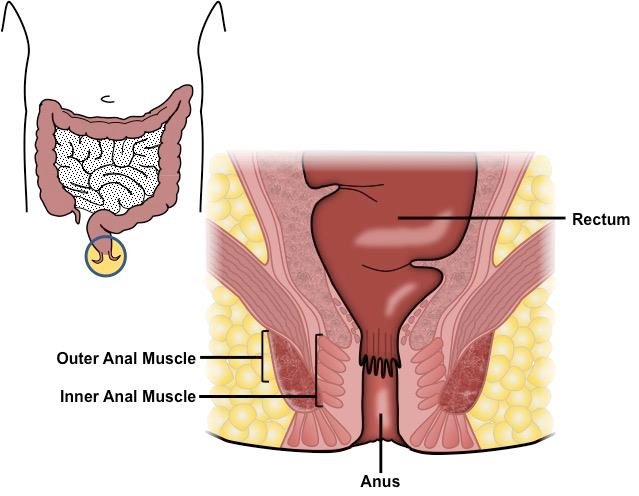
Anal cancer is a type of cancer that develops in the tissues of the anus. The anus is the opening at the end of the digestive tract, through which waste matter is eliminated from the body. This form of cancer is relatively rare compared to other types of cancer, but it is important to educate yourself about the signs, symptoms, risk factors, and treatment options associated with this condition.
Definition and Overview
Anal cancer is defined as the abnormal growth of cells in the anus, leading to the formation of tumors. These tumors can be either malignant (cancerous) or benign (non-cancerous). Malignant tumors have the potential to spread to other parts of the body if left untreated. It is crucial to detect and diagnose anal cancer early to improve the chances of successful treatment.
Prevalence and Incidence
Although anal cancer is considered a rare form of cancer, its incidence has been increasing over the past few decades. According to the American Cancer Society, there were an estimated 8,590 new cases of anal cancer diagnosed in the United States in 2021. The prevalence of anal cancer is slightly higher in women compared to men, and the risk of developing this cancer increases with age.
Risk Factors
Several risk factors have been identified that may increase the likelihood of developing anal cancer. These include infection with certain types of human papillomavirus (HPV), a weakened immune system, a history of sexually transmitted infections (STIs), a history of smoking, and engaging in receptive anal intercourse. It is essential for individuals with these risk factors to be aware of the signs and symptoms of anal cancer and to undergo regular screenings.
Signs and Symptoms of Anal Cancer
Early detection of anal cancer is crucial for successful treatment. Understanding the signs and symptoms can help you identify any potential abnormalities and seek medical attention promptly.
Early Symptoms
In the early stages of anal cancer, individuals may experience symptoms such as anal itching, pain or discomfort in the anal area, the appearance of small lumps or bumps near the anus, and bleeding from the anus. These symptoms can sometimes be mistaken for other less serious conditions, which may lead to delays in diagnosis.
Advanced Symptoms
As anal cancer progresses, more severe symptoms may develop. These can include persistent anal pain, changes in bowel habits, difficulty in defecation, weight loss, fatigue, and the presence of a mass or ulcer near the anus. It is essential to consult a healthcare professional if you experience any of these advanced symptoms, as they may indicate a more advanced stage of anal cancer.
Common Misdiagnoses
Due to the similar symptoms it shares with other conditions, anal cancer can sometimes be misdiagnosed. Conditions like hemorrhoids, anal fissures, or inflammatory bowel disease can lead to similar symptoms and may initially be mistaken for anal cancer. This is why it is crucial to seek medical attention and undergo proper diagnostic procedures to ensure an accurate diagnosis.
Types of Anal Cancer
Anal cancer can be categorized into different types based on the type of cells affected. The most common types of anal cancer include squamous cell carcinoma, adenocarcinoma, and melanoma.
Squamous Cell Carcinoma
Squamous cell carcinoma accounts for the majority of anal cancer cases. It develops from the squamous cells that line the anal canal. This type of cancer is often linked to HPV infection, particularly with high-risk strains of the virus.
Adenocarcinoma
Adenocarcinoma is a less common type of anal cancer that develops from the glandular cells in the anus. It is often associated with chronic inflammation and conditions such as Crohn’s disease or anal fistulas.
Melanoma
Melanoma refers to anal cancer that originates from the pigment-producing cells of the anus. This type of cancer is relatively rare, but it can be aggressive if not diagnosed and treated promptly.

Causes and Prevention
While the exact cause of anal cancer is still unknown, certain risk factors can increase the likelihood of developing this condition. Understanding these risk factors and taking preventive measures can help reduce the risk of anal cancer.
Human Papillomavirus (HPV)
Infection with certain high-risk strains of HPV, particularly HPV-16 and HPV-18, has been strongly linked to the development of anal cancer. Practicing safe sexual practices, such as using condoms and discussing HPV vaccination with your healthcare provider, can help reduce the risk of HPV infection and subsequent anal cancer.
Tobacco Use
Smoking tobacco has been identified as a risk factor for various types of cancer, including anal cancer. Quitting smoking and avoiding exposure to secondhand smoke can significantly lower the risk of developing anal cancer and other cancers.
Anal Sex and Sexual Practices
Engaging in receptive anal intercourse can increase the risk of anal cancer, as it can lead to the transmission of HPV and other sexually transmitted infections. It is important to discuss safe sexual practices with your partner and undergo regular screenings for sexually transmitted infections.
Preventive Measures
Taking preventive measures, such as maintaining good personal hygiene, practicing safer sex, and getting vaccinated against HPV, can help reduce the risk of developing anal cancer. Regular screenings and discussions with healthcare providers can also aid in early detection and treatment.
Diagnosis and Staging
To accurately diagnose anal cancer and determine the appropriate treatment approach, several diagnostic procedures and staging techniques are utilized.
Screening Recommendations
Routine screening for anal cancer is not typically recommended for the general population. However, individuals with a higher risk, such as those with a history of HPV infection or engaging in high-risk sexual practices, may benefit from periodic anal Pap tests to detect abnormal cell changes early.
Diagnostic Procedures
If anal cancer is suspected, your healthcare provider may perform various diagnostic procedures. These can include a physical examination, a digital rectal exam, an anoscopy, a biopsy, imaging tests such as CT scans or MRI, and sometimes a PET scan to determine the extent of the cancer and whether it has spread to other parts of the body.
Stages of Anal Cancer
Staging is an essential part of the diagnostic process as it helps determine the extent and severity of the cancer. Anal cancer is typically staged from I to IV, with stage I being the earliest and stage IV being the most advanced. Staging helps guide treatment decisions and provides a prognosis for the patient.
Treatment Options
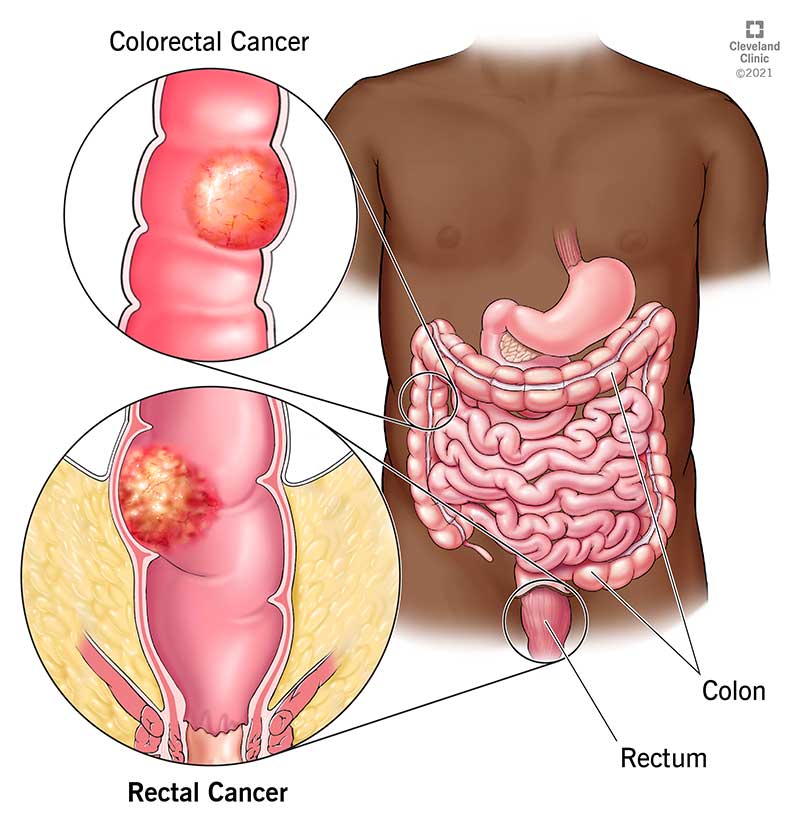
Treatment for anal cancer depends on various factors, including the stage and location of the cancer, the patient’s overall health, and individual preferences. Common treatment options include surgery, radiation therapy, chemotherapy, and immunotherapy.
Surgery
Surgery is often the primary treatment for early-stage anal cancer and involves the removal of the tumor and nearby lymph nodes. Surgical procedures can range from minimally invasive techniques to more extensive surgeries, depending on the extent of the cancer.
Radiation Therapy
Radiation therapy, often used in combination with surgery, involves the use of high-energy beams to target and kill cancer cells. It can be administered externally or internally, and it is aimed at shrinking tumors and eliminating any remaining cancer cells after surgery.
Chemotherapy
Chemotherapy uses powerful drugs to kill cancer cells or slow down their growth. It can be administered orally, intravenously, or directly into the tumor. Chemotherapy is often utilized in combination with radiation therapy to enhance treatment effectiveness.
Immunotherapy
Immunotherapy is a relatively new treatment option that harnesses the body’s immune system to fight cancer. It involves the use of medications that stimulate the immune system to recognize and attack cancer cells. Immunotherapy is still being studied for its effectiveness in treating anal cancer but shows promising potential.
Side Effects and Management
Like any cancer treatment, the various treatment options for anal cancer can cause side effects. These side effects can vary depending on the specific treatment and the individual, but it is essential to be prepared and have a plan in place to manage them.
Short-term Side Effects
Short-term side effects of anal cancer treatments may include fatigue, hair loss, nausea, vomiting, diarrhea, skin irritation, and a weakened immune system. These side effects are generally temporary and can be managed with medications and lifestyle adjustments recommended by healthcare professionals.
Long-term Side Effects
Some anal cancer treatments may have long-term or late effects that can affect a person’s quality of life. These can include chronic bowel problems, sexual dysfunction, lymphedema, and potential secondary cancers. Regular follow-up appointments with healthcare providers can help monitor and manage these long-term side effects effectively.
Supportive Care
Supportive care is an important aspect of anal cancer treatment. It involves a range of therapies and interventions aimed at alleviating symptoms, managing side effects, and improving overall well-being. This can include pain management techniques, nutritional support, psychological counseling, physical therapy, and alternative therapies such as acupuncture or massage.

Prognosis and Survival Rates
The prognosis for anal cancer depends on various factors, including the stage of the cancer at diagnosis, the overall health of the patient, and the effectiveness of the chosen treatment. However, with timely diagnosis and appropriate treatment, the prognosis for anal cancer can be favorable.
Factors Affecting Prognosis
Several factors can influence the prognosis of anal cancer. These can include the stage of the cancer, the size and location of the tumor, the presence of lymph node involvement, the individual’s overall health, and the response to treatment. It is important to discuss your specific situation with your healthcare provider for a more accurate prognosis.
5-year Survival Rates
The 5-year survival rate for anal cancer refers to the percentage of individuals who survive for at least 5 years after diagnosis. According to the American Cancer Society, the overall 5-year survival rate for anal cancer is approximately 65%. However, survival rates can vary significantly depending on the stage of the cancer at diagnosis.
Recurrence Rates
Recurrence of anal cancer is a possibility, even after successful treatment. Regular follow-up appointments, surveillance, and ongoing monitoring are crucial to detect any signs of recurrence promptly. The risk of recurrence can be influenced by various factors, including the stage of the cancer at diagnosis, the presence of lymph node involvement, and the effectiveness of the initial treatment.
Impact on Quality of Life
Living with anal cancer and undergoing treatment can have a significant impact on a person’s quality of life. Understanding and addressing these impacts is vital to providing comprehensive care and support to individuals dealing with anal cancer.
Physical Effects
The physical effects of anal cancer and its treatments can be challenging to manage. Individuals may experience pain, digestive issues, changes in bowel habits, sexual dysfunction, and changes in physical appearance. Encouraging open and honest communication with healthcare providers can help address these physical effects and find appropriate management strategies.
Psychosocial Impact
The psychosocial impact of anal cancer can be significant, affecting a person’s mental and emotional well-being. Feelings of fear, anxiety, depression, and social isolation are common among individuals with anal cancer. Seeking support from loved ones, support groups, or mental health professionals can be beneficial in coping with these challenges.
Sexual Function and Fertility
Treatment for anal cancer can sometimes affect sexual function and fertility. Surgical procedures and radiation therapy may result in physical changes and discomfort, impacting sexual relationships. Discussing these concerns with healthcare providers and exploring options for fertility preservation, if applicable, is essential for addressing these issues.
Coping Strategies and Support
Coping with anal cancer and its impact requires a comprehensive approach that addresses both physical and emotional well-being. Utilizing coping strategies and seeking support can significantly improve the overall experience of dealing with anal cancer.
Psychological Support
Seeking psychological support from mental health professionals can be beneficial for individuals coping with the emotional toll of anal cancer. Therapy, counseling, and other appropriate interventions can help individuals develop healthy coping mechanisms, manage anxiety and depression, and improve overall well-being.
Support Groups
Participating in support groups can provide individuals with anal cancer a safe and understanding environment to share experiences, gain support, and exchange practical advice. Connecting with others who have faced similar challenges can be comforting and provide valuable insights into coping strategies and resources.
Complementary Therapies
Complementary therapies, such as acupuncture, massage, yoga, and meditation, can offer additional support and improve overall well-being during and after anal cancer treatment. These therapies can help manage stress, alleviate treatment side effects, and promote relaxation.
In conclusion, understanding the various aspects of anal cancer from its definition and risk factors to its diagnosis, treatment, and impact on quality of life is crucial for individuals and their loved ones. By educating ourselves about anal cancer, we can promote early detection, access appropriate treatment options, and provide necessary support to those affected by this condition. Remember, you have the power to take control of your health and seek the guidance of healthcare professionals to ensure the best possible outcome.