
Imagine if you could understand more about a common condition that affects millions of men worldwide. Well, look no further! In this article, we will shed light on the topic of Benign Prostatic Hyperplasia (BPH), a condition that can impact your quality of life. Get ready to gain a comprehensive understanding of BPH, its causes, symptoms, and available treatment options. So, sit back, relax, and let us guide you through this informative journey.
Overview of Benign Prostatic Hyperplasia
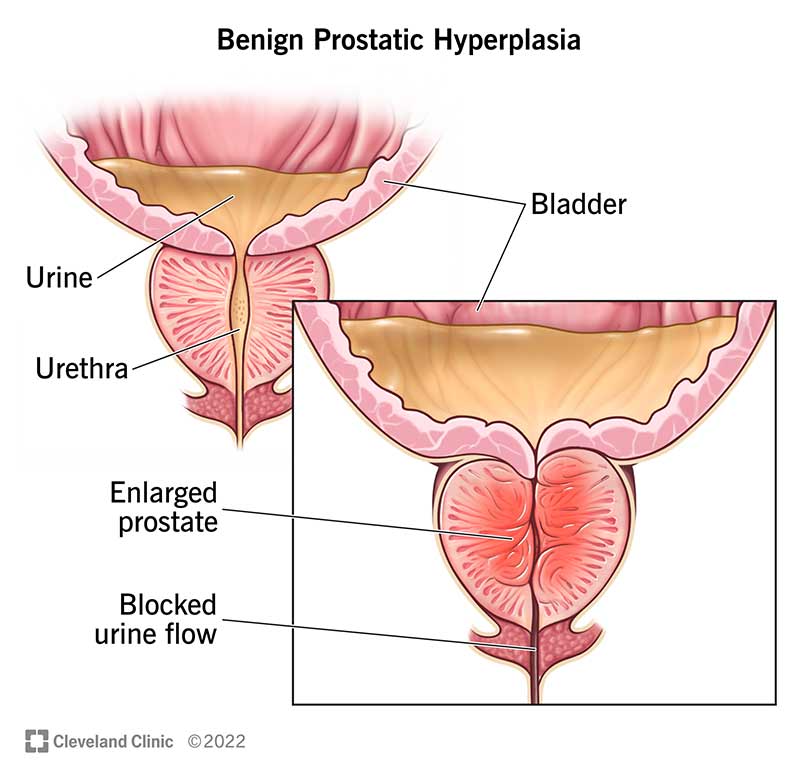
Benign Prostatic Hyperplasia (BPH) is a common condition that affects the prostate gland in men. The prostate gland is located below the bladder and surrounds the urethra, the tube through which urine passes out of the body. BPH occurs when the prostate gland enlarges and begins to put pressure on the urethra, leading to a range of urinary symptoms.
Definition of Benign Prostatic Hyperplasia
Benign Prostatic Hyperplasia, also known as enlarged prostate, is a non-cancerous growth of the prostate gland. This growth results in the narrowing of the urethra and can cause bothersome urinary symptoms.

Prevalence of Benign Prostatic Hyperplasia
Benign Prostatic Hyperplasia is a common condition, especially in older men. It is estimated that more than 50 percent of men in their 60s and up to 90 percent of men in their 70s and 80s will experience BPH. While BPH is generally considered a part of normal aging, it is important to seek medical evaluation to ensure proper diagnosis and management of symptoms.
Causes of Benign Prostatic Hyperplasia
The exact cause of BPH is still not fully understood. However, it is believed that age-related hormonal changes, such as an increase in estrogen levels and a decrease in testosterone levels, play a role in the development of the condition. Other factors that may contribute to BPH include genetics, inflammation, and hormonal imbalances.

Symptoms of Benign Prostatic Hyperplasia
The symptoms of BPH can vary from person to person, but they generally involve problems with urination. Some common symptoms include:
Lower Urinary Tract Symptoms (LUTS)
These symptoms can include frequent urination, a weak urine stream, hesitancy or difficulty starting urination, incomplete emptying of the bladder, and a frequent urge to urinate at night (nocturia).
Urinary Retention
In some cases, BPH can lead to urinary retention, which is the inability to completely empty the bladder. This can cause discomfort, a feeling of fullness in the lower abdomen, and the need to strain to pass urine.
Diagnosis of Benign Prostatic Hyperplasia
To diagnose BPH, healthcare professionals will typically perform a series of tests and examinations. These may include:
Medical History and Physical Examination
Your doctor will ask about your symptoms and medical history and perform a physical examination to check for any abnormalities in the prostate gland.
Digital Rectal Examination (DRE)
In a DRE, a doctor inserts a gloved, lubricated finger into the rectum to feel the prostate gland. This allows them to assess the size, shape, and consistency of the gland.
Prostate-Specific Antigen (PSA) Blood Test
A PSA blood test measures the level of a protein produced by the prostate gland. Elevated PSA levels can indicate BPH, but further tests are needed to confirm the diagnosis.
Urinalysis
A urinalysis can help rule out other conditions that may be causing urinary symptoms, such as infection or kidney stones.
Transrectal Ultrasound (TRUS)
TRUS uses sound waves to create images of the prostate gland. This imaging technique can help determine the size of the gland and identify any abnormalities.
Uroflowmetry
Uroflowmetry measures the rate at which urine flows from the bladder. This test can provide valuable information about the severity of urinary symptoms and the efficiency of bladder emptying.
Cystoscopy
In a cystoscopy, a thin tube with a camera is inserted into the urethra to examine the bladder and urethra for any signs of obstruction or other abnormalities.
Biopsy
In certain cases, a biopsy may be performed to rule out prostate cancer. A small tissue sample is taken from the prostate gland and examined under a microscope.

Treatment of Benign Prostatic Hyperplasia
The treatment options for BPH depend on the severity of symptoms and the impact on the individual’s quality of life. Some common treatment approaches include:
Watchful Waiting
In cases where the symptoms of BPH are mild and not significantly affecting daily life, a doctor may recommend watchful waiting. This involves regular monitoring of symptoms without immediate intervention.
Medications
Various medications can help manage the symptoms of BPH. Alpha-blockers relax the muscles around the prostate and bladder neck, improving urine flow. 5-alpha reductase inhibitors can help shrink the prostate gland over time.
Minimally Invasive Procedures
For individuals with more bothersome symptoms, minimally invasive procedures may be recommended. These procedures include transurethral microwave therapy (TUMT), transurethral needle ablation (TUNA), and water-induced thermotherapy (WIT).
Transurethral Resection of the Prostate (TURP)
TURP is a surgical procedure in which a portion of the prostate gland is removed to relieve urinary symptoms. It is a common and effective treatment option for BPH.
Transurethral Incision of the Prostate (TUIP)
TUIP involves making small incisions in the prostate gland to relieve pressure on the urethra and improve urine flow. This procedure is typically recommended for individuals with a smaller prostate.
Laser Therapy
Laser therapy uses laser energy to destroy or shrink prostate tissue. This can be done through procedures such as photoselective vaporization of the prostate (PVP) or holmium laser enucleation of the prostate (HoLEP).
Open Prostatectomy
Open prostatectomy is a traditional surgical procedure used for larger prostates. It involves making an incision in the lower abdomen to remove the enlarged part of the prostate gland.
Prostatic Artery Embolization (PAE)
PAE is a minimally invasive procedure that involves blocking the blood supply to the prostate gland, causing it to shrink. This can be an effective treatment option for individuals who are not good candidates for surgery.
Lifestyle Changes for Benign Prostatic Hyperplasia
In addition to medical treatments, certain lifestyle changes can help manage the symptoms of BPH. These lifestyle modifications include:
Fluid Management
Drinking an adequate amount of water is essential for overall health, but excessive consumption of fluids, especially before bedtime, can worsen urinary symptoms. Managing fluid intake by avoiding excessive fluids before bedtime can help minimize nighttime urinary frequency.
Healthy Diet
Adopting a healthy diet rich in fruits, vegetables, whole grains, and lean proteins can contribute to overall well-being. Certain foods, like spicy foods, acidic foods, and caffeine, may irritate the bladder and worsen urinary symptoms. Reducing or avoiding these foods can help alleviate symptoms of BPH.
Bladder Training
Bladder training involves gradually increasing the time between urinations to strengthen the bladder muscles and increase the bladder’s holding capacity. This can help reduce urinary frequency and urgency associated with BPH.
Pelvic Floor Exercises
Exercises that target the pelvic floor muscles, such as Kegel exercises, can help strengthen the muscles that control urination. Strengthening these muscles can improve bladder control and reduce urinary symptoms.
Avoiding or Limiting Alcohol and Caffeine
Alcohol and caffeine can act as diuretics, increasing urine production and worsening urinary symptoms. Limiting or avoiding alcohol and caffeinated beverages, such as coffee and tea, can help alleviate symptoms.
Maintaining a Healthy Weight
Being overweight or obese can put additional pressure on the bladder and worsen urinary symptoms. Maintaining a healthy weight through regular exercise and a balanced diet can help reduce the burden on the urinary system.

Complications of Benign Prostatic Hyperplasia
If left untreated, BPH can lead to various complications, including:
Acute Urinary Retention
Episodes of acute urinary retention, where the bladder cannot be emptied at all, can be a medical emergency. Prompt medical attention is necessary to relieve the retention and prevent further complications.
Urinary Tract Infections (UTIs)
When the urine is unable to fully empty from the bladder, it can lead to the development of urinary tract infections. UTIs can cause discomfort and may require antibiotic treatment.
Bladder Stones
Bladder stones can form when urine is stagnant in the bladder for an extended period. These stones can cause pain, frequent urination, and blood in the urine. Treatment may involve medication or surgical removal.
Blood in the Urine
BPH can sometimes cause blood vessels in the prostate gland to rupture, leading to blood in the urine. While often not serious, blood in the urine should be evaluated by a healthcare professional.
Kidney Damage
In severe cases of BPH, chronic urinary retention can lead to kidney damage. The prolonged pressure on the kidneys can impair their ability to function properly and may require medical intervention.
Prevention of Benign Prostatic Hyperplasia
While there is no guaranteed way to prevent BPH, certain lifestyle choices and habits may help reduce the risk or delay the onset of symptoms. These preventive measures include:
Maintaining a Healthy Lifestyle
Leading a healthy lifestyle that includes a balanced diet, regular exercise, and stress management can contribute to overall prostate health.
Regular Physical Activity
Engaging in regular physical activity can help maintain a healthy weight and promote overall well-being.
Avoiding Risk Factors
Some risk factors, such as obesity and a sedentary lifestyle, have been associated with an increased likelihood of developing BPH. By avoiding these risk factors, one may reduce their chances of developing the condition.
Alternative and Herbal Remedies for Benign Prostatic Hyperplasia
While alternative and herbal remedies are widely used for BPH, it is important to consult with a healthcare professional before trying any alternative treatments. Some commonly used remedies include:
Saw Palmetto
Saw Palmetto is a popular herbal remedy for BPH. It is believed to work by reducing inflammation and blocking the production of certain hormones that contribute to prostate enlargement.
Beta-Sitosterol
Beta-Sitosterol is a plant sterol commonly found in fruits, vegetables, and nuts. It has been shown to improve urinary symptoms associated with BPH.
Pygeum Africanum
Pygeum Africanum is an herbal supplement derived from the bark of the African plum tree. It has been used for centuries to manage urinary symptoms related to BPH.
Rye Grass Pollen Extract
Rye grass pollen extract is made from the pollen of three different types of grass. It is believed to help reduce urinary symptoms and improve quality of life in individuals with BPH.
FAQs about Benign Prostatic Hyperplasia
What is the difference between BPH and prostate cancer?
BPH is a non-cancerous enlargement of the prostate gland, while prostate cancer is the abnormal growth of prostate cells that can be cancerous.
Can BPH be cured?
BPH cannot be cured, but symptoms can be effectively managed through various treatment options.
Can BPH cause erectile dysfunction?
While BPH itself does not directly cause erectile dysfunction, the medications used to treat BPH can sometimes have side effects that affect sexual function.
Does BPH increase the risk of prostate cancer?
Having an enlarged prostate does not increase the risk of developing prostate cancer. However, both conditions can occur simultaneously.
Is BPH a normal part of aging?
While BPH is more common in older men, it is not considered a normal part of aging. It is a medical condition that should be evaluated and managed by a healthcare professional.
Conclusion
Benign Prostatic Hyperplasia is a common condition that affects many men as they age. Understanding the symptoms, diagnosis, and treatment options for BPH is important for managing the condition effectively. By seeking medical evaluation and adopting healthy lifestyle habits, individuals with BPH can minimize the impact of symptoms and maintain a good quality of life. It is advisable to consult with a healthcare professional to determine the best course of action for each individual case of BPH.