
In this article, you will gain a comprehensive understanding of brain stem death. Exploring the intricacies of this concept, we aim to shed light on the delicate balance between life and death when it comes to the brain’s vital functions and the implications it holds. By unraveling the mysteries surrounding brain stem death, we hope to provide valuable insight and raise awareness about this crucial aspect of medical science.
Understanding Brain Stem Death
The topic of brain stem death is a complex and sensitive one, and it is important to have a clear understanding of what it means. This article aims to provide comprehensive information on brain stem death, including its definition, the difference between brain stem death and coma, the causes and symptoms, the diagnosis process, legal and ethical considerations, the concept of organ donation, the significance in organ transplantation, public awareness and education, controversies and debates, and the latest research and advancements in this field.

Definition of Brain Stem Death
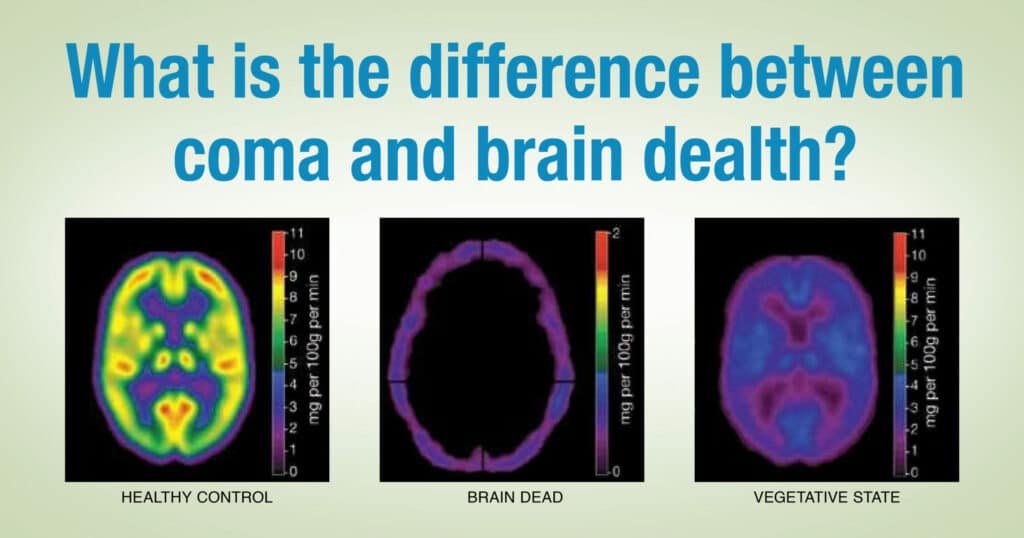
Brain stem death refers to the irreversible loss of function of the brain stem, which is responsible for regulating vital functions such as breathing, heart rate, and consciousness. When brain stem death occurs, there is a complete and permanent cessation of the brain’s ability to control these essential bodily functions. Essentially, a person who is brain stem dead has lost all brain function, including consciousness, and can no longer survive without life support.
Difference between Brain Stem Death and Coma
It is crucial to differentiate brain stem death from a coma. While both conditions involve a loss of consciousness, they are distinct in terms of prognosis and characteristics. In a coma, the person is unconscious but still exhibits brain stem activity, thus maintaining vital bodily functions. On the other hand, brain stem death involves the irreversible cessation of all brain stem activity. In essence, a person in a coma has the potential for recovery, while a person declared brain stem dead does not.

Causes and Symptoms of Brain Stem Death
There are various causes of brain stem death, including traumatic brain injury, stroke, brain tumors, drug overdoses, and infections, among others. These conditions can lead to severe damage to the brain stem, resulting in a loss of its vital functions.
The symptoms of brain stem death may vary depending on the cause and severity of the condition. Common symptoms include coma, unresponsiveness, absence of brain stem reflexes (such as pupil reaction to light or gag reflex), absent or irregular breathing, and inability to control body temperature. It is important to note that the diagnosis of brain stem death must be made by qualified medical professionals using specific criteria and tests.
Diagnosis of Brain Stem Death
Diagnosing brain stem death is a meticulous and standardized process that involves rigorous testing. In most countries, there are established guidelines and protocols to ensure accurate and consistent diagnoses. Typically, multiple examinations are conducted by different medical professionals, including neurologists and intensivists.
The diagnosis of brain stem death involves confirming the absence of brain stem reflexes, which are involuntary movements elicited by stimuli. This includes assessing the responses of the pupils, eye movements, facial muscles, and the cranial nerves. In addition, confirmatory tests such as an apnea test may be performed to assess for the absence of spontaneous breathing.
Legal and Ethical Considerations
Brain stem death carries legal and ethical implications, mainly surrounding the determination of death and the potential for organ donation. In many jurisdictions, brain stem death is considered legal death, equivalent to the cessation of vital functions. This recognition is essential to enable organ transplantation and to facilitate the allocation of organs to recipients.
Ethically, brain stem death raises important considerations about respecting the dignity and autonomy of the individual, as well as the importance of informed consent for organ donation. The process of determining brain stem death must be conducted meticulously to ensure accuracy and to uphold the rights and values of both the deceased and their loved ones.
The Concept of Organ Donation
Organ donation plays a significant role in saving and improving the lives of individuals with end-stage organ failure. Brain stem death is particularly relevant in the context of organ transplantation. When a person is declared brain stem dead, their organs may still be functioning adequately due to life support, making them viable for transplantation.
Organ donation is a selfless act that can provide a new lease on life for those in need. It involves the surgical removal of organs, such as the heart, lungs, liver, kidneys, and pancreas, which can then be transplanted into recipients. Individuals who have expressed their consent for organ donation or whose families have given permission can potentially help multiple patients by donating their organs.

The Significance of Brain Stem Death in Organ Transplantation
Brain stem death is crucial in organ transplantation as it provides a legal and ethical framework for the process. By determining brain stem death, medical professionals can ensure that organs are procured in a timely manner while maintaining the integrity and safety of the procedure. Without brain stem death criteria, it would be challenging to define the point at which organ donation becomes ethically and legally acceptable.
Additionally, the diagnosis of brain stem death helps prevent the transplantation of organs from living individuals, as it establishes that the donor is no longer capable of experiencing pain or suffering. This safeguards the principles of beneficence and non-maleficence in the field of organ transplantation.
Public Awareness and Education
Public awareness and education regarding brain stem death and organ donation are fundamental in fostering understanding and support for these critical issues. Widespread knowledge about brain stem death can help dispel misconceptions and fears surrounding the diagnosis and the concept of death itself.
Efforts should be made to provide accurate information about brain stem death and the organ donation process through public campaigns, educational initiatives in schools and universities, and engagement with various community organizations. By promoting awareness, individuals can make informed decisions regarding their intentions for organ donation and help ensure that their wishes are respected.

Controversies and Debates
Brain stem death and organ transplantation are not without controversy and ongoing debates. Some individuals and groups question the validity of brain stem death as sufficient evidence of death, advocating for alternative definitions or criteria. Ethical concerns also arise, particularly regarding the determination of death in individuals who may exhibit minimal brain activity. These debates highlight the complex nature of these topics and the need for ongoing ethical and scientific discussions.
Research and Advancements in Brain Stem Death
Research in the field of brain stem death continues to advance our understanding and improve diagnostic methods. New technologies and imaging techniques, such as functional magnetic resonance imaging (fMRI) and electroencephalography (EEG), are being explored to better assess brain activity and enhance the accuracy of brain stem death diagnoses.
Furthermore, ongoing research aims to address the controversies and concerns associated with brain stem death. Studies investigating alternative criteria for determining death and ethical considerations surrounding organ donation are instrumental in shaping policies and guidelines.
In conclusion, understanding brain stem death is important for both medical professionals and the general public. With accurate knowledge and awareness, we can appreciate the complexities and implications of this medical condition. Through ongoing research and open dialogue, society can strive towards informed decision-making and ethical practices in the field of brain stem death and organ transplantation.