
Are you constantly exhausted, even after a full night’s sleep? Do you struggle to find the energy to complete daily tasks? If so, you may be experiencing Chronic Fatigue Syndrome, a complex disorder that affects millions of people worldwide. This article aims to provide a concise overview of this often misunderstood condition, shedding light on its symptoms, potential causes, and available treatment options. By gaining a better understanding of Chronic Fatigue Syndrome, you can take proactive steps towards managing and improving your quality of life.

Definition of Chronic Fatigue Syndrome
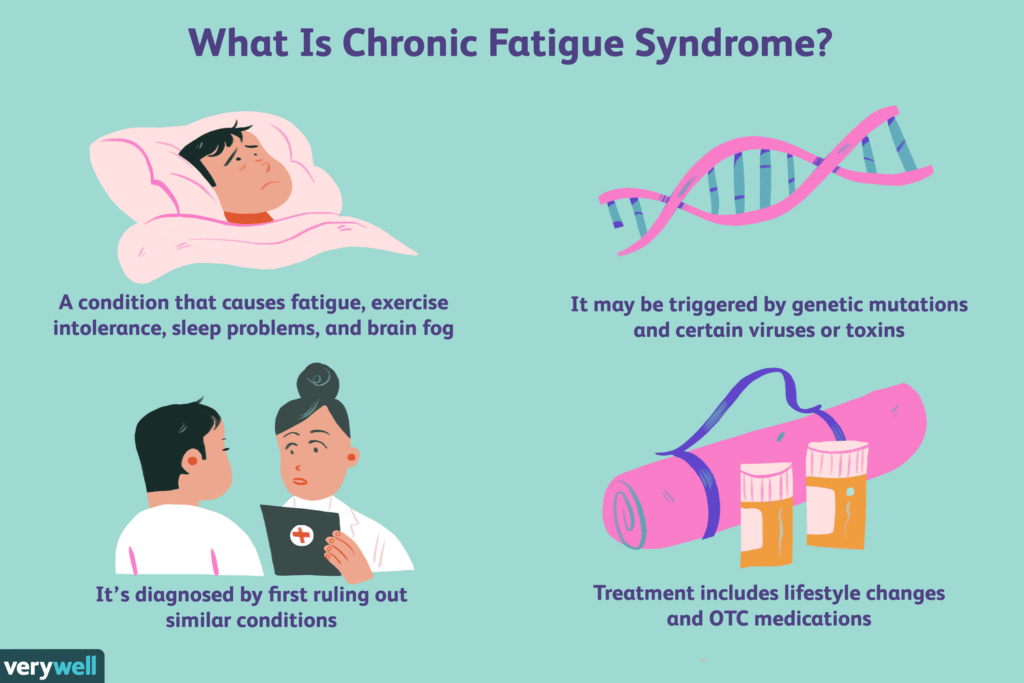
Chronic Fatigue Syndrome (CFS), also known as myalgic encephalomyelitis (ME), is a complex and debilitating medical condition characterized by extreme fatigue and a range of other symptoms that significantly impact a person’s daily life. CFS is not simply feeling tired or fatigued due to physical or mental exertion; it is a long-term condition that lasts for at least six months or more and does not improve with rest or sleep. The fatigue experienced by individuals with CFS is often described as overwhelming, disabling, and unlike any tiredness they have ever experienced before.
Symptoms of Chronic Fatigue Syndrome
Physical Symptoms
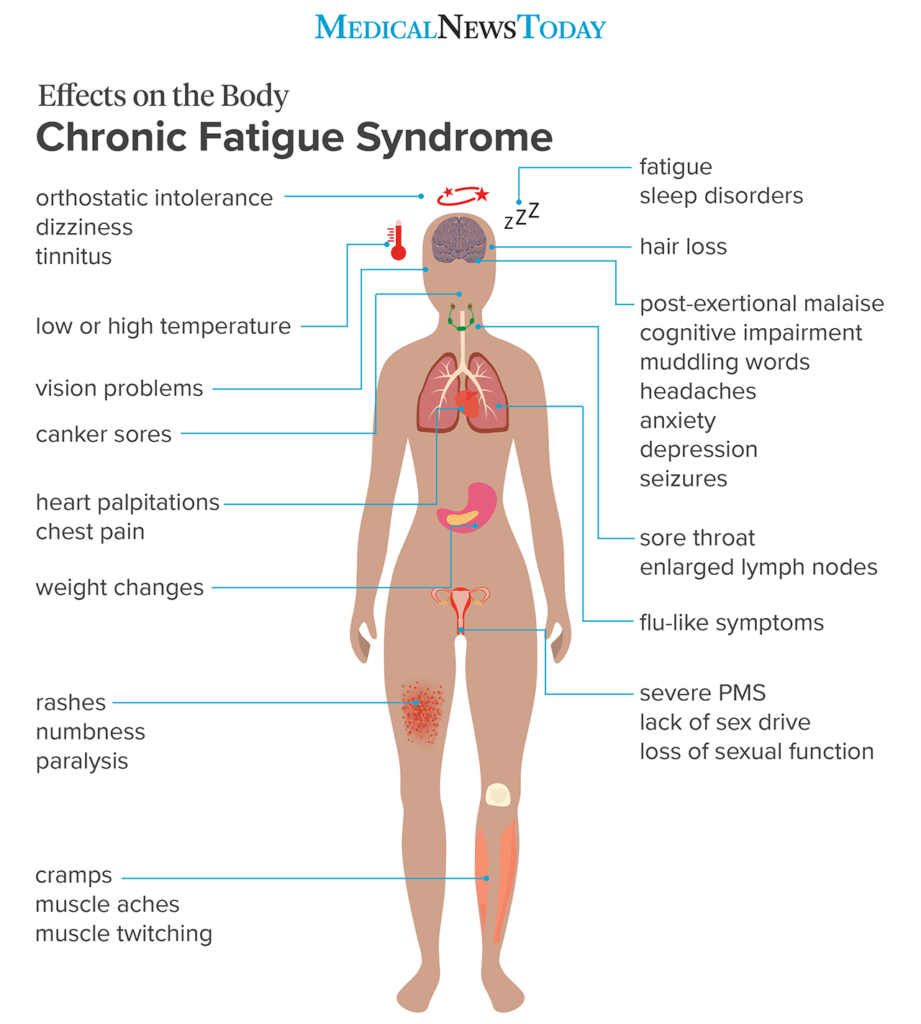
CFS is characterized by a wide range of physical symptoms. These may include severe and persistent fatigue, muscle and joint pain, headaches, tender lymph nodes, sore throat, unrefreshing sleep, and post-exertional malaise. Individuals with CFS often experience flu-like symptoms, such as low-grade fever, chills, and a general feeling of illness. Even minor physical activities that were once effortless can lead to extreme exhaustion in people with this condition.
Cognitive Symptoms
Cognitive symptoms of CFS can significantly impact a person’s ability to think, concentrate, and remember information. These may include problems with short-term memory, difficulty finding the right words (word-finding difficulties), reduced attention span, and mental fog or confusion. It is common for individuals with CFS to experience episodes of “brain fog,” where their cognitive function feels impaired, making even simple tasks challenging.
Emotional Symptoms
In addition to physical and cognitive symptoms, individuals with CFS often experience emotional symptoms. These can include feelings of depression, anxiety, irritability, mood swings, and a general sense of being overwhelmed. The emotional toll of living with chronic fatigue can be significant, as the limitations it imposes on daily life can lead to frustration, loss of self-esteem, and feelings of isolation.

Causes of Chronic Fatigue Syndrome
The exact cause of CFS is still unknown, and researchers continue to explore multiple factors that may contribute to its development. While the underlying cause is yet to be fully elucidated, various hypotheses suggest potential triggers such as viral infections, immune system dysfunction, hormonal imbalances, genetic predisposition, and psychological stress. It is important to note that CFS is a complex condition, and it is likely that a combination of genetic, environmental, and individual factors contribute to its onset.
Diagnosing Chronic Fatigue Syndrome
Diagnosing CFS can be challenging as there are no specific tests that can definitively confirm its presence. Instead, healthcare professionals rely on a combination of medical history, physical examination, and diagnostic criteria established by reputable organizations.
Medical History and Physical Examination
During the diagnostic process, healthcare professionals will carefully review the individual’s medical history, paying close attention to the duration and nature of the fatigue symptoms, as well as any other symptoms experienced. A thorough physical examination is also conducted to rule out other potential causes of fatigue.
Diagnostic Criteria
To aid in the diagnosis of CFS, healthcare professionals often refer to established diagnostic criteria, such as the Fukuda criteria or the more recent International Consensus Criteria. These criteria require the presence of specific symptoms, including chronic fatigue that is not alleviated by rest, the absence of alternative medical or psychiatric conditions, and decreased ability to engage in activities previously enjoyed.
Treatment Options for Chronic Fatigue Syndrome
While there is no known cure for CFS, various treatment options aim to manage symptoms and improve the individual’s quality of life. Treatment plans are often tailored to the specific needs and symptoms of each person.
Lifestyle Changes
Making lifestyle changes is an essential aspect of managing CFS. This may involve establishing a consistent sleep routine, pacing activities to avoid overexertion, and developing coping strategies to manage stress. Maintaining a balanced diet, staying hydrated, and engaging in gentle exercise when possible can also have a positive impact.
Medications
Medications can be prescribed to help alleviate specific symptoms associated with CFS. Pain relievers may be recommended to manage muscle and joint pain, while antidepressants or anti-anxiety medications might be prescribed to address mood disorders commonly associated with CFS. Each medication’s benefits and potential side effects should be carefully considered and discussed with a healthcare professional.
Therapies
Various therapies have shown promise in improving symptoms and helping individuals cope with the challenges of CFS. These may include cognitive-behavioral therapy, which focuses on changing negative thought patterns and behaviors, as well as graded exercise therapy, which involves slowly increasing physical activity levels under professional guidance. Additionally, alternative therapies such as acupuncture, massage, and mindfulness techniques may also be beneficial for some individuals.
Managing Chronic Fatigue Syndrome
Managing CFS is an ongoing process that requires individuals to implement strategies to conserve energy, ensure restful sleep, and minimize stress levels.
Pacing
Pacing is a key component in managing CFS. It involves listening to your body and carefully balancing activities and rest periods to avoid overexertion. This may mean breaking tasks into smaller, manageable portions and finding ways to conserve energy throughout the day. By pacing activities, individuals with CFS can maintain a more consistent level of functioning and reduce the risk of exacerbating symptoms.
Sleep Management
Establishing healthy sleep habits is crucial for managing CFS. Practicing good sleep hygiene, such as maintaining a consistent sleep schedule, creating a relaxing bedtime routine, and optimizing the sleep environment, can improve the quality of sleep and reduce fatigue. It is also important to avoid excessive napping during the day, as it can disrupt nighttime sleep.
Stress Management
Stress can exacerbate symptoms of CFS. Implementing stress management techniques, such as deep breathing exercises, meditation, or engaging in activities that promote relaxation, can help individuals better cope with the emotional and physical stress associated with living with CFS. It is also essential to prioritize self-care and engage in activities that bring joy and fulfillment.

Risks and Complications of Chronic Fatigue Syndrome
Impact on Daily Life and Functioning
CFS can have a profound impact on a person’s daily life and functioning. The unpredictable nature of symptoms can lead to limitations in occupational, educational, and social activities. Individuals with CFS may struggle to maintain employment or education, participate in social events, and fulfill family responsibilities. These limitations can result in feelings of frustration, isolation, and a sense of loss.
Mental Health Issues
Living with CFS can take a toll on one’s mental health. The chronic nature of the condition, coupled with the physical and cognitive symptoms, can lead to the development of mental health issues such as depression and anxiety. Seeking professional support from mental health professionals is crucial to address these concerns and develop effective coping strategies.
Living with Chronic Fatigue Syndrome
Support and Understanding
Living with CFS can be challenging, but having a strong support system can make a significant difference. Seek out understanding friends, family members, or support groups who can offer emotional support and empathy. Educating loved ones about CFS and its impact can also play a vital role in fostering understanding and reducing stigma surrounding the condition.
Self-Care Strategies
Engaging in self-care is essential for individuals with CFS. This may involve prioritizing rest and relaxation, listening to your body’s needs, and practicing activities that bring joy and fulfillment. It is crucial to establish boundaries, advocate for your needs, and be kind to yourself while navigating the challenges of living with CFS.
Building a Support Network
Connecting with others who have CFS can provide a sense of community and shared understanding. Look for support groups, either in person or online, where you can connect with others facing similar challenges. Hearing others’ experiences, sharing coping strategies, and receiving validation can be both empowering and comforting.
Research and Future Directions
Ongoing Studies
Research on CFS is continually advancing, and ongoing studies aim to further understand the underlying causes, mechanisms, and potential treatment options for the condition. Participating in clinical trials and research studies can contribute to the collective knowledge and potentially provide individuals with additional treatment options.
Potential Breakthroughs
While there are no definitive breakthroughs in the treatment of CFS, promising research is exploring various avenues. Researchers are investigating potential immune system abnormalities, viral infections, and neuroendocrine dysfunction as contributing factors to CFS. Advances in treatment modalities, such as immune modulators and targeted therapies, may provide future relief for individuals with CFS.
Seeking Professional Help
Seeking professional help is crucial for individuals experiencing symptoms of CFS. If you suspect you may have CFS, consult a healthcare professional who specializes in the condition or seek a referral to a specialist. They can conduct a thorough evaluation, provide an accurate diagnosis, and develop an individualized treatment plan to help manage your symptoms and improve your quality of life.
Remember, you are not alone in your journey with CFS. By seeking professional help, implementing self-care strategies, and building a support network, you can navigate the challenges of living with this complex condition and work towards a fulfilling life.