
You never thought that a frequent urge to urinate could cause so much trouble. In this article, you will gain a deeper understanding of cystitis, a common urinary tract infection that affects many individuals. We will explore the symptoms to watch out for, the potential causes of cystitis, and the available treatments to alleviate your discomfort. So, sit back, relax, and prepare to learn everything you need to know about managing cystitis effectively.
What is Cystitis?
Cystitis is a common urinary tract infection that primarily affects the bladder. It occurs when the bladder becomes inflamed and irritated due to various factors, such as bacterial infection or non-infectious causes. This condition can cause discomfort and lead to a range of symptoms that can significantly impact a person’s daily life. Understanding the causes, symptoms, and treatment options for cystitis is essential for proper management and prevention.
Definition
Cystitis refers to inflammation of the bladder, specifically the lining of the bladder wall. The condition occurs when bacteria enter the urinary tract through the urethra and multiply in the bladder. It is most commonly caused by a bacterial infection, but other factors such as irritation from certain products or medications can also lead to cystitis.
Types
There are two main types of cystitis: infectious and non-infectious cystitis. Infectious cystitis is caused by bacteria, typically Escherichia coli (E. coli), which commonly reside in the gastrointestinal tract and can enter the urinary tract through the urethra. Non-infectious cystitis, on the other hand, can be caused by various factors, such as irritants like certain soaps, bubble baths, or medications.
Prevalence
Cystitis is a prevalent condition that affects people of all ages, genders, and backgrounds. It is estimated that approximately 50% of women will experience cystitis at least once in their lifetime. Women tend to be more prone to cystitis due to their shorter urethra, which allows bacteria to reach the bladder more easily. However, men and children can also develop cystitis, although it is less common in these populations.
Symptoms of Cystitis
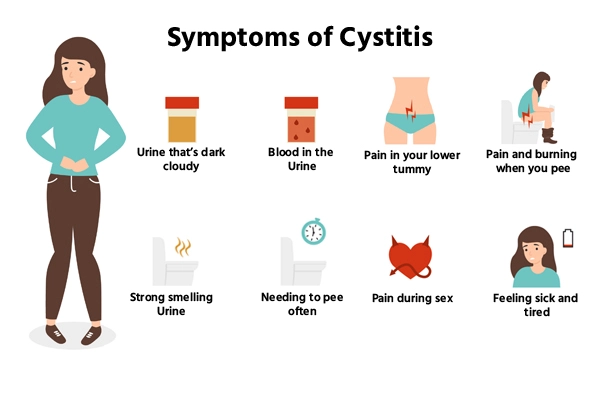
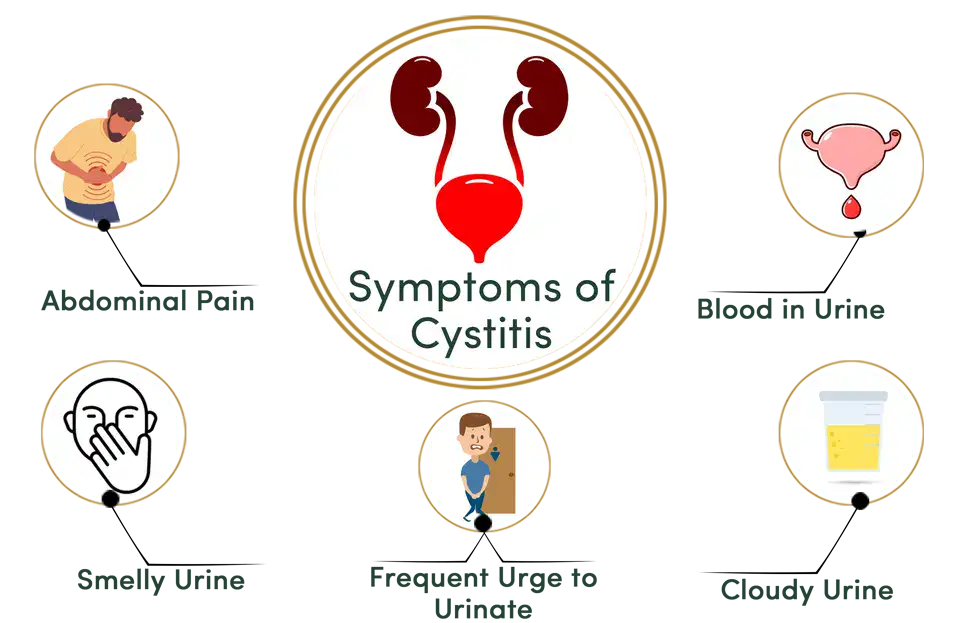
Recognizing the symptoms of cystitis is crucial for early detection and prompt treatment. If you experience any of the following symptoms, it is recommended to consult a healthcare professional for an accurate diagnosis and appropriate management.
Frequent Urination
One of the hallmark symptoms of cystitis is an increased frequency of urination. You may find yourself needing to visit the bathroom more frequently than usual, even if you have just emptied your bladder. This sudden increase in urinary frequency can disrupt your daily routine and cause significant discomfort.
Burning Sensation
A burning sensation during urination, also known as dysuria, is another common symptom of cystitis. This sensation is often described as a stinging or burning pain that occurs when the urine comes into contact with the inflamed bladder lining. This symptom can cause great discomfort and may be accompanied by a sense of urgency to urinate.
Cloudy or Bloody Urine
Cystitis can cause changes in the appearance of urine. You may notice that your urine appears cloudy or cloudy with a tinge of pink or red. This cloudiness is typically due to the presence of bacteria or red blood cells caused by inflammation in the bladder. If you observe these changes in your urine, it is essential to seek medical attention for further evaluation.
Pain or Pressure in the Pelvic Area
Cystitis can cause pain or pressure in the lower abdomen or pelvic area. This discomfort may range from mild to severe and can be described as a dull ache or cramping sensation. It may be present throughout the day or worsen during urination.
Urgency to Urinate
Feeling an intense and sudden urge to urinate, also known as urinary urgency, is a common symptom of cystitis. This urgency may occur even when the bladder is not full, and the frequent urge to urinate may disrupt your daily activities. The urgency can be accompanied by difficulty in holding urine, leading to potential accidents if not addressed promptly.

Causes of Cystitis
Understanding the underlying causes of cystitis is important for effective treatment and prevention strategies. Cystitis can be caused by both infectious and non-infectious factors, and certain risk factors may increase the likelihood of developing the condition.
Bacterial Infection
The most common cause of cystitis is a bacterial infection, typically caused by Escherichia coli (E. coli) bacteria. These bacteria are commonly found in the gastrointestinal tract and can enter the urethra, making their way to the bladder. Sexual activity, improper wiping after bowel movements, or the prolonged use of urinary catheters can facilitate the entry of bacteria into the urinary tract, increasing the risk of cystitis.
Non-Infectious Causes
Cystitis can also occur due to non-infectious causes. These may include irritation from certain soaps, bubble baths, or feminine hygiene products that can disrupt the natural balance of bacteria in the urinary tract. Additionally, certain medications, such as those used for chemotherapy or radiation therapy, can cause bladder inflammation and lead to cystitis.
Risk Factors
Several risk factors can increase the likelihood of developing cystitis. Women are more prone to cystitis due to their shorter urethra, which allows bacteria to reach the bladder more easily. Sexual activity, especially without proper hygiene practices, can also increase the risk of bacterial infection. Other factors, such as urinary tract abnormalities, weakened immune system, and the use of urinary catheters, can also contribute to the development of cystitis.
Diagnosis of Cystitis
Seeking medical evaluation for suspected cystitis is necessary to determine the underlying cause and appropriate treatment options. Your healthcare provider may use various diagnostic methods to diagnose cystitis accurately.
Medical History and Physical Examination
Your healthcare provider will begin the diagnostic process by reviewing your medical history and discussing your symptoms. They may ask about your urinary habits, sexual activity, use of urinary catheters, and any recent changes or irritants that could have triggered cystitis. A physical examination, including a pelvic examination for women, may also be performed to assess any visible signs of inflammation or tenderness.
Urinalysis
A urinalysis is a common diagnostic test used to evaluate for cystitis. It involves analyzing a urine sample for the presence of bacteria, red and white blood cells, and other substances. The results can provide valuable information about possible infection or inflammation in the urinary tract.
Urine Culture
In some cases, your healthcare provider may recommend a urine culture to identify the specific bacteria causing the infection. This involves isolating and growing bacteria from the urine sample to determine the most effective antibiotic for treatment. The results of a urine culture can help guide the selection of an appropriate antibiotic, especially if the initial treatment does not yield satisfactory results.
Cystoscopy
In certain situations, a cystoscopy may be necessary to visualize the bladder and its lining more closely. During this procedure, a thin, flexible tube with a camera, called a cystoscope, is inserted through the urethra into the bladder. This allows healthcare providers to examine the bladder walls for signs of inflammation, infection, or other abnormalities that could be causing the symptoms of cystitis.
Imaging Tests
In rare cases, imaging tests such as ultrasound, computed tomography (CT), or magnetic resonance imaging (MRI) may be recommended to evaluate the structure and function of the urinary tract. These tests can help identify any underlying abnormalities or conditions that may contribute to the development of cystitis.

Treatment for Cystitis
Treatment for cystitis typically involves a combination of medications, management of symptoms, and preventive measures to reduce the risk of recurrence. The specific treatment recommendations may vary depending on the underlying cause and severity of the condition.
Antibiotics
If cystitis is caused by a bacterial infection, antibiotics are usually prescribed to eliminate the bacteria. The choice of antibiotic will depend on factors such as the suspected bacteria, the severity of the infection, and any known allergies or previous antibiotic resistance. It is crucial to complete the full course of antibiotics as prescribed, even if symptoms improve, to prevent recurrence or the development of antibiotic resistance.
Pain Medications
Over-the-counter pain medications, such as ibuprofen or acetaminophen, may be recommended to alleviate discomfort and reduce inflammation associated with cystitis. These medications can help manage symptoms such as pain, pelvic pressure, and urinary urgency. However, it is essential to consult a healthcare professional before starting any new medication, especially if you have other underlying medical conditions or take other medications.
Management of Symptoms
In addition to medications, several self-care measures can help manage the symptoms of cystitis. These include drinking plenty of water to flush out bacteria, avoiding caffeine and alcohol, and emptying your bladder completely when you urinate. Applying a heating pad or warm compress to the lower abdomen may also provide relief from pain or discomfort.
Preventive Measures
Preventive measures can play a crucial role in reducing the risk of cystitis recurrence. It is important to practice good hygiene, including wiping from front to back after using the bathroom. Urinating before and after sexual intercourse can also help flush out bacteria that may have entered the urethra. Staying hydrated by drinking an adequate amount of water throughout the day can help dilute urine and prevent the concentration of bacteria in the bladder. Avoiding irritants such as harsh soaps, fragrances, and certain medications can also reduce the likelihood of developing cystitis.
Complications of Cystitis
Although cystitis is typically a mild and self-limiting condition, complications can arise in some cases. It is important to be aware of the potential complications associated with cystitis and seek medical attention if you experience any concerning symptoms.
Recurrent Infections
If cystitis episodes occur frequently or do not respond to treatment, it may indicate recurrent infections. This can be a sign of an underlying issue, such as an incomplete treatment regimen, antibiotic resistance, or structural abnormalities in the urinary tract. Your healthcare provider may recommend further evaluation and possible treatment options to prevent future recurrent infections.
Kidney Infections
If left untreated or inadequately treated, cystitis can progress to a kidney infection, also known as pyelonephritis. This occurs when bacteria travel up from the bladder to the kidneys, leading to a more severe infection. Symptoms of a kidney infection may include fever, back or abdominal pain, nausea, and vomiting. Prompt medical attention is necessary in these cases to prevent further complications.
Inflammatory Bowel Disease
In rare cases, recurrent or chronic cystitis may be an early sign of inflammatory bowel disease (IBD), such as Crohn’s disease or ulcerative colitis. These conditions involve chronic inflammation in the gastrointestinal tract, which can affect the urinary tract as well. If you have a history of IBD or experience persistent and recurrent cystitis, it is important to consult a healthcare professional for further evaluation and appropriate management.

Prevention of Cystitis
Taking preventive measures can significantly reduce the risk of developing cystitis. By following simple lifestyle practices and making mindful choices, you can help maintain a healthy urinary tract and minimize the chances of experiencing the discomfort associated with cystitis.
Hygiene Practices
Practicing good hygiene is essential to prevent the spread of bacteria that can potentially cause cystitis. Ensure that you wash your hands thoroughly before and after using the bathroom. When wiping after a bowel movement, always wipe from front to back to prevent the transfer of bacteria from the anal area to the urethra.
Urinating Before and After Sexual Intercourse
Emptying your bladder before and after sexual intercourse can help flush out any bacteria that may have entered the urethra during sexual activity. This can significantly reduce the risk of developing a urinary tract infection, including cystitis.
Staying Hydrated
Drinking an adequate amount of water throughout the day can help maintain good urinary tract health. Water helps dilute urine and prevents the concentration of bacteria in the bladder. Aim to drink at least eight cups (64 ounces) of water per day or more if recommended by your healthcare provider.
Avoiding Irritants
Certain products and substances can irritate the urinary tract and increase the risk of cystitis. Avoid using harsh soaps, feminine hygiene sprays, bubble baths, and scented toilet papers, as these can disrupt the natural balance of bacteria in the urinary tract. Additionally, some medications, such as certain antibiotics or chemotherapy drugs, may increase the likelihood of developing cystitis. If you are taking any medications, discuss potential side effects or interactions with your healthcare provider.
Home Remedies for Cystitis
In addition to medical treatment and preventive measures, certain home remedies may provide relief from the symptoms of cystitis. Although these remedies do not treat the underlying cause, they can help alleviate discomfort and promote overall well-being.
Increasing Fluid Intake
Drinking plenty of water and other non-caffeinated, non-alcoholic fluids can help flush out bacteria from the urinary tract. Water helps dilute urine and promotes frequent urination, which can reduce the concentration of bacteria in the bladder. Aim to drink at least eight cups (64 ounces) of water per day or more if recommended by your healthcare provider.
Applying Heat to the Abdomen or Pelvic Area
Applying a heating pad or warm compress to the lower abdomen or pelvic area may help alleviate pain or discomfort caused by cystitis. The heat can relax the muscles and provide temporary relief from cramping or pressure.
Using a Heating Pad or Hot Water Bottle
Similar to applying heat directly to the abdomen or pelvic area, using a heating pad or hot water bottle can provide warmth and comfort. Wrap the heating pad or hot water bottle in a towel to prevent burns, and place it on the lower abdomen for 10-15 minutes at a time.
Taking Over-the-Counter Pain Medication
Over-the-counter pain medications, such as ibuprofen or acetaminophen, can help manage pain and discomfort associated with cystitis. However, it is important to consult a healthcare professional before taking any medication, especially if you have other underlying medical conditions or take other medications.
Avoiding Trigger Foods and Beverages
Some individuals may find that certain foods or beverages can worsen their cystitis symptoms. Common triggers include spicy foods, citrus fruits, caffeine, alcohol, and artificial sweeteners. Pay attention to how your body reacts to different foods and beverages, and consider avoiding those that seem to exacerbate your symptoms.
Lifestyle Changes for Cystitis
Making certain lifestyle changes can help manage cystitis symptoms and reduce the frequency of flare-ups. These changes, when combined with medical treatment and preventive measures, can significantly improve your quality of life and minimize the impact of cystitis on your daily activities.
Maintaining Good Hygiene
Practicing good hygiene is crucial in reducing the risk of recurrent cystitis. Ensure that you wash your hands thoroughly before and after using the bathroom. When wiping after a bowel movement, always wipe from front to back to prevent the transfer of bacteria from the anal area to the urethra.
Wearing Loose-Fitting Clothes
Wearing loose-fitting and breathable clothing can help prevent the accumulation of moisture and heat in the genital area. This can reduce the risk of bacterial growth and minimize the likelihood of developing cystitis. Opt for cotton underwear and avoid tight-fitting pants or synthetic fabrics that can trap moisture.
Avoiding Irritants
Certain products and substances can irritate the urinary tract and increase the risk of cystitis. Avoid using harsh soaps, feminine hygiene sprays, bubble baths, and scented toilet papers, as these can disrupt the natural balance of bacteria in the urinary tract. Additionally, some medications, such as certain antibiotics or chemotherapy drugs, may increase the likelihood of developing cystitis. If you are taking any medications, discuss potential side effects or interactions with your healthcare provider.
Staying Hydrated
Drinking an adequate amount of water throughout the day is essential for maintaining good urinary tract health. Water helps dilute urine and prevents the concentration of bacteria in the bladder. Aim to drink at least eight cups (64 ounces) of water per day or more if recommended by your healthcare provider.
Practicing Safe Sex
Practicing safe sex, including using condoms and maintaining good personal hygiene, can help reduce the risk of sexually transmitted infections (STIs) that can contribute to cystitis. It is important to communicate openly with your sexual partner and seek medical attention if you suspect or are diagnosed with an STI.
When to See a Doctor
While mild cases of cystitis can often be managed effectively with over-the-counter treatments, there are certain situations where it is important to consult a healthcare professional. Seek medical attention if you experience any of the following symptoms:
Persistent or Worsening Symptoms
If your symptoms do not improve with home remedies or worsen despite treatment, it is essential to consult a healthcare provider. Persistent or recurrent cystitis may require further evaluation to identify the underlying cause and explore additional treatment options.
Fever and Chills
The presence of a fever, chills, or general malaise may indicate a more severe infection, such as a kidney infection. These symptoms should not be ignored and warrant immediate medical attention to prevent further complications.
Blood in Urine
The presence of blood in the urine, also known as hematuria, can be a concerning sign. It may indicate a more serious underlying condition or complications, and medical evaluation is necessary to determine the cause and appropriate treatment.
Severe Abdominal or Back Pain
Intense or persistent abdominal or back pain can be a sign of a more severe infection or complications of cystitis. If you experience severe pain that is not relieved by over-the-counter pain medications, seek medical attention promptly.
In conclusion, cystitis is a common condition that can cause significant discomfort and impact a person’s quality of life. Understanding the causes, symptoms, and treatment options for cystitis is vital for timely diagnosis, effective management, and prevention. By practicing good hygiene, taking preventive measures, and seeking medical attention when necessary, individuals can minimize the impact of cystitis and maintain a healthy urinary tract. Remember, if you experience persistent or severe symptoms, it is important to consult a healthcare professional for proper evaluation and guidance.