
Hey there! Have you ever wondered about dwarfism? Well, in this article, we’ll be exploring the causes, symptoms, and treatments of this condition. By understanding what dwarfism is all about, we can gain a greater appreciation for the challenges faced by individuals with this condition and learn how medical advancements are working towards making their lives better. So, let’s jump right in and discover more about dwarfism together!
Understanding Dwarfism: Causes, Symptoms, and Treatments
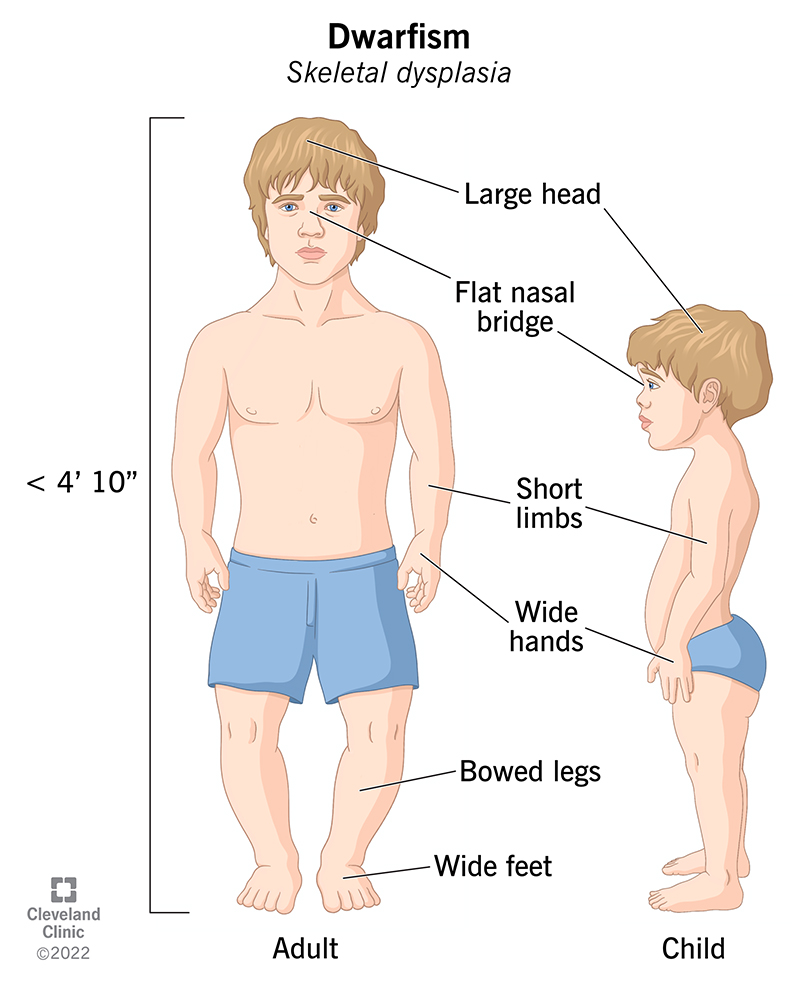
Dwarfism is a medical condition characterized by an adult height of 4 feet 10 inches or under. It is important to note that there are various causes of dwarfism, and it is not solely defined by height. In this comprehensive article, we will explore the different types of dwarfism, their causes, and the symptoms associated with the condition. We will also delve into the process of diagnosing dwarfism and the available treatments. By the end of this article, you will have a better understanding of dwarfism and the factors that contribute to its development.
Introduction to Dwarfism
Dwarfism refers to a medical condition where an individual has an adult height significantly below the average. The height cutoff for defining dwarfism is commonly set at 4 feet 10 inches, although this can vary depending on different criteria. It is worth mentioning that dwarfism is not a single disorder but rather a term used to encompass a wide range of conditions that result in short stature. Understanding the causes behind dwarfism is crucial in order to provide appropriate diagnosis and treatment for affected individuals.
Definition of Dwarfism
Dwarfism is primarily defined by a person’s height. While the threshold for determining dwarfism is commonly set at 4 feet 10 inches, it is important to note that this measurement alone does not provide a complete understanding of the condition. In addition to height, it is essential to consider other factors such as body proportions and growth patterns to accurately diagnose and classify the specific type of dwarfism a person might have.

Classification of Dwarfism
Dwarfism can be classified into two main types: proportionate and disproportionate dwarfism. Proportionate dwarfism occurs when a person’s body parts are in proportion to their overall height. This means that their limbs, trunk, and other body segments are appropriately sized relative to their overall stature. On the other hand, disproportionate dwarfism is characterized by a variation in the size of body parts. This results in certain body segments being shorter or smaller in relation to the rest of the body.
Prevalence of Dwarfism
Dwarfism is a relatively rare condition, with an estimated prevalence of approximately 1 in 25,000 individuals. It affects people of all races and ethnicities worldwide. While the overall incidence of dwarfism is low, the specific prevalence can vary depending on the type of dwarfism in question. Achondroplasia, the most common form of disproportionate dwarfism, accounts for approximately 70% of all cases of dwarfism.

Causes of Dwarfism
Dwarfism can have various causes, including genetic factors, hormonal imbalances, and metabolic disorders. Understanding these causes is crucial to provide appropriate treatment and support for individuals with dwarfism. Let’s explore each cause in more detail.
Genetic Causes
Many cases of dwarfism are caused by genetic factors. Genetic conditions that result in dwarfism often involve mutations or changes in specific genes responsible for bone and growth development. Three primary genetic causes of dwarfism are achondroplasia, spondyloepiphyseal dysplasia congenita, and diastrophic dysplasia.
Achondroplasia
Achondroplasia is the most common cause of dwarfism, accounting for approximately 70% of all cases. It is an autosomal dominant genetic disorder that affects bone growth. Individuals with achondroplasia have a mutation in the FGFR3 gene, which leads to impaired cartilage formation and stunted bone growth. This results in a short stature, characteristic facial features, and potential health complications such as spinal stenosis and obesity.
Spondyloepiphyseal Dysplasia Congenita
Spondyloepiphyseal dysplasia congenita is a genetic disorder characterized by abnormalities in the development of the spine and long bones. It is caused by mutations in the COL2A1 gene, resulting in abnormal collagen production. Individuals with this condition typically have short stature, abnormal spinal curvature, and joint problems.
Diastrophic Dysplasia
Diastrophic dysplasia is a rare genetic disorder that affects cartilage and bone development. It is caused by mutations in the SLC26A2 gene, leading to impaired transportation of sulfate ions. This condition is characterized by short stature, joint deformities, and abnormalities in the ears and hands.

Hormonal Causes of Dwarfism
Hormonal imbalances can also contribute to dwarfism. In particular, deficiencies in growth hormone, thyroid hormone, and adrenal hormones can result in impaired growth and development.
Growth Hormone Deficiency
Growth hormone deficiency occurs when the pituitary gland fails to produce sufficient amounts of growth hormone. This hormone is vital for promoting bone growth and overall development. Children with growth hormone deficiency may have delayed growth milestones and a shorter stature compared to their peers.
Thyroid Hormone Deficiency
Thyroid hormone deficiency, also known as hypothyroidism, can lead to growth retardation and short stature. The thyroid gland plays a crucial role in regulating metabolism and growth. Insufficient production of thyroid hormone can impair bone development and result in dwarfism.
Adrenal Insufficiency
Adrenal insufficiency, a condition characterized by reduced adrenal gland function, can also contribute to dwarfism. Adrenal hormones, such as cortisol, play a role in normal growth and development. When adrenal function is compromised, growth can be affected, resulting in stunted stature.
Metabolic Causes of Dwarfism
Certain metabolic disorders can interfere with normal growth and development, leading to dwarfism. These disorders often interfere with the breakdown or storage of essential substances within the body.
Mucopolysaccharidoses
Mucopolysaccharidoses are a group of genetic disorders characterized by the accumulation of complex carbohydrates called mucopolysaccharides. These substances are normally broken down in the body, but in individuals with mucopolysaccharidoses, they build up and interfere with normal cellular function. Depending on the specific type of mucopolysaccharidosis, symptoms can include short stature, skeletal abnormalities, and organ dysfunction.
Mucolipidosis Type II (I-cell Disease)
Mucolipidosis type II, also known as I-cell disease, is a rare metabolic disorder that affects multiple organs and tissues. It is caused by mutations in the GNPTAB gene, which leads to the accumulation of substances within the lysosomes of cells. Children with this condition present with short stature, skeletal abnormalities, organ dysfunction, and developmental delays.
Prader-Willi Syndrome
Prader-Willi syndrome is a complex genetic disorder that affects various aspects of growth and development. It is caused by the loss or malfunction of specific genes on chromosome 15. Individuals with Prader-Willi syndrome may experience growth hormone deficiency, delayed development, and short stature.

Symptoms of Dwarfism
The most obvious symptom of dwarfism is short stature. However, there are additional signs and symptoms that may vary depending on the specific type of dwarfism an individual has.
Short Stature
Short stature is the primary symptom of dwarfism. It is defined as an adult height of 4 feet 10 inches or below. While short stature is characteristic of all forms of dwarfism, the severity and specific growth patterns vary depending on the underlying cause.
Disproportionate Limbs
Disproportionate limbs are a common feature of many forms of dwarfism, particularly the disproportionate type. This means that certain body segments, such as the arms or legs, may be shorter or smaller in relation to the rest of the body.
Delayed Development of Motor Skills
In some cases, individuals with dwarfism may experience delays in the development of motor skills. This can be due to physical limitations or skeletal abnormalities associated with the condition. Early intervention and appropriate therapy can help overcome these delays and improve overall quality of life.
Diagnosing Dwarfism
Diagnosing dwarfism involves a combination of medical history, physical examination, and various diagnostic tests. Proper diagnosis is crucial to determine the underlying cause of dwarfism and provide appropriate treatment and support.
Medical History and Physical Examination
Taking a detailed medical history and conducting a thorough physical examination are initial steps in diagnosing dwarfism. These help identify any developmental delays, family history of dwarfism, or associated symptoms that may point to a specific cause.
X-rays and Imaging Tests
X-rays and other imaging tests can provide valuable information about bone structure, growth plate development, and possible skeletal abnormalities. These tests can help differentiate between various types of dwarfism and determine the severity of skeletal abnormalities.
Genetic Testing
Genetic testing plays a crucial role in diagnosing genetic causes of dwarfism. This involves analyzing an individual’s DNA to identify specific gene mutations or abnormalities associated with dwarfism. Genetic testing can provide valuable information for prognosis, monitoring, and potential treatment options.
Types of Dwarfism
Dwarfism can be classified into two main types: proportionate and disproportionate dwarfism. Understanding the distinctions between these types is essential in determining appropriate treatment strategies and support for affected individuals.
Proportionate Dwarfism
Proportionate dwarfism refers to a type of dwarfism where the body parts are in proportion to the overall height. This means that the limbs, trunk, and other body segments are appropriately sized relative to the person’s stature. However, individuals with proportionate dwarfism still exhibit short stature.
Disproportionate Dwarfism
Disproportionate dwarfism is characterized by variations in the size of body parts. This means that certain body segments, such as the arms, legs, or trunk, may be shorter or smaller in relation to the rest of the body. Disproportionate dwarfism is the more common type and is associated with specific genetic or skeletal abnormalities.
Conclusion
Dwarfism is a complex medical condition that encompasses various causes, symptoms, and types. From genetic factors to hormonal imbalances and metabolic disorders, understanding the root causes of dwarfism is crucial in providing appropriate diagnosis, treatment, and support for affected individuals. By recognizing the early signs and symptoms of dwarfism, and seeking medical evaluation and intervention, individuals with dwarfism can lead fulfilling lives with proper management and support.