
Imagine how much you can positively impact the lives of individuals by grasping a deep understanding of Fetal Alcohol Syndrome (FAS). With its complex set of symptoms and potential long-term effects, FAS is a condition that requires our attention and understanding. By unraveling the key elements of this syndrome, we can not only contribute to prevention and early intervention but also provide support and care for those affected. Let’s explore the intricacies of Fetal Alcohol Syndrome together and pave the way for a brighter future.
What is Fetal Alcohol Syndrome?
Fetal Alcohol Syndrome (FAS) is a serious condition that occurs when a baby is exposed to alcohol during pregnancy. It is a leading cause of cognitive and developmental disabilities worldwide. FAS is a preventable condition, but it can have lifelong implications for affected individuals. It is important to understand the definition, prevalence, causes, signs and symptoms, diagnosis, effects and complications, prevention, treatment and management, long-term outlook, support resources, legal and ethical challenges, and current research surrounding Fetal Alcohol Syndrome.
Definition of Fetal Alcohol Syndrome
Fetal Alcohol Syndrome is a medical condition characterized by physical, cognitive, and behavioral abnormalities resulting from prenatal alcohol exposure. It is a spectrum disorder with varying degrees of severity. The symptoms of Fetal Alcohol Syndrome can range from mild to severe, and they can affect different body systems, including the brain, heart, bones, and facial features.
Prevalence of Fetal Alcohol Syndrome
The prevalence of Fetal Alcohol Syndrome varies across different populations and countries. Globally, it is estimated that FAS affects 1 to 5 per 1,000 live births. However, the actual numbers may be higher as FAS often goes undiagnosed or misdiagnosed. The rates of FAS are influenced by factors such as alcohol consumption patterns, socioeconomic status, and access to healthcare and prenatal care.
Causes of Fetal Alcohol Syndrome
Fetal Alcohol Syndrome is caused by the consumption of alcohol during pregnancy. When a pregnant woman drinks alcohol, it easily crosses the placenta and enters the bloodstream of the developing fetus. Alcohol interferes with the normal development of the fetus, leading to the characteristic features and impairments associated with FAS. It is important to note that there is no known safe level of alcohol consumption during pregnancy.
Signs and Symptoms of Fetal Alcohol Syndrome
Physical Symptoms
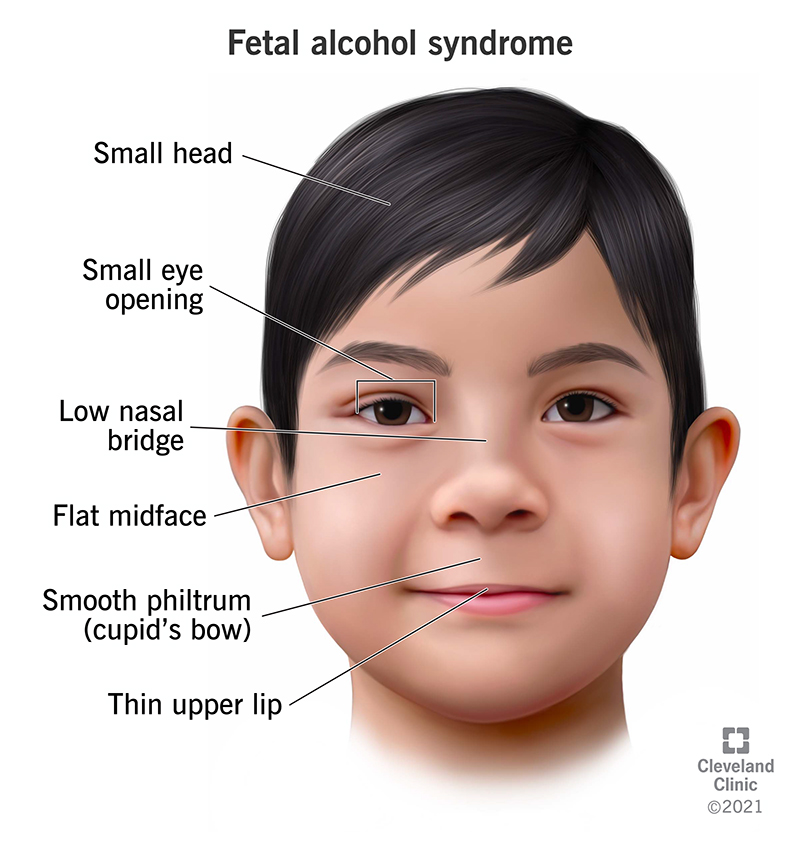
Fetal Alcohol Syndrome is associated with a range of physical abnormalities. These include facial features such as a thin upper lip, flattened philtrum, and small eye openings. Other physical symptoms may include growth deficiencies, abnormalities in organ development, heart defects, and skeletal malformations. These physical symptoms can be present at birth and persist into adulthood.
Cognitive and Behavioral Symptoms
Individuals with Fetal Alcohol Syndrome often have cognitive and behavioral impairments. These can manifest as learning disabilities, attention deficits, poor impulse control, and difficulties with social interactions. They may have difficulty with abstract thinking, problem-solving, and memory. Behavioral symptoms can include hyperactivity, impulsivity, and emotional regulation difficulties.
Social and Emotional Symptoms
FAS can also have a significant impact on social and emotional development. Individuals with Fetal Alcohol Syndrome may struggle with forming and maintaining relationships. They may have difficulty understanding social cues and appropriate social behavior. Emotional regulation can be challenging, leading to temper outbursts, mood swings, and difficulties coping with stress or change.

Diagnosis of Fetal Alcohol Syndrome
Screening for Fetal Alcohol Syndrome
Screening for Fetal Alcohol Syndrome involves gathering information about alcohol consumption during pregnancy and assessing the possible effects on the developing fetus. Healthcare providers may ask pregnant women about their alcohol consumption, provide education on the risks of alcohol during pregnancy, and offer support or referrals for further assessment.
Diagnostic Criteria for Fetal Alcohol Syndrome
The diagnosis of Fetal Alcohol Syndrome is based on specific criteria outlined by medical professionals. These criteria include physical features, cognitive impairments, and evidence of prenatal alcohol exposure. Diagnosis is typically made by a multidisciplinary team, including medical professionals, psychologists, and specialists experienced in diagnosing and managing FAS.
Differential Diagnosis
Differential diagnosis involves distinguishing Fetal Alcohol Syndrome from other conditions that may have similar symptoms. This is important to ensure accurate diagnosis and appropriate management. Conditions that may resemble FAS include genetic disorders, prenatal infections, and other maternal substance use disorders.
Effects and Complications of Fetal Alcohol Syndrome
Physical Health Complications
Fetal Alcohol Syndrome can lead to various physical health complications. These can include heart defects, kidney abnormalities, vision and hearing impairments, and growth deficiencies. These physical health complications may require ongoing medical care and interventions throughout the individual’s life.
Mental and Behavioral Health Complications
The cognitive and behavioral impairments associated with Fetal Alcohol Syndrome can have a significant impact on daily functioning and overall well-being. Individuals with FAS may struggle academically, have difficulties with employment, and face challenges in independent living. They may also be at an increased risk for mental health conditions such as anxiety, depression, and substance abuse.
Educational and Speech Delays
Children with Fetal Alcohol Syndrome often experience delays in their educational and speech development. They may require special education services and individualized support to address their unique learning needs. Early intervention programs and therapies can be instrumental in improving educational outcomes and promoting optimal development.

Prevention of Fetal Alcohol Syndrome
Educational Campaigns and Interventions
Educational campaigns and interventions play a crucial role in the prevention of Fetal Alcohol Syndrome. These initiatives aim to raise awareness about the risks of alcohol consumption during pregnancy and provide accurate information to women of childbearing age. They also strive to promote healthy lifestyle choices and support services for pregnant women and families.
Importance of Prenatal Care
Access to comprehensive prenatal care is essential in preventing Fetal Alcohol Syndrome. Regular prenatal visits allow healthcare providers to educate pregnant women about the risks of alcohol consumption and offer support and resources for a healthy pregnancy. Prenatal care also includes screening for alcohol use and identification of alcohol-related risks.
Alcohol Consumption during Pregnancy
The most effective way to prevent Fetal Alcohol Syndrome is to abstain from alcohol during pregnancy. Studies have shown that even small amounts of alcohol can pose risks to the developing fetus. Pregnant women should be aware of the potential harm alcohol can cause and make informed choices to protect the health and well-being of their baby.
Treatment and Management of Fetal Alcohol Syndrome
Early Intervention Programs
Early intervention programs are crucial in supporting the development and well-being of individuals with Fetal Alcohol Syndrome. These programs provide specialized therapies, educational support, and family-centered interventions. Early intervention can help minimize the impact of FAS and promote optimal outcomes in various areas of functioning.
Special Education and Support Services
Children with Fetal Alcohol Syndrome often benefit from special education and support services tailored to their unique needs. Individualized education plans (IEPs) can address specific learning challenges, while speech and language therapies can help improve communication skills. Occupational and physical therapies may also be necessary to address motor deficits and improve functional abilities.
Behavioral Therapies
Behavioral therapies can be effective in managing the cognitive and behavioral symptoms associated with Fetal Alcohol Syndrome. These therapies focus on teaching skills such as impulse control, emotional regulation, problem-solving, and social skills. Applied Behavior Analysis (ABA) and Cognitive-Behavioral Therapy (CBT) are commonly used approaches to address these challenges.

Long-term Outlook for Individuals with Fetal Alcohol Syndrome
Supportive and Nurturing Environments
Creating supportive and nurturing environments is essential for individuals with Fetal Alcohol Syndrome to thrive. Providing a stable and predictable home environment, as well as access to appropriate educational and community resources, can greatly enhance their quality of life. Emotional support from family, friends, and professionals also plays a crucial role in their long-term outlook.
Challenges in Adulthood
Transitioning from adolescence to adulthood can be challenging for individuals with Fetal Alcohol Syndrome. They may face difficulties in higher education, employment, and independent living. Supportive services and vocational training programs can help them acquire the necessary skills and adapt to adulthood successfully.
Transition to Independent Living
The transition to independent living is a significant milestone for individuals with Fetal Alcohol Syndrome. It requires careful planning, ongoing support, and access to appropriate resources. Transition programs focused on life skills, vocational training, and community integration can facilitate a successful transition to independent living.
Support Resources for Individuals with Fetal Alcohol Syndrome
National and International Organizations
There are various national and international organizations dedicated to supporting individuals with Fetal Alcohol Syndrome and their families. These organizations provide information, resources, advocacy efforts, and support services. Examples of such organizations include the National Organization on Fetal Alcohol Syndrome (NOFAS) and the Fetal Alcohol Spectrum Disorders Study Group (FASDSG).
Parent Support Groups
Parent support groups are invaluable resources for families affected by Fetal Alcohol Syndrome. These groups offer a safe and supportive space for parents to share experiences, seek advice, and access emotional support. Connecting with other families facing similar challenges can provide a sense of community and understanding.
Therapeutic Services
Therapeutic services, such as counseling and therapy, can be beneficial for individuals with Fetal Alcohol Syndrome and their families. These services can address a range of needs, including emotional well-being, behavioral challenges, and family dynamics. Qualified professionals can provide individualized support and guidance to meet the unique needs of each individual.

Legal and Ethical Challenges Surrounding Fetal Alcohol Syndrome
Pregnancy and Alcohol Policies
The legal and ethical challenges surrounding Fetal Alcohol Syndrome are multifaceted. They involve public health policies, legal frameworks, and ethical considerations. Laws and regulations regarding alcohol consumption during pregnancy vary across jurisdictions, and there is ongoing debate regarding the best approaches to address these issues while protecting the rights and well-being of both the pregnant woman and the fetus.
Child Protection and Intervention
Fetal Alcohol Syndrome raises concerns about child protection and intervention when alcohol use during pregnancy is identified. Determining the appropriate response to safeguard the well-being of the child can be complex and requires a delicate balance between supporting the mother and ensuring the safety of the fetus or child. This often involves collaboration among healthcare professionals, social workers, and legal authorities.
FASD in the Criminal Justice System
Individuals with Fetal Alcohol Syndrome may come into contact with the criminal justice system due to their cognitive and behavioral impairments. Recognizing and addressing the specific needs of individuals with FAS in the legal system is crucial to ensure fair treatment and appropriate interventions. Providing educational resources and training for legal professionals can facilitate a more informed and compassionate response.
Research and Future Developments in Fetal Alcohol Syndrome
Advancements in FAS Diagnosis
Researchers are continuously working to advance the diagnosis of Fetal Alcohol Syndrome. This includes developing more accurate and reliable diagnostic criteria, as well as exploring potential biomarkers or genetic markers that may aid in early detection and diagnosis. Improved diagnostic measures can lead to earlier interventions and more targeted support for affected individuals.
Treatment Strategies and Interventions
Ongoing research aims to discover and develop more effective treatment strategies and interventions for individuals with Fetal Alcohol Syndrome. This includes investigating the efficacy of various therapies, medications, and behavioral interventions. The goal is to improve outcomes and quality of life for individuals with FAS by identifying evidence-based practices and interventions.
Effects of Different Levels of Alcohol Exposure
Research continues to explore the effects of different levels of alcohol exposure on the developing fetus. This research is critical in understanding the spectrum of Fetal Alcohol Spectrum Disorders (FASD) and the specific risks associated with varying levels of prenatal alcohol exposure. By defining these risks, healthcare providers can develop targeted prevention and intervention strategies to address the unique needs of each individual.
In conclusion, Fetal Alcohol Syndrome is a complex and preventable condition that can have lifelong implications for affected individuals. It is essential to raise awareness, promote prevention efforts, and provide support and resources for individuals with FAS and their families. Ongoing research and advancements in diagnosis, treatment, and support services offer hope for improved outcomes and quality of life for those living with Fetal Alcohol Syndrome.