
Understanding Frontotemporal Dementia: Symptoms and Treatment
Frontotemporal dementia, often abbreviated as FTD, is one of those terms that might sound intimidating at first, but understanding it can help you or someone you love navigate the challenges it presents. Like many forms of dementia, FTD can dramatically affect an individual’s life and the lives of those around them. In this article, we will walk you through the symptoms and treatment options available for Frontotemporal dementia, making this complex topic as approachable as possible.

What is Frontotemporal Dementia?
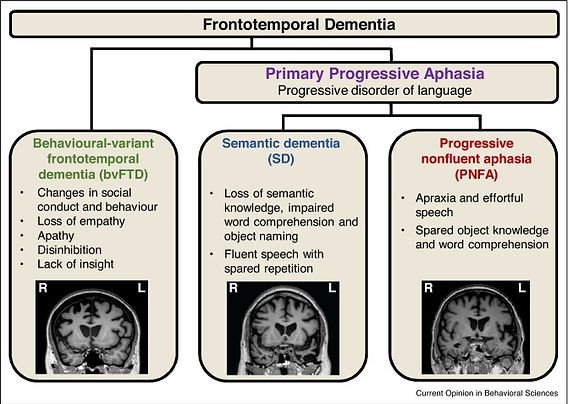
Frontotemporal dementia refers to a group of brain disorders caused by the progressive degeneration of the frontal and temporal lobes of the brain. These areas are crucial for controlling emotions, behavior, and language. Thus, when they deteriorate, you might notice significant changes in your loved one’s personality and behavior. It’s different from Alzheimer’s disease, usually characterized by memory loss and cognitive decline. Instead, FTD often manifests in behavioral changes and challenges with language first.
Just imagine waking up one day and experiencing an overwhelming shift in personality; that’s a glimpse into what individuals with FTD might face. As this brain disorder progresses, these individuals might struggle with day-to-day tasks and even interpersonal relationships. Recognizing this complex condition is the first step toward providing appropriate care and support.
Symptoms of Frontotemporal Dementia
Behavioral Changes
One of the predominant ways FTD manifests is through noticeable behavioral changes. You might notice that your loved one becomes increasingly apathetic or uninterested in activities they once enjoyed. They may also exhibit impulsive behaviors, acting without considering the consequences. This change in behavior can be challenging for family and friends, as the person you once knew begins to seem like a stranger.
Moreover, individuals with FTD might engage in socially inappropriate behavior or display a lack of empathy towards others. This loss of social awareness can be incredibly distressing both for the individual and their loved ones, leading to strained relationships and feelings of helplessness. It’s crucial to approach these changes with empathy; it’s not the person changing but rather the disease’s effect on them.
Language Difficulties
Another core symptom of FTD involves language difficulties. You may notice that your loved one starts having trouble communicating, whether that’s through speech, writing, or understanding language. This condition is often referred to as primary progressive aphasia (PPA), and it can manifest in several ways.
Individuals may struggle to find the right words or may substitute words inappropriately. They might also exhibit a diminished ability to comprehend language, leading to frustration for both them and those trying to communicate with them. As a caregiver or loved one, maintaining patience and seeking alternative communication strategies can be vital in both reducing frustration and fostering connection.
Emotional Changes
Emotional changes are also prevalent in those with frontotemporal dementia. You might find that your loved one experiences mood swings or becomes emotionally detached. This emotional volatility can lead to a sense of unpredictability, posing a challenge for caregivers and family members. Watching someone you care about struggle with profound emotional shifts can feel isolating and bewildering.
Additionally, some individuals may become overly emotional, frequently crying or displaying anger without clear provocation. Others may become eerily flat, showing little to no emotional response at all. In understanding these emotional changes, you can better navigate your relationship and provide the needed support.

Progression of Frontotemporal Dementia
Frontotemporal dementia progresses at different rates for each individual, which can make predicting the course of the disease a bit tricky. Generally, the progression can be divided into stages, from mild symptoms that are perhaps more easily overlooked to more severe cases where the individual may lose significant communicative abilities and require full-time care.
Early Stages
In the early stages, symptoms might be subtle. You may notice slight changes in personality or behavior, perhaps dismissing them as stress or other factors. People may show a lack of motivation and become socially withdrawn. These early signs can be vague and easy to attribute to other causes, which might lead you to feel uncertain about seeking expert help.
Middle Stages
As FTD progresses into the middle stages, the symptoms often become more pronounced. Changes in behavior and language become harder to ignore, and the individual may require more assistance with daily tasks. Accepting that someone you care about is experiencing cognitive decline is a profoundly challenging emotional transition. During these times, compassion, understanding, and patience are paramount, as you can become their lifeline.
Late Stages
In the later stages, individuals with frontotemporal dementia may require around-the-clock care. They might lose the ability to communicate verbally and may not recognize even close family members. Providing care during this time can be heart-wrenching, as you remember the person they once were. It’s essential to focus on maintaining dignity and comfort during this period, ensuring that they feel loved even when connections seem diminished.
Diagnosing Frontotemporal Dementia
Understanding Diagnostic Procedures
If you suspect that your loved one is exhibiting symptoms of frontotemporal dementia, it’s essential to consult a healthcare professional for an accurate diagnosis. Diagnosing FTD often involves several steps, including a thorough medical history, physical exams, and cognitive tests to assess memory, attention, and problem-solving skills.
Brain imaging techniques, such as MRI or CT scans, may also be employed to evaluate changes in brain structure associated with FTD. These images can help reveal any significant atrophy in the frontal and temporal lobes, which are indicative of the disease.
Receiving a diagnosis can be overwhelming and emotional. You may feel relief knowing the cause of the symptoms, but it can also bring an array of feelings associated with the prognosis, progression, and future care needs. Finding a solid support network, whether it be family, friends, or support groups, can be invaluable during this time.
Additional Evaluations
In some cases, genetic testing may also be recommended, particularly if there is a family history of frontotemporal dementia or related disorders. Understanding the underlying causes can be beneficial not just for your loved one but also for other family members who might be at risk.
Being involved in these diagnostic evaluations can empower you with knowledge, enabling you to better advocate for your loved one’s care and support as the journey continues.

Treatment for Frontotemporal Dementia
Currently, there is no cure for frontotemporal dementia, but various approaches exist to manage symptoms and improve quality of life. Understanding the available treatment options can help you support your loved one more effectively as the disease progresses.
Medication Management
While some medications are employed to treat certain symptoms of frontotemporal dementia, such as mood swings or depression, their efficacy can vary from person to person. Common prescriptions include antidepressants and antipsychotic medications. It’s crucial to communicate with medical professionals about any observed changes in behavior, as these adjustments can help tailor the medication regimen to fit your loved one’s needs.
Monitoring potential side effects is also vital, as reactions to medications can profoundly impact their daily life and comfort. Maintaining open lines of communication with healthcare professionals can facilitate better management of the treatment process.
Behavioral Therapies
Engaging in behavioral therapies can significantly assist individuals with FTD. You might consider working with a psychologist or therapist who specializes in neurodegenerative diseases. These therapies often focus on strategies to improve communication skills and manage behavioral changes effectively. Occupational and speech therapy can also provide additional support, allowing individuals to retain some sense of their skills and identities despite cognitive decline.
Sensory stimulation, tailored activities, and games that tap into residual skills can make a notable difference in daily interactions. Finding joy and engagement, even in small doses, is essential.
Creating a Supportive Environment
Creating a supportive and understanding environment can significantly affect your loved one’s quality of life. This environment promotes connections, reduces confusion, and offers reassurance. Simple changes, like maintaining a familiar routine and providing clear, easy-to-understand communication, can facilitate smoother interactions and emotional comfort.
Providing ample social engagement opportunities is vital, too, ensuring that your loved one interacts with friends and family in manageable settings. This connection can reduce feelings of isolation, which can be rampant in dementia-related conditions.
Supporting Caregivers
Caring for someone with frontotemporal dementia can be an emotional rollercoaster, so it’s essential to prioritize not only your loved one’s needs but also your own. Caregiving can lead to stress, anxiety, and burnout if not appropriately managed. Taking care of yourself can make you a better caregiver.
Seek Support
Establish a support network and lean on family, friends, or even professional counselors as needed. Joining a caregiver support group can be therapeutic, allowing you to share experiences, frustrations, and coping strategies, helping you feel less alone in your journey. Organizations such as the Alzheimer’s Association may offer resources tailored to those dealing with FTD.
Self-Care Is Crucial
Make time for self-care and allow yourself to step away when necessary. Engage in hobbies that bring you joy, exercise, and maintain social connections outside of your caregiving responsibilities. Prioritizing your own well-being will enable you to provide better support to your loved one.
Learning and Awareness
Educate yourself about frontotemporal dementia and stay informed regarding research and new treatment options. Knowledge is empowering; it can shape how you approach caregiving and enhance your understanding of what your loved one is experiencing.
Conclusion
Understanding frontotemporal dementia—its symptoms, progression, and treatment options—is a significant step toward navigating the complexities of this condition. While it can be a harrowing journey filled with emotions and challenges, your compassion and commitment can profoundly impact the lives of your loved ones. Remember that you are not alone, and support is available.
Through education, patience, and understanding, you can help your loved one maintain dignity and connection even as FTD progresses. Embrace the moments of joy where you can find them, and remember to tend to your well-being as you support your loved one through this journey.
If you found this article helpful or enlightening, please clap for it, leave a comment with your thoughts, and subscribe to my Medium newsletter for ongoing updates. Your engagement enables me to continue sharing important perspectives and knowledge on critical topics like frontotemporal dementia. Thank you for taking the time to read!