
If you’ve ever felt sluggish, gained weight without reason, or struggled with fatigue, you may have wondered what could be causing these symptoms. Look no further than hypothyroidism, a condition that affects millions of people worldwide. In this article, we’ll examine the causes, symptoms, and treatment options for hypothyroidism, shedding light on this often misunderstood condition. So, if you’ve been seeking answers and a plan to regain your energy and vitality, read on to discover the ins and outs of hypothyroidism.
Causes of Hypothyroidism
Autoimmune diseases
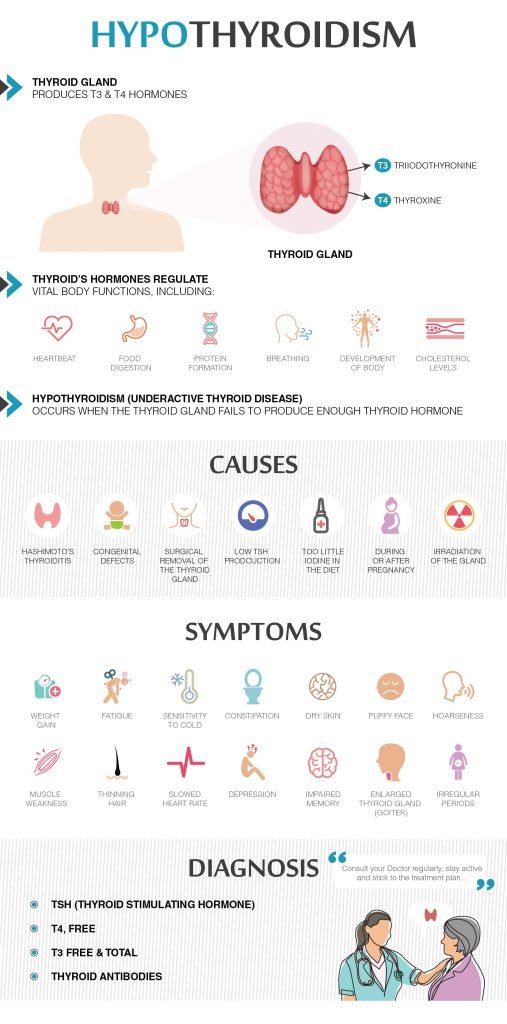
One of the main causes of hypothyroidism is autoimmune diseases, such as Hashimoto’s thyroiditis. In this condition, the immune system mistakenly attacks the thyroid gland, leading to inflammation and damage. Over time, this can cause a decrease in thyroid hormone production, resulting in hypothyroidism.
Thyroid surgery
Another cause of hypothyroidism is the removal of the thyroid gland through surgery. This may be done as a treatment for thyroid cancer, nodules, or an overactive thyroid. However, removing the entire thyroid gland will result in the need for lifelong thyroid hormone replacement therapy to maintain normal hormone levels.
Radiation therapy
Radiation therapy, especially when directed at the head and neck area, can damage the thyroid gland. This can lead to a decrease in thyroid hormone synthesis and subsequently hypothyroidism. It is important for individuals receiving radiation therapy to be closely monitored for any changes in thyroid function.
Medications
Certain medications can interfere with thyroid hormone production or absorption, leading to hypothyroidism. Examples of medications that can cause hypothyroidism include lithium, amiodarone, and some medications used to treat cancer. If you are taking any medications, it is important to discuss potential side effects with your healthcare provider.
Congenital hypothyroidism
Congenital hypothyroidism refers to hypothyroidism that is present from birth. This can occur due to problems with the development of the thyroid gland or an inherited condition. It is crucial to diagnose and treat congenital hypothyroidism as early as possible to prevent developmental and growth delays.
Pituitary gland dysfunction
The pituitary gland, located at the base of the brain, produces a hormone called thyroid-stimulating hormone (TSH) that stimulates the thyroid gland. If there is a dysfunction in the pituitary gland, it may not produce enough TSH, leading to a decrease in thyroid hormone production and hypothyroidism.
Iodine deficiency
Iodine is an essential mineral needed for the production of thyroid hormones. If your diet lacks sufficient iodine, the thyroid gland cannot produce enough hormones, resulting in hypothyroidism. Iodine deficiency is more common in certain regions where the soil and diet are low in iodine.
Certain medical conditions
Certain medical conditions, such as chronic inflammation of the thyroid gland (thyroiditis) or certain types of cancer, can lead to hypothyroidism. These conditions can cause damage to the thyroid gland or disrupt its normal functioning.
Genetic factors
Some individuals may be genetically predisposed to developing hypothyroidism. If you have a family history of thyroid disorders, it is important to be aware of the potential risks and discuss screening and monitoring with your healthcare provider.
Age and gender
Hypothyroidism becomes more common with age, particularly in women. Women over the age of 60 are at a higher risk of developing hypothyroidism. Gender also plays a role, as women are more likely to develop autoimmune thyroid diseases, which can lead to hypothyroidism.
Symptoms of Hypothyroidism
Fatigue and weakness
Feeling persistently tired and having a lack of energy are common symptoms of hypothyroidism. The body’s metabolism slows down when there is a decrease in thyroid hormone production, resulting in ongoing fatigue and weakness.
Weight gain
Unexplained weight gain, even with reduced appetite or calorie intake, can be a symptom of hypothyroidism. The slowed metabolism caused by the thyroid hormone deficiency can lead to difficulty in losing weight or even weight gain.
Depression and mood swings
Hypothyroidism can impact your mental health, leading to feelings of depression, irritability, and mood swings. Thyroid hormones play a crucial role in regulating neurotransmitters that affect mood, and when these hormones are imbalanced, it can result in emotional changes.
Cold intolerance
Many individuals with hypothyroidism have a decreased tolerance to cold temperatures. This is due to the slowed metabolism, which affects the body’s ability to regulate body temperature. Feeling excessively cold or having cold hands and feet are common symptoms.
Muscle aches and stiffness
Muscle aches and stiffness are common symptoms of hypothyroidism. The decrease in thyroid hormone levels can affect muscle metabolism and lead to muscle pain, cramps, and stiffness. These symptoms are often more pronounced after physical exertion or prolonged periods of inactivity.
Dry skin and hair
Hypothyroidism can cause the skin to become dry, rough, and itchy. Hair may also become dry, brittle, and prone to thinning or falling out. The decreased metabolism affects the skin’s ability to retain moisture and produce natural oils.
Brittle nails
Nails can become weak, brittle, and prone to breaking in individuals with hypothyroidism. The slowed metabolism affects nail growth and strength, leading to a change in the appearance and texture of the nails.
Constipation
Digestive issues, such as constipation, can be a symptom of hypothyroidism. The decreased thyroid hormone levels slow down the movement of food through the digestive system, resulting in difficulty in passing stools.
Irregular or heavy menstrual periods
Hormonal imbalances caused by hypothyroidism can disrupt the menstrual cycle. Women may experience irregular periods, heavier menstrual flow, or longer durations of menstruation. This can also contribute to fertility issues in some cases.
Memory problems and difficulty concentrating
Hypothyroidism can affect cognitive function, leading to memory problems, difficulty concentrating, and brain fog. The decreased thyroid hormone levels can impact brain function and affect memory, focus, and overall mental clarity.

Diagnosis of Hypothyroidism
Physical examination
During a physical examination, the healthcare provider may look for physical signs of hypothyroidism, such as dry skin, brittle nails, hair thinning, and puffiness around the eyes and face. The examination may also include checking for any enlargement of the thyroid gland (goiter).
Thyroid function tests
Thyroid function tests are blood tests that measure the levels of thyroid-stimulating hormone (TSH) and thyroid hormones (T4 and T3) in the blood. Elevated TSH levels and decreased T4 levels can indicate hypothyroidism. These tests help to determine how well the thyroid gland is functioning.
TSH (Thyroid-stimulating hormone) test
The TSH test is the most common test used to diagnose hypothyroidism. It measures the level of TSH, which is produced by the pituitary gland to stimulate the thyroid gland. Elevated TSH levels suggest that the thyroid gland is not producing enough thyroid hormones.
T4 (Thyroxine) and T3 (Triiodothyronine) tests
T4 and T3 tests measure the levels of thyroid hormones in the blood. Low levels of T4 and T3 can indicate hypothyroidism. However, it is important to note that T3 levels may still be within the normal range even in the presence of hypothyroidism.
Antibody tests
Antibody tests help determine if the cause of hypothyroidism is autoimmune. Elevated levels of thyroid peroxidase (TPO) antibodies or thyroglobulin antibodies indicate autoimmune thyroid disease, such as Hashimoto’s thyroiditis.
Ultrasound
Ultrasound imaging of the thyroid gland may be performed to assess its size, structure, and the presence of any nodules or abnormalities. This imaging technique can help determine the underlying cause of hypothyroidism, such as thyroiditis or goiter.
Biopsy
In some cases, a biopsy may be recommended to obtain a tissue sample from the thyroid gland for further analysis. This procedure can help diagnose certain conditions, such as thyroid cancer or thyroiditis, which may cause hypothyroidism.
Types of Hypothyroidism
Primary hypothyroidism
Primary hypothyroidism refers to a condition where the thyroid gland itself is unable to produce enough thyroid hormones. It is the most common type of hypothyroidism and is often caused by autoimmune diseases or thyroid surgery.
Central hypothyroidism
Central hypothyroidism occurs when there is a problem with the pituitary gland or hypothalamus, leading to a decrease in the production of thyroid-stimulating hormone (TSH). Without sufficient TSH, the thyroid gland cannot produce adequate thyroid hormones.
Subclinical hypothyroidism
Subclinical hypothyroidism is a milder form of hypothyroidism where the TSH levels are slightly elevated, but the person may not exhibit any significant symptoms. It is important to monitor individuals with subclinical hypothyroidism as it may progress to overt hypothyroidism over time.

Complications of Hypothyroidism
Heart problems
Untreated or poorly controlled hypothyroidism can increase the risk of developing heart problems, such as high blood pressure, elevated cholesterol levels, and an increased risk of heart disease. It is important to diagnose and manage hypothyroidism to reduce these risks.
Mental health issues
Hypothyroidism can impact mental health and increase the risk of developing conditions such as depression, anxiety, and cognitive impairment. Treating hypothyroidism can help improve these mental health symptoms.
Infertility and pregnancy complications
Untreated hypothyroidism can contribute to fertility issues in both men and women. In women, it can also increase the risk of miscarriage, preterm birth, and other pregnancy complications. It is crucial for individuals planning to conceive or who are pregnant to have their thyroid levels monitored and managed.
Myxedema
Myxedema is a rare and life-threatening complication of severe hypothyroidism. It is characterized by symptoms such as extreme fatigue, low body temperature, swelling (particularly in the face, hands, and feet), and altered mental status. Myxedema requires immediate medical attention.
Goiter
In some cases of hypothyroidism, the thyroid gland may enlarge and develop into a goiter. A goiter is a visible or palpable enlargement of the thyroid gland. It can cause discomfort, difficulty swallowing, and changes in the appearance of the neck.
Treatment Options for Hypothyroidism
Thyroid hormone replacement therapy
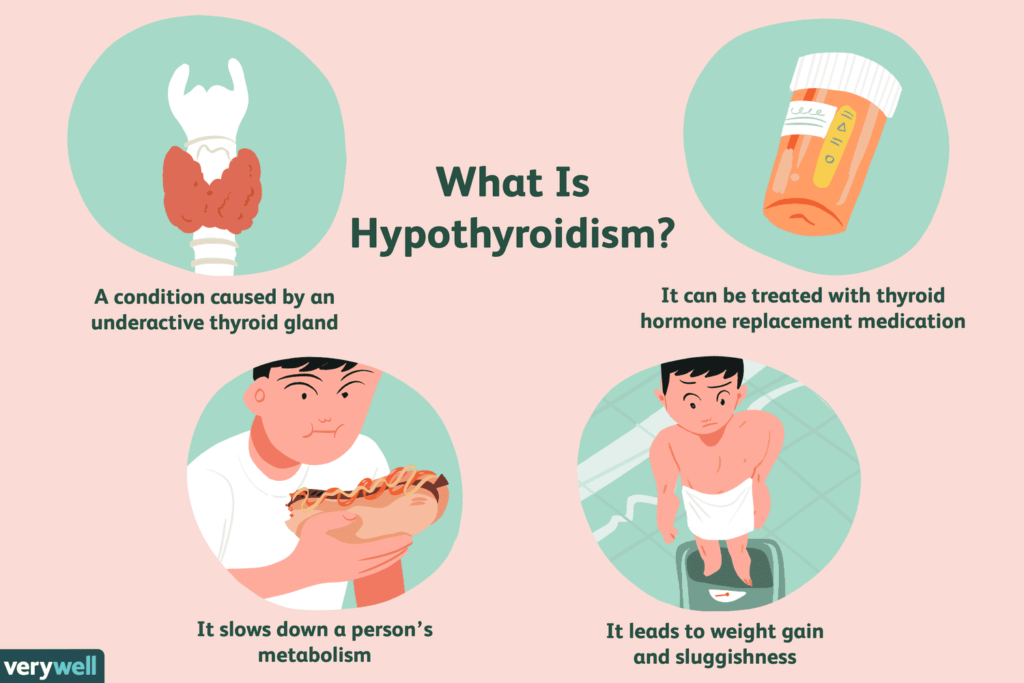
The standard treatment for hypothyroidism is thyroid hormone replacement therapy. Synthetic thyroid hormones, such as levothyroxine, are prescribed to supplement the body’s natural hormone production. This helps to restore thyroid hormone levels and alleviate symptoms.
Levothyroxine
Levothyroxine, a synthetic form of the thyroid hormone T4, is the most commonly prescribed medication for hypothyroidism. It is taken orally and needs to be taken consistently and regularly to maintain stable hormone levels.
Liothyronine
Liothyronine, another synthetic thyroid hormone, is less commonly prescribed. It contains the active form of thyroid hormone T3 and may be used in certain cases where T4 alone is insufficient. Liothyronine is usually prescribed in combination with levothyroxine.
Natural desiccated thyroid
Some individuals may opt for natural desiccated thyroid (NDT) medication, which is derived from animal thyroid glands. NDT contains both T4 and T3 hormones, similar to the human thyroid gland. It may be suitable for individuals who prefer a more natural approach to treatment.
Dietary changes
While there are no specific dietary changes that can cure hypothyroidism, maintaining a balanced and nutritious diet is important to support overall thyroid health and general well-being. Including foods rich in iodine, selenium, and zinc may be beneficial for thyroid function.
Iodine supplementation
In cases of hypothyroidism caused by iodine deficiency, iodine supplementation may be necessary. It is important to consult with a healthcare provider before starting any iodine supplementation to ensure appropriate dosage and monitoring.
Lifestyle modifications
Managing hypothyroidism may require certain lifestyle modifications. This can include stress management techniques, regular exercise, adequate sleep, and avoiding exposure to environmental toxins that can affect thyroid function.
Regular exercise
Regular exercise, such as walking, swimming, or yoga, can help improve metabolism, energy levels, and overall well-being in individuals with hypothyroidism. It is important to start with low-impact exercises and gradually increase intensity based on individual capabilities.
Stress management
Chronic stress can impact thyroid function and exacerbate symptoms of hypothyroidism. Incorporating stress management techniques, such as meditation, deep breathing exercises, or engaging in hobbies, can help reduce stress levels and support overall health.
Avoiding certain foods
In some cases, individuals with hypothyroidism may need to avoid certain foods that can interfere with thyroid hormone absorption or exacerbate symptoms. These may include foods high in goitrogens, such as cruciferous vegetables, and soy-based products. However, it is important to consult with a healthcare provider before making any significant dietary changes.
Managing Hypothyroidism during Pregnancy
Importance of thyroid hormone levels during pregnancy
Thyroid hormone levels are crucial during pregnancy for both the mother’s health and the developing baby. Untreated or poorly managed hypothyroidism during pregnancy can pose risks to the baby’s growth, brain development, and overall health.
Risks of untreated hypothyroidism
Untreated hypothyroidism during pregnancy increases the risk of complications, such as preeclampsia, miscarriage, gestational hypertension, preterm birth, and low birth weight. It is important for pregnant individuals with hypothyroidism to have their thyroid levels monitored and medication dosage adjusted as needed.
Adjusting medication dosage
During pregnancy, thyroid hormone requirements may change. Regular monitoring of thyroid hormone levels is necessary to ensure optimal hormone levels. Medication dosage may need to be adjusted to maintain stable thyroid function throughout pregnancy.
Regular monitoring
Pregnant individuals with hypothyroidism need regular monitoring of their thyroid hormone levels to ensure hormone levels are within the normal range. Frequent prenatal visits and blood tests may be required to assess thyroid function and adjust medication dosage accordingly.
Postpartum considerations
After giving birth, thyroid hormone levels may fluctuate, and some individuals may experience postpartum thyroiditis, which can temporarily cause hyperthyroidism followed by hypothyroidism. Postpartum monitoring and follow-up are important to ensure proper management and adjustment of medication dosage.
Alternative Therapies for Hypothyroidism
Dietary supplements
Some individuals may consider dietary supplements to support thyroid health. However, it is important to consult with a healthcare provider before starting any supplements, as high doses of certain nutrients can interfere with thyroid hormone synthesis or interact with medications.
Acupuncture
Acupuncture, a traditional Chinese medicine practice, involves the insertion of thin needles into specific points on the body to restore balance and promote healing. Some individuals with hypothyroidism may find acupuncture helpful for managing certain symptoms, such as fatigue, muscle aches, and mood swings.
Herbal remedies
Certain herbal remedies, such as ashwagandha, guggul, and bladderwrack, are believed to support thyroid function and alleviate hypothyroidism symptoms. However, it is important to consult with a healthcare provider or herbalist before using any herbal remedies, as they may interact with medications and have potential side effects.
Mind-body practices
Mind-body practices, such as meditation, yoga, and relaxation techniques, can help promote overall well-being and reduce stress, which may indirectly benefit individuals with hypothyroidism. These practices can help support mental health and improve thyroid function by reducing stress hormone levels.
Prevention and Outlook for Hypothyroidism
Maintaining a healthy lifestyle
Maintaining a healthy lifestyle that includes regular exercise, a balanced diet, stress management techniques, and adequate sleep can help support thyroid health. Avoiding exposure to toxins and maintaining a healthy weight may also reduce the risk of developing hypothyroidism.
Regular thyroid check-ups
Regular check-ups and monitoring of thyroid function, especially in individuals with risk factors for hypothyroidism, can help detect any abnormalities early on and prevent complications. This is particularly important for women over the age of 60 and individuals with a family history of thyroid disorders.
Understanding risk factors
Understanding the risk factors for hypothyroidism, such as autoimmune diseases, iodine deficiency, and genetic factors, can help individuals take proactive steps to prevent or manage the condition. Being aware of personal risk factors can facilitate early detection and prompt treatment if necessary.
Long-term outlook
With proper diagnosis, treatment, and management, individuals with hypothyroidism can lead normal and healthy lives. It is important to take medications as prescribed, undergo regular check-ups, maintain a balanced lifestyle, and seek medical advice when necessary to ensure optimal thyroid health and overall well-being.