
Have you ever wondered about the potential causes of infertility and how it can be diagnosed and treated? In this article, we will explore the various factors that can contribute to infertility, from medical conditions to lifestyle choices. We will also take a closer look at the diagnostic methods used to identify the underlying causes and the range of treatments that are available to help individuals and couples overcome infertility challenges. Whether you are personally grappling with infertility or simply seeking to expand your knowledge on the subject, this article aims to provide a comprehensive understanding of infertility and its related aspects.

Understanding Infertility
Infertility is a complex issue that affects many couples around the world. If you and your partner are facing challenges when trying to conceive, it’s important to understand the potential causes, diagnostic tests, and available treatments for infertility. By gaining a deeper understanding of this topic, you can make informed decisions about your fertility journey and find the support and solutions you need.

Causes of Infertility
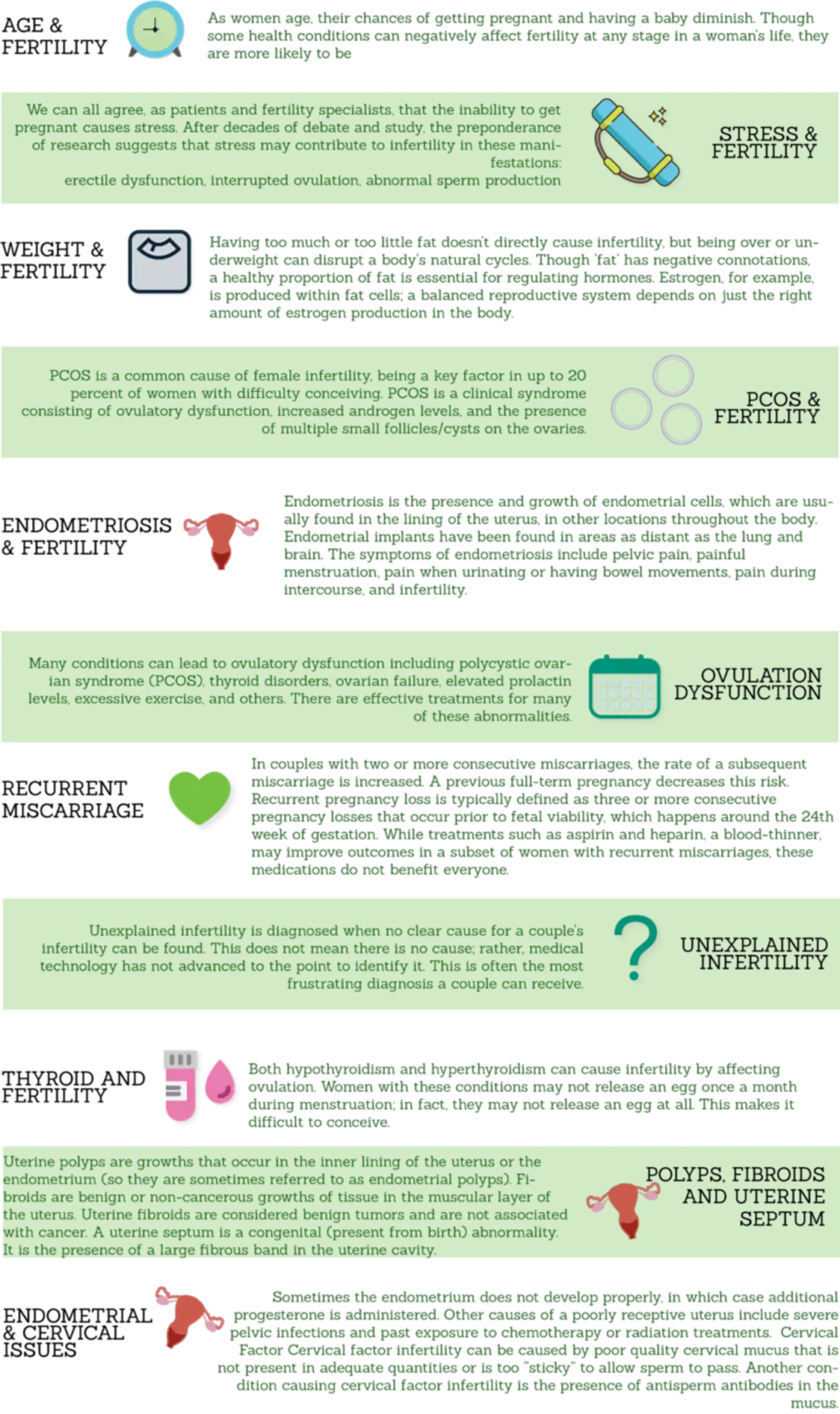
When it comes to infertility, the causes can vary for each individual or couple. It’s important to recognize that infertility is not solely a female problem; male factors also play a significant role. Let’s explore some of the possible causes of infertility.
Male Factors
Infertility in men can be caused by various factors, including abnormal sperm production, blockage or damage to the reproductive system, and ejaculation issues. Abnormal sperm production may result in low sperm count, poor sperm motility, or abnormal sperm morphology. Blockages or damage to the reproductive system can hinder the transport of sperm. Ejaculation issues, such as retrograde ejaculation or premature ejaculation, can also contribute to male infertility.
Female Factors
Female factors can also contribute to infertility. Ovulation disorders, such as polycystic ovary syndrome (PCOS) or hormonal imbalances, can prevent the release of mature eggs. Fallopian tube blockage can impede the journey of the egg to the uterus for fertilization. Endometriosis, a condition where the tissue lining the uterus grows outside of it, can affect fertility. Uterine abnormalities, such as fibroids or polyps, can also interfere with successful conception.
Combined Factors
In some cases, both male and female factors can contribute to infertility. Age is a common factor that affects both genders, as fertility declines with age. Lifestyle factors, including smoking, excessive alcohol consumption, poor diet, and obesity, can also impact fertility for both partners. Couples’ compatibility, including the presence of certain antibodies in the reproductive system that may hinder fertilization, can also be a combined factor. Additionally, genetic disorders that affect fertility can be present in both partners.
Diagnostic Tests for Infertility
When you and your partner are experiencing difficulties conceiving, it’s crucial to undergo diagnostic tests to identify the underlying causes of infertility. Understanding the diagnostic process can help you and your healthcare provider develop an appropriate treatment plan. Here are some common diagnostic tests for infertility.
Physical Examination
A physical examination is typically the first step in diagnosing infertility. Your healthcare provider will assess your overall health and reproductive organs. They may examine your sexual characteristics, breasts, and genitals. By performing a physical examination, your healthcare provider can look for any visible abnormalities or signs that may indicate potential causes of infertility.
Hormone Level Testing
Hormone level testing is crucial in evaluating fertility in both men and women. Blood tests can measure hormone levels associated with fertility, such as estradiol, progesterone, follicle-stimulating hormone (FSH), luteinizing hormone (LH), and testosterone. Abnormal hormone levels can provide insights into ovulation disorders, polycystic ovary syndrome (PCOS), or hormonal imbalances that may be affecting fertility.
Imaging Tests
Imaging tests, such as ultrasound or hysterosalpingography (HSG), can provide a visual assessment of the reproductive organs. Ultrasound can detect any abnormalities in the uterus, ovaries, or fallopian tubes. HSG involves injecting a dye into the uterus and fallopian tubes to identify any blockages or structural abnormalities.
Genetic Testing
Genetic testing may be recommended to identify any inherited genetic disorders that may impact fertility. This testing can identify genetic mutations or chromosomal abnormalities that can affect reproductive health. Genetic testing is particularly important for couples with a family history of genetic disorders or individuals with known genetic conditions.
Semen Analysis
For men, semen analysis is a crucial diagnostic test to evaluate sperm health and quality. Semen analysis measures the sperm count, motility, and morphology. Abnormal results may indicate issues with sperm production or function that can contribute to infertility.
Ovulation Tracking
Ovulation tracking involves monitoring the menstrual cycle to determine when ovulation occurs. This can be done through various methods, such as tracking basal body temperature, monitoring changes in cervical mucus, or using ovulation predictor kits. Ovulation tracking helps determine if ovulation is occurring regularly and can help pinpoint the most fertile days for conception.
Laparoscopy
Laparoscopy is a surgical procedure that allows for a direct visualization of the reproductive organs. It is typically performed under general anesthesia. During laparoscopy, a thin, lighted tube called a laparoscope is inserted through a small incision to examine the uterus, fallopian tubes, and ovaries. It can help identify conditions like endometriosis, pelvic adhesions, or tubal blockages that may contribute to infertility.

Available Treatments for Infertility
When it comes to treating infertility, there are several available options, depending on the underlying causes and individual circumstances. It’s essential to work closely with your healthcare provider to determine the most suitable course of treatment. Here are some common treatments for infertility.
Assisted Reproductive Technologies (ART)
Assisted Reproductive Technologies (ART) are advanced fertility treatments that involve the manipulation of eggs, sperm, or embryos outside of the body. In vitro fertilization (IVF), intracytoplasmic sperm injection (ICSI), preimplantation genetic testing (PGT), cryopreservation of embryos, and third-party reproduction are all examples of ART. These techniques offer hope to couples experiencing difficulties conceiving and have been successful in helping many achieve pregnancy.
Intrauterine Insemination (IUI)
Intrauterine insemination (IUI) is a treatment that involves placing sperm directly into the uterus to increase the chances of fertilization. Before the procedure, the sperm is prepared and washed to select the most motile and healthy ones. IUI is less invasive and less expensive compared to ART, making it a popular option for couples facing certain fertility challenges.
In Vitro Fertilization (IVF)
In vitro fertilization (IVF) is a widely known and successful fertility treatment. It involves the retrieval of eggs from the ovaries, fertilizing them with sperm in a laboratory dish, and transferring the resulting embryos into the uterus. IVF can be a suitable option for couples with various infertility factors, including blocked fallopian tubes, endometriosis, or severe male factor infertility.
Gamete Intrafallopian Transfer (GIFT)
Gamete intrafallopian transfer (GIFT) is a technique where eggs and sperm are collected and transferred into the fallopian tubes during laparoscopy. Fertilization occurs naturally within the fallopian tubes, allowing for a more natural conception process. GIFT is less commonly performed nowadays due to the success rates of other ART procedures like IVF.
Zygote Intrafallopian Transfer (ZIFT)
Zygote intrafallopian transfer (ZIFT) is a variation of GIFT that involves transferring the fertilized egg (zygote) into the fallopian tubes. Similar to GIFT, this technique allows for fertilization to occur within the body. ZIFT can be beneficial for couples with specific infertility factors that make it difficult for fertilization to occur naturally in the uterus.
Egg or Sperm Donation
Egg or sperm donation is an option for couples when one partner may have issues with egg or sperm production. Donated eggs and sperm can be used for fertilization through IVF or other ART procedures. This option allows couples to experience pregnancy and parenthood despite certain fertility challenges.
Surrogacy
Surrogacy is a process where a woman carries and gives birth to a baby on behalf of another individual or couple. In cases where a woman is unable to carry a pregnancy due to medical reasons, surrogacy provides an alternative solution. The surrogate mother’s eggs or donated embryos can be used to achieve pregnancy through IVF before transferring them to the surrogate’s uterus.
Adoption
Adoption is a beautiful way to build a family when experiencing infertility. There are various adoption options, including domestic adoption and international adoption. Domestic adoption involves adopting a child within the same country, while international adoption involves adopting a child from another country. The decision between open or closed adoption depends on the preferences and comfort of the adoptive parents and birth parents involved. It’s essential to consider legal considerations and work with reputable adoption agencies to ensure a smooth and ethical adoption process.

Conclusion
Infertility can be a challenging and emotional journey for individuals and couples. By understanding the causes, undergoing diagnostic tests, and exploring available treatments, you can take proactive steps towards achieving your dreams of parenthood. Remember, you are not alone, and there is support and hope available to guide you through this process. Whether you choose medical interventions, alternative fertility options, or adoption, the ultimate goal is to create a loving and nurturing family environment that is right for you.