
So you want to know more about kidney disease? Well, you’re in the right place! In this article, we will explore the ins and outs of kidney disease, giving you a deeper understanding of this common but often misunderstood condition. From its causes and symptoms to available treatments and preventive measures, we’ve got you covered. Whether you’re personally affected by kidney disease or simply curious about it, get ready to broaden your knowledge on this important topic. Let’s dive in!

Overview of Kidney Disease
Definition of Kidney Disease
Kidney disease, also known as renal disease, refers to the impairment of the kidneys’ ability to effectively filter waste products and excess fluids from the blood. This can result in the accumulation of harmful substances in the body, leading to various health complications. Kidney disease can range from mild to severe and can have a significant impact on an individual’s overall health and well-being.
Types of Kidney Disease
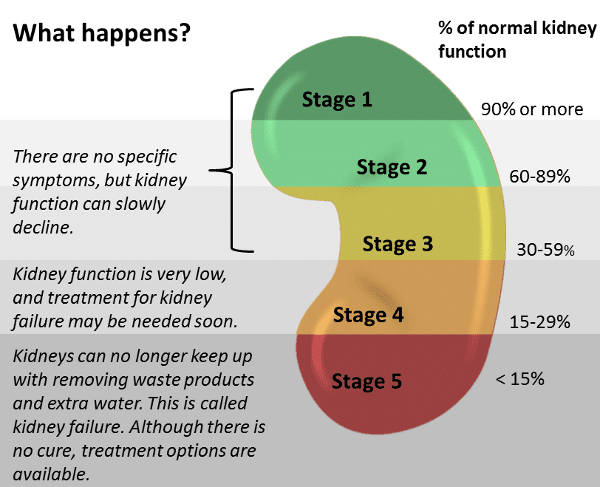
There are different types of kidney disease, each with its own causes and effects. The two most common types are acute kidney disease and chronic kidney disease (CKD). Acute kidney disease typically occurs suddenly and is often reversible with proper medical intervention. On the other hand, chronic kidney disease is a long-term condition that gradually worsens over time and may eventually lead to kidney failure.
Prevalence and Statistics
Kidney disease is a global health issue affecting millions of people worldwide. According to the National Kidney Foundation, approximately 10% of the world’s population is affected by chronic kidney disease. In the United States alone, it is estimated that over 37 million adults have chronic kidney disease, with millions more at risk. These statistics highlight the significance of this condition and the need for increased awareness and prevention efforts.
Causes and Risk Factors
Common Causes of Kidney Disease
Kidney disease can have various causes, including diabetes, high blood pressure, and infections. Diabetes is a leading cause of kidney disease and occurs when the body’s ability to regulate blood sugar levels is impaired, leading to damage to the blood vessels in the kidneys. High blood pressure can also damage the blood vessels in the kidneys, reducing their efficiency over time. Infections, such as urinary tract infections or kidney infections, can also lead to kidney damage if left untreated.
Risk Factors for Kidney Disease
Several factors can increase an individual’s risk of developing kidney disease. Some of these risk factors include a family history of kidney disease, being over the age of 60, obesity, smoking, and certain medical conditions such as autoimmune disorders. It is important for individuals with these risk factors to be aware of their increased susceptibility to kidney disease and take preventive measures to protect their kidney health.
Genetic and Hereditary Factors
In some cases, kidney disease can be caused by genetic or hereditary factors. Certain inherited conditions, such as polycystic kidney disease and Alport syndrome, can lead to kidney dysfunction and disease. Individuals with a family history of these conditions should be vigilant about monitoring their kidney health and consult with healthcare professionals for appropriate screening and management strategies.
Symptoms and Signs
Early Symptoms of Kidney Disease
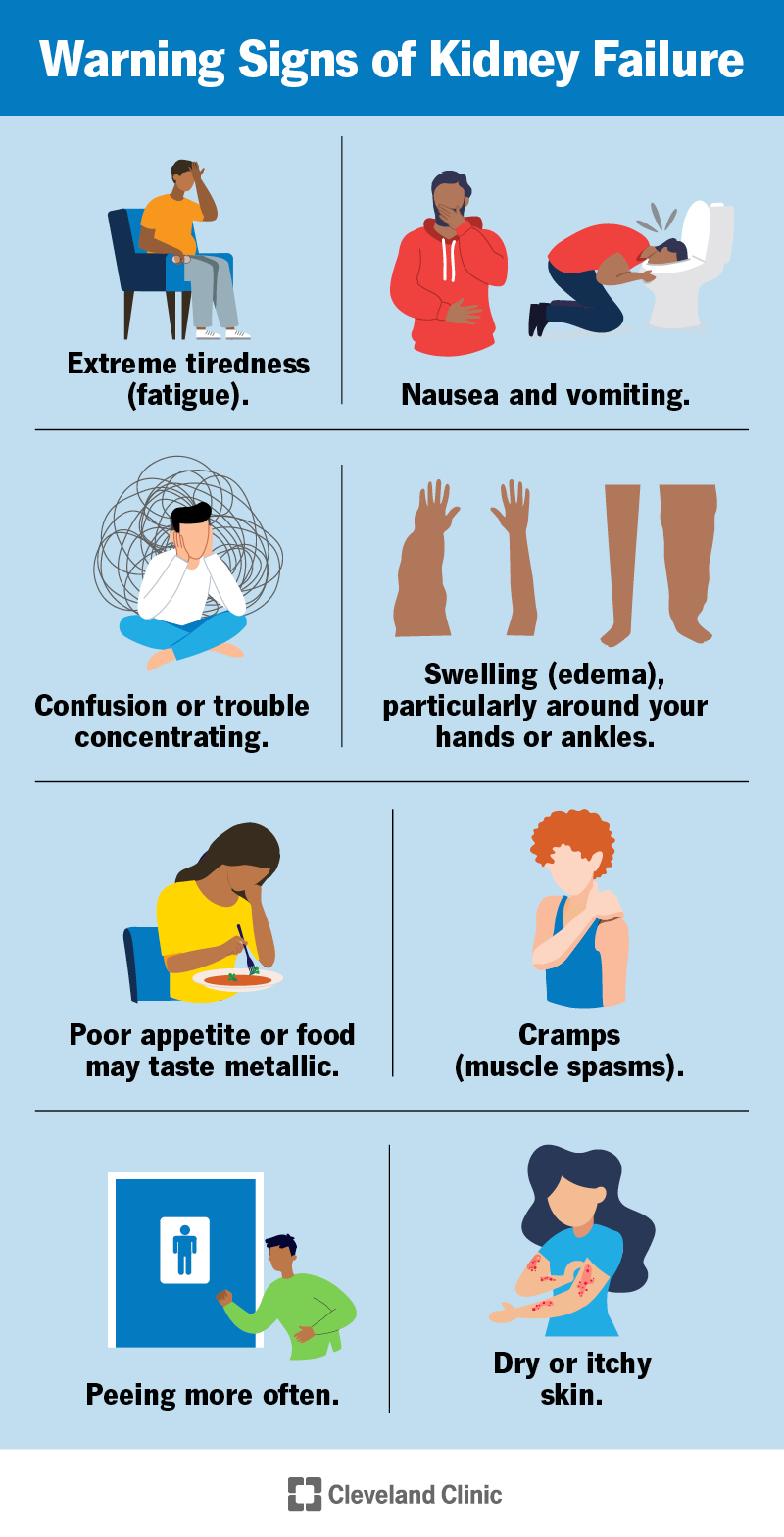
In the early stages, kidney disease may not present noticeable symptoms. However, there are some signs that individuals should be aware of, which may indicate the presence of kidney disease. These early symptoms can include fatigue, decreased urine output, swollen ankles or feet, and difficulty concentrating. It is important to recognize these signs and seek medical attention promptly to prevent the progression of kidney disease.
Advanced Symptoms of Kidney Disease
As kidney disease progresses, more severe symptoms may manifest. These can include persistent itching, muscle cramps, nausea, vomiting, weight loss, and changes in urine color or frequency. The body’s ability to maintain proper fluid balance is compromised, leading to fluid retention and swelling in the legs, hands, and face. Advanced kidney disease may also result in anemia, bone loss, and weakened immune function.
Signs of Kidney Disease
Apart from the symptoms mentioned, there are certain signs that healthcare professionals look for when evaluating kidney function. These signs can include high blood pressure, abnormal levels of electrolytes in the blood, proteinuria (presence of excess protein in the urine), and elevated creatinine and blood urea nitrogen (BUN) levels. These indicators help healthcare providers diagnose and monitor the progression of kidney disease.
Diagnosis and Screening
Diagnostic Tests for Kidney Disease
To diagnose kidney disease, healthcare providers utilize various diagnostic tests. Blood tests are commonly used to measure the levels of creatinine, BUN, and electrolytes, which can indicate kidney function. Urine tests, such as a urinalysis, can detect the presence of protein or blood in the urine, indicating kidney damage. Additionally, imaging tests like ultrasounds, CT scans, or MRIs may be used to visualize the structure and function of the kidneys.
Screening Guidelines for Kidney Disease
Screening for kidney disease is essential, especially for individuals at higher risk, such as those with diabetes or high blood pressure. The American Kidney Fund recommends yearly screening for kidney disease by measuring creatinine levels in the blood, calculating the estimated glomerular filtration rate (eGFR), and assessing urine for proteinuria. Early detection and intervention can significantly slow down the progression of kidney disease.
Identifying Kidney Disease in Children
Kidney disease can also affect children, although it may present differently than in adults. Children may experience symptoms such as poor growth, delayed development, frequent urinary tract infections, and blood in the urine. Pediatricians can perform urine and blood tests to evaluate kidney function and identify any underlying kidney conditions. Regular check-ups and early detection are crucial for managing kidney disease in children.
Complications and Effects
Common Complications of Kidney Disease
Kidney disease can lead to various complications that affect different organs and systems within the body. These complications may include cardiovascular diseases, anemia, electrolyte imbalances, bone disorders, and compromised immune function. These additional health challenges can further impact an individual’s overall well-being and quality of life.
Impact on Overall Health and Well-being
The kidneys play a vital role in maintaining overall health and well-being. When they are compromised, the body’s ability to remove waste products and maintain proper fluid and electrolyte balance is compromised. This can lead to fatigue, weakness, decreased appetite, and an overall decline in physical and mental function. Managing kidney disease is crucial to prevent further deterioration of health and maintain a good quality of life.
Effect on Other Organs
Kidney disease can also have a significant impact on other organs in the body. The cardiovascular system is particularly vulnerable, as kidney dysfunction can increase the risk of high blood pressure, heart disease, and stroke. The kidneys and bones are also closely interconnected, and chronic kidney disease can lead to weakened bones and an increased risk of fractures. Timely management of kidney disease is necessary to prevent these complications and maintain optimal organ function.
Treatment Options
Medications for Kidney Disease
Medications play a crucial role in managing kidney disease and its associated complications. Depending on the underlying cause and symptoms, healthcare providers may prescribe medications to control high blood pressure, lower cholesterol levels, regulate blood sugar in diabetes, and treat anemia. Medications can also be prescribed to reduce proteinuria and slow down the progression of kidney disease.
Dietary Modifications
Diet plays a significant role in managing kidney disease. Healthcare professionals may recommend dietary modifications to help alleviate the strain on the kidneys and minimize the accumulation of waste products in the blood. This can involve reducing sodium intake, limiting protein and phosphorus consumption, and controlling fluid intake. Following a balanced and nutritious diet tailored to individual needs can support kidney function and overall health.
Dialysis
Dialysis is a life-sustaining treatment option for individuals with advanced kidney disease or kidney failure. It involves the use of a machine to filter waste products and excess fluids from the blood when the kidneys are no longer able to perform this function adequately. There are two main types of dialysis: hemodialysis, which utilizes an artificial kidney machine, and peritoneal dialysis, which involves using the lining of the abdominal cavity as a natural filter. Dialysis can significantly improve the quality of life for individuals with kidney disease.
Kidney Transplantation
Kidney transplantation is considered the most effective treatment option for end-stage kidney disease. It involves surgically replacing a failed kidney with a healthy kidney from a living or deceased donor. Transplantation offers the opportunity for individuals with kidney disease to regain their kidney function and live a relatively normal life. However, finding a suitable donor and managing the post-transplant period are crucial factors in the success of a kidney transplant.

Prevention and Management
Preventive Measures for Kidney Disease
Several preventive measures can help reduce the risk of developing kidney disease. Controlling blood sugar levels in diabetes, managing high blood pressure, maintaining a healthy weight, and avoiding tobacco use are essential steps. Regular exercise, a balanced diet, and staying hydrated can also contribute to kidney health. Additionally, early detection and treatment of urinary tract infections can help prevent kidney damage.
Lifestyle Changes to Manage Kidney Disease
For individuals already diagnosed with kidney disease, adopting certain lifestyle changes can help manage the condition and slow down its progression. Following a kidney-friendly diet, taking prescribed medications as directed, monitoring blood pressure regularly, and managing underlying conditions like diabetes are vital. Regular exercise, stress management techniques, and maintaining a healthy weight can further support kidney health.
Partnering with Healthcare Providers
Managing kidney disease requires a collaborative approach between individuals and their healthcare providers. It is important to engage in open communication with healthcare professionals, follow their recommendations, and attend regular check-ups to monitor kidney function. Partnering with a knowledgeable and supportive healthcare team can ensure appropriate treatment, ongoing management, and improved outcomes for individuals with kidney disease.
Support and Resources
Support Groups for Kidney Disease Patients
Living with kidney disease can be challenging, both emotionally and physically. Joining support groups specific to kidney disease can provide individuals with a platform to connect with others facing similar experiences. These groups offer emotional support, education, and valuable resources to help individuals navigate their journey with kidney disease. Local hospitals, community centers, and online platforms often host such support groups.
Educational Materials and Online Resources
There is a wealth of educational materials and online resources available to individuals seeking information about kidney disease. Websites like the National Kidney Foundation, American Kidney Fund, and Centers for Disease Control and Prevention offer comprehensive information on various aspects of kidney disease, including prevention, treatment options, and lifestyle management tips. These resources can empower individuals with knowledge and support their decision-making process.

Research and Advancements
Current Research on Kidney Disease
Ongoing research plays a critical role in advancing our understanding of kidney disease and improving treatment options. Scientists and healthcare professionals are continuously exploring new therapies, medications, and diagnostic tools to better manage kidney diseases. Current areas of research include regenerative medicine, stem cell therapy, precision medicine, and the development of targeted therapies to slow down the progression of kidney disease.
Experimental Treatments and Therapies
In addition to ongoing research, there are various experimental treatments and therapies being explored for potential use in kidney disease management. These include innovative approaches such as artificial kidney devices, gene therapy, and immunotherapies. While these treatments are not yet widely available, they hold promise for the future of kidney disease treatment and may offer improved outcomes and quality of life for individuals with the condition.
Global Initiatives and Organizational Efforts
Organizations Working Towards Kidney Disease Awareness
Numerous organizations worldwide are dedicated to raising awareness and promoting education about kidney disease. The International Society of Nephrology (ISN), World Kidney Day, and Kidney Health Initiative are just a few examples of organizations actively engaged in global initiatives targeting kidney disease awareness. Their efforts aim to reduce the global burden of kidney disease and ensure access to quality care for affected individuals.
Government Initiatives to Prevent Kidney Disease
Governments around the world recognize the importance of preventing and managing kidney disease. Many countries have implemented public health programs to enhance early detection, treatment, and prevention strategies for kidney disease. These initiatives focus on educating the public, advocating for policy changes, and supporting research and advancements in kidney health. Government support is crucial in reducing the prevalence and impact of kidney disease on a global scale.
In conclusion, kidney disease is a complex health condition that can have significant implications on an individual’s well-being. Understanding the causes, symptoms, diagnostic methods, and treatment options for kidney disease is essential for early detection, effective management, and improved outcomes. Through preventive measures, lifestyle changes, and continuous research and advancements, the impact of kidney disease can be minimized, providing individuals with a better quality of life and promoting kidney health worldwide.