
Laryngeal cancer is a complex and often misunderstood condition that affects the voice box, known as the larynx. In this article, learn what causes laryngeal cancer, its common symptoms, and available treatment options. Whether you or someone you know has been diagnosed with this form of cancer or you simply want to enhance your knowledge, this article will provide you with a clearer understanding of laryngeal cancer and its impact on individuals’ lives.
Overview of Laryngeal Cancer
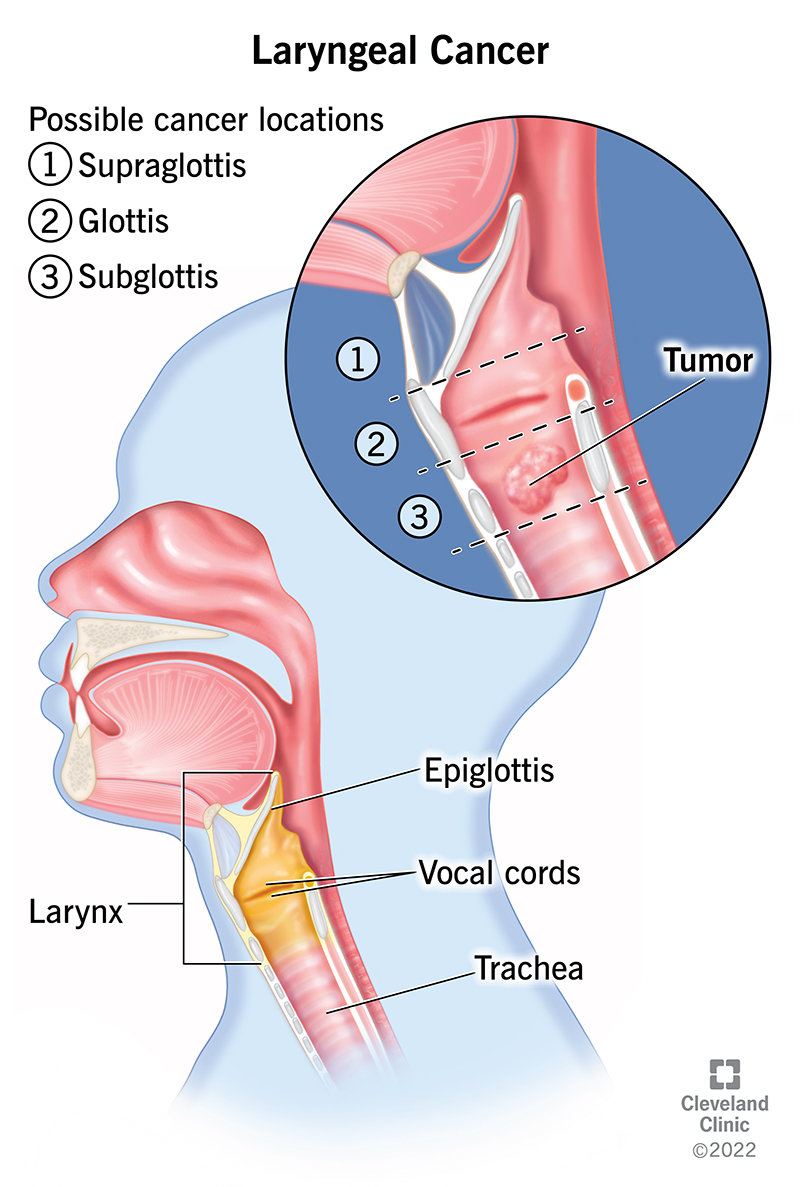
Laryngeal cancer refers to the development of cancerous cells in the larynx, commonly known as the voice box. The larynx plays a crucial role in producing sound and facilitating breathing. Laryngeal cancer typically affects individuals over the age of 40, with men being more susceptible than women.
Causes of Laryngeal Cancer
While the exact cause of laryngeal cancer remains unknown, several risk factors have been identified that may increase the likelihood of its development. These factors include:
Tobacco Use
Smoking, particularly of cigarettes, increases the risk of laryngeal cancer significantly. The harmful chemicals in tobacco smoke can damage the cells in the larynx, leading to the formation of cancerous tumors.
Alcohol Consumption
Excessive alcohol consumption also poses a risk for laryngeal cancer. Alcohol can irritate and damage the lining of the larynx, making it more vulnerable to the development of cancer.
HPV Infection
Human papillomavirus (HPV) infection, primarily strains HPV-16 and HPV-18, is associated with increased cases of laryngeal cancer. HPV is a sexually transmitted infection that can lead to the formation of cancerous cells in the larynx.
Radiation Exposure
Prolonged exposure to radiation, especially in the head or neck area, can increase the risk of laryngeal cancer. This includes radiation treatments for other cancers or occupational exposure to radiation.
Air Pollution
Long-term exposure to air pollution, such as inhaling industrial pollutants or chemicals, may contribute to the development of laryngeal cancer. Poor air quality can irritate and damage the cells in the larynx, leading to cancerous growth.
Genetic Factors
Certain genetic factors may predispose individuals to laryngeal cancer. Family history of the disease and inherited genetic mutations can increase the likelihood of developing cancerous cells in the larynx.

Symptoms and Signs of Laryngeal Cancer
Recognizing the symptoms and signs of laryngeal cancer is crucial for early detection and prompt treatment. Common symptoms of laryngeal cancer include:
Hoarseness
Persistent hoarseness or a change in voice quality is one of the first noticeable symptoms of laryngeal cancer. The voice may sound raspy, weak, or strained, and it may persist over an extended period.
Voice Changes
Apart from hoarseness, other voice changes may occur with laryngeal cancer. These can include a deepening of the voice or the voice becoming higher-pitched.
Persistent Cough
A persistent cough that does not subside over time, especially if accompanied by blood in the phlegm, may be a sign of laryngeal cancer. This cough may be unrelated to a respiratory infection or allergies.
Throat Pain
Individuals with laryngeal cancer may experience pain or discomfort in the throat. The pain can range from mild to severe and may be felt when swallowing or speaking.
Difficulty Swallowing
Laryngeal cancer can cause difficulty or pain when attempting to swallow food or liquids. This symptom often worsens over time as the tumor grows.
Lump in the Neck
The presence of a lump or swelling in the neck region can indicate the spread of laryngeal cancer to the lymph nodes. This lump may be painless but should be evaluated by a medical professional.
Breathing Problems
Advanced laryngeal cancer can obstruct the airways, leading to breathing difficulties. Individuals may experience shortness of breath, wheezing, or a feeling of suffocation.
Weight Loss
Unexplained weight loss is a common symptom of various types of cancer, including laryngeal cancer. This weight loss can occur even if the person maintains their regular diet and caloric intake.
Diagnosing Laryngeal Cancer
To diagnose laryngeal cancer, healthcare professionals utilize various methods to evaluate and confirm the presence of cancerous cells. These diagnostic procedures may include:
Physical Examination
A physical examination of the throat and neck area is often the first step in diagnosing laryngeal cancer. The doctor may examine the larynx using a mirror or a laryngoscope to check for any abnormalities.
Endoscopy
Endoscopy involves using a thin, flexible tube with a light and camera attached to examine the larynx. This procedure allows the doctor to visualize the larynx and detect any signs of cancerous growth.
Biopsy
A biopsy is performed to definitively diagnose laryngeal cancer. It involves removing a small tissue sample from the affected area for examination under a microscope. A biopsy can determine the type and stage of the cancer.
Imaging Tests
Imaging tests, such as CT scans, MRI scans, or PET scans, are often conducted to assess the extent and spread of laryngeal cancer. These tests provide detailed images of the larynx and surrounding tissues.
Staging
Once a diagnosis of laryngeal cancer is confirmed, staging is performed to determine the extent of cancer spread. This information helps guide treatment decisions. The staging process may involve additional imaging tests, such as a chest X-ray, to evaluate potential metastasis.
Types and Stages of Laryngeal Cancer
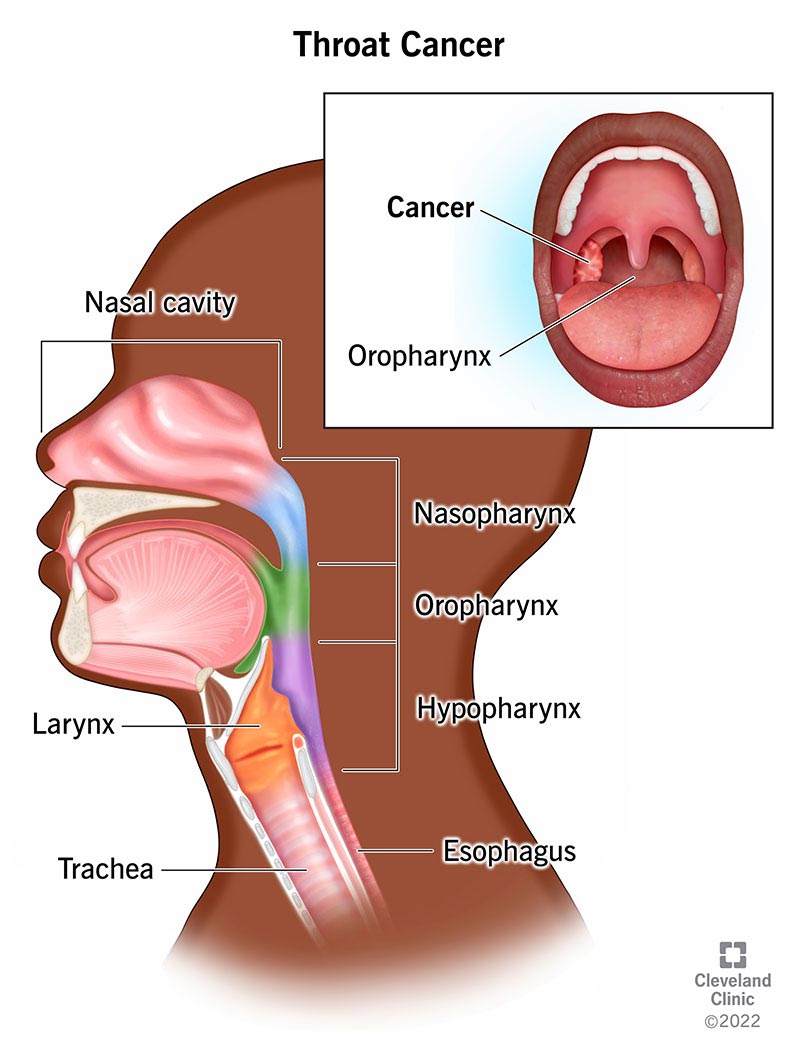
Laryngeal cancer can be categorized into different types based on the specific type of cells affected. The common types of laryngeal cancer include:
Squamous Cell Carcinoma
Squamous cell carcinoma constitutes the majority of laryngeal cancer cases. It develops from the flat cells lining the inside of the larynx and is often associated with smoking and excessive alcohol consumption.
Adenocarcinoma
Adenocarcinoma, although less common, can occur in the larynx. It originates from glandular cells and is often associated with exposure to certain toxins or environmental factors.
Sarcoma
Sarcoma is a rare form of laryngeal cancer that develops in the connective tissues of the larynx. It is typically more aggressive and harder to treat than other types.
Laryngeal cancer is also characterized by different stages that indicate the extent of tumor growth and spread. The stages include:
Early Stage
In the early stages, laryngeal cancer is confined to the larynx and has not spread to nearby lymph nodes or other organs.
Advanced Stage
Advanced-stage laryngeal cancer indicates tumor growth outside the larynx or the spread to nearby lymph nodes.
Metastatic Stage
Metastatic stage refers to laryngeal cancer that has spread to distant organs or lymph nodes far from the larynx.
Treatment Options for Laryngeal Cancer
The choice of treatment for laryngeal cancer depends on various factors, including the type and stage of cancer, overall health, and personal preferences of the patient. Treatment options may include:
Surgery
Surgery is often the preferred treatment for early-stage laryngeal cancer. Depending on the extent of the cancer, various surgical procedures, such as a partial laryngectomy, total laryngectomy, or laser surgery, may be performed to remove the tumor.
Radiation Therapy
Radiation therapy uses high-energy beams to target and destroy cancer cells in the larynx. It may be used as the primary treatment or in combination with surgery or chemotherapy.
Chemotherapy
Chemotherapy utilizes drugs to kill cancer cells throughout the body. It may be administered before or after surgery to shrink tumors, destroy remaining cancer cells, or control the spread of advanced laryngeal cancer.
Targeted Therapy
Targeted therapy focuses on specific genetic or molecular features of cancer cells to inhibit their growth. It may be recommended for certain types of laryngeal cancer that have specific genetic mutations or molecular markers.
Immunotherapy
Immunotherapy aims to stimulate the body’s immune system to recognize and attack cancer cells. It can be used as a standalone treatment or in combination with other therapies for laryngeal cancer.

Managing Side Effects of Laryngeal Cancer Treatment
Treatment for laryngeal cancer can often result in various side effects. Managing these side effects effectively is essential for the overall well-being of the patient. Common side effects and their management strategies include:
Sore Throat
A sore throat is a common side effect of laryngeal cancer treatment. Gargling with warm saltwater, using throat lozenges, and avoiding foods that can further irritate the throat can provide relief.
Swallowing Difficulties
Difficulty swallowing, also known as dysphagia, can occur after laryngeal cancer treatment. Eating smaller, more frequent meals, chewing food thoroughly, and consuming softer foods can help alleviate swallowing difficulties.
Nausea and Vomiting
Nausea and vomiting can be managed through medications prescribed by the healthcare team. Eating small, frequent meals, avoiding strong-smelling foods, and staying hydrated can also help reduce these symptoms.
Hair Loss
Some individuals may experience hair loss during chemotherapy treatment. While hair loss is typically temporary, wearing a wig or head covering may provide comfort and boost self-confidence.
Fatigue
Fatigue is a common side effect of cancer treatment. Prioritizing rest, engaging in light physical activity, and seeking support from loved ones can assist in managing fatigue.
Difficulty Speaking
Certain treatments for laryngeal cancer can affect speech. Speech therapy and the use of assistive devices, such as voice amplifiers or electronic larynx devices, can help individuals regain speech abilities.
Emotional Effects
A cancer diagnosis and treatment can take an emotional toll on individuals. Seeking emotional support from loved ones, joining support groups, or considering counseling services can be beneficial in managing the emotional aspects of laryngeal cancer.
Prognosis and Survival Rates
The prognosis and survival rates for laryngeal cancer differ depending on various factors, including the stage of cancer at diagnosis, the type of cancer, and the overall health of the patient. Survival rates are often reported as the percentage of individuals who survive a specific number of years after their diagnosis. However, it is essential to remember that every individual’s situation is unique, and survival rates are generalized statistics. Survival rates by stage can provide a better understanding of prognosis:
Survival Rates by Stage
- Stage I: Approximately 75-90% of individuals survive for at least five years after diagnosis.
- Stage II: The five-year survival rate ranges from 60-80%.
- Stage III: The five-year survival rate ranges from 35-70%.
- Stage IV: The five-year survival rate ranges from 25-55%.
Recurrence
Laryngeal cancer recurrence refers to the return of cancer after initial treatment. The risk of recurrence is highest in the first two years following treatment. Regular follow-up appointments and surveillance can help detect any recurrence early and provide appropriate treatment options.

Preventive Measures for Laryngeal Cancer
While it may not be possible to completely prevent laryngeal cancer, certain preventive measures can significantly reduce the risk of developing the disease. These include:
Smoking Cessation
Quitting smoking is one of the most effective ways to reduce the risk of laryngeal cancer. It is never too late to quit, and even individuals who have smoked for many years can benefit from quitting.
Moderate Alcohol Consumption
Limiting alcohol consumption to moderate levels can help decrease the risk of laryngeal cancer. It is recommended to consume alcohol in moderation, which means up to one drink per day for women and up to two drinks per day for men.
HPV Vaccination
Getting vaccinated against HPV can offer protection against certain strains of the virus that are associated with laryngeal cancer. HPV vaccination is recommended for both males and females in their early teens.
Reducing Exposure to Environmental Carcinogens
Minimizing exposure to environmental carcinogens, such as air pollution, industrial toxins, and radiation, can reduce the risk of laryngeal cancer. Taking precautions in occupational settings and maintaining a healthy environment can help decrease exposure.
Support and Resources for Laryngeal Cancer Patients
Receiving a laryngeal cancer diagnosis can be overwhelming, and it is crucial for patients to find the support they need. Several resources and support services are available to help navigate through the challenges of laryngeal cancer treatment, including:
Support Groups
Joining support groups for laryngeal cancer patients can provide an opportunity to connect with individuals who have gone through similar experiences. Sharing experiences, concerns, and triumphs with others can offer comfort and emotional support.
Counseling Services
Counseling services, including individual therapy or family counseling, can assist patients and their loved ones in managing the emotional impact of laryngeal cancer. Professional counselors can provide guidance and coping strategies to address the challenges associated with the disease.
Financial Assistance
Laryngeal cancer treatment can be costly, and financial assistance programs may be available to individuals who need support. Researching and reaching out to organizations specializing in cancer-related financial assistance can help alleviate the financial burden associated with treatment.
In conclusion, understanding laryngeal cancer, its causes, symptoms, diagnosis, and treatment options is crucial for individuals facing a diagnosis or supporting someone on their journey. By raising awareness and promoting early detection, it is possible to improve outcomes and provide the necessary support for those affected by laryngeal cancer.