
Imagine waking up one morning feeling weak and feverish, only to discover that tiny creatures called lice are the culprits behind your illness. This is the alarming reality of Louse Borne Relapsing Fever (LBRF), a disease caused by the bacteria Borrelia recurrentis. LBRF is transmitted through bites from infected lice, and its symptoms can range from recurring high fevers to severe body aches. In this article, we will explore the causes and symptoms of Louse Borne Relapsing Fever, shedding light on this lesser-known but concerning health issue.
Understanding Louse Borne Relapsing Fever: Causes and Symptoms

Introduction to Louse Borne Relapsing Fever
Hey there, let’s dive into the world of Louse Borne Relapsing Fever (LBRF) together! LBRF is an infectious disease that is transmitted through the bite of lice infected with the bacterium Borrelia recurrentis. While the prevalence of LBRF has decreased over the years, it still remains a concern in certain regions of the world. In this article, we will explore the causes, symptoms, diagnosis, treatment, prevention, and complications associated with Louse Borne Relapsing Fever. So, let’s get started on our journey to better understand this intriguing condition!
Causes of Louse Borne Relapsing Fever
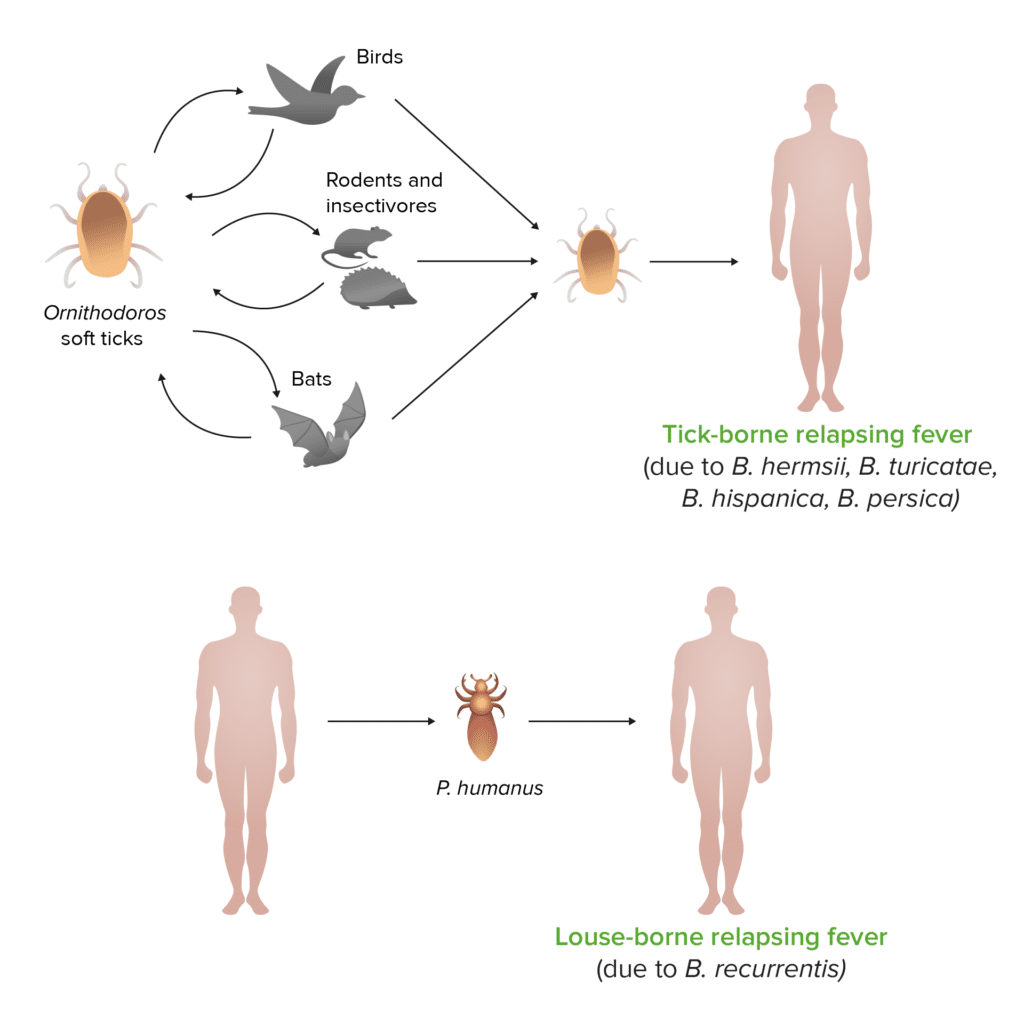
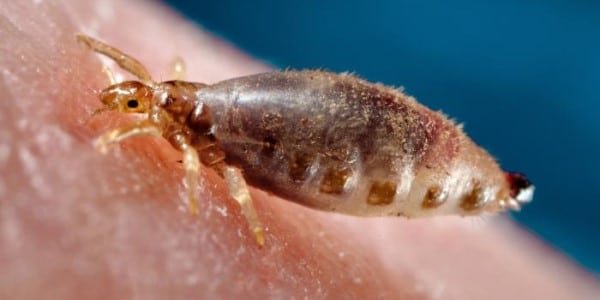
Louse Borne Relapsing Fever is caused by the bacterium Borrelia recurrentis. This bacterium resides in the gut of body lice, which serve as the primary vectors for the transmission of the infection. When an infected louse bites a person, it deposits the bacteria through its saliva into the bloodstream, initiating the infection. The bacteria then multiply rapidly within the bloodstream, leading to episodes of fever.
Symptoms of Louse Borne Relapsing Fever
Louse Borne Relapsing Fever presents with a variety of symptoms. Initially, you may experience a sudden onset of high fever, which can reach up to 104°F (40°C). This fever is often accompanied by chills, headache, muscle aches, and fatigue. During the first episode of fever, you may also notice increased sweating, particularly at night. These episodes generally last for about 3 to 7 days, followed by a period of no fever, called the “febrile interval.”
However, it’s important to note that LBRF is a relapsing fever, meaning that after the febrile interval, you may unfortunately experience another episode of fever. These recurrent episodes can continue for several weeks or even months if left untreated. Each relapse is characterized by the same symptoms as the initial episode, making LBRF a truly unpredictable and challenging condition.
Diagnosis of Louse Borne Relapsing Fever
To diagnose Louse Borne Relapsing Fever, your healthcare provider will first consider your symptoms and medical history. Since the symptoms of LBRF can be nonspecific and overlap with other diseases, it’s essential to mention any recent exposure to lice or travel to regions where LBRF is endemic.
To confirm the diagnosis, a blood sample will be collected to detect the presence of Borrelia recurrentis using specialized laboratory tests, such as polymerase chain reaction (PCR) or microscopic examination of blood smears. These tests help identify the spirochetes, the spiral-shaped bacteria responsible for LBRF, in your bloodstream.

Treatment for Louse Borne Relapsing Fever
Luckily, Louse Borne Relapsing Fever can be effectively treated with appropriate antibiotics. The most commonly used antibiotic is doxycycline, which is usually given orally for a period of 7 to 10 days. In severe cases or if doxycycline cannot be used, alternative antibiotics like erythromycin or tetracycline may be prescribed.
It’s crucial to complete the full course of antibiotics as prescribed by your healthcare provider, even if you start feeling better before completing the treatment. This ensures that all the bacteria are eliminated from your body, preventing any relapses or complications.
Prevention of Louse Borne Relapsing Fever
Prevention is better than cure, and when it comes to Louse Borne Relapsing Fever, it’s no different. The most effective way to prevent LBRF is to focus on controlling the lice population. Regular personal hygiene practices, such as washing clothing and bedding in hot water, can help eliminate lice and reduce the risk of transmission.
Furthermore, if you are in an area where LBRF is prevalent, it’s important to take precautions to avoid lice infestation. Avoid sharing personal items such as combs, brushes, and hats. Maintaining good personal hygiene and practicing safe sexual behaviors can also reduce the risk of contracting LBRF.

Complications of Louse Borne Relapsing Fever
While most cases of LBRF resolve with appropriate treatment, complications can occur, especially if the infection is left untreated or if it becomes severe. Some potential complications of LBRF include meningitis, pneumonia, inflammation of the heart or liver, and even death in rare cases.
If you experience any prolonged or worsening symptoms, it’s essential to seek medical attention promptly to prevent the development of these complications. Early diagnosis and treatment significantly reduce the risk of severe outcomes associated with Louse Borne Relapsing Fever.
Epidemiology of Louse Borne Relapsing Fever
Louse Borne Relapsing Fever is primarily found in regions with poor socioeconomic conditions, limited access to healthcare, and crowded living conditions. Historically, epidemics of LBRF have occurred in areas affected by wars, famines, and natural disasters, where louse infestations are common.
However, due to improved living conditions, effective control measures, and advancements in healthcare infrastructure, the incidence of LBRF has significantly decreased in recent years. Nonetheless, LBRF still poses a threat in certain parts of the world, and travelers visiting endemic areas should remain cautious and take preventive measures.
Comparison with Other Types of Fever
Louse Borne Relapsing Fever stands out among other types of fever due to its unique mode of transmission and relapsing nature. Unlike some other fevers, such as dengue or malaria, which are transmitted by mosquitoes, LBRF relies on body lice for its spread. Additionally, the recurring episodes of fever that characterize LBRF set it apart from diseases with a more continuous febrile course.
Understanding these differences is crucial for accurate diagnosis and appropriate management of febrile illnesses. Differentiating Louse Borne Relapsing Fever from other febrile diseases can be challenging, highlighting the importance of seeking medical attention and providing a detailed medical history to aid in diagnosis.
Conclusion and Summary
Now that we’ve ventured through the fascinating world of Louse Borne Relapsing Fever, we have a clearer understanding of its causes, symptoms, diagnosis, treatment, prevention, complications, epidemiology, and how it compares to other types of fever. Remember, if you experience sudden fevers with associated symptoms like headache, muscle aches, and fatigue, and have a history of lice exposure or recent travel to endemic regions, it’s crucial to seek medical attention promptly.
With appropriate diagnosis and timely treatment using antibiotics, Louse Borne Relapsing Fever can usually be successfully managed. Remember, prevention is key too, so take necessary precautions to avoid lice infestation and promote personal hygiene. Stay informed, stay safe, and seek professional help if you suspect LBRF. Here’s to a healthier and lice-free future!