
Imagine yourself lying on a white sandy beach, enjoying the warm sun on your skin and the gentle sound of waves crashing nearby. But suddenly, you feel an intense heat taking over your body, followed by chills and uncontrollable shivering. You may dismiss it as just a sudden fever, but what if it’s something more serious, like malaria? In this article, we will unravel the mysteries of this mosquito-borne disease, exploring its causes, symptoms, and potential treatments. So, let’s arm ourselves with knowledge and learn how to recognize and tackle malaria before it even has a chance to ruin our tropical paradise getaway.

Understanding Malaria
Malaria is a life-threatening disease caused by the Plasmodium parasite and transmitted through the bite of an infected female Anopheles mosquito. This article will provide you with a comprehensive understanding of malaria, including its prevalence, transmission, causes, symptoms, diagnosis, treatment, prevention and control methods, as well as specific information about malaria in pregnancy, children, and travelers.
Overview
Malaria is a significant global health issue that affects millions of people each year. It is most prevalent in tropical and subtropical regions, particularly in sub-Saharan Africa, where nearly 90% of all malaria cases occur. The disease is caused by five species of Plasmodium parasites, with Plasmodium falciparum being the most severe and responsible for the majority of malaria-related deaths. Malaria can have devastating effects on individuals, communities, and economies, making it essential to understand its causes and how to prevent and treat it.
Prevalence
Malaria remains a major public health concern, with approximately 229 million cases reported worldwide in 2019. Sub-Saharan Africa continues to bear the highest burden, accounting for 94% of all malaria cases and 95% of malaria-related deaths. However, the disease also affects other regions, including Southeast Asia, the Eastern Mediterranean, and the Americas. The prevalence of malaria is influenced by various factors, such as climate, geography, socioeconomic conditions, and access to healthcare services.
Transmission
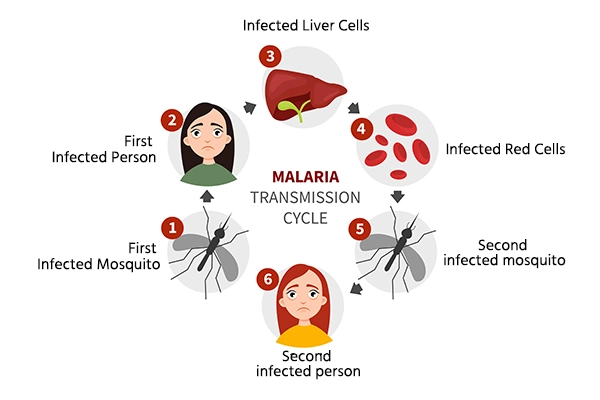
Malaria is primarily transmitted through the bite of female Anopheles mosquitoes. When an infected mosquito bites a person, it injects sporozoites, the immature form of the parasite, into the bloodstream. The sporozoites travel to the liver, where they multiply and mature into merozoites. These merozoites then infect red blood cells, leading to the characteristic symptoms of malaria. Additionally, the disease can be transmitted through blood transfusion, organ transplantation, or from an infected mother to her unborn child.
Causes of Malaria
The primary cause of malaria is the infection with Plasmodium parasites. When an infected mosquito bites you, these parasites enter your bloodstream and travel to the liver, where they multiply and infect red blood cells. Once inside the red blood cells, the parasites continue to multiply, leading to the characteristic symptoms of malaria. There are five species of Plasmodium parasites that can infect humans, including Plasmodium falciparum, Plasmodium vivax, Plasmodium malariae, Plasmodium ovale, and Plasmodium knowlesi.
Parasite Infection
The first step in the development of malaria is the invasion of the liver by the Plasmodium parasites. Once inside the liver cells, the parasites undergo a period of maturation, during which they multiply and transform into the next stage of the life cycle. This maturation process usually takes around 7 to 30 days, depending on the species of the parasite. After leaving the liver, the parasites invade red blood cells and continue to multiply, causing the recurrent symptoms of malaria.

Anopheles Mosquito
The Anopheles mosquito plays a crucial role in the transmission of malaria. Only female mosquitoes can transmit the disease, as they require a blood meal to nourish their eggs. When a female Anopheles mosquito bites an infected individual, it ingests some of the parasites along with the blood. Inside the mosquito’s body, the parasites undergo further development and transformation. When the mosquito subsequently bites another person, it injects the mature parasites into their bloodstream, thus continuing the transmission cycle.
Risk Factors
Certain factors can increase the risk of contracting malaria or developing severe complications if infected. These risk factors include living or traveling in malaria-endemic areas, lack of immunity to malaria, inadequate use of preventive measures such as bed nets and mosquito repellents, and certain genetic factors that affect the immune response to the parasites. Additionally, individuals with weakened immune systems, such as young children, pregnant women, and people with HIV/AIDS, are more susceptible to severe malaria.
Symptoms of Malaria
Malaria can present with a wide range of symptoms, which can vary depending on the species of Plasmodium parasite and the individual’s immune response. The symptoms typically appear within 7 to 30 days after the mosquito bite and can be categorized into early, complicated, and severe symptoms.
Early Symptoms
The early symptoms of malaria often resemble those of a common flu or viral infection. These can include fever, chills, headache, muscle and joint pain, fatigue, and sweating. Additionally, individuals may experience nausea, vomiting, diarrhea, and a general feeling of illness. These symptoms can be intermittent and recurrent, occurring in cycles known as malaria attacks or paroxysms. If you experience these symptoms after traveling to a malaria-endemic area or suspect you may have been exposed to the disease, seek medical attention promptly.
Complicated Symptoms
If left untreated or in severe cases, malaria can progress to complicated symptoms. This includes severe anemia, organ failure, respiratory distress, renal dysfunction, and neurological complications. Complicated malaria can be life-threatening and requires immediate medical intervention. Symptoms such as impaired consciousness, seizures, jaundice, and abnormal bleeding should be considered warning signs that require urgent medical attention.
Severe Symptoms
Although rare, severe malaria can occur and is a medical emergency. Severe symptoms may include cerebral malaria, which affects the brain and can lead to coma, acute kidney injury, severe anemia, respiratory distress syndrome, and metabolic acidosis. Prompt diagnosis and treatment are vital in these cases to prevent life-threatening complications and death.

Diagnosis and Testing
To diagnose malaria accurately, healthcare professionals use a combination of methods, including physical examination, blood tests, and rapid diagnostic tests (RDTs). These tests aim to identify the presence of the malaria parasite in the blood and determine the species causing the infection.
Physical Examination
During a physical examination, healthcare providers may look for signs of malaria, such as an enlarged spleen or liver. The examination also involves evaluating the symptoms reported by the individual, assessing their medical history, and considering their recent travel or residency in malaria-endemic areas.
Blood Tests
Blood tests are essential for confirming the diagnosis of malaria. They involve analyzing a blood sample under a microscope to identify the presence of the parasite and determine the species responsible for the infection. This method, known as microscopic examination of thick and thin blood smears, allows healthcare providers to assess the parasite’s density and monitor the individual’s response to treatment.
Rapid Diagnostic Tests
Rapid diagnostic tests (RDTs) provide a quick and convenient method for diagnosing malaria, particularly in resource-limited settings. These tests detect specific antigens produced by the malaria parasite in a blood sample, providing a rapid and reliable diagnosis within 15-20 minutes. RDTs are easy to use and do not require complex laboratory equipment, making them suitable for use in remote areas where access to medical facilities is limited.
Treatment for Malaria
Prompt and effective treatment is crucial in managing malaria and preventing severe complications and death. The choice of treatment depends on various factors, including the species of the parasite, the severity of the infection, the individual’s age, weight, and overall health, as well as the local drug resistance patterns.
Antimalarial Medications
Antimalarial medications are the cornerstone of malaria treatment. The most effective drugs recommended by the World Health Organization (WHO) include artemisinin-based combination therapies (ACTs), which are highly effective against both uncomplicated and severe malaria. These medications work by killing the parasites in the blood and preventing their further multiplication.
Drug Resistance
One of the major challenges in malaria treatment is the emergence of drug resistance. Resistance to certain antimalarial drugs, such as chloroquine and sulfadoxine-pyrimethamine, has been observed in various regions worldwide. To tackle this problem, it is crucial to monitor drug resistance patterns, develop new treatment options, and ensure appropriate use of antimalarial medications to prevent further resistance.
Prevention of Transmission
Prevention is a key component in the fight against malaria. Various strategies aim to reduce the transmission of the disease and protect individuals at risk. These strategies include mosquito control, the use of bed nets, and chemoprophylaxis.
Mosquito Control
Mosquito control measures involve reducing mosquito breeding sites, such as stagnant water sources, and using insecticides to kill adult mosquitoes. This can be achieved through environmental management, such as draining or treating standing water, as well as the use of insecticide-treated mosquito nets, indoor residual spraying, and larvicides.
Bed Nets
Insecticide-treated bed nets are a cost-effective intervention that provides protection against mosquito bites while sleeping. These bed nets are treated with long-lasting insecticides that repel and kill mosquitoes, reducing the risk of malaria transmission. Bed nets are particularly beneficial for vulnerable populations, such as pregnant women and young children, who are most at risk of severe malaria.
Chemoprophylaxis
Chemoprophylaxis involves the use of antimalarial medications to prevent malaria in individuals traveling to or residing in malaria-endemic areas. The choice of medication depends on various factors, including the specific travel destination, the individual’s medical history, and the local drug resistance patterns. It is important to consult a healthcare professional or travel medicine specialist for personalized advice regarding the most suitable chemoprophylaxis regimen.
Vaccines and Research
Vaccines play a crucial role in preventing infectious diseases, and researchers have been working towards developing an effective malaria vaccine for decades. Currently, the only available malaria vaccine is Mosquirix, also known as RTS,S. Although it provides partial protection against malaria in young children, research is ongoing to develop more effective vaccines with broader coverage. However, numerous challenges, such as the complex nature of the parasite and the need for long-term efficacy, must be overcome to develop an effective malaria vaccine.

Ongoing Research
Researchers continue to explore various approaches to prevent and treat malaria. Some promising areas of research include the development of new antimalarial drugs, gene-editing techniques to disrupt the parasite’s life cycle, and the use of genetically modified mosquitoes to reduce the mosquito population. Ongoing efforts are also focused on improving diagnostic methods, understanding the immune response to malaria, and identifying new targets for drug and vaccine development.
Challenges
Despite significant progress in malaria control and prevention, several challenges persist. These include limited access to healthcare services in remote areas, drug resistance, complex social and environmental factors, and the impact of climate change on mosquito populations and disease transmission. Addressing these challenges requires a multifaceted approach, involving collaboration between governments, healthcare organizations, researchers, and communities.
Malaria in Pregnancy
Malaria poses a significant risk to pregnant women, particularly those in malaria-endemic areas. The disease can lead to severe complications for both the mother and the unborn child. Special considerations must be taken to prevent and manage malaria in pregnancy.
Effects on Pregnancy
Malaria during pregnancy increases the risk of maternal anemia, low birth weight, preterm delivery, and infant mortality. The infection can affect the placenta, leading to impaired nutrient and oxygen transfer to the fetus. This can result in growth restriction, developmental delays, and long-term health consequences for the child.
Preventive Measures
Prevention of malaria in pregnancy involves a combination of measures. The use of insecticide-treated bed nets and regular antenatal care visits are crucial. Intermittent preventive treatment (IPTp) with antimalarial medication, particularly sulfadoxine-pyrimethamine, is recommended for pregnant women in malaria-endemic areas. IPTp ensures that expectant mothers have adequate protection against malaria throughout their pregnancy.
Treatment during Pregnancy
Prompt diagnosis and effective treatment are essential if malaria is diagnosed during pregnancy. Certain antimalarial medications, such as quinine and artemisinin-based combination therapies, are considered safe for use during pregnancy. However, it is crucial to consult a healthcare professional for personalized advice and follow the recommended treatment regimens to ensure the best possible outcome for both the mother and the baby.
Malaria in Children
Children, particularly those under the age of five, are highly vulnerable to malaria infection and its complications. Understanding how to diagnose, treat, and prevent malaria in children is crucial in reducing the disease’s burden in this vulnerable population.
Diagnosis and Treatment
Diagnosing malaria in children can be challenging, as the symptoms can be nonspecific and easily confused with other childhood illnesses. Rapid diagnostic tests (RDTs) and microscopic examination of blood smears are commonly used methods to confirm the diagnosis. The choice of treatment depends on the severity of the infection, the species of the parasite, and the child’s age, weight, and overall health. Prompt treatment with appropriate antimalarial medications is essential to prevent severe complications in children.
Complications and Prevention
Children with malaria are at risk of developing severe complications, such as severe anemia, respiratory distress, cerebral malaria, and multi-organ failure. Preventive measures, such as the use of insecticide-treated bed nets, prompt treatment of febrile illnesses, and intermittent preventive treatment in infants (IPTi), can significantly reduce the risk of malaria in children and its associated complications.
Pediatric Vaccine Development
Developing a safe and effective malaria vaccine for children is a priority in malaria research. Several vaccine candidates are currently in development and undergoing clinical trials. These vaccines aim to stimulate the immune response against the parasite and provide long-term protection. Ongoing research in pediatric vaccine development holds promise for reducing the burden of malaria in children and saving countless lives.
Malaria in Travelers
Malaria can pose a significant risk to travelers visiting areas where the disease is endemic. Understanding the necessary preventive measures and seeking appropriate medical care are essential for protecting yourself during travel.
Advice for Travelers
If you are traveling to a malaria-endemic area, it is important to take certain precautions to prevent malaria. These include using insect repellents, wearing long-sleeved clothing and pants, sleeping under insecticide-treated bed nets, and avoiding outdoor activities during peak mosquito biting hours. It is also essential to be aware of the specific risk of malaria in the destination you are visiting and consult a travel medicine specialist for personalized advice.
Prophylactic Medications
Depending on the travel destination and individual factors, you may be prescribed antimalarial medications as a preventive measure. These medications aim to prevent the development of malaria if you are bitten by an infected mosquito. The specific medication, dosage, and duration of prophylaxis will depend on various factors, including the local malaria transmission patterns and drug resistance.
Post-Travel Testing and Treatment
If you develop symptoms of malaria after returning from a malaria-endemic area, seek medical attention promptly and inform your healthcare provider about your recent travel history. It is crucial to get tested for malaria, even if you have taken prophylactic medications, as breakthrough infections can occur. Early diagnosis and treatment are essential to prevent severe complications and the further spread of the disease.
In conclusion, understanding malaria is crucial in combating this life-threatening disease. By knowing its causes, symptoms, and treatment options, as well as adopting preventive measures, we can work together to reduce the burden of malaria and protect vulnerable populations from its devastating effects.