
You’re likely here because you’ve been experiencing some unsettling sensations. Perhaps it’s a persistent ringing in your ears, a feeling of imbalance when you stand, or a subtle but noticeable shift in your hearing. These are precisely the kinds of subtle, yet significant, signs that might point to an acoustic neuroma, a non-cancerous tumor that develops on the vestibulocochlear nerve, which connects your inner ear to your brain. As the Listicle Content Architect, your go-to expert for crafting clear, comprehensive, and engaging listicles, I’m here to guide you through the vestibular symptoms of acoustic neuroma, breaking down this complex topic into digestible, actionable information.
Navigating these symptoms can feel overwhelming, but knowledge is your most powerful tool. This listicle is designed to demystify the vestibular manifestations of an acoustic neuroma, empowering you to understand what you’re experiencing and to have more informed conversations with your healthcare providers. We’ll delve into the specifics of how this tumor can impact your sense of balance and hearing, exploring the nuances of each symptom and what you can do about them.
One of the most common, and often earliest, indicators of an acoustic neuroma is a gradual decline in hearing, specifically in one ear. This isn’t the sudden, dramatic hearing loss that might occur from a loud noise; instead, it’s a slow creep, making it easier to dismiss or overlook. The vestibulocochlear nerve, as its name suggests, is responsible for both hearing (cochlear) and balance (vestibular). As a tumor begins to grow on this nerve, it will inevitably exert pressure, impacting its function. Think of it like a widening gap in a communication line – the signal starts to fade, and eventually, it can become quite muffled.
1.1. The Gradual Retreat of Sound
The insidious nature of unilateral hearing loss is a key characteristic. You might not notice it immediately because your brain is remarkably adept at compensating. It will try to fill in the blanks, using the clearer signal from your good ear to interpret sounds. You might find yourself unconsciously turning your head to the affected side to catch conversations, or you might start asking people to repeat themselves more frequently, attributing it to background noise or simply being tired. This gradual onset makes it incredibly challenging to pinpoint the exact moment it began, and often, by the time it’s undeniably apparent, the tumor has already grown to a noticeable size.
1.2. Difficulty with Speech Clarity
It’s not just about volume; it’s about clarity. Even with normal or near-normal volume, you might find it harder to distinguish speech, especially in noisy environments. This can manifest as mishearing words, confusing similar-sounding phonemes, or experiencing a general muddiness to spoken language. This particular symptom can be frustrating because even if you can hear the sound of someone speaking, the meaning can be lost in translation. This is because the tumor’s pressure can disrupt the nerve signals responsible for processing the complex frequencies and patterns that make up speech.
1.3. Recognizing the Unilateral Aspect: A Crucial Clue
The fact that this hearing loss is unilateral, meaning it affects only one ear, is a critical diagnostic clue. If you were experiencing generalized hearing loss that affected both ears equally, it might point to other age-related or environmental factors. However, when one ear is demonstrably worse than the other, and there isn’t a clear external cause like an ear infection or injury, it raises a significant red flag for acoustic neuroma. This asymmetry is a direct consequence of the tumor’s localized growth on one specific nerve.
2. Tinnitus: The Uninvited Auditory Companion
Tinnitus is the perception of sound when no external sound is present. For those with acoustic neuroma, this often manifests as a persistent ringing, buzzing, humming, or hissing in the affected ear. It’s like a faulty signal being broadcast directly from the inner ear or the nerve itself, a phantom sound that can range from a faint whisper to a roaring cacophony. This symptom, much like hearing loss, can be incredibly disruptive to daily life, impacting sleep, concentration, and overall well-being.
2.1. Constant Companion: The Persistent Ring
The hallmark of tinnitus due to acoustic neuroma is its persistence. Unlike fleeting tinnitus that might occur after exposure to loud noise, this sound often becomes a constant presence. It can be maddening, especially in quiet environments where it becomes amplified and all-consuming. You might find yourself constantly seeking distractions or struggling to fall asleep because the sound won’t subside. This constant auditory intrusion can lead to anxiety and frustration, further exacerbating the stress of uncertain symptoms.
2.2. Variations in Sound and Intensity
While ringing is the most commonly reported sound, tinnitus associated with acoustic neuroma can vary in its nature and intensity. Some individuals describe a high-pitched whine, others a low-frequency hum, and some even hear clicking or rushing sounds. The loudness can also fluctuate; it might be barely perceptible at times and then become a deafening roar. This variability can sometimes make it difficult for individuals to describe their experience accurately, but the underlying consistent presence of the sound is often the key.
2.3. Impact on Sleep and Well-being
The relentless nature of tinnitus can have a profound impact on your sleep. As soon as the distractions of the day fade, the tinnitus can become the dominant sensory input, making it incredibly difficult to drift off. Chronic sleep deprivation can lead to a cascade of other problems, including fatigue, irritability, difficulty concentrating, and even depression. Managing the tinnitus, therefore, becomes not just about silencing a sound, but about regaining control over your sleep and overall quality of life.
3. Dizziness and Vertigo: The Shifting Landscape
Perhaps the most disorienting vestibular symptoms of acoustic neuroma are those related to balance. The vestibular system, housed in the inner ear, is responsible for providing your brain with information about spatial orientation and movement. When the vestibulocochlear nerve is compressed, this intricate system can be disrupted, leading to feelings of dizziness, lightheadedness, and even true vertigo.
3.1. Unsteadiness: The Ground Beneath You Feels Uneven
This is not a subtle sway; it’s a more pronounced feeling of imbalance. You might feel unsteady on your feet, as if the ground is shifting or tilting beneath you. This can make everyday activities like walking, climbing stairs, or even standing still feel precarious. It can also lead to a fear of falling, making you more hesitant to move or to engage in activities that require good balance, such as sports or dancing.
3.2. Vertigo: The World Spins
Vertigo is a sensation that you or your surroundings are moving or spinning. It’s a much more intense and debilitating form of dizziness. You might experience sudden, severe episodes of spinning that can leave you nauseous, disoriented, and unable to function. These episodes can be triggered by movement, changes in head position, or sometimes they can occur spontaneously. The sheer intensity of vertigo can be terrifying, and it’s often a symptom that prompts individuals to seek medical attention urgently.
3.3. Positional Changes: A Tricker of Movement
For some individuals, the dizziness and vertigo symptoms can be exacerbated by specific head movements or changes in position. For example, rolling over in bed, looking up, or bending down might trigger or worsen the sensation of imbalance. This is often because these movements can create further pressure on the compressed nerve or disrupt the fluid dynamics within the inner ear’s vestibular organs. Recognizing these patterns can be helpful in anticipating and potentially mitigating episodes.
3.4. Gradual versus Sudden Onset of Balance Issues
While the onset of dizziness and vertigo can sometimes be sudden and alarming, it can also be a more gradual development, mirroring the slow progression of hearing loss and tinnitus. You might initially experience mild unsteadiness that you can manage, but over time, it can become more persistent and severe. The gradual onset, however, doesn’t diminish the impact; it simply means you might adapt to it more slowly, making it harder to recognize the underlying cause.
4. Facial Weakness and Numbness: When the Nerve’s Reach Extends
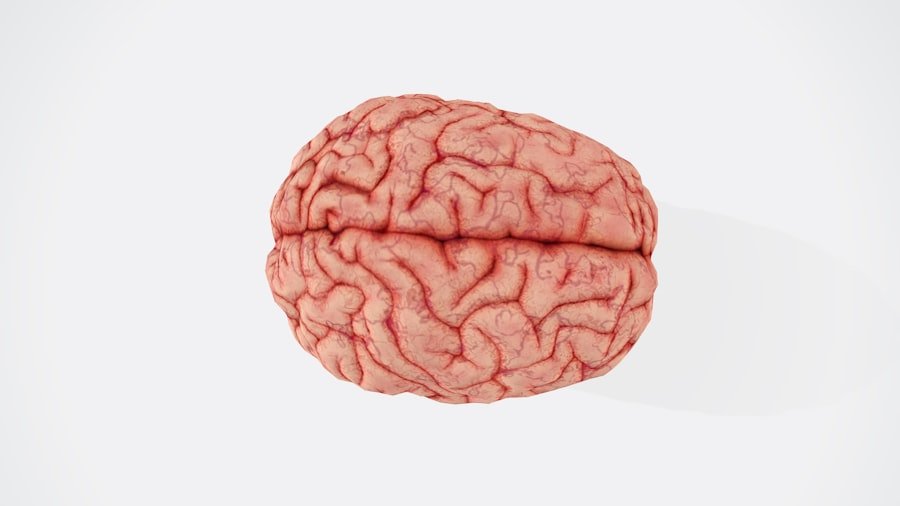
While the vestibulocochlear nerve primarily serves the ear and balance, an acoustic neuroma can sometimes grow large enough to affect nearby nerves, including the facial nerve. This can lead to a range of symptoms affecting the face, which might initially be subtle but can become more pronounced as the tumor enlarges.
4.1. Subtle Twitching and Spasms
You might notice a slight twitching in your eyelid or a subtle, involuntary spasm in your facial muscles. These are often fleeting and can be easily dismissed as stress-related or a minor irritation. However, if you observe these twitches consistently, especially on one side of your face, it’s worth paying attention to. This is your facial nerve sending irregular signals due to the pressure from the tumor.
4.2. Numbness and Tingling: A Loss of Sensation
A feeling of numbness or tingling in the face, particularly around the ear, cheek, or mouth area on the affected side, can also be a symptom. This means the facial nerve is not transmitting sensory information effectively. It might feel like a slight pins-and-needles sensation or a complete lack of sensation in a particular area. This can make it difficult to feel temperature, light touch, or even to notice if food is stuck to your face.
4.3. Difficulty with Facial Expressions
As the facial nerve weakness progresses, you might find it harder to make certain facial expressions. This could include difficulty smiling evenly, raising an eyebrow, or closing your eye completely. You might notice one side of your face appearing droopier, especially when you’re tired. This loss of voluntary control over facial muscles is a clear indication that the facial nerve is being compromised.
4.4. Impact on Taste and Salivation
In more advanced cases, the facial nerve can also affect taste sensation on the front part of your tongue and control over saliva production. You might notice a metallic taste or a diminished ability to taste certain foods on the affected side. Similarly, you might experience a dry mouth or conversely, excessive saliva production on that side. These are less common but significant indicators of a tumor exerting pressure on the facial nerve.
5. Other Associated Symptoms and When to Seek Help
| Vestibular Symptoms | Percentage |
|---|---|
| Dizziness | 80% |
| Imbalance | 75% |
| Vertigo | 70% |
| Nausea | 60% |
While the vestibular and auditory symptoms are paramount, acoustic neuromas can sometimes present with other, less common, but equally important signs. Being aware of these can further aid in early detection and diagnosis, ensuring you receive the appropriate care promptly.
5.1. Headaches and Facial Pain
As the tumor grows and exerts pressure on surrounding structures, it can lead to headaches, often on the same side as the affected ear. These headaches might vary in intensity and frequency. In some cases, individuals may experience pressure or discomfort in the ear canal or on the affected side of the face, which can be described as a dull ache or a sharp, shooting pain. This can sometimes be mistaken for other conditions like migraines or TMJ disorders, making a thorough medical evaluation crucial.
5.2. Swallowing Difficulties and Voice Changes
In very rare instances, an acoustic neuroma that has grown quite large might compress the nerves responsible for swallowing or affect the vocal cords. This can lead to difficulties in swallowing food or liquids (dysphagia) or changes in your voice, such as hoarseness or a breathy quality. These symptoms are indicative of a tumor that has expanded significantly beyond its origin.
5.3. Vision Changes: A Less Direct Impact
While not a direct vestibular symptom, changes in vision can sometimes occur with larger acoustic neuromas. As the tumor grows, it can press on the trigeminal nerve, which controls sensation in the face and also plays a role in eye muscle function and blinking. This pressure can sometimes lead to blurred vision, double vision, or even reduced blinking on the affected side, increasing the risk of dry eye and corneal abrasions.
5.4. The Importance of Prompt Medical Evaluation
It is crucial to understand that experiencing one or more of these symptoms does not automatically mean you have an acoustic neuroma. Many of these symptoms can be caused by other less serious conditions. However, the key lies in their persistence, particularly if they are unilateral and developing gradually. If you are experiencing any of these symptoms, especially a combination of them and they are affecting your quality of life, you should schedule an appointment with your doctor. Be prepared to describe your symptoms in detail, including when they started, how they have progressed, and any factors that seem to make them better or worse. Your doctor will likely perform a physical examination, including specific tests for hearing and balance, and may refer you to an audiologist or ENT specialist. Further diagnostic tests, such as an MRI or CT scan, are typically used to confirm the diagnosis of an acoustic neuroma. Early diagnosis and intervention are paramount for successful management and can significantly improve outcomes.
FAQs
What are the common vestibular symptoms of acoustic neuroma?
Common vestibular symptoms of acoustic neuroma include dizziness, vertigo, imbalance, and unsteadiness. These symptoms are often caused by the tumor pressing on the vestibular nerve, which is responsible for balance and spatial orientation.
How do vestibular symptoms of acoustic neuroma affect daily life?
Vestibular symptoms of acoustic neuroma can significantly impact daily life, causing difficulties with activities such as walking, driving, and maintaining balance. Patients may also experience anxiety and fear of falling due to the unpredictable nature of these symptoms.
Can vestibular symptoms of acoustic neuroma be treated?
Treatment for vestibular symptoms of acoustic neuroma may include medication to alleviate dizziness and vertigo, vestibular rehabilitation therapy to improve balance and reduce symptoms, and in some cases, surgical removal of the tumor. The specific treatment approach depends on the individual patient’s symptoms and the size of the tumor.
Are vestibular symptoms of acoustic neuroma always present?
Vestibular symptoms of acoustic neuroma may not always be present, especially in the early stages of the tumor’s growth. Some patients may experience intermittent or fluctuating symptoms, while others may have persistent vestibular issues. It is important to seek medical evaluation if any concerning symptoms arise.
What should I do if I experience vestibular symptoms associated with acoustic neuroma?
If you experience vestibular symptoms such as dizziness, vertigo, or imbalance, it is important to seek medical evaluation from a healthcare professional. A thorough examination, including imaging studies, can help determine the underlying cause of these symptoms and guide appropriate treatment.