
So you’ve heard of osteoporosis, but do you know what symptoms to look out for? In this article, we’ll explore the top 5 symptoms of osteoporosis so you can stay informed and take proactive steps to maintain your bone health. From back pain to weakened grip strength, we’ll cover it all. So grab a cup of tea, sit back, and let’s dive into the world of osteoporosis symptoms together!
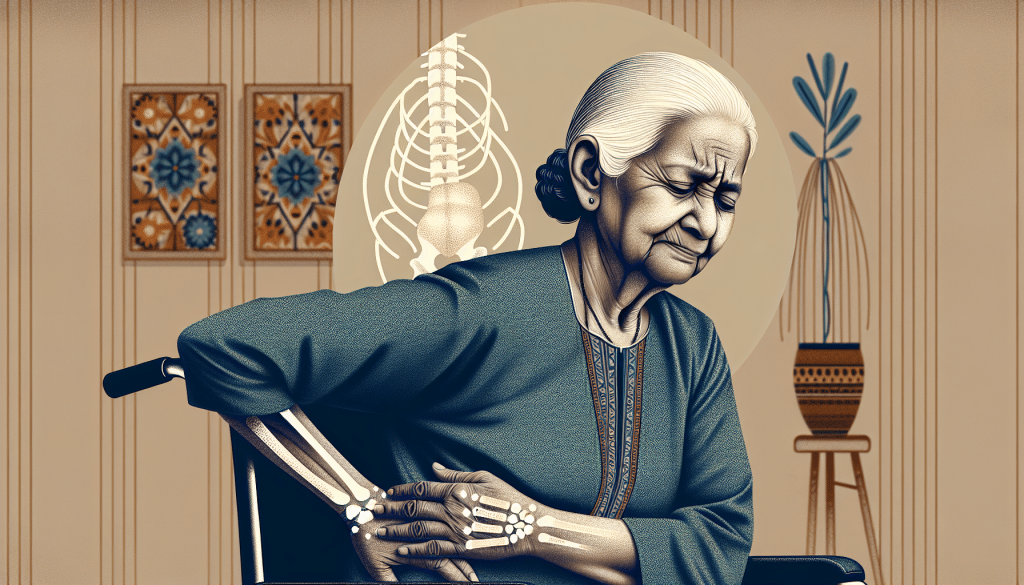
Bones and Osteoporosis
Importance of Healthy Bones
Having strong and healthy bones is essential for the overall well-being and quality of life. Your bones are the foundation of your body, providing support, stability, and protection for various organs and tissues. They also play a crucial role in mobility, allowing you to move and perform daily activities without difficulty.
Understanding Osteoporosis
Osteoporosis is a condition characterized by the weakening and thinning of bones, making them more prone to fractures and injuries. It is often referred to as the “silent disease” because it progresses slowly and is usually diagnosed only after a fracture occurs. Osteoporosis affects both men and women, but it is more commonly seen in postmenopausal women due to hormonal changes that occur during menopause.
1. Loss of Height and Posture Changes
Compression Fractures
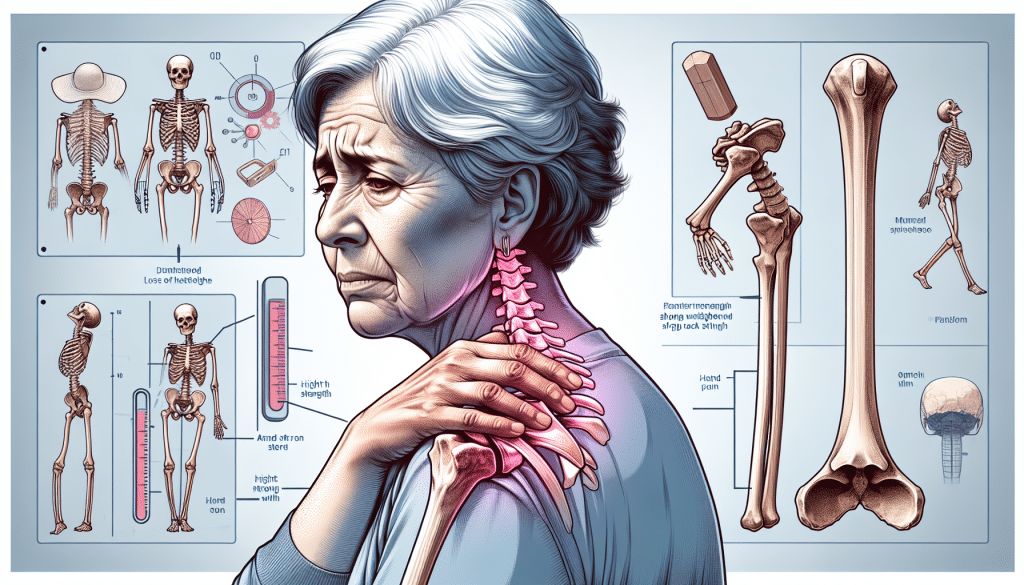
One of the first signs of osteoporosis is a loss of height and changes in posture. Compression fractures, which occur when the bones in the spine become weak and collapse, can lead to a decrease in height. These fractures can cause severe pain and affect the curvature of the spine, leading to a condition called kyphosis.
Kyphosis
Kyphosis refers to the excessive rounding or forward curvature of the upper back, giving the appearance of a hunched posture. As the vertebrae in the spine weaken and collapse due to osteoporosis, the natural alignment of the spine is compromised. Kyphosis not only affects your appearance but can also cause discomfort and difficulty in breathing and eating.
2. Back Pain
Musculoskeletal Pain
Back pain is a common symptom of osteoporosis, often caused by musculoskeletal pain. As the bones in the spine become weaker and more vulnerable to fractures, you may experience persistent or recurring pain in the back. This pain can range from mild to severe and may be aggravated by physical activities or prolonged periods of sitting or standing.
Fractured or Collapsed Vertebrae
Osteoporosis increases the risk of fractured or collapsed vertebrae, which can lead to chronic back pain. When the vertebrae weaken and lose their structural integrity, they may fracture under minimal stress or strain. The resulting pain can be debilitating, affecting your ability to perform daily activities and impacting your overall quality of life.
Spinal Compression Fractures
Spinal compression fractures, as mentioned earlier, are a common consequence of osteoporosis. These fractures occur when the vertebrae in the spine collapse or become compressed, causing pain and limited mobility. Spinal compression fractures can significantly impact your posture, height, and overall spinal health.
3. Bone Fractures
Wrist Fractures
Osteoporosis increases the risk of bone fractures throughout the body, with the wrist being a common site of injury. A simple fall or sudden impact can result in a fractured wrist when the bones are weakened by osteoporosis. Wrist fractures can cause pain, swelling, and difficulty in performing tasks that require wrist mobility.
Hip Fractures
Hip fractures are one of the most debilitating consequences of osteoporosis, particularly in older adults. As the bones in the hip become weak and fragile, even a minor fall or injury can lead to a fracture. Hip fractures often require surgical intervention and extensive rehabilitation, affecting mobility and independence.
Femur Fractures
The femur, or thigh bone, is the longest and strongest bone in the human body. However, osteoporosis can weaken the femur and increase the risk of fractures. Femur fractures are typically caused by falls or high-impact injuries and can significantly impair mobility and require extensive medical intervention for recovery.
4. Weak and Brittle Nails
Changes in Nail Texture
Osteoporosis can also affect the health and appearance of your nails. Changes in nail texture, such as increased ridges, brittleness, or slow nail growth, may be indicative of underlying bone health issues. The nails may become thinner, fragile, and more prone to breakage as the bones lose their density and strength.
Increased Nail Breakage
Brittle nails that are prone to breakage are a common symptom of osteoporosis. Because the nails are composed primarily of protein, their health and strength are closely linked to overall bone health. If you notice an increase in nail breakage or have difficulty maintaining long and healthy nails, it may be worth considering an evaluation of your bone density.
5. Tooth Loss
Jawbone Deterioration
The health of your teeth is closely intertwined with the health of your jawbones. Osteoporosis can lead to jawbone deterioration, jeopardizing the support and stability of your teeth. When the jawbones weaken, they may lose density, which can cause tooth loss and impact your ability to chew properly.
Periodontal Disease
Osteoporosis has also been linked to an increased risk of periodontal disease, a severe form of gum disease. Inflammation and infection of the gums can occur when the jawbones become weak, providing an opportunity for bacteria to thrive. Periodontal disease can result in gum recession, tooth loss, and other oral health complications.
6. Joint Pain and Stiffness
Osteoarthritis
Osteoporosis and osteoarthritis are two distinct conditions but often coexist due to aging and degenerative processes. Osteoarthritis, a common form of arthritis, involves the breakdown of cartilage in the joints. As the bones lose density and strength in osteoporosis, the joints may experience increased stress and wear, exacerbating the symptoms of osteoarthritis.
Joint Deterioration
Osteoporosis can accelerate joint deterioration, leading to chronic joint pain and stiffness. The weakened bones can no longer provide adequate support and cushioning, causing increased friction and inflammation within the joints. Joint pain and stiffness can significantly affect mobility and limit your ability to engage in physical activities.
7. Reduced Grip Strength
Weakening of Hand and Wrist Bones
The bones in the hands and wrists are susceptible to osteoporotic changes, impacting grip strength. As the bones lose density and become weak, your ability to grip objects firmly can diminish. Reduced grip strength can make it challenging to perform daily tasks that require manual dexterity, such as opening jars or holding objects securely.
Muscle Weakness
Osteoporosis is often associated with muscle weakness that further contributes to reduced grip strength. The muscles rely on the strength and support provided by the bones to exert force and perform various movements. With weakened bones, the muscles may become deconditioned and lose their functional capacity, leading to overall muscle weakness.
8. Frequent Fractures
Increased Susceptibility to Injury
Osteoporosis significantly increases your susceptibility to fractures, even with minimal trauma or force. The weakened bones are more prone to fracture under stress or strain that would not typically cause injury in individuals with healthy bones. This heightened vulnerability to fractures can lead to frequent injuries and negatively impact your quality of life.
Delayed Healing Process
Fractures in individuals with osteoporosis often take longer to heal compared to those with healthy bones. The compromised bone density and strength slow down the regenerative process, extending the recovery time and increasing the risk of complications. A delayed healing process can further restrict mobility and prolong pain and discomfort.
10. Increased Risk of Falls
Balance and Stability Issues
Osteoporosis not only weakens the bones but also affects balance and stability. Individuals with osteoporosis may experience difficulties in maintaining their balance, increasing the risk of falls. Balance issues can be particularly problematic for older adults, as falls can result in severe injuries and have long-lasting implications on overall health.
Higher Likelihood of Fractures
The combination of weakened bones and balance issues significantly increases the likelihood of fractures from falls. Even a minor stumble or loss of balance can result in a fracture, further compromising bone health and overall mobility. Preventing falls is crucial for individuals with osteoporosis to minimize the risk of fractures and maintain independence.
In conclusion, understanding the symptoms and consequences of osteoporosis is vital for early detection, prevention, and management of this silent disease. By prioritizing bone health through a combination of proper nutrition, regular exercise, and medical interventions, you can reduce the risk of fractures and maintain a good quality of life. If you experience any of the symptoms mentioned above or have concerns about your bone health, it is recommended to consult with a healthcare professional for an accurate diagnosis and appropriate treatment plan. Remember, taking care of your bones today will help ensure a stronger and healthier future.