
Are you concerned about your bone health? Osteoporosis is a condition that weakens bones, making them more prone to fractures and breaks. In this article, we will discuss three warning signs of osteoporosis that you should watch out for. By understanding these signs, you can take proactive steps to protect your bone health and overall well-being. So, let’s dive into the details and empower you with the knowledge to maintain strong and healthy bones.
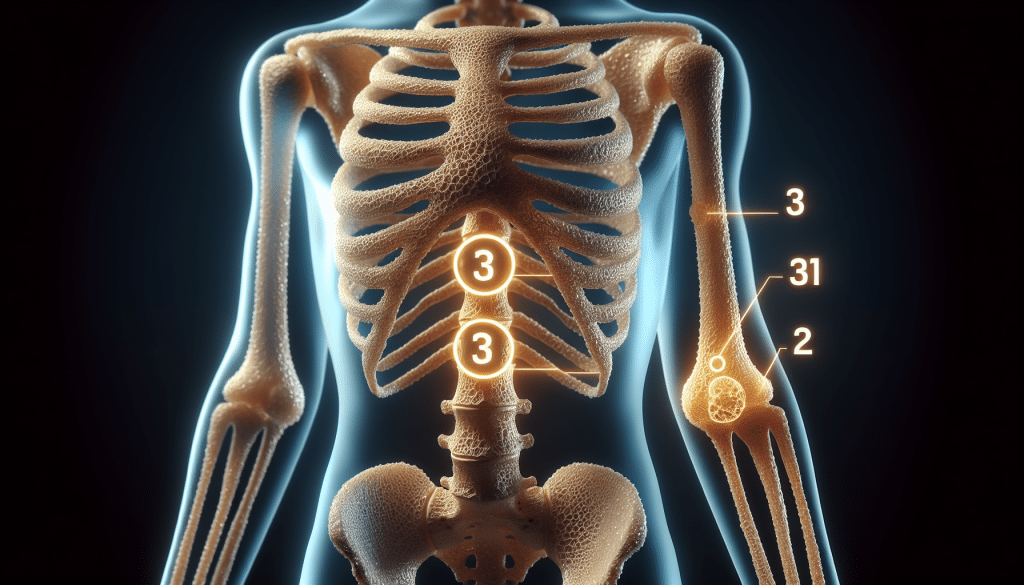
Signs and Symptoms of Osteoporosis
Osteoporosis is a condition that affects the strength and density of bones, leading to increased fragility and susceptibility to fractures. While osteoporosis is often referred to as a “silent disease” because it may not present any early symptoms, there are several signs and symptoms that individuals should be aware of. Recognizing these warning signs is crucial for early detection and intervention to prevent further bone loss and fractures.
Decreased height
One of the key signs of osteoporosis is a gradual and progressive decrease in height. This height loss occurs as a result of compression fractures in the spine, which can cause the bones to collapse and decrease in height. This may be noticeable when you measure yourself or when you notice that your clothes no longer fit properly. While slight height loss due to aging is common, severe height loss or a sudden decrease in height may be indicative of underlying osteoporosis.
Fractures
Fractures, especially in the hips, wrists, and spine, are a common symptom of osteoporosis. Unlike fractures that occur due to trauma or accidents, osteoporotic fractures can happen even with minor falls or everyday activities. These fractures may be accompanied by significant pain, swelling, and difficulty in performing regular activities. If you have experienced multiple fractures, especially without significant trauma, it is important to consider osteoporosis as a potential cause.
Back pain
Persistent back pain, particularly in the middle or lower back, can also be a warning sign of osteoporosis. This pain is often caused by spinal compression fractures resulting from weakened bones. It may be present during physical activity, but can also occur at rest or during sleep. Furthermore, the pain can radiate to other areas of the body, such as the hips or ribs. If you are experiencing long-lasting back pain, it is advisable to consult a healthcare provider to determine if osteoporosis could be the underlying cause.
Risk Factors for Osteoporosis
While anyone can develop osteoporosis, certain factors can increase your risk of developing the condition. Understanding these risk factors is essential for identifying individuals who may be at a higher risk and can benefit from early preventive measures and treatment.
Age
Age is a significant risk factor for osteoporosis. Bone density naturally decreases as we age, and this decline accelerates after the age of 30. Women over the age of 50 and men over the age of 70 are particularly prone to develop osteoporosis due to age-related bone loss.
Gender
Women are more susceptible to osteoporosis compared to men. This is because women generally have lower peak bone density than men and experience a more rapid decline in estrogen levels during menopause, leading to increased bone loss.
Family history
Having a family history of osteoporosis or fractures can increase your likelihood of developing the condition. If your parents or siblings have osteoporosis or have experienced fractures, it is important to be vigilant and monitor your bone health.
Body size
Having a small and slender body frame, with a lower body weight, may put individuals at a higher risk of osteoporosis. This is because having less bone mass to begin with can lead to greater susceptibility to bone loss.
Low hormone levels
Hormonal imbalances, such as low estrogen levels in women or low testosterone levels in men, can contribute to the development of osteoporosis. Estrogen plays a crucial role in maintaining bone density, and a decrease in estrogen during menopause can accelerate bone loss in women.
Cigarette smoking
Smoking tobacco has been linked to an increased risk of osteoporosis. Smoking interferes with the body’s ability to absorb calcium and reduces estrogen levels in women, both of which contribute to decreased bone density.
Excessive alcohol consumption
Consuming alcohol in excessive amounts can have detrimental effects on bone health and increase the risk of osteoporosis. Heavy drinking can interfere with the body’s ability to absorb essential nutrients for bone maintenance and can lead to hormonal imbalances.
Poor diet
A diet lacking in essential nutrients, particularly calcium and vitamin D, can contribute to the development of osteoporosis. Calcium is necessary for building and maintaining strong bones, while vitamin D aids in calcium absorption. Without an adequate intake of these nutrients, bones may become weak and brittle.
Physical inactivity
Leading a sedentary lifestyle with little to no physical activity can increase the risk of osteoporosis. Regular weight-bearing exercises, such as walking, jogging, or weightlifting, help strengthen bones, improve bone density, and reduce the risk of fractures.
Certain medications
Certain medications can increase the risk of developing osteoporosis. Long-term use of corticosteroids, commonly prescribed for conditions like asthma, rheumatoid arthritis, or lupus, can lead to bone loss and increase the likelihood of fractures.
Warning Signs to Watch Out for
Recognizing the warning signs of osteoporosis is crucial for early detection and intervention. By paying attention to these signs, you can take proactive steps to protect your bone health and prevent further complications.
Loss of height
A noticeable loss of height can be a warning sign of osteoporosis. Osteoporotic fractures, particularly in the spine, can cause the bones to collapse and lead to a decrease in height. If you observe a significant loss of height over time or notice that you are shorter than before, it is important to discuss this symptom with your healthcare provider.
Recurrent fractures
Experiencing recurrent fractures, especially in the hips, wrists, or spine, can be indicative of osteoporosis. The weakened bones associated with osteoporosis can break easily, even with minimal trauma. If you find yourself experiencing frequent fractures, it is crucial to seek medical attention to determine the underlying cause.
Persistent back pain
Persistent back pain, specifically in the middle or lower back, should not be ignored, as it can be linked to osteoporosis-related spinal compression fractures. This pain may worsen with physical activity and can significantly impact daily life. If you are experiencing ongoing back pain, it is essential to consult with a healthcare professional to assess if it could be related to osteoporosis.