
What can you do when your blood sugar is on the rise? Are there remedies and techniques to bring it down quickly? Understanding the factors that affect your blood sugar levels can be key to managing your health effectively. Let’s unravel what you can do to help lower your sugar levels immediately and how to make informed choices about your diet and lifestyle.

Understanding Blood Sugar Levels
Blood sugar, or glucose, is the main sugar found in your blood. It comes from the food you eat, and it’s your body’s primary source of energy. When your blood sugar levels are too high, it can lead to a variety of health problems. High blood sugar is known as hyperglycemia, and it can cause symptoms such as frequent urination, increased thirst, and fatigue.
The Role of Insulin
Insulin is a hormone produced by the pancreas that plays a crucial role in regulating blood sugar levels. When you eat, your blood sugar rises, prompting the pancreas to release insulin. This insulin then helps move glucose from the bloodstream into the cells for energy or storage. When your body doesn’t produce enough insulin, or the insulin it makes doesn’t work effectively, your blood sugar can remain high.
Factors Influencing Blood Sugar Levels
Many factors can influence your blood sugar levels, some of which you can control and others that you cannot. These include:
- Diet: What you eat directly impacts your blood sugar. Carbohydrates, especially simple carbs like sugar and white bread, can raise your blood sugar more than proteins or fats.
- Physical activity: Exercise can help lower your blood sugar by increasing your body’s sensitivity to insulin and promoting glucose uptake in your muscles.
- Stress: Stress hormones make your body less sensitive to insulin, resulting in higher blood sugar levels.
- Sleep: Lack of sleep can affect hormone levels that regulate hunger and blood sugar.
Quick Fixes for High Blood Sugar
When you find yourself facing high blood sugar levels, your focus might shift to immediate solutions. There are several strategies that can assist in bringing your glucose levels down promptly.
Stay Hydrated
Drinking water is one of the simplest and most effective ways to lower your blood sugar. Water helps your kidneys flush out excess sugar through urine. Hydration is crucial, especially if you are experiencing elevated blood sugar levels.
Engage in Physical Activity
Moving your body can work wonders for your blood sugar levels. Even a quick walk can help reduce your blood sugar. Physical activity increases insulin sensitivity and promotes glucose uptake in your muscles, which can lead to lower blood sugar levels.
Benefits of Exercise
Here are some significant benefits of exercising to lower your sugar:
| Benefit | How It Helps |
|---|---|
| Increased insulin sensitivity | Makes your body more efficient at using insulin. |
| Enhanced glucose uptake | Muscles burn glucose for fuel during exercise. |
| Stress reduction | Reduces levels of stress hormones that might otherwise elevate your blood sugar. |
Consume Certain Foods
Some foods can impact your blood sugar in a positive way. When you need to lower your blood sugar quickly, consider including these in your meal or snack:
Foods that Help Lower Blood Sugar
| Food Item | How It Helps |
|---|---|
| Leafy Greens | Low in calories but high in fiber; helps control blood sugar. |
| Berries | Packed with antioxidants; lower glycemic index. |
| Nuts | Provide healthy fats and protein without causing a sugar spike. |
| Cinnamon | May improve insulin sensitivity and lower blood sugar levels. |
| Vinegar | Can slow down carbohydrate digestion and help maintain lower blood sugar. |
Incorporating these options can have immediate benefits for your blood sugar management.
Monitor Your Blood Sugar
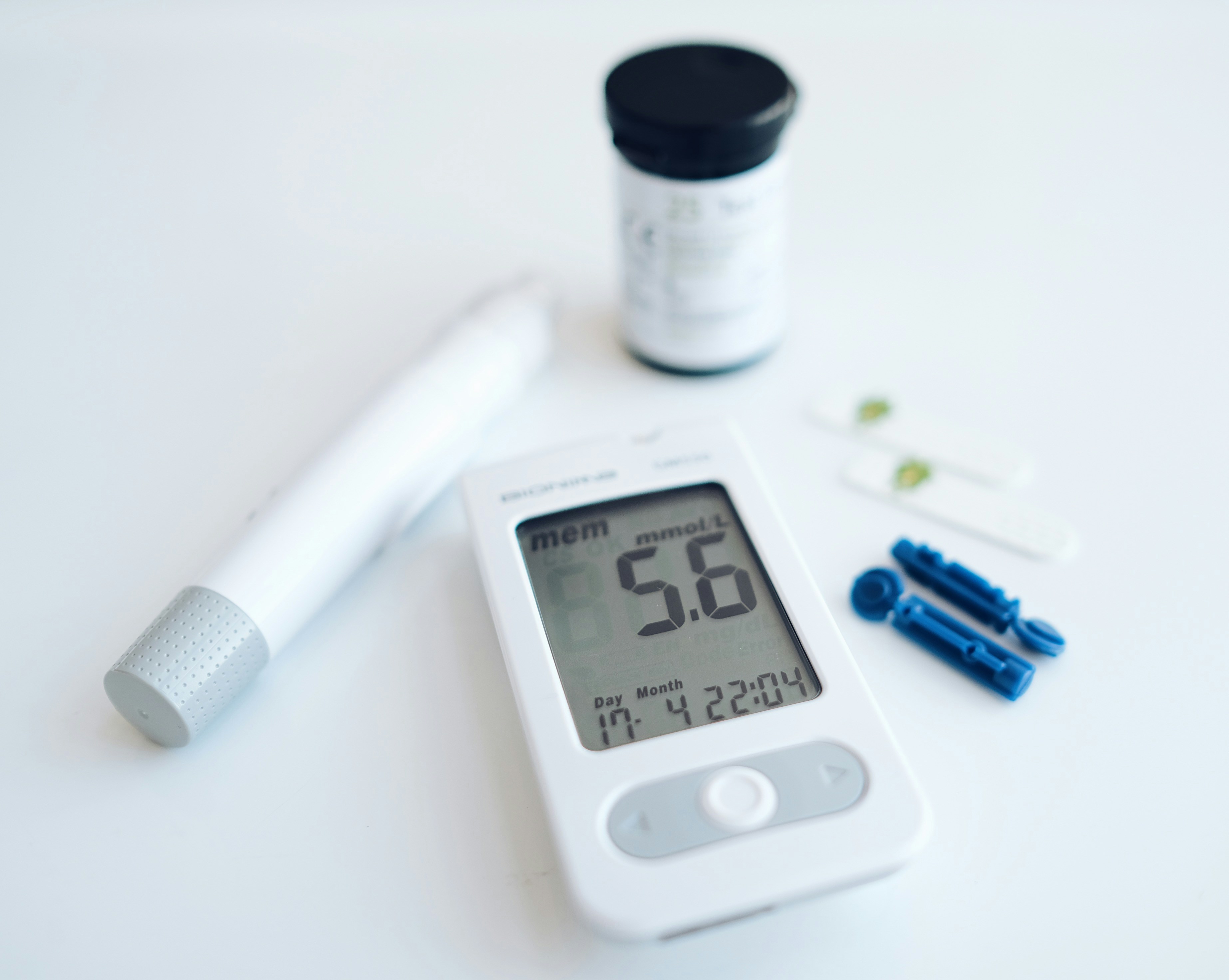
Regularly checking your blood sugar can give you insight into how your body responds to different foods, activities, and stressors. This helps you identify what works for you.
Long-Term Strategies for Blood Sugar Management
While quick fixes can provide immediate relief, establishing long-term practices is essential for maintaining overall health. Here are some strategies to consider:
Maintain a Balanced Diet
Balancing your diet is essential for sustaining healthy blood sugar levels. Consuming a variety of nutrients can help keep your body’s systems functioning optimally.
Key Components of a Balanced Diet
| Food Group | Recommendations |
|---|---|
| Whole Grains | Choose high-fiber options over refined grains. |
| Proteins | Opt for lean sources such as poultry, fish, or plant proteins. |
| Healthy Fats | Include nuts, seeds, avocados, and healthy oils. |
| Vegetables | Fill half your plate with non-starchy veggies. |
Manage Stress
Managing stress plays a vital role in regulating blood sugar. High stress can lead to an increase in blood sugar levels due to the release of stress hormones.
Tips for Stress Management
- Mindfulness and Meditation: Practicing mindfulness can help reduce stress and improve your overall emotional wellbeing.
- Regular Exercise: Physical activity reduces stress and promotes well-being.
- Adequate Sleep: Maintaining a regular sleep schedule contributes to better mood and stress management.
Scheduling Regular Health Check-ups
Regular visits to your healthcare provider can help monitor your blood sugar levels and provide you with guidance tailored to your individual needs. Keeping up with blood tests and routine check-ups allows you to proactively manage your health.
The Importance of Learning About Diabetes
If you are prone to higher blood sugar levels, getting educated about diabetes can be beneficial. Understanding the differences between Type 1 and Type 2 diabetes can inform your approach to managing your health.
Type 1 vs. Type 2 Diabetes
- Type 1 Diabetes: An autoimmune condition where the body attacks insulin-producing cells in the pancreas. It’s often diagnosed in children and young adults.
- Type 2 Diabetes: More common and often linked to lifestyle factors such as diet and physical activity. It typically develops in adults but is increasingly seen in children.
Key Takeaways
Both types of diabetes require vigilant blood sugar management. If you suspect you might be at risk, consider discussing testing and treatment options with your healthcare provider.

Understanding Insulin Resistance
Insulin resistance occurs when cells in your body become less sensitive to insulin, making it harder for glucose to enter the cells. This can lead to increased blood sugar levels. Recognizing the signs of insulin resistance can be crucial for proactive health management.
Symptoms of Insulin Resistance
These may include:
- Increased hunger
- Fatigue
- Difficulty concentrating
- Weight gain, particularly around the abdomen
If you experience these symptoms, a conversation with your healthcare provider about insulin resistance is in order.
The Role of Nutrition Education
One of the best tools at your disposal is knowledge. Education about nutrition can empower you to make informed choices that align with your health goals.
Learning About Carbohydrates
Understanding the types of carbohydrates you consume is essential. Not all carbs are created equal; some can cause rapid spikes in blood sugar, while others are slow-releasing.
| Carb Type | Example | Blood Sugar Impact |
|---|---|---|
| Simple Carbs | Sugars, soft drinks | Rapid increase in blood sugar |
| Complex Carbs | Whole grains, legumes, veggies | More gradual impact on blood sugar |
| High-Fiber Foods | Vegetables, whole grains | Slower absorption can decrease spikes |
Meal Planning Strategies
Consider meal planning as an effective strategy to manage blood sugar. It allows you to prep balanced meals that fit your nutritional needs and avoid spontaneous high-carb meals.
Helpful Tips for Meal Planning
- Create a shopping list focusing on non-processed, whole foods.
- Allocate specific days for meal prep.
- Always have healthy snacks on hand to avoid impulsive eating.

The Importance of Staying Educated and Informed
As you navigate managing your blood sugar, staying informed about the latest research and findings in diabetes care is crucial. The landscape of nutrition and health evolves rapidly, making continuous learning vital.
Engaging with Support Communities
Connecting with others who understand your journey can be incredibly beneficial. Support groups can provide encouragement, share strategies, and offer emotional support.
Conclusion
Managing blood sugar effectively is a combination of immediate and long-term strategies. You have the tools within reach to make choices that positively affect your health. By understanding what brings your sugar down immediately and establishing a balanced lifestyle, you can take an active role in your health journey. Continue learning, stay connected, and embrace the journey toward optimal well-being.
