
Psoriasis is a persistent and oftentimes distressing skin condition that affects millions worldwide. If you’re battling psoriasis, you’re probably familiar with the frustrating cycle of flare-ups and remission periods. But fear not, because help is at hand! This article explores the various treatments and lifestyle adjustments that can combat psoriasis, providing you with valuable insights and potential solutions to address this challenging condition. So, let’s dive in and discover what truly fights psoriasis!
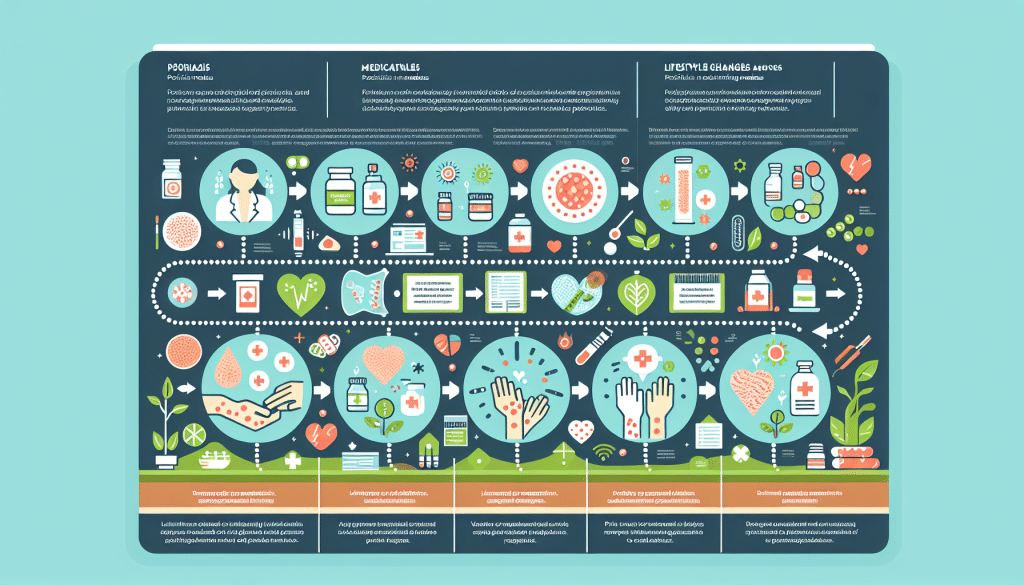
Understanding Psoriasis
What is psoriasis?
Psoriasis is a chronic autoimmune skin condition that causes the rapid buildup of cells on the skin’s surface, resulting in thick, red, scaly patches. It is a non-contagious condition that affects approximately 2-3% of the global population. While psoriasis primarily affects the skin, it can also impact the joints, nails, and other areas of the body.
Causes of psoriasis
The exact cause of psoriasis is still unknown, but it is believed to be a combination of genetic and environmental factors. Genetic predisposition plays a role, as having a family member with psoriasis increases the likelihood of developing the condition. Certain triggers, such as stress, infections, certain medications, and injuries to the skin, can activate psoriasis in individuals with a genetic predisposition.
Symptoms of psoriasis
Symptoms of psoriasis can vary from person to person, but the most common signs include:
- Red, raised, inflamed patches of skin.
- Silvery white scales covering the lesions.
- Dry, cracked skin that may bleed.
- Itching, burning, or soreness.
- Thickened, pitted, or ridged nails.
- Joint pain or stiffness (psoriatic arthritis).
Treatment Options
Topical treatments
Topical treatments are often the first line of defense for mild to moderate psoriasis. They include corticosteroids, vitamin D analogues, retinoids, and salicylic acid. These medications are applied directly to the affected skin and help reduce inflammation, slow down skin cell growth, and alleviate symptoms.
Oral medications
For more severe or widespread psoriasis, oral medications may be prescribed. These include retinoids, methotrexate, cyclosporine, and apremilast. Oral medications work internally to reduce inflammation and slow down the overactive immune response that causes psoriasis.
Biologics
Biologics are a newer class of medications that target specific parts of the immune system involved in psoriasis. This includes drugs such as tumor necrosis factor inhibitors, interleukin inhibitors, and phosphodiesterase-4 inhibitors. Biologics are typically administered through injections or infusions and are highly effective in managing moderate to severe psoriasis.
Light therapy
Light therapy, also known as phototherapy, involves exposing the skin to ultraviolet (UV) light under medical supervision. This treatment can be conducted in a controlled environment or using a handheld device at home. Light therapy helps slow down skin cell growth and reduce inflammation, improving psoriasis symptoms.
Systemic Medications
In some cases, systemic medications such as corticosteroids or immunosuppressants may be prescribed to manage severe psoriasis. These medications work throughout the body to suppress the immune system and reduce inflammation. However, they are often reserved for short-term use due to potential side effects and the increased risk of infections.
Lifestyle Changes
Maintaining a healthy weight
Maintaining a healthy weight is essential for managing psoriasis as excess weight can worsen symptoms and increase inflammation. Following a well-balanced diet and engaging in regular physical activity can help achieve and maintain a healthy weight, thereby improving the overall management of psoriasis.
Avoiding triggers
Psoriasis flare-ups can be triggered by certain factors such as stress, infections, cold weather, and certain medications. By identifying and avoiding these triggers, you can reduce the frequency and severity of psoriasis symptoms. It may be helpful to keep a journal to track potential triggers and how they affect your skin.
Managing stress
Stress is a known trigger for psoriasis flare-ups, so it’s important to find ways to manage stress effectively. Engaging in relaxation techniques such as deep breathing exercises, yoga, meditation, or engaging in hobbies can help reduce stress levels and promote overall well-being.
Moisturizing the skin
Proper moisturization is crucial for managing psoriasis as it helps to soothe dry, itchy skin and reduce inflammation. Applying moisturizers regularly, especially after bathing or showering, can help lock in moisture and prevent excessive dryness.
Quitting smoking
Smoking has been linked to the development and worsening of psoriasis, so quitting smoking is highly recommended for individuals with psoriasis. Smoking not only increases the risk of flare-ups but also reduces the effectiveness of certain psoriasis treatments. Quitting smoking can significantly improve your overall health and well-being.
Dietary Considerations
Anti-inflammatory foods
Incorporating anti-inflammatory foods into your diet can help reduce inflammation and potentially alleviate psoriasis symptoms. Foods rich in omega-3 fatty acids, such as fatty fish, walnuts, and flaxseeds, have anti-inflammatory properties. Additionally, fruits and vegetables, whole grains, lean proteins, and healthy fats like olive oil can contribute to a healthy, anti-inflammatory diet.
Probiotics
Probiotics, found in fermented foods like yogurt, sauerkraut, and kimchi, can help improve gut health and may have a positive impact on psoriasis symptoms. The gut and immune system are closely linked, and maintaining a healthy gut microbiome through probiotic-rich foods may help regulate immune responses and reduce inflammation.
Omega-3 fatty acids
Omega-3 fatty acids have been shown to have anti-inflammatory properties and can potentially help manage psoriasis symptoms. Including fatty fish like salmon and mackerel, as well as plant-based sources such as chia seeds and walnuts, in your diet can increase your intake of omega-3 fatty acids.
Avoiding trigger foods
While there is no specific diet for psoriasis, it is important to identify any trigger foods that may worsen your symptoms. Common trigger foods include processed foods, refined sugars, alcohol, and gluten. Keeping a food diary and monitoring your symptoms can help you identify any patterns or triggers in your diet.
Natural Remedies
Aloe vera
Aloe vera has soothing properties and can provide relief for inflamed, irritated skin. Applying pure aloe vera gel directly to the affected areas can help reduce redness, itching, and scaling associated with psoriasis. However, it is important to note that aloe vera should not replace prescribed medications or treatments.
Apple cider vinegar
Apple cider vinegar has been used as a natural remedy for various skin conditions, including psoriasis. It can help balance the skin’s pH, reduce itchiness, and alleviate inflammation. Diluting apple cider vinegar in water and applying it to the skin or adding it to your bathwater may provide some relief.
Turmeric
Turmeric contains a compound called curcumin, which has anti-inflammatory properties. Consuming turmeric or applying a turmeric paste directly to the affected skin may help reduce psoriasis symptoms. However, it is advisable to consult with a healthcare professional before using turmeric as a remedy.
Dead Sea salts
Bathing in Dead Sea salts has been found to be beneficial for individuals with psoriasis. The high mineral content in these salts, such as magnesium and sulfur, can help exfoliate dead skin cells, reduce itching, and leave the skin feeling smoother. Adding Dead Sea salts to warm bathwater and soaking for about 15 minutes can provide relief.
Tea tree oil
Tea tree oil has antimicrobial and anti-inflammatory properties that may benefit individuals with psoriasis. Diluting tea tree oil with a carrier oil and applying it to the affected areas can help soothe itching and inflammation. It is important to perform a patch test before using tea tree oil, as it can cause skin irritation in some individuals.
Alternative Therapies
Acupuncture
Acupuncture is an ancient Chinese practice that involves the insertion of thin needles into specific points on the body. It is believed to stimulate the body’s natural healing mechanisms and promote overall well-being. Some individuals with psoriasis have reported improvements in symptoms after acupuncture sessions.
Meditation
Meditation involves focusing one’s mind and promoting a state of calm and relaxation. It can help reduce stress levels and may improve psoriasis symptoms. Incorporating meditation into your daily routine, even for just a few minutes a day, can have a positive impact on your overall mental and physical well-being.
Hypnosis
Hypnosis is a therapeutic technique that aims to induce a state of heightened relaxation and focus. It can help individuals manage stress, reduce anxiety, and potentially alleviate psoriasis symptoms. Hypnosis sessions are typically conducted by a trained professional who guides the individual into a deeply relaxed state.
Aromatherapy
Aromatherapy involves using essential oils derived from plants for their therapeutic properties. Certain essential oils, such as lavender, chamomile, and bergamot, have calming effects and may help reduce stress and inflammation associated with psoriasis. Adding a few drops of essential oil to a diffuser or diluting it in a carrier oil for topical application can create a soothing environment.
Staying Hydrated
Importance of hydration
Staying hydrated is crucial for maintaining healthy skin, especially for individuals with psoriasis. Drinking an adequate amount of water helps to keep the skin hydrated and can reduce dryness and itchiness associated with psoriasis. It also aids in the elimination of toxins from the body, promoting overall skin health.
Drinking enough water
The daily recommended water intake varies for each individual, but a general guideline is to drink at least eight 8-ounce glasses of water per day. However, the exact amount needed may depend on factors such as body weight, activity level, and climate. It is important to listen to your body’s thirst signals and consume water accordingly.
Moisturizing the skin
In addition to drinking enough water, moisturizing the skin externally is also important. Applying a hydrating moisturizer to damp skin after showering or bathing can help lock in moisture and prevent dryness. Opt for moisturizers that are fragrance-free and formulated for sensitive skin to avoid any potential irritation.
Protecting the Skin
Sun protection
Protecting your skin from the sun’s harmful UV rays is crucial for managing psoriasis. Sunburns can trigger flare-ups and worsen psoriasis symptoms. Applying a broad-spectrum sunscreen with a high SPF, wearing protective clothing, and seeking shade during peak sun hours can help protect your skin.
Avoiding physical trauma
Physical trauma, such as scratching or picking at psoriasis plaques, can worsen symptoms and lead to infection. It is important to be gentle with your skin and avoid any activities that may cause damage. Keeping nails short and using soft, smooth fabrics can minimize the risk of physical trauma.
Using gentle skincare products
Using gentle skincare products is essential for individuals with psoriasis. Harsh soaps, detergents, and fragrances can irritate the skin and worsen symptoms. Opt for fragrance-free, hypoallergenic products that are specifically formulated for sensitive skin. Patting the skin dry instead of rubbing can also help prevent irritation.
Supportive Therapies
Counseling or therapy
Living with psoriasis can have a significant impact on an individual’s mental and emotional well-being. Seeking counseling or therapy can provide a safe space to discuss feelings, learn coping mechanisms, and manage emotional stress associated with the condition. Therapy can be individual, family, or group-based, depending on personal preferences.
Support groups
Joining a support group for individuals with psoriasis can provide a sense of community and understanding. Interacting with others who share similar experiences can offer emotional support, practical tips, and insights into managing the condition. Online forums and local support groups are available for individuals to connect with others.
Tattooing or camouflage
For some individuals with visible psoriasis plaques, tattooing or using specialized cover-up products may be an option to improve their self-confidence and reduce self-consciousness. Tattoo artists experienced in working with individuals with psoriasis can create designs that incorporate and camouflage the affected areas, while specialized concealers can help hide the plaques temporarily.
Managing Flares
Identifying triggers
Identifying triggers is an important step in managing psoriasis flares. By keeping a journal and noting any known triggers such as stress, certain foods, weather changes, or medications, you can better understand your individual triggers and take proactive steps to avoid them.
Avoiding triggers
Once triggers are identified, it is crucial to actively avoid them. Whether it’s reducing stress through relaxation techniques, avoiding specific foods that may worsen symptoms, or adjusting your skincare routine to accommodate weather changes, taking preventative measures can help minimize flare-ups.
Using prescribed medications
In the event of a flare-up, using prescribed medications is often the most effective way to manage symptoms. Follow your healthcare provider’s instructions and regularly use the prescribed topical treatments, oral medications, or biologics as directed to help calm inflammation and relieve discomfort.
Remedies for itch and pain
During a psoriasis flare-up, itchiness and pain can be particularly bothersome. Utilizing over-the-counter remedies such as moisturizers, petroleum jelly, or anti-itch creams can provide temporary relief. Cold compresses or oatmeal baths can also help soothe the skin and reduce itchiness.
Relaxation techniques
In addition to addressing physical symptoms, incorporating relaxation techniques can help manage flare-ups. Engaging in activities such as deep breathing exercises, progressive muscle relaxation, or guided imagery can help reduce stress levels and promote a sense of calmness, potentially alleviating the severity of psoriasis symptoms during flare-ups.
By understanding psoriasis, exploring various treatment options, making lifestyle changes, considering dietary modifications, and utilizing natural remedies and supportive therapies, individuals can take an active role in managing their psoriasis symptoms and improving their overall quality of life. Remember to consult with a healthcare professional before making any significant changes to your treatment plan or incorporating new therapies. With proper management and support, psoriasis can be effectively managed, allowing you to live a fulfilling and comfortable life.