
Have you ever experienced that uncomfortable burning sensation in your chest after a meal? If so, you might be familiar with acid reflux, a condition that affects countless individuals worldwide. Understanding what foods contribute to acid reflux can help you manage this condition more effectively and maintain your comfort.

What is Acid Reflux?
Acid reflux occurs when stomach acid flows back into the esophagus, the tube that connects your throat to your stomach. This backflow can lead to a variety of symptoms, including heartburn, regurgitation, and even difficulty swallowing. While many factors can contribute to acid reflux, diet plays a significant role.
Why Food Choices Matter
Different foods can affect your body’s ability to digest and manage stomach acids. Some foods might relax the lower esophageal sphincter (LES), the muscle that normally keeps stomach contents from flowing back up. Others can increase stomach acid production, leading to those familiar symptoms. By being mindful of what you eat, you can help reduce your chances of experiencing acid reflux.
Common Foods That Cause Acid Reflux
Identifying trigger foods is essential for managing acid reflux. While everyone is different and may react uniquely to certain items, here are some common categories of foods that tend to cause problems.
Fatty Foods
Foods high in fat can slow digestion and lead to increased pressure in the stomach. This pressure can cause the LES to open, allowing acid to escape.
Examples of Fatty Foods:
- Fried foods
- Fatty cuts of meat
- Full-fat dairy products
- Creamy sauces and dressings
Fatty foods are tempting and delicious, but if you notice a pattern of heartburn after enjoying them, it might be time to cut back.
Spicy Foods
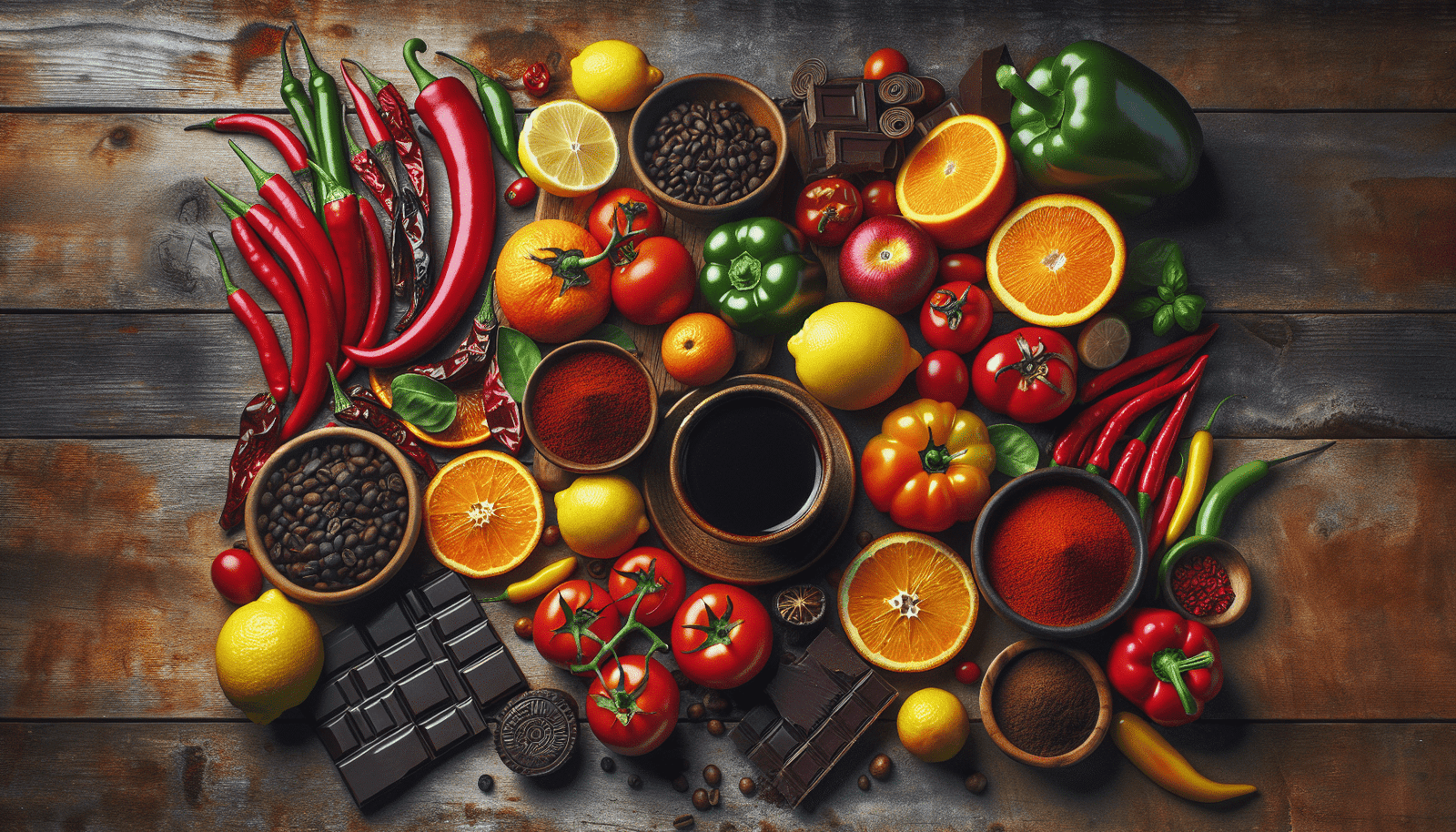
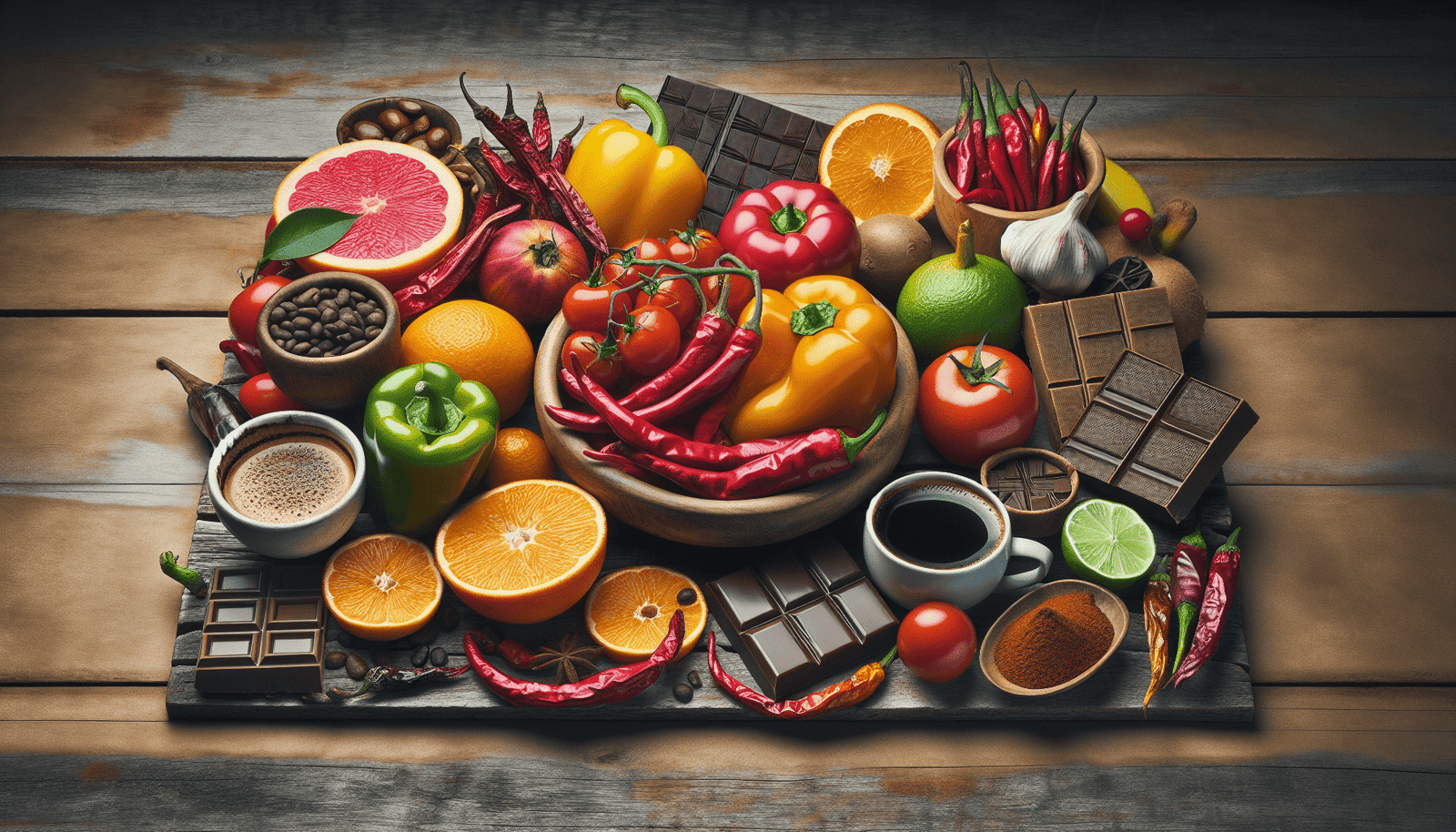
For many people, spicy foods are a delightful way to add flavor to their meals. However, they can irritate the esophagus and cause your stomach to produce more acid.
Examples of Spicy Foods:
- Hot peppers
- Spicy sauces (like salsa and hot sauce)
- Dishes seasoned with strong spices (like curry or chili powder)
If you’re passionate about spicy cuisine, consider moderating your intake or pairing spicy dishes with milder foods to see if it helps.
Citrus Fruits
While citrus fruits are healthy and packed with vitamin C, their acidity can lead to heartburn and discomfort for some individuals.
Examples of Citrus Fruits:
- Oranges
- Grapefruits
- Lemons
- Limes
If you find yourself feeling uncomfortable after enjoying a glass of orange juice, it might be wise to reduce your citrus consumption.
Chocolate
Chocolate is often a favorite treat, but it can also be one of the culprits behind acid reflux. It contains caffeine and other compounds that may relax the LES, allowing stomach acid to escape.
If you can’t resist chocolate altogether, consider opting for darker varieties, which may be less problematic than milk chocolate.
Coffee and Caffeinated Beverages
Many people enjoy a nice cup of coffee to kickstart their day, but caffeine can relax the LES and lead to acid reflux.
Examples of Caffeinated Beverages:
- Coffee
- Tea
- Soft drinks
- Energy drinks
If you’ve noticed acid reflux after your favorite caffeinated beverage, think about reducing your intake or switching to decaffeinated options.
Carbonated Beverages
The bubbles in carbonated drinks can contribute to bloating, which increases pressure on the stomach and may lead to acid reflux.
Examples of Carbonated Beverages:
- Soda
- Sparkling water
- Beer
Making a switch to non-carbonated drinks can help alleviate some of the pressure that contributes to your discomfort.
Onions and Garlic
Onions and garlic are flavorful additions to many dishes, but for some people, they can trigger heartburn. Their potential to irritate the digestive tract varies widely from person to person.
If you love the flavor but hate the aftermath, consider using them in moderation or cooking them thoroughly to see if that makes a difference.
Mint
While mint is often a soothing remedy for digestive issues, it can also relax the LES and lead to acid reflux for some individuals.
Examples of Mint-
- Peppermint tea
- Peppermint candies
- Spearmint
If you find mint bothers you, it’s worth cutting it out to see if your symptoms improve.

Foods to Include in Your Diet
While it’s important to be aware of foods that can trigger acid reflux, it’s equally crucial to know what you can enjoy without worry. Here are some foods that are generally safe and may even help minimize symptoms.
High-Fiber Foods
Fiber can aid digestion and help keep your stomach feeling full, which may decrease the chances of experiencing reflux.
Examples of High-Fiber Foods:
- Whole grains (like brown rice and oats)
- Vegetables (especially leafy greens)
- Fruits (like bananas and apples)
- Legumes (such as lentils and beans)
Lean Proteins
Lean proteins are often easier to digest and won’t put excess pressure on your stomach.
Examples of Lean Proteins:
- Skinless chicken or turkey
- Fish and seafood
- Tofu
- Legumes
Non-Citrus Fruits
Fruits that are not acidic can be a great alternative to citrus fruits.
Examples of Non-Citrus Fruits:
- Melons
- Apples
- Pears
- Berries
Low-Fat Dairy Alternatives
If you enjoy dairy but find that full-fat options cause problems, consider low-fat versions.
Examples of Low-Fat Dairy:
- Low-fat yogurt
- Skim milk
- Low-fat cheese
Healthy Fats
Opt for healthy fats that are less likely to trigger reflux compared to their saturated counterparts.
Examples of Healthy Fats:
- Olive oil
- Avocado
- Nuts and seeds (in moderation)

Lifestyle Changes to Consider
In addition to dietary changes, certain lifestyle adjustments can play a significant role in managing acid reflux. Your overall well-being is a combination of food choices and healthy habits.
Eat Smaller, More Frequent Meals
Instead of three large meals, try eating smaller portions throughout the day. This approach can help prevent the stomach from becoming overly full and reduce pressure on the LES.
Stay Upright After Eating
Remaining upright for at least an hour after eating can help keep stomach acid contained. Avoid lying down or slumping over after meals.
Avoid Late-Night Snacking
Eating close to bedtime can lead to discomfort as you lie down. It’s best to finish your last meal a few hours before you go to bed.
Maintain a Healthy Weight
Excess weight can increase pressure on your stomach, which may contribute to acid reflux. If you’re feeling comfortable doing so, aim to maintain a healthy weight through diet and exercise.
Limit Stress
Stress can exacerbate acid reflux symptoms. Consider incorporating relaxation techniques like meditation, deep breathing exercises, or yoga into your routine.
When to Seek Medical Advice
If you find that your acid reflux persists despite dietary changes and lifestyle adjustments, it’s important to consult a healthcare professional. Persistent acid reflux, also known as gastroesophageal reflux disease (GERD), can lead to more serious health issues if left untreated.
Symptoms That Require Attention
Watch for signs that indicate you should speak to a doctor, such as:
- Severe or persistent heartburn
- Difficulty swallowing
- Unexplained weight loss
- Nausea or vomiting
Your healthcare provider can recommend appropriate treatments and may suggest seeing a specialist if necessary.
Conclusion
Understanding what foods can cause acid reflux empowers you to make changes that can improve your quality of life significantly. By identifying and avoiding trigger foods, you can help manage your symptoms more effectively. Plus, incorporating foods that soothe your digestive tract can keep you feeling your best.
Dietary changes often take time to adjust to, but you don’t have to do it all at once. Start by making small adjustments to your meals and lifestyle habits, and observe how your body responds. Remember, everyone’s digestive system is different, so finding what works for you may involve some trial and error.
Take care of yourself, and be patient. You’ve got this!