
What if I told you that changing what you eat could be a powerful tool in managing diabetes? It’s true! Many individuals have undergone a transformation by shifting their dietary habits. This isn’t just about cutting out sweets or avoiding carbs; it’s about embracing a lifestyle that nourishes your body, promotes overall health, and yes, can even lead to a significant improvement or reversal of diabetes. Let me share with you the approach I took on my journey to manage my diabetes effectively.
Understanding Diabetes
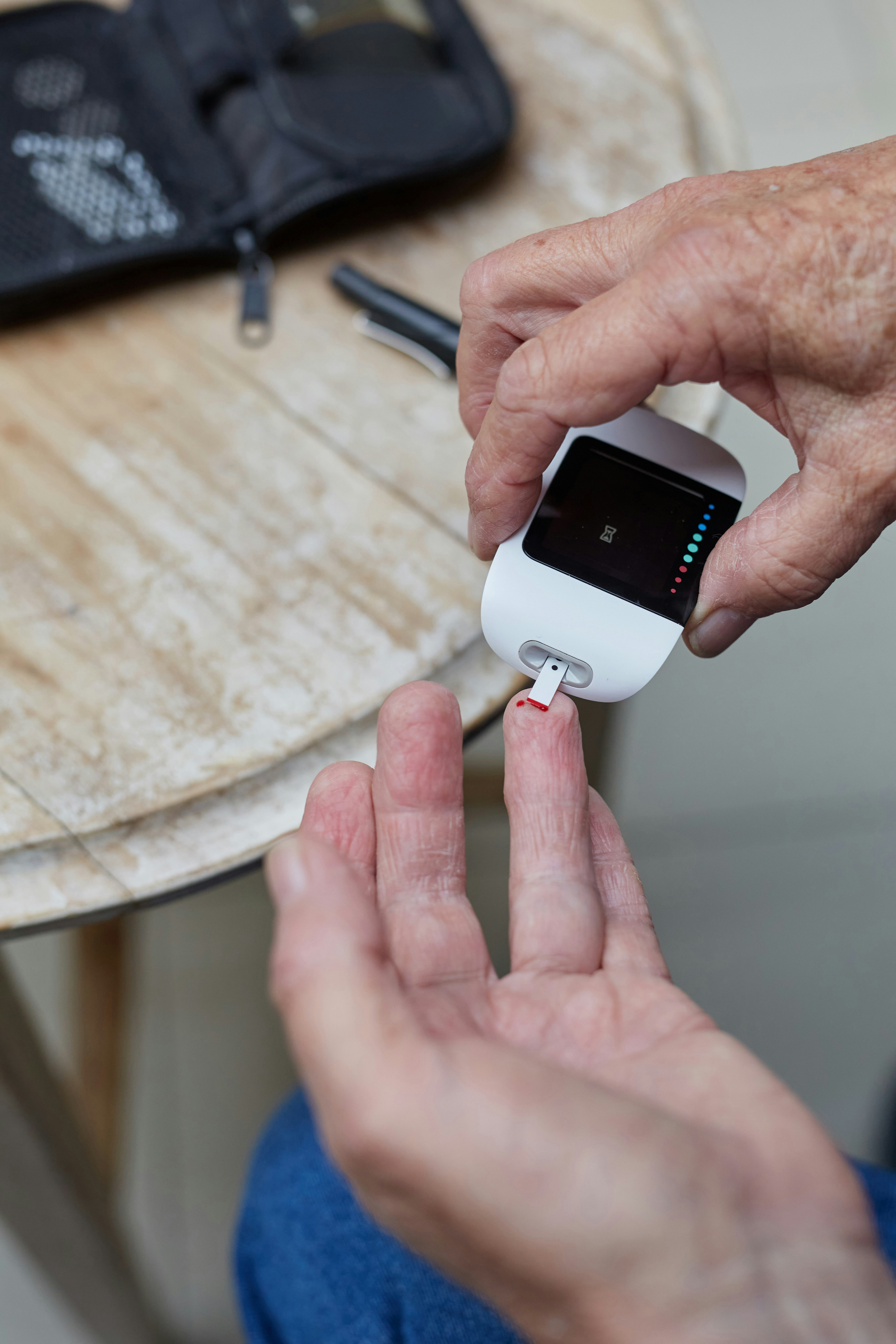
Diabetes is a condition that arises when your body struggles with insulin production or utilization. Insulin is the hormone that helps your body convert sugar (glucose) into energy. When things go awry, sugar levels in your bloodstream can rise dangerously high. This is when the complications begin, affecting your kidneys, eyes, nerves, and heart. Taking control of your diet is essential for managing these blood sugar levels effectively.
Types of Diabetes
To better understand diabetes, it’s useful to know the different types:
- Type 1 Diabetes is typically diagnosed in children and young adults. In this case, the body does not produce insulin at all.
- Type 2 Diabetes is the more common form, often developing in adults. It’s associated with insulin resistance, meaning the body doesn’t effectively use insulin.
- Gestational Diabetes occurs during pregnancy and usually disappears after childbirth, though it can increase the risk of developing type 2 diabetes later.
Dietary Choices Matter
This is where dietary choices come in. The foods you eat can have a profound effect on how your body processes sugar. A well-planned diet can help you maintain better control over your blood glucose levels.
My Dietary Approach
When I began my journey of reversing diabetes, I knew that a one-size-fits-all approach wouldn’t work. Instead, I focused on creating a personalized eating plan that was manageable, nutritious, and enjoyable.
Whole Foods Over Processed Foods
In the beginning, I committed to eating whole, unprocessed foods. This shift alone offered a significant change in how I felt both physically and mentally. Whole foods are packed with essential nutrients that your body craves.
Some examples of whole foods include:
| Food Type | Examples |
|---|---|
| Fruits | Berries, apples, oranges |
| Vegetables | Leafy greens, carrots |
| Whole Grains | Brown rice, quinoa |
| Proteins | Chicken, beans, tofu |
| Healthy Fats | Avocado, nuts, olive oil |
These foods helped stabilize my blood sugar levels and kept me feeling fuller and more energized throughout the day.
The Importance of Fiber
Fiber is your best friend on this journey. It slows down glucose absorption in the bloodstream, preventing those spikes in sugar that can be detrimental for someone with diabetes.
Including high-fiber foods such as beans, lentils, fruits, and vegetables made a noticeable impact.
Healthy Carbohydrates
I transformed my idea of carbohydrates. No longer was I afraid of them; instead, I focused on consuming healthy carbohydrates that come from whole, unprocessed sources.
Some smart carb choices include:
| Carb Source | Why It’s Good |
|---|---|
| Sweet potatoes | High in fiber and nutrients |
| Quinoa | Complete protein source |
| Oats | Great for heart health |
| Legumes | Packed with protein and fiber |
By choosing complex carbohydrates, I sustained my energy levels throughout the day while maintaining steady blood sugar levels.
Meal Planning
Creating a meal plan was pivotal for me in ensuring I stayed on track. Here’s how I approached it:
Breakfast: Start the Day Right
Breakfast sets the tone for the day, and by incorporating proteins and fibers, I found I could keep my blood sugar levels steady. Here’s a simple breakfast template that worked wonders for me:
| Breakfast Option | Description |
|---|---|
| Greek yogurt with berries | High in protein and low in sugar |
| Oatmeal with nuts | Provides fiber and healthy fats |
| Scrambled eggs with spinach | Packed with protein and nutrients |
Lunch: Balance Is Key
For lunch, I aimed for a balance of lean protein, healthy fats, and plenty of vegetables. This combination keeps you satisfied and your energy levels stable. Here are some lunch ideas:
| Lunch Option | Description |
|---|---|
| Grilled chicken salad | Loaded with greens and a light vinaigrette |
| Quinoa bowl with roasted veggies | A hearty option packed with nutrients |
| Lentil soup | Great source of fiber and protein |
Dinner: Wind Down with Nourishment
Dinner was about satisfying cravings while maintaining nutritious choices.
| Dinner Option | Description |
|---|---|
| Baked salmon with asparagus | Rich in omega-3 fatty acids |
| Stir-fried tofu with mixed vegetables | A healthy, plant-based protein source |
| Zucchini noodles with marinara sauce | Low-carb alternative to pasta |
Snacking Smart
Healthy snacks helped curb hunger without causing blood sugar spikes. I loved options that combined healthy fats, protein, and fiber to keep me full. Some go-to snacks included:
| Snack Option | Benefits |
|---|---|
| Mixed nuts | Source of healthy fats and protein |
| Celery with hummus | Crunchy and satisfying with fiber |
| Cottage cheese with fruit | Rich in protein and deliciously refreshing |
Staying Well-Hydrated
Hydration also plays a crucial role in managing diabetes. Water is your best choice, but adding herbal teas or infused water with fresh fruits can make it more enjoyable.
The Role of Mindfulness
While dietary changes were essential, I also found that practicing mindfulness around food was equally important. By being mindful about what I ate, I could pay attention to my body’s hunger cues and avoid overeating.
Listening to Your Body
This means acknowledging when you’re physically hungry and stopping when you’re full. It’s about appreciating the flavors and textures of your food, transforming eating from a mundane task into a pleasurable experience.

Building a Support System
Having a support system made all the difference in sticking to my new eating habits. Sharing my journey with friends, family, or a group of like-minded individuals provided motivation, camaraderie, and sometimes a much-needed nudge.
Seeking Professional Guidance
Consulting a nutritionist who specializes in diabetes management can provide you with tailored advice and strategies that suit your lifestyle. They can help you craft a meal plan that takes into account your preferences, ensuring you’re not sacrificing joy for health.
Staying Active: Complementing Your Diet
Diet and exercise go hand-in-hand when managing diabetes. I incorporated physical activities that I genuinely enjoyed. You don’t have to devote hours in a gym; even a daily walk or dance class can benefit.
Finding Exercise You Enjoy
Here are some activities that helped me stay active without feeling overwhelmed:
| Activity | Benefits |
|---|---|
| Walking | Easy to integrate into daily life |
| Dancing | Fun and social way to exercise |
| Yoga | Promotes flexibility and mindfulness |

Tracking Your Progress
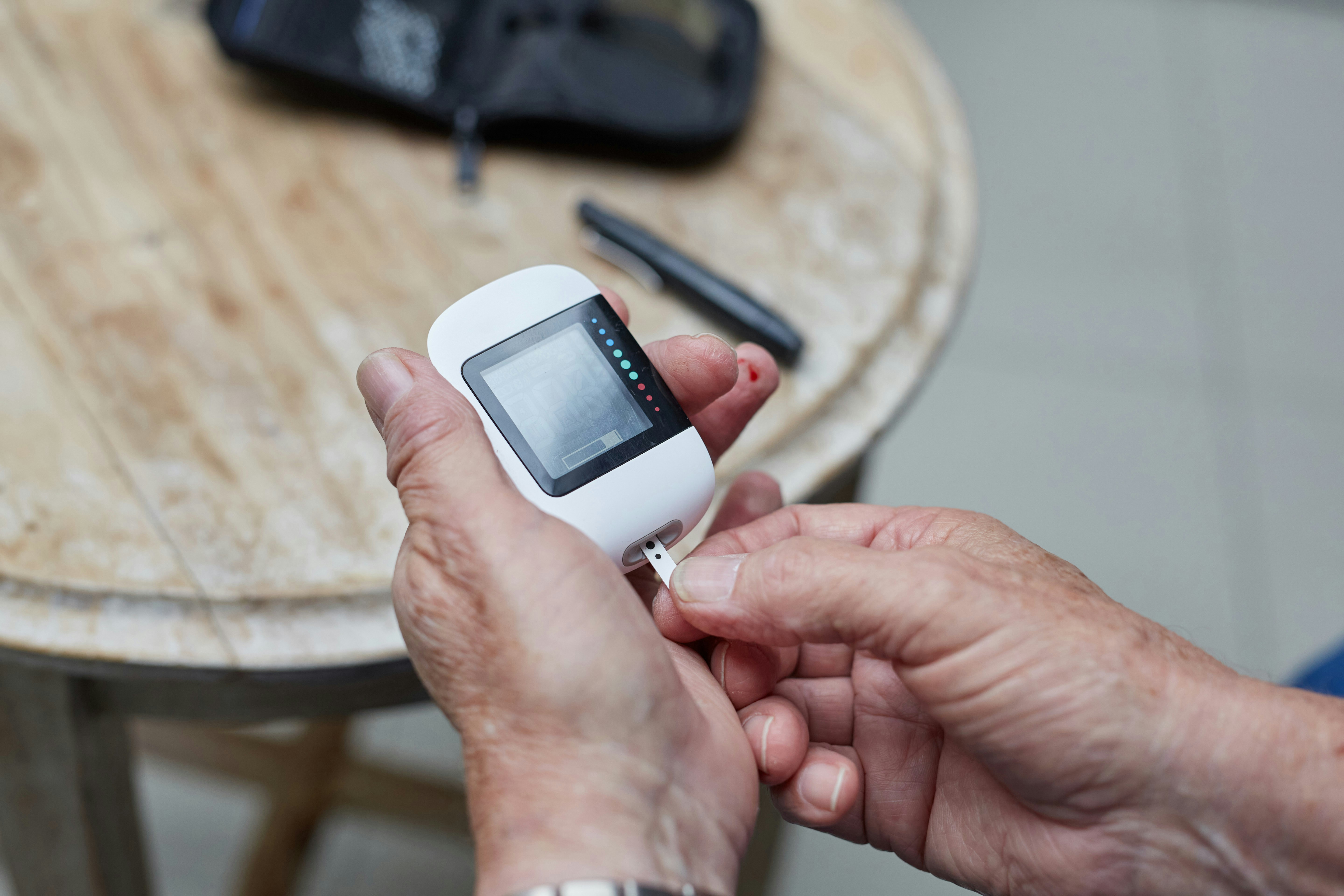
Monitoring your blood sugar levels and keeping a food diary was incredibly enlightening. Noting what I ate and how it affected my blood sugar helped me identify patterns and adjust as needed.
Conclusion: Your Journey
Reversing diabetes through diet is a journey that takes time, patience, and persistence. It’s about creating a balanced lifestyle that nourishes not just the body but the spirit as well. Every meal is an opportunity for you to take control.
Remember, it’s perfectly fine to have ups and downs. Embrace the process, seek enjoyable foods, and keep learning. Your health is a treasure, and taking steps to care for it reflects a beautiful commitment to yourself. By integrating wholesome foods, remaining active, and centering your meals around mindfulness, you’ve already initiated powerful changes.
As you embark on this journey, always remember—you are not alone. Reach out for support, stay curious, and never shy away from asking questions. There is a whole community out there cheering you on, ready to help you navigate this transformative experience.
