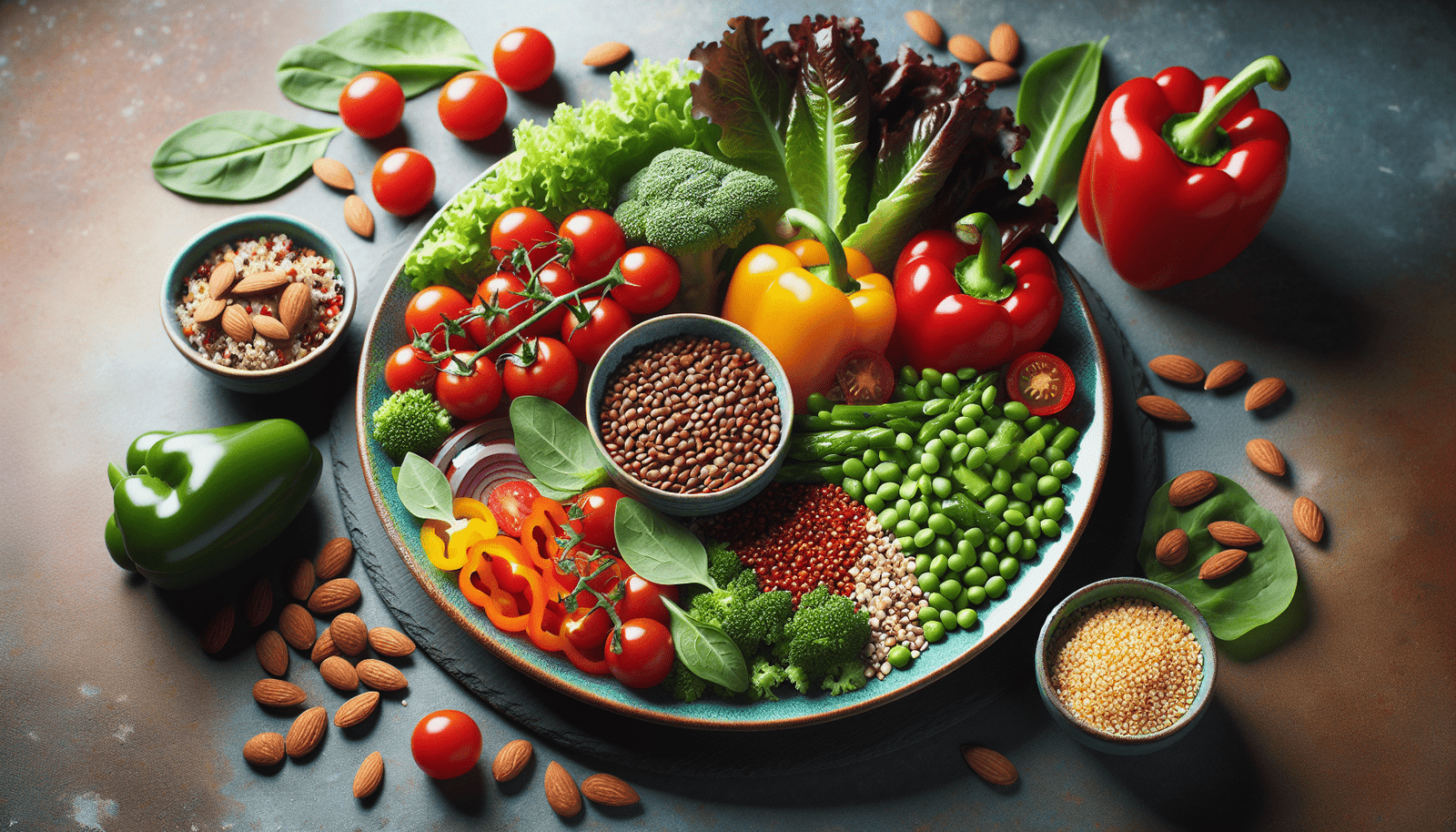
What if you had the power to influence your health simply by making better food choices? It might sound too good to be true, but managing high blood sugar is often about selecting the right foods. If you’re navigating through the maze of dietary options while trying to keep your blood sugar levels in check, you’re not alone. There are delicious and nutritious meals that can help you achieve balance. Let’s take a closer look at what you can eat to support your health.
Understanding High Blood Sugar
High blood sugar, or hyperglycemia, occurs when your body has excess glucose in the bloodstream. It’s important to know that this condition can lead to various health issues over time, including diabetes.
Understanding what impacts your blood sugar levels can empower you to take control. Factors such as carbohydrate intake, your body’s response to insulin, and meal timing play crucial roles. So, what foods can stabilize your levels?
The Role of Carbohydrates
Carbohydrates are one of the primary sources of energy for our bodies, but not all carbs are created equal. When you eat foods high in simple carbohydrates like sugar or white bread, they can cause a rapid spike in blood sugar.
On the other hand, complex carbohydrates found in whole grains, legumes, and vegetables digest more slowly, providing a steady release of glucose. By choosing the right carbs, you can maintain a more stable blood sugar level.
Why Fiber Matters
Incorporating fiber into your diet is like having a superhero by your side. Soluble fiber, in particular, helps slow glucose absorption and can lead to improved blood sugar control. Foods rich in fiber include:
- Whole grains (like oats, quinoa, and barley)
- Fruits (especially apples, pears, and citrus)
- Vegetables (particularly those with edible skins)
- Legumes (such as lentils, chickpeas, and black beans)
Filling your plate with these fiber-rich foods can not only help maintain balanced sugar levels but also keep you feeling fuller for longer.
Healthy Fats Can Be Your Friends
While fat has long been demonized, not all fats are bad. In fact, healthy fats can support blood sugar control by slowing down carbohydrate absorption and improving insulin sensitivity. Options to consider include:
- Avocado
- Nuts and seeds
- Olive oil
- Fatty fish (like salmon and mackerel)
Incorporating these sources of healthy fat into your meals can lead to more balanced blood sugar levels over time.
Building a Balanced Plate
When it comes to meals, balance is key. Aim to fill your plate with a combination of macronutrients: proteins, carbohydrates, and fats. Here’s a simple outline to structure a balanced plate:
Portion Control: Finding Your Balance
Portion control can make a significant difference in how your body processes food. Here’s a guideline:
| Food Group | Portion Size | Examples |
|---|---|---|
| Protein | 1/4 of your plate | Grilled chicken, tofu, fish |
| Carbs | 1/4 of your plate | Quinoa, brown rice, sweet potatoes |
| Vegetables | 1/2 of your plate | Leafy greens, broccoli, bell peppers |
| Healthy Fats | A small amount | Olive oil drizzle, avocado slice |
By visually dividing your plate, you can easily ensure you’re getting a healthy balance in every meal.
The Importance of Meal Timing
Meal timing can also influence blood sugar fluctuations. Regular meals and snacks help keep levels steady. Consider incorporating the following practices:
- Have three balanced meals spaced out every 4-5 hours.
- Opt for small, healthy snacks between meals if you’re feeling hungry.
- Pay attention to portion sizes, especially with carbohydrates.
Hydration Matters
Did you know that staying hydrated is just as crucial as what you’re eating? Water is vital for your overall health and can help regulate your blood sugar levels. Aim for at least 8 cups of water a day or more if you’re active.
If plain water isn’t your favorite, consider infusing it with slices of lemon or cucumber for a refreshing twist. Herbal teas or diluted drinks can also be good options.

Foods to Embrace
Let’s get into the nitty-gritty of specific foods that are beneficial when managing high blood sugar.
Non-Starchy Vegetables: A Wealth of Nutrients
Vegetables are packed with vitamins and minerals. Non-starchy options not only provide essential nutrients but have a low glycemic impact. Great choices include:
- Spinach
- Kale
- Zucchini
- Cauliflower
- Broccoli
These veggies can be the stars of your meals—whether in salads, stir-fries, or simply steamed.
Whole Grains: A Better Alternative
Whole grains have proven to be far more beneficial than their refined counterparts. Consider adding these to your diet:
- Brown rice
- Quinoa
- Barley
- Oats
Each option is a hearty choice that also offers fiber, vitamins, and minerals, which can contribute to better blood sugar regulation.
Lean Proteins: Nourish Without the Spike
Including proteins in your diet is essential; they provide the energy necessary for daily activities without causing blood sugar spikes. Lean proteins might include:
- Chicken breast
- Turkey
- Fish (salmon, mackerel)
- Eggs
- Legumes and beans
These options will help you feel satiated without negatively affecting your blood sugar levels.
Fruits: Sweet Yet Powerful Allies
Fruits, while sweet, can be part of a blood sugar-friendly diet—especially if you choose wisely. Opt for low-glycemic fruits, such as:
- Berries (strawberries, blueberries)
- Apples
- Pears
- Oranges
These fruits can add a refreshing sweetness to your meals without putting your blood sugar at risk.
Dairy and Alternatives
If you consume dairy, opt for low-fat or unsweetened varieties to avoid added sugar. Alternatives like unsweetened almond or soy milk are also great.
Healthy Snacks: Keep Nourishment Handy
Having healthy snacks on hand can prevent you from reaching for sugary treats. Some options include:
- Mixed nuts
- Hummus with carrot sticks
- Greek yogurt topped with berries
- Popcorn (unsalted and air-popped)
Ensuring that you’re well-equipped with nourishing snacks can make a world of difference throughout the day.
Foods to Avoid
To effectively manage high blood sugar, it’s also vital to understand what to keep off your plate.
Refined Carbohydrates: A Recipe for Spikes
Refined carbs like white bread, pastries, and sugary cereals can quickly lead to a spike in blood sugar levels. They lack fiber and nutrients, making them less desirable choices.
Sugary Beverages: A Hidden Danger
Sodas, energy drinks, and sweetened coffees can be immensely high in sugar with little to no nutritional value. Opting for water or unsweetened drinks can help you avoid unnecessary spikes.
Highly Processed Foods: Read the Labels
Processed foods often contain hidden sugars and unhealthy fats. Always read labels for hidden carbs and ingredients that might contribute to blood sugar spikes.
The Power of Meal Prep
Consider implementing meal prep into your routine. Taking time to prepare meals in advance can help you make better choices and avoid unhealthy options when you’re rushed.
Tips for Effective Meal Prep
- Choose a day of the week to prepare meals.
- Cook in batches and store in portioned containers.
- Include a variety of proteins, grains, and veggies to keep every meal interesting.
The Role of Lifestyle Changes
Incorporating dietary changes is just one piece of the puzzle. Pair your healthy eating with lifestyle changes—like regular physical activity and managing stress.
The Benefits of Physical Activity
Regular exercise helps improve insulin sensitivity and can lead to better blood sugar control. Aim for at least 150 minutes of moderate aerobic exercise weekly, including:
- Walking
- Cycling
- Swimming
Remember that even small activities like taking the stairs can contribute to your overall wellness.
Stress Management: Calm Your Mind
Managing stress is crucial for overall health, as it can directly impact your blood sugar levels. Consider practices like:
- Meditation
- Deep breathing exercises
- Yoga
- Mindful walking
These techniques can help ground you and promote a sense of calm.
A Conversation with Your Healthcare Provider
Finally, it’s essential to have open conversations with your healthcare provider about your dietary changes. They can provide personalized recommendations that fit your specific health needs.
Regular Monitoring
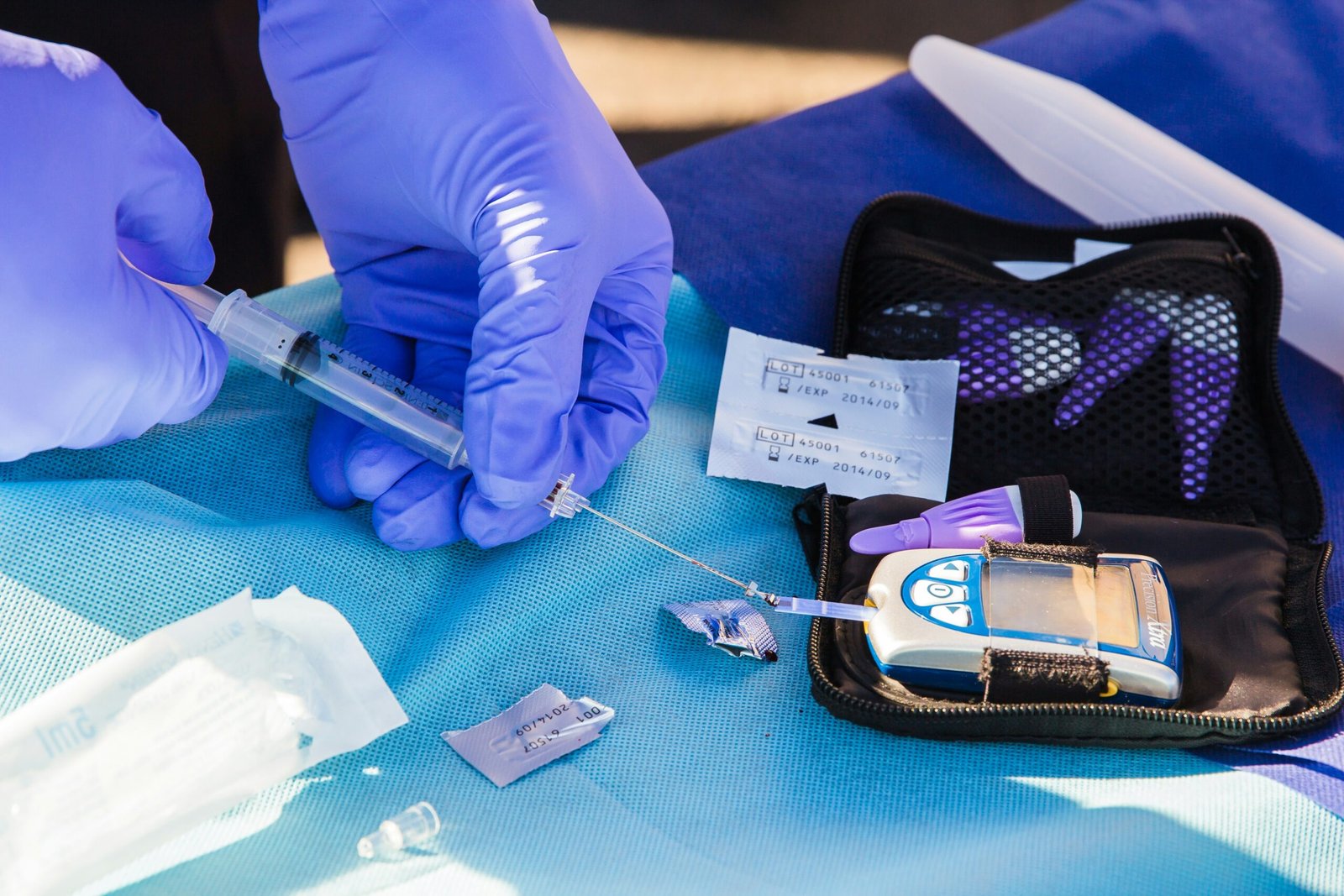
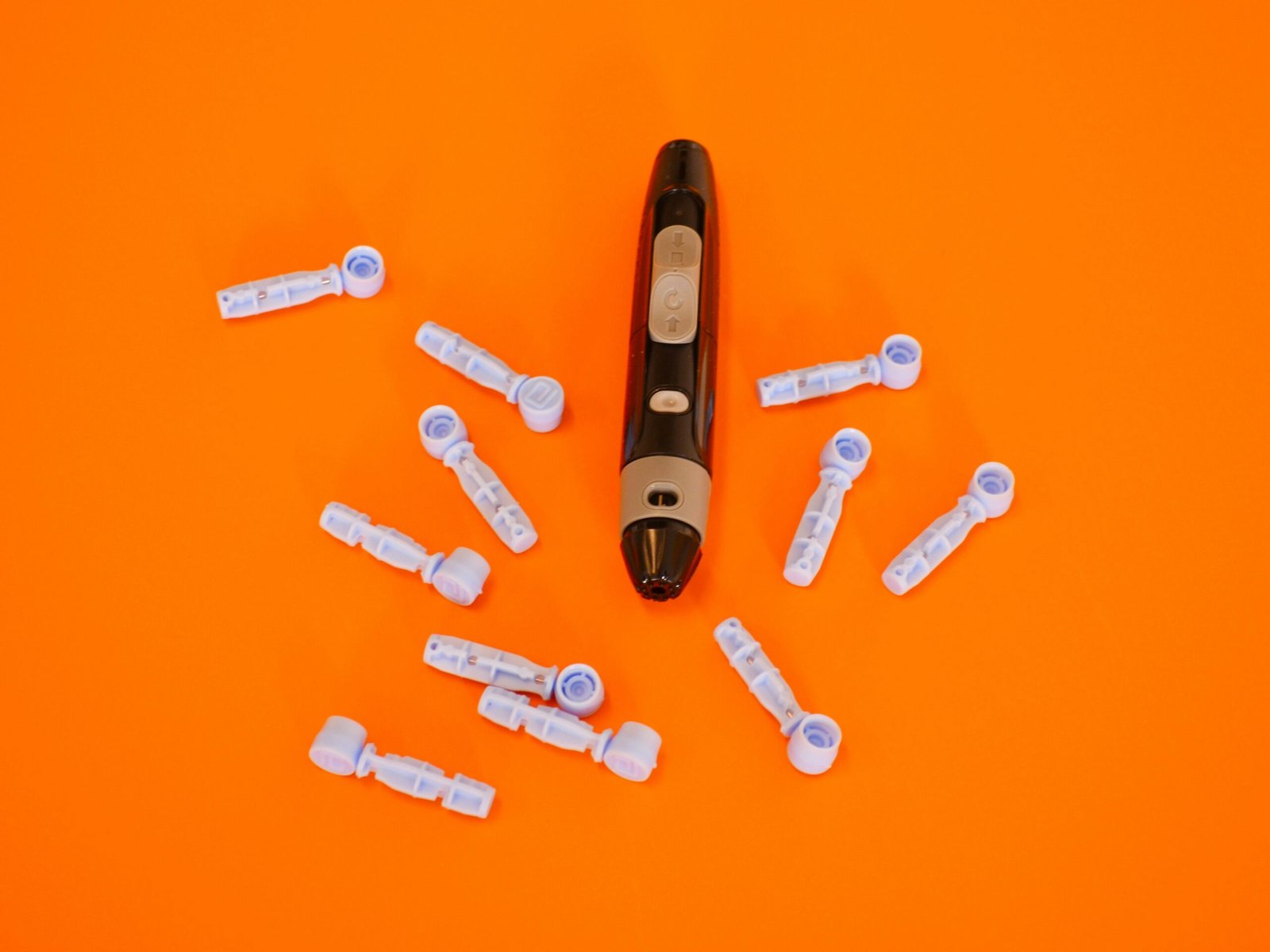
Keeping track of your blood sugar levels can help you assess how different foods affect you. Consider logging your meals and measurements to understand how to better manage your diet.
Conclusion: Your Journey to Health
Navigating high blood sugar doesn’t have to feel overwhelming. By focusing on whole foods, incorporating lean proteins, healthy fats, and plenty of fiber, you can create a delicious and balanced diet. With small changes over time, you can make a big impact on your health. Engage with your body and mind through food, and find joy in nourishing yourself with meals that support your well-being. Your journey is uniquely yours, and with care, you can take the steps necessary to thrive.