
What if I told you that the timing, composition, and size of your meals could play a significant role in managing your diabetes? For many, understanding the best meal to consume, and when, is crucial in maintaining healthy blood sugar levels. As you navigate through this, you’ll find that every meal holds purpose and that your choices can empower you in your diabetes journey.
Understanding Diabetes and Meal Timing
When it comes to diabetes, meal timing is just as important as what you eat. Your body reacts differently to various types of food throughout the day. Understanding how to time your meals can help you better manage your condition and ensure that your blood sugar remains stable.
Why is Meal Timing Important?
Consistent meal timing aids in stabilizing blood sugar levels. Irregular eating patterns can lead to erratic glucose levels. By keeping a regular schedule, you help your body anticipate when to release insulin, making it easier to maintain balance.
The Role of the Biggest Meal of the Day
Many cultures have a “biggest meal of the day,” often corresponding to dinner or lunch. For someone managing diabetes, this might not just be about cultural practices but also about metabolic management. The biggest meal can help saturate your body with nutrients while providing energy for the day ahead or the active hours you have planned.
Deciding What the Biggest Meal Should Be
Factors to Consider
When determining your biggest meal of the day, consider the following factors:
- Daily Schedule: If you are more active during certain parts of the day, plan to have a larger meal around that time.
- Personal Preference: You might feel more satisfied after eating a larger meal at a particular time. Your comfort plays an essential role in your ability to stick with a meal plan.
- Blood Sugar Management: Anticipate how certain meals affect your blood sugar levels. Reflect on your past experiences with each meal.
Timing of the Biggest Meal
Many people find that late afternoon or early evening is a great time for the biggest meal. However, if you have early mornings packed with activity or obligations, a larger breakfast could be more suitable.
Nutritional Elements of Your Biggest Meal
When preparing the biggest meal of the day, it’s crucial to include a balance of macronutrients. This holistic approach enables you to control your blood sugar while providing the necessary nutrients your body requires.
Carbohydrates: The Right Kind
Not all carbohydrates are created equal. Focus on whole grains, legumes, fruits, and vegetables. These complex carbs digest slowly, leading to a gradual release of glucose into your bloodstream, thus preventing sudden spikes.
Recommended Sources:
| Food Type | Examples |
|---|---|
| Whole Grains | Quinoa, Brown Rice, Oats |
| Legumes | Lentils, Chickpeas |
| Fruits | Berries, Apples |
| Vegetables | Broccoli, Spinach |
Proteins to Sustain Energy
Protein plays a key role in stabilizing your blood sugar levels. Incorporating lean meats, fish, eggs, dairy, and plant-based proteins can prevent you from feeling hungry shortly after a meal.
Recommended Sources:
| Food Type | Examples |
|---|---|
| Lean Meats | Chicken, Turkey |
| Fish | Salmon, Tuna |
| Eggs | Whole eggs |
| Plant-based | Tofu, Tempeh |
Healthy Fats for Satiety
Don’t shy away from fats, but choose wisely. Healthy fats support nutrient absorption and keep you full longer.
Recommended Sources:
| Food Type | Examples |
|---|---|
| Nuts | Almonds, Walnuts |
| Seeds | Chia, Flaxseed |
| Avocado | Fresh or as guacamole |
| Olive Oil | Extra virgin olive oil |
Ideal Combinations for the Biggest Meal
A Balanced Plate
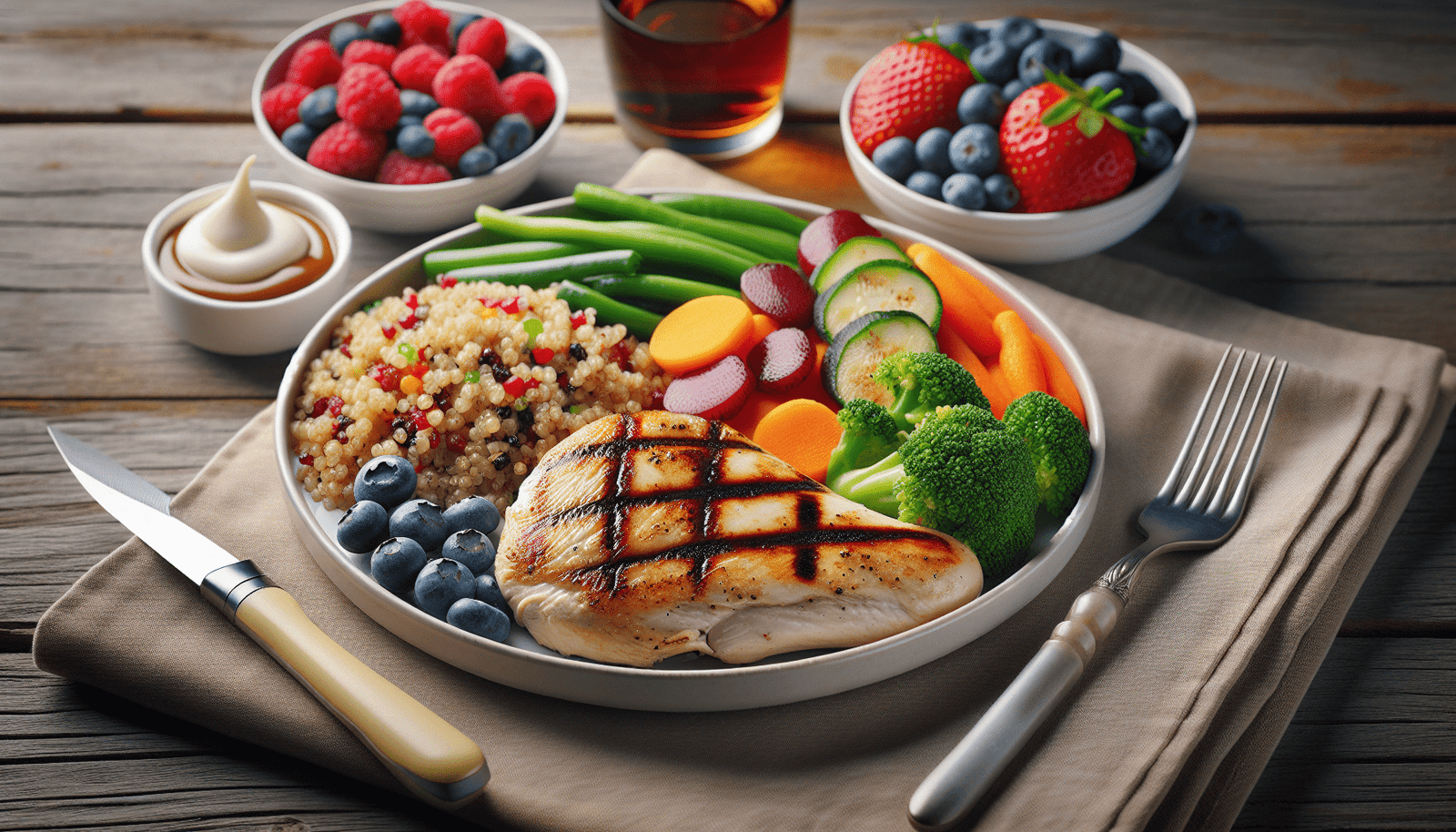
A plate that consists of half non-starchy vegetables, a quarter of healthy carbohydrates, and a quarter of protein can be an effective formula for your biggest meal.
Sample Meal Ideas:
| Meal Type | Components |
|---|---|
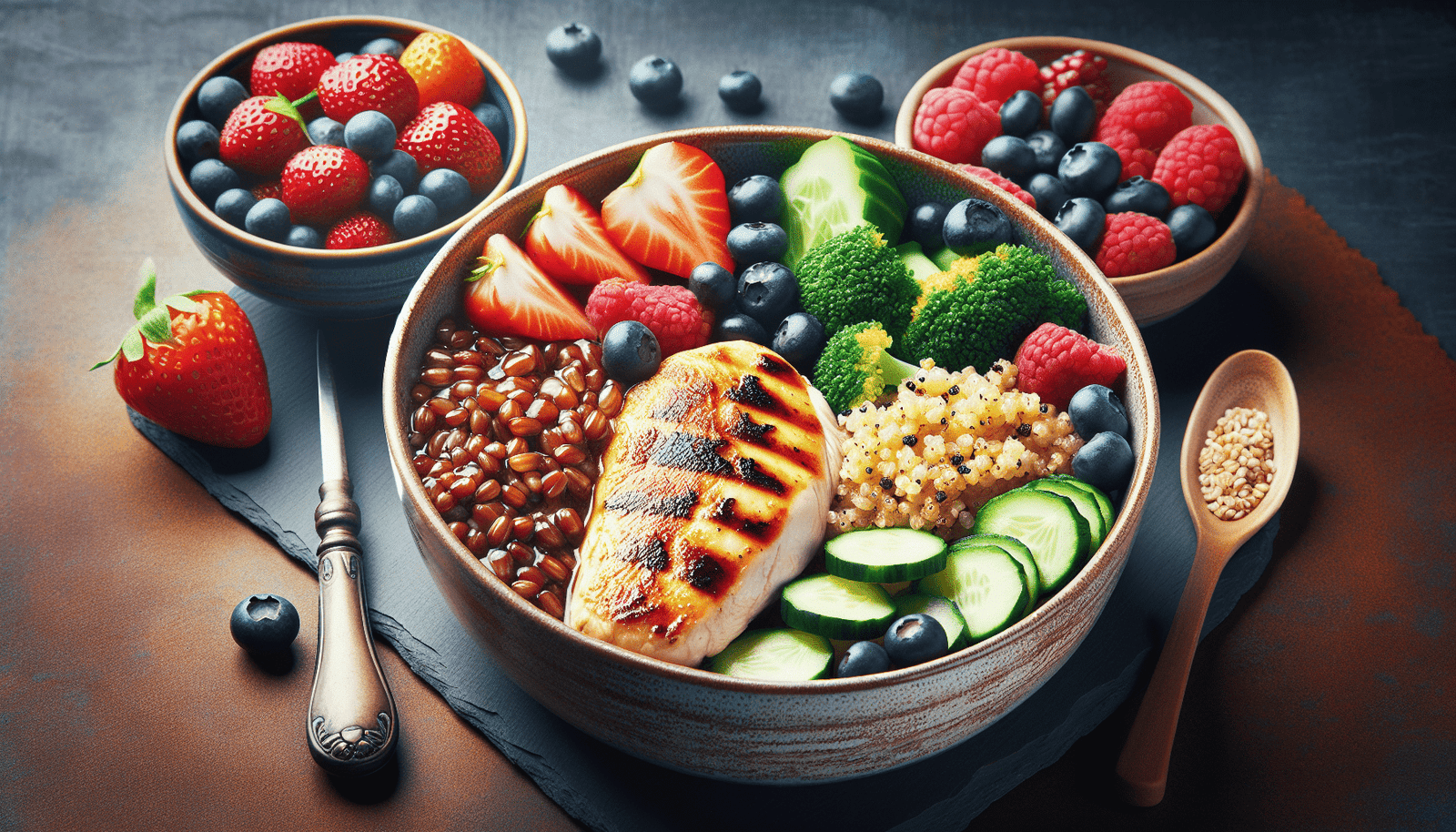
| Grilled Chicken Bowl | Grilled chicken, brown rice, mixed veggies |
| Quinoa Salad | Quinoa, black beans, avocado, spinach, dressing |
| Stir-fry | Tofu, broccoli, bell peppers, cauliflower rice |
Meal Timing within the Day
To manage your energy levels, consider how your biggest meal of the day integrates with your smaller meals or snacks. It’s essential to have smaller, balanced meals between your larger meals to prevent drastic blood sugar fluctuations.
Example Schedule:
| Time | Meal Type |
|---|---|
| 7:00 AM | Breakfast |
| 10:00 AM | Morning Snack |
| 1:00 PM | Main Lunch (Biggest Meal) |
| 4:00 PM | Afternoon Snack |
| 7:00 PM | Light Dinner |
Special Considerations for Personalization
Individualized Approach
Keep in mind that managing diabetes is not one-size-fits-all. Your unique medical history, lifestyle, and preferences are critical. Consulting a registered dietitian can help you design a meal plan that suits your specific needs.
Blood Sugar Monitoring
The importance of consistently monitoring your blood glucose levels cannot be understated. By tracking how different meals affect your levels, you can tailor your biggest meal according to your body’s signals.
The Psychological Aspect of Meals
Enjoy Your Food
Eating shouldn’t be just about the nutrients. The joy of cooking and sharing meals with loved ones is also essential for overall well-being. By focusing on flavorful and satisfying meals, you can elevate the experience beyond mere sustenance.
Mindfulness Practices
Practicing mindfulness while eating can enhance your meal experience. Take time to enjoy each bite, which can help you recognize feelings of fullness more effectively, ensuring that you eat just enough to satisfy your hunger.
Potential Pitfalls to Avoid
Overeating
While having a bigger meal is encouraged, be mindful not to overindulge. Overeating can lead to discomfort and spikes in blood sugar. Pay attention to portion sizes and the signals your body sends you during the meal.
Skipping Meals
If you’re planning on having a significant meal, it might be tempting to skip smaller ones. However, skipping meals can lead to extreme hunger and poor food choices later on. Maintain a consistent eating pattern to support your health.
Conclusion: Empowering Your Choices
Understanding the biggest meal of the day for diabetics is not merely about deciding which foods to include but about embracing a holistic approach that encompasses timing, composition, and personal preference. By taking into account how different foods impact your blood sugar levels and how you feel throughout the day, you empower yourself to take charge of your health.
Remember, your journey with diabetes is uniquely yours. Embrace the opportunity to learn and adapt within this framework. Your decisions at every meal contribute to your well-being and happiness. Thus, let nutrition not just be fuel but a source of joy, nourishment, and connection in your life.