
- Confirmation and Initial Shock: Grappling with the News
You’ve just received the words “acoustic neuroma.” It’s a term likely unfamiliar, carrying a weight of uncertainty that can immediately trigger a cascade of emotions. Firstly, understand that this is a significant moment, a turning point in your understanding of your health. The initial diagnosis, however it came about – through the investigation of persistent tinnitus, dizziness, or facial numbness – is the gateway to a new phase. This section is dedicated to helping you navigate those crucial first hours and days, acknowledging the emotional and practical hurdles you might face.
Feeling the Emotional Rollercoaster
It’s perfectly normal to feel a whirlwind of emotions. Shock is often the first visitor, a disbelief that something like this is happening to you. This might be followed by fear – fear of the unknown, fear of surgery, fear of the potential impact on your life. You might experience anxiety, a constant hum of worry about what lies ahead. Some people feel anger – why me? Others might delve into sadness, mourning the perceived loss of certainty and control. It is vital to acknowledge and validate these feelings. They are natural responses to a life-altering diagnosis. Don’t try to suppress them; instead, allow yourself to feel them. Journaling, talking to a trusted friend or family member, or seeking professional support can be incredibly beneficial in processing these initial emotional responses.
Understanding the “What” and “Why”
Your mind will likely be racing with questions. What exactly is an acoustic neuroma? It’s a tumor that develops on the vestibular nerve, the nerve that runs from your inner ear to your brain. Most acoustic neuromas are benign (non-cancerous) and grow very slowly. However, their location near vital structures like the brainstem and other cranial nerves means they can cause problems as they enlarge. Why you? For acoustic neuromas, the cause is often unknown. In a small percentage of cases, they are associated with a genetic condition called neurofibromatosis type 2 (NF2), but for most, there isn’t a clear genetic link or lifestyle factor that you could have controlled. Understanding these basic facts can help demystify the diagnosis and provide a foundation for moving forward.
The Importance of Your Medical Team
This is the moment to begin establishing a strong relationship with your medical team. You’ll likely be working with an ENT (ear, nose, and throat specialist), often one with a specialization in neurotology, and potentially a neurosurgeon or neuro-oncologist. Don’t hesitate to ask your doctors questions, no matter how small they may seem. Write them down before your appointments. It’s also a good idea to have a companion with you during consultations to help you absorb information and remember key details. Taking notes is essential. This team will be your guides throughout this journey, providing expertise and support.
Gathering Information (Responsibly)
While it’s natural to want to research, approach online information with caution. The internet can be a double-edged sword. You’ll find vast amounts of information, but not all of it is accurate or relevant to your specific situation. Stick to reputable sources: the websites of major medical institutions, patient advocacy groups specifically for acoustic neuroma, and your doctors’ recommendations. Be wary of anecdotal evidence that might induce unnecessary fear. Focus on understanding the general principles of diagnosis and treatment options, and then discuss how they apply to your case with your medical team.
The Role of Imaging
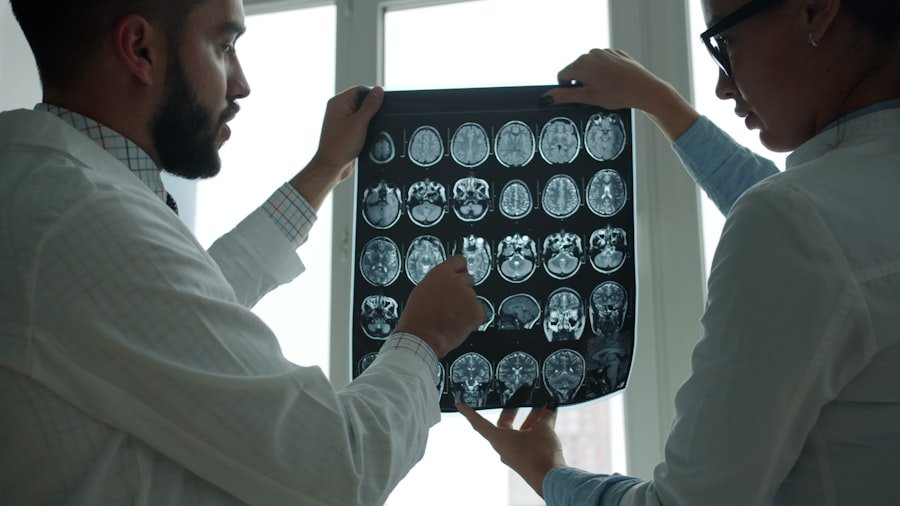
An MRI (Magnetic Resonance Imaging) scan is the gold standard for diagnosing acoustic neuromas. It provides highly detailed images of the brain and surrounding structures, allowing doctors to visualize the tumor’s size, location, and whether it’s pressing on any nerves. You might have had this scan already to reach the diagnosis, or you may have more scans scheduled. Understanding what these scans show and how they are used to make treatment decisions is a crucial part of your educational journey. Ask your doctor to explain your specific imaging results.
- Understanding Your Treatment Options: A Personalized Path Forward
Once the initial shock subsides, you’ll move into the phase of understanding what can be done. Acoustic neuromas, while a serious diagnosis, are often manageable. The key is that there isn’t a one-size-fits-all approach. Your treatment plan will be tailored to you, considering factors like the tumor’s size, its location, your age, your overall health, and your symptoms. This section will walk you through the primary treatment modalities you’ll be discussing with your medical team.
Watchful Waiting (Observation)
For very small tumors, particularly those that are asymptomatic or causing only minor symptoms, your doctor might recommend a strategy of “watchful waiting” or active surveillance. This doesn’t mean doing nothing; rather, it means monitoring the tumor’s growth to ensure it remains stable. This approach involves regular MRI scans (typically every 6-12 months initially) and periodic check-ups with your doctor. The rationale here is that some small acoustic neuromas grow incredibly slowly, or not at all, and the risks associated with immediate treatment might outweigh the benefits. This is a valid course of action, and being comfortable with it requires trust in your medical team and a commitment to regular follow-up.
Surgical Intervention: Removing the Tumor
Surgery is a common treatment for acoustic neuromas, especially for larger tumors or those causing significant symptoms.
Different Surgical Approaches
There are several surgical approaches, each with its own advantages and potential risks, and your surgeon will recommend the best one for you:
- Translabyrinthine (TL) Approach: This approach involves removing the bone behind the ear canal and going through the inner ear structures. It offers excellent access to the tumor and a good chance of complete removal, but it typically results in permanent hearing loss in the affected ear.
- Suboccipital (or Retrosigmoid) Approach: In this method, the surgeon makes an incision at the back of the head, behind the ear. This approach aims to preserve hearing and facial nerve function more effectively than the TL approach, but it may be more challenging for very large tumors.
- Middle Fossa Approach: This approach involves an incision above the ear and offers good access to the tumor while minimizing disruption to the inner ear and hearing structures. It’s often used for smaller tumors located in the upper part of the internal auditory canal.
The Goals of Surgery
The primary goals of surgery are to remove the tumor, relieve pressure on the facial nerve and brainstem, and, if possible, preserve hearing and facial nerve function. Complete removal is often possible, but sometimes, especially for very large tumors that are adherent to critical structures, a subtotal removal might be performed, followed by radiation if necessary. Your surgeon will discuss the chances of achieving these goals in your specific case.
Radiation Therapy: Targeting the Growth
Radiation therapy is another effective treatment option, often used for patients who are not surgical candidates, for residual tumor after surgery, or as a primary treatment itself.
Types of Radiation Used
- Stereotactic Radiosurgery (SRS): This is a highly precise form of radiation delivery that uses focused beams of radiation to deliver a high dose to the tumor while minimizing damage to surrounding healthy tissue. Techniques like Gamma Knife, CyberKnife, or linear accelerator-based SRS are commonly used. SRS is typically a one-time treatment.
- Stereotactic Radiation Therapy (SRT): Similar to SRS, but it may be delivered over a few sessions (fractions) rather than a single dose.
- Fractionated Radiation Therapy: This involves delivering smaller doses of radiation over several weeks. It might be used for larger tumors or when there’s a concern about damaging surrounding nerves.
How Radiation Works
Radiation therapy works by damaging the DNA of tumor cells, preventing them from growing and dividing. The goal is not necessarily to shrink the tumor immediately, but to stop its growth. It may take months or even years to see any reduction in tumor size, and sometimes it remains unchanged, but its progression is halted.
Making Your Decision
Deciding on a treatment pathway can be overwhelming. You’ll want to have in-depth conversations with your doctor, exploring the pros and cons of each option as they relate to your tumor and your life. Consider your personal values, your tolerance for risk, and your priorities regarding potential side effects like hearing loss, tinnitus, and facial weakness. Don’t be afraid to seek a second opinion from another specialist if it would help you feel more confident in your decision.
- Navigating the Recovery Process: Healing and Adaptation
Once a treatment has been chosen and initiated, your focus shifts to recovery. This period is characterized by healing, adaptation, and regaining your footing. The specifics of your recovery will depend heavily on the treatment you received, but there are common threads of experience that you’ll likely encounter. This section aims to prepare you for what to expect in the weeks and months following your treatment.
Post-Surgery Recovery: What to Anticipate
If you underwent surgery, your immediate recovery will involve a hospital stay. You’ll likely experience some pain, which will be managed with medication. You might have bandages, and potentially drainage tubes. Your surgical team will monitor you closely for any complications.
Immediate Post-Operative Effects
- Pain and Discomfort: This is expected and manageable.
- Fatigue: You will likely feel very tired. This is your body’s natural response to surgery.
- Dizziness and Balance Issues: Due to the manipulation of the vestibular nerve, you may experience significant dizziness and unsteadiness. This is often temporary but can be quite disconcerting.
- Facial Weakness or Numbness: Depending on the surgical approach and whether the facial nerve was directly involved or manipulated, you might experience temporary or, in some cases, permanent weakness or numbness in your face.
- Hearing Changes: Hearing loss in the affected ear is a common outcome of surgery, especially with approaches that go through the inner ear. Tinnitus might also be present or worsen.
- Swelling: Swelling around the incision site is normal.
Rehabilitation and Physical Therapy
Your recovery will involve a period of rehabilitation. For dizziness and balance issues, physical therapy is invaluable. A vestibular therapist will guide you through exercises designed to help your brain compensate for the changes in your inner ear. These exercises are crucial for regaining your balance and confidence in movement. You’ll be encouraged to move as much as your body allows, gradually increasing your activity levels.
Post-Radiation Recovery: A Different Timeline
Recovery from radiation therapy is generally less acute than post-surgery but unfolds over a longer period.
Early Side Effects
- Fatigue: This is a common side effect of radiation therapy. It tends to build over the course of treatment and can persist for several weeks or months afterward.
- Hearing Changes: Similar to surgery, radiation can affect hearing, often causing a gradual decline in the affected ear. Tinnitus can also be exacerbated.
- Skin Irritation: The skin at the treatment site might become red, dry, or irritated, similar to a sunburn.
- Nausea/Headaches: Though less common with modern techniques, some individuals may experience mild nausea or headaches.
Long-Term Adaptation
The effects of radiation on hearing and facial nerve function can sometimes manifest or worsen months or even years after treatment. Your medical team will monitor you closely with regular MRI scans and audiology tests to track any changes. The primary goal is to halt tumor growth, and the immediate side effects are often manageable with time and supportive care.
Managing Persistent Symptoms
It’s important to acknowledge that some symptoms may persist beyond the immediate recovery period. Hearing loss, tinnitus, and facial weakness can be long-term realities for some individuals.
Strategies for Living with Hearing Loss
If you experience hearing loss, explore strategies to adapt. Hearing aids can be very effective, especially for unilateral (one-sided) hearing loss. Assistive listening devices, such as loop systems or remote microphones, can be helpful in noisy environments. Communication strategies, like facing the person when they speak, reducing background noise, and asking for repetition when needed, can make a significant difference. Consider joining support groups for individuals with hearing loss.
Coping with Tinnitus
Tinnitus, the perception of ringing or buzzing in the ear, can be a challenging symptom. While there’s often no complete cure, therapies like sound therapy (using white noise or other neutral sounds to mask the tinnitus), cognitive behavioral therapy (CBT) to help manage the emotional distress associated with tinnitus, and mindfulness techniques can be highly effective in reducing its impact on your life.
Addressing Facial Nerve Issues
If you experience facial weakness, your physical therapist and potentially an occupational therapist can help you with exercises to improve facial muscle control and function. In some cases, cosmetic or reconstructive surgery might be considered for significant or permanent weakness.
The Role of Ongoing Medical Follow-Up
Your journey doesn’t end with treatment. Regular follow-up appointments are crucial to monitor for any recurrence or regrowth of the tumor, as well as to manage any long-term side effects. Adherence to these appointments, which will become less frequent over time but remain important, is vital for your long-term well-being.
- Adapting to Life After Treatment: Building Resilience and Finding Your New Normal
The physical healing process is a significant part of your journey, but the emotional and psychological adaptation to life after an acoustic neuroma diagnosis and treatment is equally, if not more, profound. You’ve faced a serious health challenge, and navigating the “new normal” requires resilience, patience, and self-compassion. This section explores how you can not only cope but thrive in the aftermath of your diagnosis.
Emotional and Psychological Well-being: Prioritizing Your Mental Health
The experience of having a serious diagnosis and undergoing treatment can take a toll on your mental health. It’s important to actively nurture your emotional well-being.
Reconnecting with Yourself and Your Emotions
Allow yourself time to process the entire experience. You might feel relief that treatment is over, but also residual anxiety or a sense of vulnerability. Acknowledging these feelings is a sign of strength, not weakness. If you find yourself struggling with persistent anxiety, depression, or intrusive thoughts, seeking professional help from a therapist or counselor specializing in health psychology or trauma can be incredibly beneficial. They can provide tools and strategies for managing these challenges.
The Importance of Social Support
Your relationships are a vital anchor. Lean on your friends, family, and partners. Communicate your needs and feelings openly. It’s also incredibly helpful to connect with others who have gone through similar experiences. Online forums, in-person support groups, or patient advocacy organizations can offer a community of understanding and shared wisdom. You are not alone in this.
Mindfulness and Stress Management Techniques
Developing coping mechanisms for stress is essential. Practices like mindfulness meditation, deep breathing exercises, yoga, or tai chi can help calm your nervous system, reduce anxiety, and improve your overall sense of well-being. Incorporating these into your daily routine, even for a few minutes, can make a significant difference.
Re-engaging with Daily Life: Finding Your Pace
The transition back into your everyday life may feel like a marathon, not a sprint. Be patient with yourself.
Returning to Work or Hobbies
Your ability to return to work or your previous hobbies will depend on your individual recovery. Discuss this with your doctor. You might need to start with a reduced schedule or adapt your work environment. Similarly, ease back into hobbies and activities gradually. If you were an avid runner, don’t expect to be back at your previous pace immediately. Celebrate small victories and acknowledge your progress.
Physical Reintegration
As you regain strength and balance, you’ll naturally want to resume your physical activities. Listen to your body. If you experience dizziness or fatigue, take a break. Gradually increase the intensity and duration of your exercise. Your physical therapist can help you create a personalized fitness plan. Continuing to focus on balance and coordination exercises, even after formal therapy ends, can be beneficial.
Cognitive Adjustments
Some individuals report subtle changes in cognitive function, such as difficulties with concentration or memory, following treatment. This is often temporary and can be influenced by fatigue and the emotional impact of the diagnosis. Engaging in mentally stimulating activities, like reading, puzzles, or learning new skills, can help maintain cognitive health. If these issues persist and significantly impact your daily life, consult your doctor.
Advocating for Yourself: Empowerment and Control
You are the primary advocate for your health. After going through this experience, you’ll likely develop a stronger sense of self-advocacy.
Understanding Your Medical Records
Take the time to understand your medical records. Keep copies of key reports, scan results, and treatment plans. This empowers you to have informed conversations with your medical team and any new specialists you might encounter.
Communicating Your Needs Effectively
Continue to be clear and assertive with your healthcare providers. Don’t hesitate to ask questions, express concerns, and seek clarification. If you feel unheard or dismissed, it’s perfectly acceptable to seek advice from another professional.
Building a Support Network Within Your Healthcare Team
Maintain strong relationships with your ENT, neurosurgeon, audiologist, and any other specialists involved in your care. They are your partners in long-term health management. Proactive communication about how you are feeling, both physically and emotionally, is key.
Looking Towards the Future: Embracing Life Fully
The diagnosis and treatment of an acoustic neuroma, while a significant hurdle, can also be a catalyst for deeper appreciation of life.
Embracing Gratitude and New Perspectives
Many people find that this experience shifts their perspective. They may develop a greater appreciation for their health, their relationships, and the simple joys of everyday life. Cultivating gratitude can be a powerful tool in fostering well-being.
Setting New Goals and Pursuing Passions
You might find yourself re-evaluating your priorities. This can be an opportunity to pursue long-held dreams, explore new passions, or make changes that align more closely with your values. Your experience has likely made you stronger and more resilient; use this to fuel your future endeavors.
Living with Vigilance, Not Fear
It’s natural to have a heightened awareness of your health moving forward. However, strive to live with vigilance rather than constant fear. Your ongoing medical follow-up is designed to catch any issues early, allowing you to live your life fully and confidently.
- The Role of Family and Friends: Your Essential Support System
You are not alone in this journey. The diagnosis and treatment of an acoustic neuroma profoundly affect not only you but also your loved ones. Your family and friends form your essential support system, and understanding their role, as well as how you can best collaborate with them, is crucial for a smoother experience. This section focuses on the vital contribution of your support network.
Informing Your Loved Ones: Sharing the News
Delivering the news of your diagnosis can be difficult, but transparency is key.
Deciding What, When, and How to Share
Consider who you want to tell and when. Some individuals prefer to process the news themselves for a period before sharing, while others want immediate support. Tailor your communication to the individual. Some may want detailed medical explanations, while others might prefer a simpler overview. Be prepared for a range of emotional responses from your loved ones. They will likely be worried, scared, and unsure how to help.
Explaining the Diagnosis in Understandable Terms
Equip your loved ones with basic information about acoustic neuromas. You don’t need to be an expert, but understanding that it’s a tumor on a nerve, often benign and slow-growing, can alleviate some of their initial fears. Explain what the symptoms were that led to the diagnosis and what the general treatment options are. Encourage them to ask questions.
Managing Different Reactions
Your family and friends will react differently. Some might become overly anxious and want to be constantly involved, while others might withdraw, unsure of how to approach the situation. Gently guide them on how they can best support you. Communicate your needs clearly. If you need space, let them know. If you need a listening ear, encourage them to be present.
Practical Support: Hands-On Assistance
The practicalities of managing a health condition can be overwhelming. Your support system can offer invaluable hands-on assistance.
Transportation to Appointments
Attending medical appointments, especially if they are frequent or far away, can be a significant logistical challenge. Having someone to drive you to and from appointments – especially pre- and post-surgery or radiation – can relieve a huge burden.
Assistance with Daily Tasks
During periods of recovery, especially after surgery, you might find it difficult to perform everyday tasks like cooking, cleaning, grocery shopping, or childcare. Your loved ones can step in to help manage these responsibilities, allowing you to focus on healing.
Meal Preparation and Nutrition
Maintaining good nutrition is important for recovery. Friends and family can help by bringing meals, cooking for you, or ensuring you have healthy snacks available.
Childcare or Pet Care
If you have young children or pets, managing their care during your recovery can be a significant concern. Your support network can offer crucial assistance in this area, providing peace of mind.
Emotional Support: Being There When It Matters Most
Beyond practical help, the emotional bedrock that your loved ones provide is immeasurable.
The Power of Listening
Sometimes, all that’s needed is a listening ear. Allow your loved ones to be there to hear your fears, your frustrations, and your hopes. Don’t feel pressured to always be strong; sharing your vulnerability can strengthen your bonds.
Offering Encouragement and Positivity
When you’re facing uncertainty, a word of encouragement or a positive outlook from a loved one can lift your spirits. They can remind you of your strength and resilience.
Providing Distraction and Normalcy
In the midst of medical concerns, your loved ones can offer moments of normalcy and distraction. Engaging in activities you enjoy together, like watching a movie, going for a gentle walk, or simply chatting about everyday life, can provide a much-needed respite.
Helping You Navigate Information
Dealing with complex medical information can be challenging. A trusted friend or family member can sit with you during doctor’s appointments, help you take notes, and assist in understanding the information shared.
Setting Boundaries: Ensuring Everyone’s Well-being
While support is crucial, it’s also important to establish healthy boundaries.
Communicating Your Limits
Be clear about what you can and cannot manage. It’s okay to say no if you’re feeling overwhelmed. Your loved ones will understand that your primary focus is on your recovery.
Their Well-being Matters Too
Remember that your loved ones are also going through an emotional process. Encourage them to take care of themselves and seek support if they need it. Caregiver burnout is real, and ensuring their well-being will allow them to continue supporting you effectively.
Building a Collaborative Approach
View your treatment journey as a collaborative effort. By working together with your support system, you can navigate this challenge more effectively and emerge stronger on the other side.
- Long-Term Outlook and Continued Monitoring: Living Well After an Acoustic Neuroma
Receiving an acoustic neuroma diagnosis and undergoing treatment is a significant chapter, but it is not the end of your story. Your medical journey continues beyond the initial treatment phase, focusing on long-term health, monitoring for any potential recurrence, and ensuring you can live a full and vibrant life. This section is dedicated to what you can expect in the years that follow your treatment and the strategies for maintaining your well-being.
Ongoing Medical Surveillance: The Importance of Regular Check-ups
Your relationship with your medical team doesn’t necessarily end after treatment; it evolves into a phase of ongoing surveillance.
The Purpose of Follow-Up MRI Scans
Regular MRI scans are a cornerstone of post-treatment management. These scans help your doctors monitor the area where the tumor was located for any signs of regrowth or recurrence. They also help assess for the development of new neuromas, particularly if you have a condition like NF2. The frequency of these scans will be determined by your medical team, often starting more frequently (e.g., every 6-12 months) and gradually becoming less frequent (e.g., annually or even less often) if no issues are detected.
Audiology and Vestibular Assessments
Regular hearing tests (audiograms) and balance assessments are also crucial. These tests help track any changes in your hearing and vestibular function, which can be affected by the tumor itself, the treatment, or natural aging processes. Early detection of hearing loss or balance issues allows for timely intervention and the implementation of appropriate management strategies.
Monitoring for Long-Term Side Effects
Your medical team will also monitor you for any long-term side effects of your treatment, such as persistent facial weakness, altered sensation, or ongoing tinnitus. Understanding these potential long-term effects allows for proactive management and the optimization of your quality of life.
Managing Residual Symptoms and Quality of Life
Even with successful treatment, some residual symptoms might persist. The focus here is on optimizing your quality of life by effectively managing these challenges.
Strategies for Hearing Impairment
If you have experienced significant hearing loss, explore all available options. This includes:
- Hearing Aids: Modern hearing aids are highly sophisticated and can significantly improve your ability to hear in various environments. For unilateral hearing loss, CROS (Contralateral Routing of Off-Axis Sound) hearing aids are a beneficial option.
- Assistive Listening Devices (ALDs): These devices, such as loop systems, FM systems, or specialized phone amplifiers, can enhance communication in specific situations.
- Communication Strategies: Continuing to practice and teach others effective communication strategies (e.g., facing the speaker, minimizing background noise, asking for repetition) remains vital.
Coping with Tinnitus
For those experiencing persistent tinnitus, a multi-faceted approach is often most effective:
- Sound Therapy: Utilizing background noise machines, fans, or specialized apps to mask the tinnitus can be very helpful.
- Cognitive Behavioral Therapy (CBT) and Tinnitus Retraining Therapy (TRT): These therapies aim to change your perception of and reaction to tinnitus, reducing the distress it causes.
- Stress Management: As stress can exacerbate tinnitus, continuing stress-reduction techniques is important.
Addressing Facial Nerve and Sensory Changes
If you have ongoing facial weakness or altered sensation, continue working with therapists. Facial retraining exercises are crucial for maintaining muscle tone and improving function. If the changes are permanent and significant, explore options with your medical team, which might include cosmetic or reconstructive procedures or adaptive strategies for daily tasks.
The Psychological Impact: Continued Emotional Health
The emotional and psychological impact of an acoustic neuroma diagnosis and treatment can linger.
Maintaining Mental Well-being
Prioritize your mental health. Continue to engage in activities that bring you joy and relaxation. Maintain social connections and utilize your support network. If you experience prolonged periods of anxiety, depression, or fear, don’t hesitate to seek professional psychological support.
Dealing with Uncertainty and Fear
It’s natural to feel a degree of uncertainty about the future, especially regarding the possibility of recurrence. However, strive to manage this by focusing on the present and the excellent care you are receiving through your monitoring program. Live your life to the fullest, rather than being defined by potential future events.
Embracing a Healthy Lifestyle: Foundation for Long-Term Well-being
Your overall health plays a significant role in your ability to adapt and thrive.
Nutrition and Exercise
A balanced diet and regular physical activity are fundamental for overall health and can aid in managing residual symptoms and maintaining energy levels. Tailor your exercise routine to your current physical capabilities, always listening to your body.
Sleep Hygiene
Ensuring adequate and restful sleep is critical for both physical and mental recovery. Practice good sleep hygiene to support your body’s healing processes.
Avoiding Lifestyle Factors That Could Worsen Symptoms
Discuss with your doctor if there are any lifestyle factors that could potentially exacerbate your symptoms, such as excessive noise exposure if you have hearing impairment, or specific dietary recommendations.
Empowering Yourself Through Knowledge and Advocate
You have become an expert in your own health journey. Continue to be an active participant in your care.
Staying Informed and Engaged
Continue to engage with your medical team. Ask questions about your follow-up plan, the results of your tests, and any new developments in acoustic neuroma management. Your understanding and engagement are crucial for effective long-term care.
Sharing Your Experience (If You Choose)
For some, sharing their experience can be empowering and cathartic, and it can also help others. If you feel comfortable, consider connecting with patient advocacy groups to offer support and insight to newly diagnosed individuals.
Your journey with acoustic neuroma is unique, and while it brings challenges, it also offers opportunities for growth, resilience, and a deeper appreciation for life. By staying informed, actively participating in your care, and nurturing your well-being, you are well-equipped to navigate the long-term outlook and continue living a fulfilling life.
FAQs
What is an acoustic neuroma?
An acoustic neuroma is a non-cancerous tumor that develops on the main nerve leading from the inner ear to the brain. It can affect hearing and balance.
What are the symptoms of an acoustic neuroma?
Symptoms of an acoustic neuroma may include hearing loss, ringing in the ear, dizziness, and problems with balance.
How is an acoustic neuroma diagnosed?
An acoustic neuroma is typically diagnosed through a combination of hearing tests, imaging studies such as MRI or CT scans, and a thorough medical history and physical examination.
What are the treatment options for acoustic neuroma?
Treatment options for acoustic neuroma may include observation, radiation therapy, or surgical removal of the tumor, depending on the size and location of the tumor and the patient’s overall health.
What can be expected after an acoustic neuroma diagnosis?
After an acoustic neuroma diagnosis, patients can expect to work closely with a medical team to determine the best course of treatment and to manage any symptoms or side effects. Regular follow-up appointments and monitoring may also be necessary.