
Fevers are a common occurrence amongst adults, but knowing when to seek medical attention can sometimes be unclear. This article aims to provide you with a clear understanding of when a fever should be taken seriously. By highlighting specific symptoms and scenarios, you can ensure you make the right decision about seeking medical attention for fevers in adults. Understanding the signs and relying on professional advice will enable you to take appropriate action for your health and well-being.

Causes of Fever in Adults
Having a fever as an adult can be quite uncomfortable and often leaves you feeling weak and fatigued. It is important to understand the various causes of fever in adults so that you can take appropriate measures to address the underlying issue. Here are some of the most common causes of fever in adults:
Viral Infections
Viral infections are a leading cause of fever in adults. Common viruses such as the flu, common cold, and viral gastroenteritis can cause a spike in body temperature. These infections are usually self-limiting, meaning they resolve on their own with proper rest and hydration. However, in some cases, medical intervention may be necessary to manage symptoms and prevent complications.
Bacterial Infections
Bacterial infections can also lead to fever in adults. Infections such as urinary tract infections, pneumonia, and sinusitis can cause an increase in body temperature. Unlike viral infections, bacterial infections often require antibiotics to effectively eliminate the infection and bring down the fever.
Inflammatory Conditions
Inflammatory conditions, such as rheumatoid arthritis and lupus, can cause fever in adults. These conditions trigger an excessive immune response, resulting in inflammation throughout the body, which can lead to a higher body temperature. Managing these underlying conditions with appropriate medications and lifestyle modifications can help control the fever.
Autoimmune Disorders
Autoimmune disorders, such as systemic lupus erythematosus and multiple sclerosis, can cause recurrent fevers in adults. These disorders occur when the immune system mistakenly attacks healthy tissues in the body, leading to inflammation and, in turn, fever. Treating these conditions typically involves a combination of medication, lifestyle changes, and regular medical check-ups.
Medications
Certain medications can induce a fever as a side effect. This can include antibiotics, anticonvulsants, and medications used to treat cancer, among others. If you suspect that a medication you are taking is causing your fever, it is crucial to consult your healthcare provider who can assess and adjust your treatment plan if necessary.
Heat Exhaustion
Exposure to excessive heat or engaging in strenuous physical activities in hot weather can lead to heat exhaustion and subsequent fever. Heat exhaustion occurs when the body’s cooling mechanisms are overwhelmed, resulting in a rise in body temperature. It is important to hydrate well, take breaks in cooler areas, and use appropriate sun protection to prevent heat exhaustion.
Cancer
Fever can also be a symptom of certain types of cancer, such as lymphoma or leukemia. Cancer-related fevers are usually persistent and are often accompanied by other symptoms. Seeking immediate medical attention is vital if you experience an unexplained and persistent fever, especially if accompanied by weight loss, night sweats, or unexplained bleeding.
Thyroid Problems
Thyroid disorders, such as hyperthyroidism, can cause fever in some adults. The thyroid gland plays a crucial role in regulating body temperature, among other functions. When the thyroid becomes overactive, body temperature can rise, leading to fever. Treating the underlying thyroid problem can help manage the fever.
Endocrine Disorders
Endocrine disorders, such as adrenal insufficiency or pheochromocytoma, can disrupt the body’s hormone balance and lead to fevers. These disorders affect the glands that produce and regulate hormones, which can in turn impact body temperature. Proper diagnosis and management of the underlying endocrine disorder are necessary to alleviate the fever.
Travel-related Infections
If you have recently traveled to a different region or country, it is possible that you may have contracted a travel-related infection, which can cause fever. Malaria, dengue fever, and typhoid fever are some examples of infections that can be acquired during travel. It is crucial to seek medical attention if you develop a fever after returning from a trip, especially if you were in a high-risk area.
Common Symptoms Accompanying Fever
When you have a fever, you may also experience various accompanying symptoms. Understanding these symptoms can help you manage your condition more effectively. Here are some of the common symptoms that often accompany fever:
Headache
Headaches are a common symptom that accompanies fever in adults. The combination of elevated body temperature and inflammation can trigger headaches. Over-the-counter pain relievers can help alleviate the headache symptoms in most cases.
Muscle Aches
Muscle aches, also known as myalgia, are another common symptom that often accompanies fever. The body’s immune response to an infection or inflammation can lead to muscle soreness and discomfort. Resting, applying warm compresses, and over-the-counter pain relievers can help ease muscle aches.
Fatigue
Feeling fatigued and weak is a typical symptom when you have a fever. The body’s elevated temperature can contribute to feelings of fatigue as metabolism increases to fight off the underlying cause of the fever. Resting and staying hydrated can help alleviate fatigue.
Chills
Chills, or uncontrollable shivering and feeling cold, often accompany fever. The body’s attempt to raise its internal temperature can lead to chills as it tries to match the higher set point. Dressing in warm clothing, using blankets, and applying warm compresses can help alleviate chills.
Sweating
Sweating is another common symptom that occurs alongside fever. As the body tries to cool down, it produces sweat. This can then evaporate and provide some relief from the elevated body temperature. Staying hydrated is important to replenish the fluids lost through sweating.
Loss of Appetite
A decreased appetite is a common symptom when you have a fever. The body’s focus is on fighting off the underlying cause of the fever, which can cause a reduced desire to eat. It is important to maintain proper hydration and nutrition during this time, even if you have a limited appetite.
Nausea
Nausea, which is an unpleasant sensation in the stomach, can occur alongside fever. The body’s immune response to infection can trigger nausea in some individuals. Eating small, frequent meals and avoiding greasy or heavy foods can help alleviate nausea.
Vomiting
In some cases, fever can be accompanied by vomiting. Vomiting can occur due to the body’s response to infection or as a result of certain medications used to treat the fever. Staying hydrated with small sips of water or electrolyte-rich fluids is essential if vomiting occurs.
Cough
A cough can be a symptom of respiratory infections that often accompany fever. Infections such as the flu or bronchitis can trigger an irritating cough. Over-the-counter cough suppressants or expectorants can help alleviate cough symptoms.
Sore Throat
A sore throat is another symptom that can occur alongside fever. Infections such as strep throat or tonsillitis can cause throat discomfort and pain. Gargling with warm saltwater, staying hydrated, and using over-the-counter pain relievers can help soothe a sore throat.
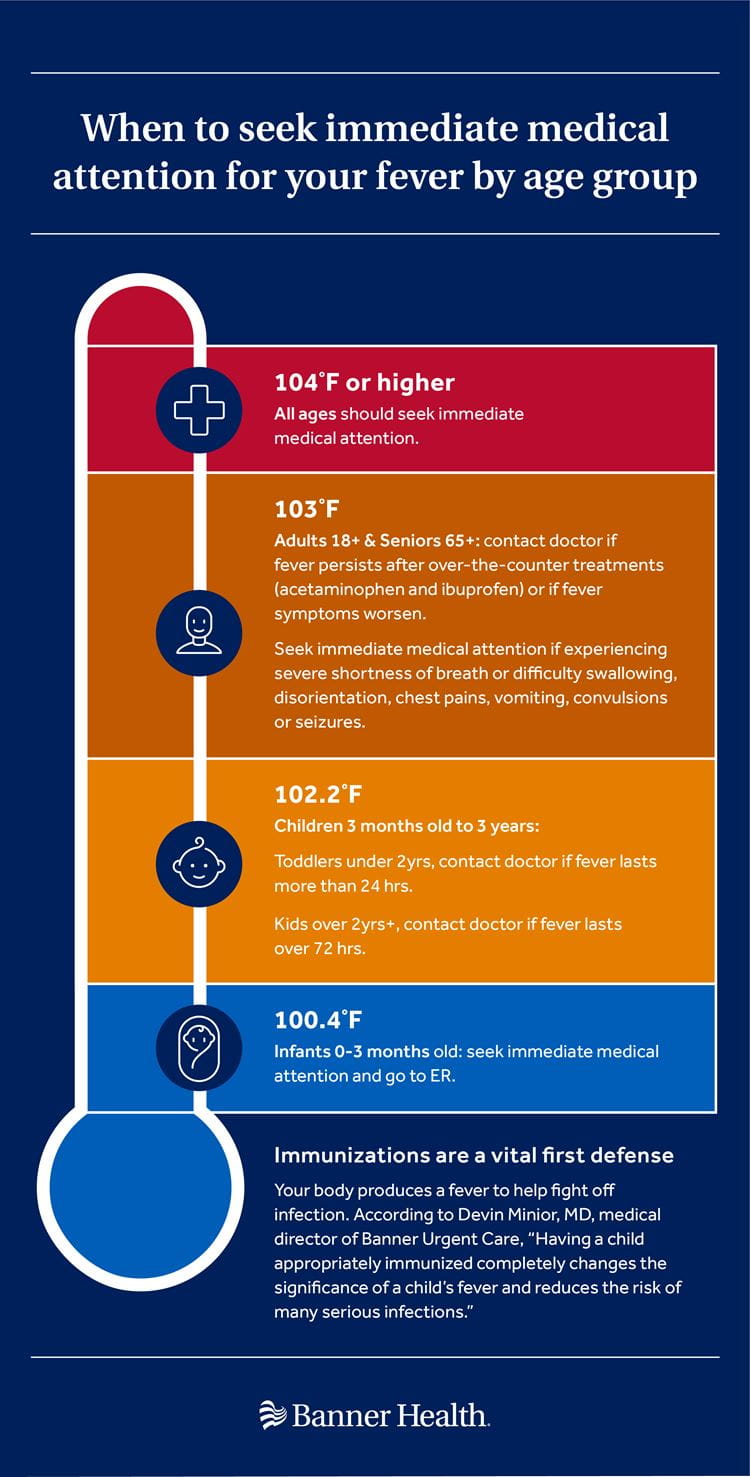
When to Seek Immediate Medical Attention
While fever is often a common symptom that can resolve on its own, there are certain situations where immediate medical attention is necessary. It is important to be aware of these red flags and seek help promptly. Here are some signs and symptoms that warrant immediate medical attention:
High Fever
If your fever spikes to 103°F (39.4°C) or higher, it is important to seek immediate medical attention. High fevers can potentially indicate a severe infection or other underlying medical condition that requires prompt evaluation and treatment.
Severe Headache
A severe headache that is accompanied by a high fever should not be ignored. This combination of symptoms could be a sign of a more serious condition, such as meningitis, and requires immediate medical attention.
Stiff Neck
If you experience a stiff neck along with a fever, it may indicate meningitis or another serious infection. Meningitis is an inflammation of the protective membranes surrounding the brain and spinal cord and can be life-threatening if not promptly treated.
Drowsiness or Confusion
If your fever is accompanied by drowsiness, confusion, or changes in mental status, it could be a sign of a more severe underlying condition. These symptoms may indicate an infection affecting the central nervous system and require immediate medical attention.
Chest Pain or Difficulty Breathing
Chest pain or difficulty breathing, especially when accompanied by a fever, could be a sign of a serious respiratory infection or even a heart-related issue. It is crucial to seek immediate medical attention to assess and treat the cause.
Severe Abdominal Pain
Severe abdominal pain that accompanies a fever may be a sign of a serious infection or an underlying condition such as appendicitis or pancreatitis. Immediate evaluation by a healthcare provider is necessary to determine the cause and provide appropriate treatment.
Seizures
If you experience a seizure along with a fever, it is essential to seek immediate medical attention. Febrile seizures can occur in some individuals, particularly in young children, and require evaluation to determine the cause and appropriate treatment.
Vision Changes
Vision changes, such as blurred vision or a sudden loss of vision, alongside a fever, may indicate a serious condition affecting the eyes or the brain. Seeking immediate medical attention is crucial to prevent potential long-term complications.
Unusual Bleeding or Bruising
If you experience unexplained bleeding or bruising along with a fever, it is important to seek immediate medical attention. These symptoms could be a sign of a serious underlying condition or a blood disorder that requires immediate evaluation.
Vomiting Blood
Vomiting blood, known as hematemesis, is a severe symptom that requires immediate medical attention. It may indicate internal bleeding, which can be life-threatening if not promptly addressed.
When to Consult a Healthcare Provider
While not all fevers require immediate medical attention, it is important to consult a healthcare provider in certain situations. If any of the following scenarios apply to your situation, it is advisable to seek medical advice:
Persistent Fever
If you have had a fever that persists for several days despite home management, it is important to consult a healthcare provider. Persistent fevers can indicate an underlying infection or condition that requires further assessment and treatment.
Fever Lasting More Than 3 Days
If your fever lasts for more than three days, it is important to consult a healthcare provider. Prolonged fevers can be a sign of an unresolved or chronic infection, which may require further investigation and treatment.
Fever in Pregnant Women
Pregnant women should consult their healthcare provider if they develop a fever. It is important to manage fevers carefully during pregnancy to ensure the health and well-being of both the mother and the baby.
Fever in Elderly Adults
Elderly adults should consult their healthcare provider if they develop a fever. Fever in older adults can be indicative of a serious infection or underlying health condition and may require medical intervention.
Fever in Immunocompromised Individuals
Individuals with compromised immune systems, such as those with HIV/AIDS or undergoing chemotherapy, should consult their healthcare provider if they develop a fever. Infections can pose a greater risk for immunocompromised individuals, and prompt medical attention is important.
Fever and Recent International Travel
If you have recently returned from international travel and develop a fever, it is important to consult a healthcare provider. Travel-related fevers may be caused by tropical or infectious diseases that require specialized treatment.
Underlying Chronic Conditions
If you have an underlying chronic condition, such as diabetes or heart disease, it is important to consult your healthcare provider if you develop a fever. Fever can complicate the management of these conditions and may require adjustment of medications or treatment plans.
Fever in Individuals with Cancer
Individuals with cancer should consult their healthcare provider if they develop a fever. Fever can be a sign of infection, and prompt evaluation and treatment are important to prevent complications, especially in individuals undergoing cancer treatment.
Fever with Repeated Infections
If you experience repeated or recurring fevers, it is important to consult a healthcare provider. This may indicate an underlying condition or weakened immune system that requires further investigation and management.
Fever with Recurrence or Worsening Symptoms
If your fever recurs or worsens despite previous management, it is important to consult a healthcare provider. Recurrent or worsening fevers can be a sign of a persistent or evolving infection that may require a change in treatment approach.

Diagnostic Tests for Fever
When you seek medical attention for a fever, your healthcare provider may recommend several diagnostic tests to determine the underlying cause. These tests can help identify the specific infection, inflammation, or other conditions contributing to the fever. Here are some common diagnostic tests for fever:
Temperature Measurement
The first step in diagnosing a fever is to accurately measure your body temperature. This can be done using a thermometer placed in the mouth, ear, armpit, or rectum. A high body temperature confirms the presence of a fever, but additional tests are needed to determine the cause.
Blood Tests
Blood tests, such as a complete blood count (CBC) and blood cultures, are often performed to identify the type and severity of infection. CBC provides information about white blood cell count and other blood components that can indicate the presence of an infection or inflammation. Blood cultures help identify the specific bacteria causing the infection.
Urinalysis
Urinalysis involves analyzing a person’s urine for signs of infection or kidney problems. This is particularly helpful when fever is accompanied by urinary symptoms or if a urinary tract infection is suspected.
Chest X-ray
A chest X-ray may be performed if your healthcare provider suspects respiratory or chest-related conditions that may be causing the fever. It can help identify lung infections or other abnormalities in the chest area.
Cultures
Cultures may be taken from various body fluids to identify the presence of bacteria or other infectious agents. For example, throat cultures, sputum cultures, or wound cultures can help determine the specific type of infection and guide appropriate treatment.
Imaging Studies
In some cases, imaging studies such as computed tomography (CT) scans or magnetic resonance imaging (MRI) scans may be used to evaluate specific organs or areas of the body for signs of infection, inflammation, or other abnormalities.
Lumbar Puncture
A lumbar puncture, also known as a spinal tap, may be performed if your healthcare provider suspects meningitis or other central nervous system infections. This procedure involves the insertion of a needle into the lower back to collect a sample of cerebrospinal fluid for analysis.
Electrocardiogram (ECG)
An electrocardiogram (ECG) may be performed if your healthcare provider suspects that your fever is related to a heart condition. An ECG measures the electrical activity of the heart and can help identify any abnormalities.
Endoscopic Procedures
Endoscopic procedures, such as an upper gastrointestinal endoscopy or a colonoscopy, may be recommended if your healthcare provider suspects that the fever is related to gastrointestinal issues. These procedures allow for visual examination of the digestive tract and collection of tissue samples if necessary.
Biopsy
In some cases, a biopsy may be necessary to obtain a tissue sample for further analysis. This can help determine the cause of fever in cases where infection, inflammation, or cancer is suspected.
Treatment Options for Fever
When it comes to treating fever in adults, the underlying cause determines the specific treatment approach. In some cases, fever may be managed solely through at-home care, while in other cases, medical intervention and medications may be necessary. Here are some common treatment options for fever:
Over-the-counter Medications (OTCs)
Over-the-counter medications, such as acetaminophen (Tylenol) and nonsteroidal anti-inflammatory drugs (NSAIDs) like ibuprofen (Advil, Motrin), can help reduce fever and alleviate associated symptoms. It is important to follow the recommended dosages and precautions when using these medications.
Prescription Medications
In cases where the fever is caused by a bacterial infection, your healthcare provider may prescribe antibiotics to eliminate the infection and lower the fever. It is important to follow the prescribed dosage and complete the full course of antibiotics as directed.
Fluids and Rest
Staying hydrated is crucial when you have a fever. Drinking plenty of fluids, such as water, herbal tea, or clear broths, can help prevent dehydration. Resting and allowing your body to recover is equally important.
Fever-reducing Techniques
In addition to medication, there are other fever-reducing techniques that can provide relief. Applying cool compresses to the forehead, taking lukewarm baths, or using fans can help lower body temperature and provide temporary relief from fever symptoms.
Treating Underlying Conditions
If the fever is a result of an underlying condition, such as rheumatoid arthritis or lupus, treating the underlying condition is important. This may involve medications, physical therapy, and lifestyle modifications to manage the fever and other associated symptoms.
Hospitalization for Fever
In severe cases or when the underlying cause cannot be easily managed outside of a hospital setting, hospitalization may be necessary. This allows for close monitoring of the fever and the underlying condition, as well as the administration of more intensive treatments if required.

Steps to Take at Home for Fever Management
When managing a fever at home, there are several steps you can take to alleviate symptoms and promote recovery. Here are some important steps to follow:
Stay Hydrated
Drinking plenty of fluids is crucial when you have a fever. Water, herbal tea, clear broths, and electrolyte-rich drinks can help replenish fluids lost through sweating and manage dehydration.
Maintain Normal Room Temperature
Maintaining a comfortable room temperature is important when you have a fever. Keeping the room cool but not excessively cold can help prevent chills and promote restful sleep.
Rest and Sleep
Allowing your body to rest and recover is essential when you have a fever. Get plenty of sleep and avoid overexertion until your fever subsides.
Dress Comfortably
Dress in loose and comfortable clothing when you have a fever. Opt for lightweight fabrics that allow your skin to breathe.
Use Over-the-counter Medications Safely
If you choose to use over-the-counter medications to manage your fever, it is important to follow the recommended dosages and precautions. Read and understand the labels before taking any medication.
Apply Cold Compresses
Applying cool compresses to your forehead or taking lukewarm baths can help lower your body temperature temporarily and provide relief from discomfort.
Have a Balanced Diet
Although you may have a decreased appetite, it is important to nourish your body with a balanced diet. Consume foods rich in vitamins, minerals, and fluids to support your immune system and aid in recovery.
Monitor your Symptoms
Keep track of your symptoms while managing your fever at home. If your symptoms worsen or you experience any concerning signs, seek medical attention promptly.
Avoid Spreading Infections
To prevent the spread of infections, cover your mouth and nose with a tissue or your elbow when coughing or sneezing. Wash your hands frequently and avoid close contact with others, especially if you have a contagious illness.
Seek Support from Loved Ones
When you are dealing with a fever, it is important to have the support of your loved ones. Reach out to family and friends for assistance with daily tasks, and don’t hesitate to ask for help when needed.
Prevention of Fever
While it may not always be possible to prevent every case of fever, there are certain measures you can take to reduce your risk. Here are some prevention strategies to consider:
Vaccinations
Keeping up to date with vaccinations can help prevent certain infections that can lead to fever. Vaccines such as the flu shot, pneumonia vaccine, and travel-related vaccines can provide protection against specific infectious diseases.
Good Hygiene Practices
Practicing good hygiene can help reduce the risk of infections. Wash your hands frequently with soap and water for at least 20 seconds, especially before preparing food or touching your face.
Handwashing
Handwashing is one of the most effective ways to prevent the spread of infections. Thoroughly wash your hands with soap and water for at least 20 seconds, especially after using the restroom, before eating, and after coughing or sneezing.
Avoiding Close Contact with Sick Individuals
Avoid close contact with individuals who are sick or have a fever to reduce your risk of exposure to infectious diseases. If you are ill, it is important to practice respiratory hygiene, such as covering your mouth and nose when coughing or sneezing.
Covering Nose and Mouth When Coughing or Sneezing
Cover your nose and mouth with a tissue or your elbow when coughing or sneezing to prevent droplets from spreading and potentially infecting others. Properly dispose of tissues and wash your hands afterward.
Maintaining a Healthy Lifestyle
Maintaining a healthy lifestyle can enhance your immune system and reduce your susceptibility to infections. Eat a balanced diet, exercise regularly, get enough sleep, manage stress, and avoid smoking and excessive alcohol consumption.
Avoiding Travel to High-risk Areas
When possible, avoid traveling to regions or countries with high rates of infectious diseases. Check travel advisories and take necessary precautions if you do travel to these areas.
Safe Food Handling
Foodborne illnesses can cause fever and other symptoms. Follow proper food handling techniques, such as washing fruits and vegetables, cooking foods to appropriate temperatures, and avoiding cross-contamination.
Avoiding Sharing Personal Items
Avoid sharing personal items, such as eating utensils, drinking glasses, or towels, with others to reduce the risk of spreading infections.
Properly Cleaning and Disinfecting Surfaces
Regularly clean and disinfect frequently touched surfaces, such as doorknobs, light switches, and countertops, to prevent the spread of infections.

When Self-care is Appropriate
In many cases, fever can be managed effectively with self-care measures at home. Here are some situations where self-care is appropriate:
Mild Fever with No Other Symptoms
If you have a mild fever without any other concerning symptoms, such as severe headache or difficulty breathing, self-care at home is often sufficient. Ensure you rest, stay hydrated, and monitor your symptoms closely.
Fever Associated with a Known Condition
If you have a fever related to a known condition, such as a common cold or a flare-up of a chronic condition like rheumatoid arthritis, managing it at home is typically appropriate. Follow your healthcare provider’s instructions and take any prescribed medications as directed.
Low-grade Fever with Improvement
If your fever is low-grade (below 101°F/38.3°C) and shows improvement with self-care measures such as rest, fluids, and over-the-counter medications, it is generally safe to continue managing it at home.
Feeling Well Overall
If you have a fever but feel otherwise well and are able to carry out your daily activities with minimal disruption, self-care at home is generally appropriate. Monitor your symptoms and seek medical attention if they worsen or if new, concerning symptoms arise.
Fever from Known Cause (e.g., Flu)
If your fever is a result of a known cause, such as the flu, and your symptoms are manageable with self-care measures, you can typically continue managing it at home. Follow your healthcare provider’s recommendations for managing the specific illness.
Consultation with Healthcare Provider
If you are uncertain about managing your fever at home or have any concerns about your symptoms, it is always advisable to consult your healthcare provider. They can provide guidance and determine if further evaluation or treatment is necessary.
Conclusion
Fever in adults can have various causes, ranging from viral or bacterial infections to underlying medical conditions. Understanding the potential causes of fever and the accompanying symptoms can help you determine when to seek immediate medical attention or consult a healthcare provider. It is important to follow proper diagnostic tests and treatment options recommended by healthcare professionals while also taking effective self-care measures at home to manage fever. By staying informed and seeking appropriate care, you can better navigate fever episodes and promote a healthy recovery.