
You’re no stranger to that tell-tale itch, the redness that creeps in, the dry, scratchy patches that make you want to disappear. You know eczema. And you probably know that sometimes, for reasons that aren’t always obvious, your skin decides to have a full-blown rebellion. You might have noticed a pattern – a particularly challenging week at work, a tense family situation, a period of anxiety – and then, BAM, your eczema is back with a vengeance. You’re not imagining it. New research is shedding a brilliant light on this connection, revealing a sophisticated biological pathway that explains precisely why stress can be an unwelcome, yet frequent, guest at your eczema flare-up party.
As your Listicle Content Architect, I’m here to walk you through this intricate dance between your mind and your skin. We’ll delve into the “how” and the “why,” arming you with the latest scientific insights and equipping you with actionable strategies to regain control. So, settle in, take a deep breath (we’ll get to that later!), and let’s decode the stress-eczema connection.
You might think of your brain as being in charge of your thoughts and feelings, and your skin as merely the outer layer. But the truth is, your body is a much more interconnected system than you might realize. The “gut-brain-skin axis” is a concept that’s gaining significant traction in scientific circles, highlighting the bidirectional communication between these three crucial components.
What is the Gut-Brain-Skin Axis?
Imagine a constant, humming conversation happening between your digestive system, your brain, and your skin. The gut-brain-skin axis refers to the intricate network of neurological, endocrine, and immune pathways that link these three areas. Trillions of microbes in your gut (your microbiome) communicate with your brain via nerves like the vagus nerve. Your brain, in turn, releases hormones and neurotransmitters that can influence your gut and your immune system. And your immune system, which is present throughout your body, including your skin, plays a pivotal role in inflammation, a hallmark of eczema.
How Your Gut Microbiome Influences Your Skin
The balance of bacteria in your gut is surprisingly influential. When your gut microbiome is diverse and healthy, it can help regulate your immune system, reduce inflammation throughout your body, and even produce beneficial compounds that support skin health. However, an imbalance – known as dysbiosis – can lead to increased inflammation and a weakened gut barrier, allowing inflammatory molecules to leak into your bloodstream and potentially reach your skin. This systemic inflammation can then exacerbate pre-existing skin conditions like eczema.
The Brain’s Role in Orchestrating Inflammation
Your brain isn’t just a passive observer. It actively participates in the inflammatory process. When you experience stress, your brain triggers the release of stress hormones like cortisol and adrenaline. These hormones, while crucial for short-term survival, can, in prolonged states, dysregulate your immune system. This dysregulation can make your immune cells, including those in your skin, more reactive and prone to causing inflammation. This is where the latest research truly shines, pinpointing a specific pathway that the brain uses to directly influence your skin’s inflammatory response.
The Sympathetic Neuron-Immune Pathway: A Newly Discovered Culprit
For a long time, the link between stress and eczema was largely attributed to indirect mechanisms, like behavioral changes (scratching more, poor sleep) or generalized immune dysregulation. However, cutting-edge research has uncovered a direct, physical connection that’s nothing short of fascinating. This discovery offers a deeper understanding of why your skin might feel like it’s literally firing back at you when you’re stressed.
Activating the Stress Response: The Sympathetic Nervous System
When you perceive a threat, whether it’s a genuine danger or a looming deadline, your sympathetic nervous system kicks into high gear. This is your body’s “fight or flight” response. It floods your system with adrenaline and cortisol, preparing you to either confront the challenge or escape it. This rapid activation is excellent for immediate survival, but its constant engagement in modern life can have detrimental effects.
The Surprise Connection: Neurons Talking to Immune Cells
What’s truly groundbreaking is the revelation that the nerves originating from your sympathetic nervous system are in direct communication with your immune cells in the skin. This isn’t just a general signal; it’s a targeted recruitment process. Researchers have identified a specific pathway – the sympathetic neuron–immune pathway – where stress activates these skin nerves.
Recruiting Eosinophils: The Inflammatory Foot Soldiers
This stress-activated pathway doesn’t just send a general alert. It specifically calls in a type of white blood cell known as eosinophils to your skin. Now, eosinophils are like the foot soldiers of your immune system, often involved in fighting off parasites and mediating allergic reactions. In the context of eczema, their presence can be a double-edged sword. While they are part of your body’s defense, when over-recruited by stress signals, they contribute significantly to the inflammation and itching you experience. Think of it as the stress signal essentially opening the gates and inviting these inflammatory cells to the party, making the situation worse.
Eosinophil Accumulation: The Visible Signs of Stress on Skin

The recruitment of eosinophils isn’t an invisible process. The increased presence of these immune cells in your skin has tangible consequences that manifest as the familiar symptoms of an eczema flare-up. Understanding this mechanism can help you connect the dots between your internal stress levels and the external changes on your skin.
How Eosinophils Worsen Inflammation and Itch
When eosinophils arrive in the skin due to stress signals, they release inflammatory molecules. These molecules damage the skin barrier, leading to increased dryness, redness, and swelling – classic eczema symptoms. Crucially, these inflammatory mediators directly stimulate nerve endings in the skin, sending those urgent signals to your brain that translate into intense itching. This creates a vicious cycle: stress leads to eosinophils, which cause inflammation and itch, which in turn can lead to more stress and scratching.
Evidence from Mouse Studies: A Clear Link
To better understand these mechanisms, researchers have conducted studies on mice. These studies have provided compelling evidence that stress directly impacts skin health in ways that mirror human eczema flares. In these experiments, stress was shown to increase barrier dysfunction, meaning the skin’s protective layer becomes compromised. This makes the skin more vulnerable to irritants and allergens. Furthermore, stress led to increased scratching behavior in the mice, and perhaps most importantly, it specifically boosted the buildup of eosinophils in their inflamed skin. This observed correlation in animal models provides a strong foundation for understanding the human response.
Human Analysis: Corroborating the Findings
The leap from mouse studies to understanding human eczema is a significant one, and crucially, this research has been corroborated in humans. A human analysis involving 51 people diagnosed with atopic dermatitis (the most common form of eczema) painted a clear picture. Researchers found that participants who reported higher levels of stress also exhibited more severe skin inflammation. This wasn’t just a subjective observation; they also found higher levels of eosinophils in both skin and blood samples from these individuals. This is a powerful piece of evidence, directly linking self-reported stress to objective measures of eczema severity and the presence of these specific inflammatory cells.
CCL11: The Molecular Messenger of Stress and Eosinophils
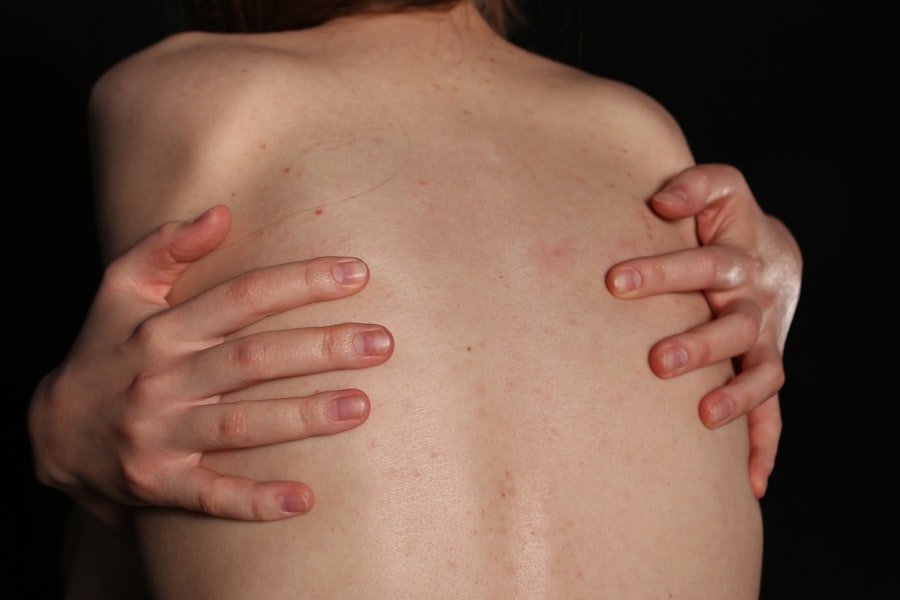
Now that you understand the pathway and the players involved, let’s talk about the specific “message” being sent. Scientists have identified a key molecule that acts as the conductor of this stress-induced inflammation orchestra. This discovery opens up exciting avenues for future treatment strategies.
Identifying the Key Signal: CCL11
Researchers have pinpointed a specific protein called CCL11 (or Eotaxin-1) as a critical signal. This molecule is a chemokine, which is essentially a type of signaling protein that directs the movement of cells, particularly immune cells. In the context of stress and eczema, CCL11 is released by those stress-activated skin nerves. Its primary role is to act as a “beacon,” attracting eosinophils to the inflamed skin.
Where Does CCL11 Come From?
While it might seem like stress is an abstract concept, it has very real biological triggers within your body. When your sympathetic nervous system is activated by stress, it sends nerve impulses to various parts of your body, including your skin. These nerve endings, in turn, initiate the release of CCL11. So, it’s not just stress itself, but the nerve signals triggered by stress that are responsible for initiating the release of this crucial molecule.
Implications for Future Treatments: Blocking the Signal
The identification of CCL11 as a key mediator is incredibly promising for the development of new eczema treatments. Imagine being able to interrupt this stress-signal pathway before it even reaches the eosinophils. Researchers are actively exploring strategies to block the release of CCL11 or, alternatively, to prevent eosinophils from being attracted to the skin in response to CCL11. This could involve targeted therapies that specifically interfere with this stress-induced pathway, offering a more direct and potentially more effective approach to managing eczema flares. While these treatments are still in development, the understanding of this molecular messenger gives us real hope for breaking free from the stress-eczema cycle.
Practical Strategies for Managing Stress and Eczema Flares
| Stress Level | Eczema Flare-Ups | Recommended Actions |
|---|---|---|
| Low | Less frequent | Practice relaxation techniques |
| Moderate | Occasional flare-ups | Regular exercise and mindfulness |
| High | Frequent and severe | Seek professional help, therapy or counseling |
Knowing the science is one thing; putting it into practice is another. While the allure of a future CCL11-blocking therapy is exciting, you don’t have to wait for it. There are many effective, evidence-based strategies you can implement right now to reduce stress and, consequently, your risk of eczema flare-ups. These are not just vague suggestions; they are time-tested and scientifically supported methods for improving your well-being and your skin.
1. Prioritize Quality Sleep: The Foundation of Well-being
You likely already know how crucial sleep is for your overall health, but its impact on eczema and stress cannot be overstated. Lack of sleep can skyrocket your stress hormones, disrupt your immune function, and impair your skin’s ability to repair itself.
Tips for Improving Sleep Hygiene:
- Establish a Consistent Sleep Schedule: Go to bed and wake up around the same time every day, even on weekends. This helps regulate your body’s natural sleep-wake cycle (circadian rhythm).
- Create a Relaxing Bedtime Routine: This could include a warm bath, reading a book, gentle stretching, or listening to calming music. Avoid screens (phones, tablets, TVs) for at least an hour before bed, as the blue light can interfere with melatonin production.
- Optimize Your Sleep Environment: Ensure your bedroom is dark, quiet, and cool. Consider blackout curtains, earplugs, or a white noise machine if needed.
- Limit Caffeine and Alcohol: Avoid caffeine in the afternoon and evening. While alcohol might make you feel drowsy initially, it can disrupt sleep later in the night.
- Get Regular Exercise: Physical activity can improve sleep quality, but try to avoid intense workouts close to bedtime.
2. Embrace Movement: Exercise as an Eczema Ally
Exercise is a powerful stress reliever. It releases endorphins, which have mood-boosting effects and can help reduce feelings of anxiety and tension. Regular physical activity can also improve circulation and boost your immune system, contributing to overall skin health.
Finding Your Movement Sweet Spot:
- Choose Activities You Enjoy: Whether it’s brisk walking, swimming, yoga, dancing, or cycling, find something that you genuinely look forward to. This makes it more sustainable.
- Start Gradually: If you’re new to exercise, begin with shorter durations and lower intensities, gradually increasing as you build your fitness.
- Listen to Your Body: Pay attention to how your skin reacts. Some individuals find that very intense workouts can sometimes trigger flares due to heat and sweat. If this is the case, opt for lower-impact activities or ensure you’re showering and moisturizing immediately after exercising.
- Consider Water-Based Activities: Swimming can be particularly beneficial as it’s low-impact and the cooler temperatures can be soothing for irritated skin.
3. Cultivate Mindfulness and Relaxation Techniques: Taming the Stress Response
Mindfulness and relaxation techniques are direct interventions in your body’s stress response. They teach you to be present in the moment and to consciously activate your body’s natural relaxation response, counteracting the effects of the sympathetic nervous system.
Exploring Different Approaches:
- Mindfulness Meditation: This involves focusing your attention on the present moment, without judgment. Even a few minutes a day can make a difference. Several apps offer guided meditations specifically for stress reduction and eczema.
- Deep Breathing Exercises: Simple, yet incredibly effective. Inhale slowly and deeply through your nose, filling your belly, and exhale slowly through your mouth. This calms your nervous system.
- Progressive Muscle Relaxation: This technique involves tensing and then releasing different muscle groups in your body, helping you become aware of and release physical tension.
- Yoga and Tai Chi: These practices combine physical movement with mindful breathing and meditation, offering a holistic approach to stress reduction.
- Guided Imagery: This involves visualizing yourself in a peaceful and relaxing place, engaging all your senses to create a sense of calm.
4. Seek Support: You Don’t Have to Go Through This Alone
Connecting with others who understand your experience can be incredibly validating and empowering. Sharing your struggles and learning from others can significantly reduce feelings of isolation and stress.
Finding Your Community:
- Eczema Support Groups: Many organizations offer online or in-person support groups for people with eczema. These can be invaluable for sharing tips, coping strategies, and emotional support.
- Therapy and Counseling: A mental health professional can provide personalized strategies for managing stress, anxiety, and the emotional impact of living with a chronic condition like eczema. Cognitive Behavioral Therapy (CBT) is particularly effective for stress management.
- Talk to Friends and Family: Don’t underestimate the power of simply talking to loved ones about how you’re feeling. Letting them in can provide much-needed emotional relief.
Taking Control: Practical Tools for Eczema Management
Beyond stress reduction, there are several proactive steps you can take to better manage your eczema and minimize the impact of flares. These are about building resilience and creating a supportive environment for your skin.
5. Track Your Triggers and Flares: The Power of Observation
Understanding what triggers your eczema is crucial for prevention. While stress is a major culprit identified by recent research, other factors can also play a role. Keeping a detailed record can help you identify patterns between your environment, diet, activities, and skin reactions.
Your Event Diary: What to Record
- Date and Time of Flare-Ups: Note when your symptoms start and how severe they are.
- Reported Stress Levels: Rate your stress on a scale of 1-10 each day. Be honest with yourself.
- Potential Stressors: List any specific events or situations that caused you stress – work deadlines, arguments, financial worries, lack of sleep, etc.
- Dietary Intake: Note what you’ve eaten, especially any new or unusual foods.
- Skin Care Routine: Record the products you used and when.
- Environmental Factors: Note weather changes, exposure to allergens (dust mites, pollen), or contact with irritants.
- Sleep Quality: How well did you sleep the night before?
- Physical Activity: What kind of exercise did you do?
Reviewing this diary regularly can help you pinpoint your personal triggers and develop strategies to avoid or mitigate them.
6. Optimize Sleep Quality: A Deeper Dive
We’ve touched on sleep, but it’s so fundamental that it deserves an extra mention in terms of practical application. Poor sleep doesn’t just make you tired; it makes you more susceptible to stress and inflammation, creating the perfect storm for an eczema flare.
Beyond Basics: Advanced Sleep Optimization
- Consider a Sleep Tracker: Wearable devices can provide insights into your sleep cycles (light, deep, REM) and identify potential disruptions. While not medical devices, they can be informative.
- Ensure Darkness: Even small amounts of light can disrupt melatonin production. Invest in blackout curtains and consider an eye mask.
- Temperature Regulation: A slightly cooler room is generally conducive to better sleep. Experiment to find your ideal temperature.
- Address Snoring or Sleep Apnea: If you suspect you have a sleep disorder, consult your doctor. These conditions can significantly impact sleep quality and overall health.
7. Adhere to a Skin-Friendly Routine: Protecting Your Outer Barrier
Your daily skin care routine is your first line of defense against eczema flares, especially when combined with stress management. A gentle, consistent approach can significantly improve your skin’s barrier function and reduce susceptibility to irritants.
Building Your Skin-Friendly Routine:
- Gentle Cleansing: Use lukewarm water and a mild, fragrance-free cleanser. Avoid harsh soaps that strip the skin of its natural oils.
- Moisturize Diligently: Apply a thick, emollient moisturizer immediately after bathing while your skin is still damp. This locks in hydration and repairs the skin barrier. Reapply throughout the day as needed.
- Avoid Known Irritants: Be mindful of fragrances, harsh chemicals, and certain fabrics that can trigger your eczema.
- Dress in Soft, Breathable Fabrics: Cotton and silk are generally well-tolerated.
- Manage Scratching: Keep your nails short and consider wearing soft gloves at night to prevent damage from scratching.
8. Partner with Your Clinician: A Collaborative Approach to Treatment
Living with eczema is a journey that’s best navigated with the guidance of healthcare professionals. Your dermatologist or allergist can provide accurate diagnoses, prescribe appropriate treatments, and help you develop a personalized management plan.
Working Effectively with Your Doctor:
- Be Open and Honest About Stress: Don’t hesitate to discuss your stress levels and how you perceive them impacting your eczema. This is crucial information for your clinician to have.
- Discuss Your Trigger Diary: Share your observations and any patterns you’ve identified.
- Ask Questions: Don’t leave your appointment confused. If you don’t understand something, ask for clarification.
- Understand Your Medications: Know what your prescribed medications are for, how to use them correctly, and their potential side effects.
- Regular Check-ups: Attend your scheduled appointments, even if your eczema is currently under control. This allows for proactive management and early intervention if needed.
- Explore Treatment Options: Discuss all available treatment options, including topical steroids, non-steroidal creams, biologics, and phototherapy, to find what works best for you.
By understanding the profound connection between stress and your eczema, and by actively implementing these evidence-based strategies, you are not just managing symptoms; you are empowering yourself to take greater control of your skin health and your overall well-being. You have the knowledge, and now you have the tools. It’s time to put them to work and find a calmer, clearer path forward.
FAQs
What is eczema?
Eczema is a chronic skin condition characterized by red, itchy, and inflamed skin. It can occur in people of all ages and is often triggered by certain factors such as stress, allergens, and irritants.
How does stress trigger eczema flare-ups?
Stress can trigger eczema flare-ups by weakening the immune system and increasing inflammation in the body. This can lead to an exacerbation of eczema symptoms such as itching, redness, and dryness.
What are the common symptoms of eczema flare-ups?
Common symptoms of eczema flare-ups include intense itching, red or inflamed skin, dryness, and the appearance of small bumps or blisters. These symptoms can be exacerbated by stress and other triggers.
What can be done to manage eczema flare-ups triggered by stress?
Managing eczema flare-ups triggered by stress involves practicing stress-reducing techniques such as meditation, yoga, deep breathing exercises, and getting regular exercise. Additionally, using gentle skincare products, avoiding known triggers, and seeking medical treatment can help manage eczema flare-ups.
Are there any medical treatments available for eczema flare-ups triggered by stress?
Yes, there are medical treatments available for eczema flare-ups triggered by stress. These may include topical corticosteroids, moisturizers, antihistamines, and in severe cases, oral medications or light therapy. It is important to consult with a healthcare professional for personalized treatment options.