
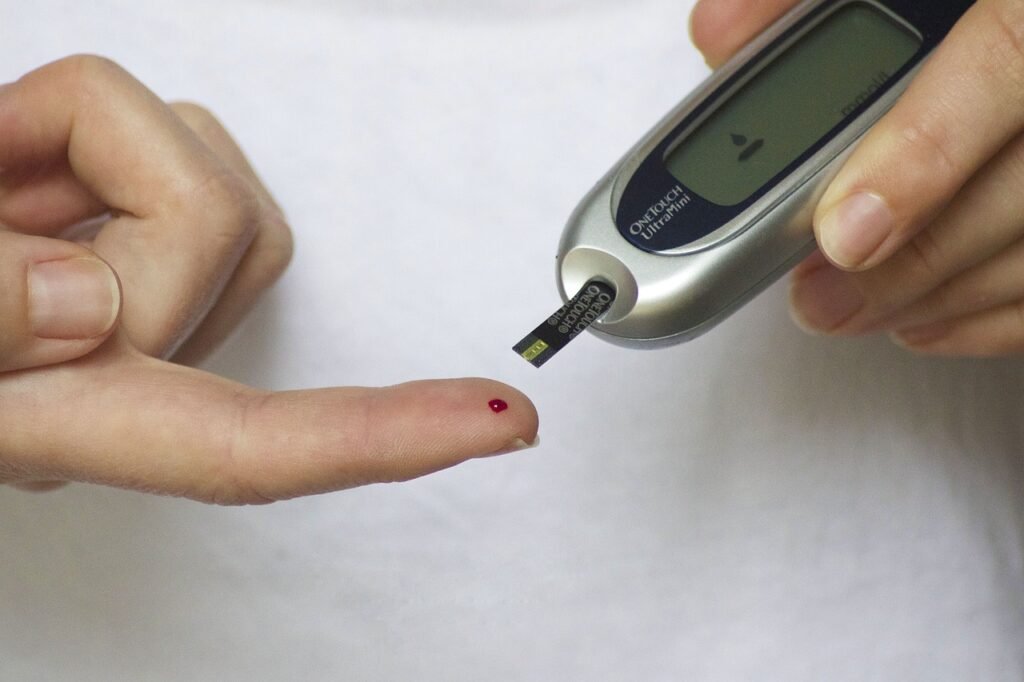
You’re always looking for ways to improve your health, and one area you’re particularly focused on is maintaining a balanced blood glucose level. After all, it’s essential for overall well-being. In this article, we’ll explore seven foods that can naturally help lower blood glucose. Whether you’re dealing with diabetes or simply want to keep your levels in check, these foods will provide you with effective solutions. Plus, we’ll also share some tips on how to lower your blood glucose quickly when you need it most. So, let’s dive in and discover the delicious and nutritious options that can make a real difference in your health.

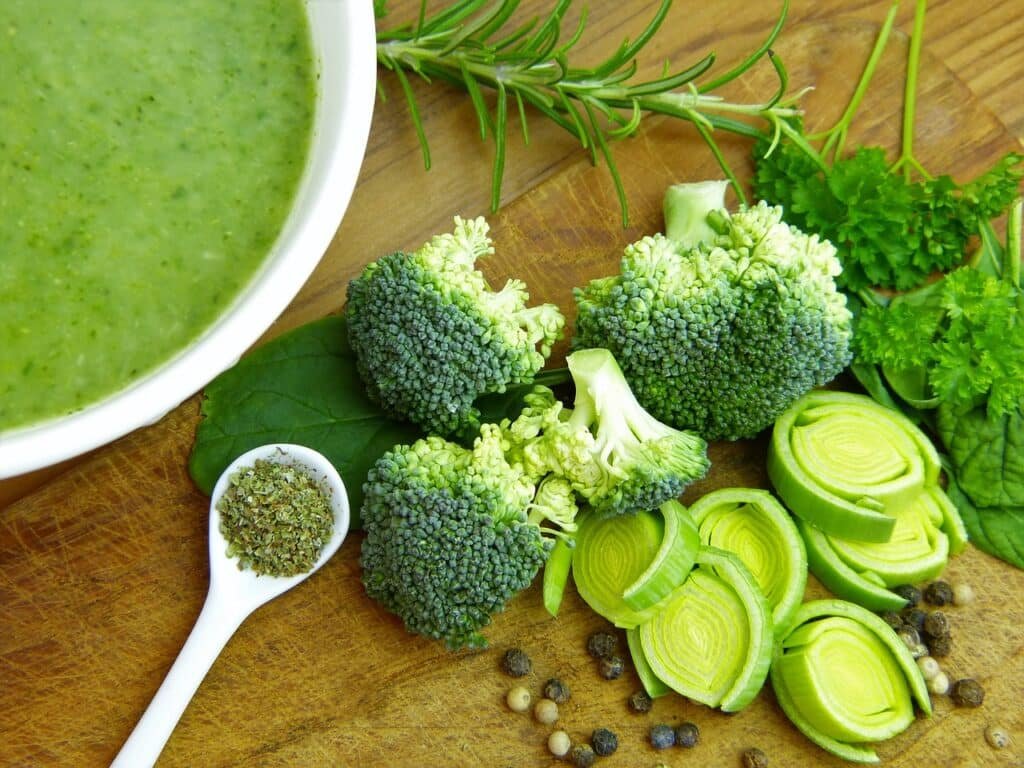
Leafy Greens
Kale
Kale is one of the most nutrient-dense leafy greens available, making it an excellent choice for individuals looking to lower their blood glucose levels. Packed with vitamins A, C, and K, as well as minerals like potassium and magnesium, kale offers a wide range of health benefits. Additionally, kale is low in calories and carbohydrates, making it a great addition to a diabetes-friendly diet. Whether you enjoy it raw in salads or sautéed as a side dish, incorporating kale into your meals can help regulate blood glucose levels while providing essential nutrients.
Spinach
Another fantastic leafy green that can aid in lowering blood glucose levels is spinach. This leafy vegetable is rich in vitamins and minerals like vitamin A, vitamin C, iron, and calcium. Spinach is also a good source of dietary fiber, which slows down the absorption of glucose into the bloodstream, preventing drastic spikes in blood sugar levels. Whether you add it to your omelets, salads, or smoothies, spinach is a versatile and nutritious option for maintaining stable blood glucose.
Collard Greens
Collard greens are often overlooked, but they offer numerous health benefits, particularly for individuals concerned about blood glucose levels. Like kale and spinach, collard greens are packed with vitamins and minerals, including vitamins A, C, and K, as well as folate and calcium. Additionally, collard greens contain compounds known as alpha-lipoic acid, which have been shown to lower blood glucose levels and increase insulin sensitivity. Incorporating collard greens into your diet, whether steamed, sautéed, or added to soups, can be a delicious way to support healthy blood glucose management.
Cinnamon
Ceylon Cinnamon
Cinnamon is a popular spice known for its sweet and warming flavor, but it also has impressive health benefits, including its potential to lower blood glucose levels. Ceylon cinnamon, also known as “true cinnamon,” is especially beneficial for diabetes management. It contains a compound called cinnamaldehyde, which is thought to enhance insulin sensitivity and increase glucose uptake by cells. Incorporating Ceylon cinnamon into your diet can be as simple as sprinkling it on oatmeal, yogurt, or adding it to smoothies, helping to regulate blood glucose while adding a delightful flavor to your meals.
Cassia Cinnamon
Another type of cinnamon that has been studied for its potential blood glucose-lowering effects is cassia cinnamon. While similar to Ceylon cinnamon, cassia cinnamon contains higher levels of a compound called coumarin. Coumarin can be toxic in large amounts, so it’s important to moderate your consumption of cassia cinnamon. However, when used in moderation, cassia cinnamon can still offer benefits for blood glucose control. It can be used in a variety of dishes, from baking to seasoning, providing a warm and fragrant addition to your meals while supporting healthy blood glucose levels.
Eggs
Whole Eggs
Eggs have long been a staple of a healthy diet, and they can be an excellent choice for individuals looking to lower blood glucose levels. Whole eggs are a great source of high-quality protein, which can help regulate blood sugar levels by slowing down the digestion and absorption of carbohydrates. They also contain essential vitamins and minerals, including B vitamins, vitamin D, and selenium. Contrary to previous beliefs, research has shown that consuming whole eggs does not negatively impact cholesterol levels for most individuals. Including whole eggs in your diet can be as simple as enjoying them cooked in various ways, such as boiled, scrambled, or poached.
Egg Whites
For individuals with specific dietary needs or concerns, egg whites can be an alternative option to whole eggs. While the yolk contains most of the vitamins, minerals, and healthy fats found in eggs, the egg white is nearly fat-free and still provides a good source of protein. By removing the yolk, which contains some cholesterol, egg whites offer a low-calorie, low-cholesterol source of protein that can help maintain stable blood glucose levels. Egg whites can be used in various recipes, such as omelets, breakfast burritos, or as a replacement for whole eggs in baking.
Chia Seeds
Nutritional Profile
Chia seeds have gained popularity in recent years due to their impressive nutritional profile. These small seeds are rich in fiber, protein, and healthy fats, making them a valuable addition to any diabetes-friendly diet. Chia seeds are also a good source of vitamins and minerals, including calcium, magnesium, and phosphorus. Incorporating chia seeds into your meals can provide lasting satiety, slowing down carbohydrate digestion and reducing blood sugar spikes.
Fiber Content
One of the key benefits of chia seeds for blood glucose management is their high fiber content. Fiber plays a crucial role in slowing down the absorption of glucose into the bloodstream, preventing sudden spikes in blood sugar levels. Chia seeds are particularly rich in soluble fiber, which forms a gel-like substance when mixed with water. This gel slows down digestion and helps to stabilize blood glucose levels. Adding chia seeds to smoothies, yogurt, or sprinkling them on top of salads and oatmeal can increase your daily fiber intake and contribute to better blood glucose control.
Omega-3 Fatty Acids
In addition to their fiber content, chia seeds are an excellent source of omega-3 fatty acids. These healthy fats have been shown to reduce inflammation, improve insulin sensitivity, and support overall heart health. Incorporating chia seeds into your diet can help decrease insulin resistance, promote a healthy lipid profile, and contribute to better blood glucose regulation. Whether you include them in homemade energy bars, overnight oats, or use them as an egg substitute in baking, chia seeds offer a nutritious boost to your meals.
Greek Yogurt
Protein Content
Greek yogurt is a delicious and nutritious food that can help lower blood glucose levels. Compared to regular yogurt, Greek yogurt is strained multiple times, resulting in a thicker and creamier consistency. This straining process removes much of the lactose, the natural sugar found in dairy products, reducing its impact on blood glucose levels. Furthermore, Greek yogurt is high in protein, which helps regulate blood sugar levels by slowing down the digestion and absorption of carbohydrates. Enjoying Greek yogurt as a snack or incorporating it into recipes can be a satisfying way to support healthy blood glucose management.
Probiotics
Another advantage of Greek yogurt is its probiotic content. Probiotics are beneficial bacteria that support a healthy gut microbiome, playing a role in various aspects of health, including blood glucose control. Research suggests that probiotics may improve insulin sensitivity and help reduce inflammation, potentially leading to better blood glucose regulation. When selecting Greek yogurt, opt for varieties that contain live and active cultures to ensure you are getting the probiotic benefits. Consider adding Greek yogurt to smoothies, using it as a base for dips and dressings, or enjoying it with fruits and nuts for a nutritious and blood sugar-friendly treat.
Turmeric
Curcumin
Turmeric is a vibrant yellow spice that has been used for centuries in traditional medicine for its potential health benefits. The active compound in turmeric that provides these benefits is called curcumin. Curcumin has been studied for its anti-inflammatory properties, which can be particularly beneficial for individuals with diabetes. Chronic inflammation is closely linked to insulin resistance and impaired blood sugar control, and incorporating turmeric into your diet may help reduce inflammation and improve insulin sensitivity.
Anti-inflammatory Properties
Turmeric’s anti-inflammatory properties are attributed to its ability to inhibit certain enzymes and molecules involved in the inflammatory response in the body. By reducing inflammation, curcumin may indirectly contribute to better blood glucose control. Turmeric can be used in various dishes, adding a warm and earthy flavor. Consider using it in curries, stir-fries, soups, or try incorporating it into a flavorful turmeric latte for a delicious way to support your blood glucose management.
Apple Cider Vinegar
Effect on Post-Meal Blood Sugar Levels
Apple cider vinegar has gained attention for its potential to help lower blood glucose levels, particularly after a meal. Research has shown that consuming apple cider vinegar before a meal can significantly reduce post-meal blood sugar levels in individuals with diabetes or insulin resistance. The acetic acid present in apple cider vinegar is believed to play a role in this effect by slowing down the digestion of carbohydrates and enhancing insulin sensitivity. It’s important to note that apple cider vinegar should be consumed in moderation and diluted with water to prevent potential damage to tooth enamel or irritation to the digestive system.
Dosage and Consumption
To experience the potential blood glucose-lowering benefits of apple cider vinegar, it is recommended to dilute 1-2 tablespoons of apple cider vinegar in a glass of water and consume it before meals. It’s essential to consult with your healthcare provider before incorporating apple cider vinegar into your routine, especially if you have pre-existing health conditions or are taking medications that may interact with it. Additionally, it is crucial to choose apple cider vinegar that is unfiltered and unpasteurized, as these varieties contain the “mother” – a mixture of beneficial bacteria, enzymes, and proteins that provide additional health benefits.
Nuts
Almonds
Almonds are a nutrient-dense nut that can be a valuable addition to a blood glucose-friendly diet. They are rich in healthy monounsaturated fats, fiber, protein, and various vitamins and minerals. Almonds have a low glycemic index, meaning they have minimal impact on blood sugar levels. The combination of healthy fats, fiber, and protein in almonds helps to slow down the digestion and absorption of carbohydrates, leading to more stable blood glucose levels. Enjoying a handful of almonds as a snack or incorporating them into meals and recipes can provide a satisfying crunch while supporting healthy blood glucose management.
Walnuts
Walnuts are another type of nut that can be beneficial for individuals looking to regulate their blood glucose levels. They are an excellent source of omega-3 fatty acids, fiber, protein, and antioxidants. The combination of these nutrients makes walnuts a heart-healthy choice that may improve insulin sensitivity and reduce inflammation. Adding walnuts to your meals, such as salads, oatmeal, or baked goods, can provide a satisfying texture and nutty flavor while contributing to better blood glucose control.
Pistachios
Pistachios are a tasty and nutritious option for individuals seeking to reduce their blood glucose levels. They are rich in fiber, healthy fats, protein, and various vitamins and minerals. Pistachios also have a lower calorie content than some other nuts, making them an ideal snack for weight management. Research suggests that incorporating pistachios into a diabetes-friendly diet can help improve blood glucose control and reduce the risk of cardiovascular disease. Whether you enjoy them on their own as a snack or incorporate them into recipes like pesto or granola, pistachios offer a satisfying crunch and a range of health benefits.
Fatty Fish
Salmon
Fatty fish like salmon are an excellent source of omega-3 fatty acids, which have been shown to have numerous health benefits, including blood sugar regulation. Salmon is also high in protein and contains essential vitamins and minerals like vitamin D and selenium. Omega-3 fatty acids found in fatty fish can reduce inflammation, improve insulin sensitivity, and decrease the risk of heart disease. Incorporating fatty fish like salmon into your diet on a regular basis can support overall health and contribute to better blood glucose management.
Sardines
Sardines are a small, oily fish that offer significant health benefits, particularly for individuals concerned about blood glucose levels. Like salmon, sardines are rich in omega-3 fatty acids and provide high-quality protein. Consuming sardines can help lower inflammation, increase insulin sensitivity, and reduce the risk of chronic diseases. Sardines are available in various forms, including canned or fresh, making them a convenient and accessible option for improving blood glucose control.
Mackerel
Mackerel is another fatty fish that can be included in a diabetes-friendly diet to support healthy blood glucose levels. It is an excellent source of omega-3 fatty acids, protein, and essential nutrients like vitamin D and selenium. Regular consumption of mackerel can contribute to reducing inflammation, improving insulin sensitivity, and supporting heart health. Mackerel pairs well with various flavors and cooking methods, whether grilled, baked, or added to salads, providing a delicious way to benefit from its blood glucose-lowering properties.
Garlic
Allicin
Garlic is not only a flavorful addition to a wide range of dishes but also offers potential health benefits, including its impact on blood glucose levels. Garlic contains a compound called allicin, which has been shown to possess hypoglycemic properties. Allicin can help increase insulin secretion and enhance insulin sensitivity, leading to better blood glucose regulation. Additionally, garlic has been studied for its ability to reduce cholesterol levels and improve heart health. Integrating garlic into your cooking by adding it to sauces, stir-fries, or roasted vegetables can not only enhance the flavor but also contribute to healthy blood glucose control.
Potential Impact on Blood Glucose
Garlic has been a subject of interest in scientific research due to its potential to lower blood glucose levels. Although more studies are needed, some evidence suggests that garlic may help regulate blood sugar levels by influencing insulin production and increasing insulin sensitivity. However, it’s important to note that garlic should not replace prescribed medication or medical advice. Consult with your healthcare provider before incorporating garlic supplements or significantly increasing your garlic intake, especially if you have existing medical conditions or are taking medications that may interact with garlic.
In conclusion, incorporating these foods into your diet can be a delicious and effective way to naturally lower blood glucose levels. From leafy greens like kale and spinach to superfoods like chia seeds and turmeric, each of these foods offers unique benefits for blood glucose control. While they should not replace medical treatment or prescribed medications, including these foods in a diabetes-friendly diet can support overall health and contribute to better blood glucose management. Remember to always consult with your healthcare provider or a registered dietitian before making significant changes to your diet or adding new foods or supplements to your routine.