
is a condition where there is an increase in blood sugar in the body during pregnancy. Gestational diabetes symptoms are unnoticeable in most cases. Pregnant women, most of the time, think that these symptoms are just mere physical changes caused by pregnancy. To keep you and your baby safe, awareness of all the symptoms of gestational diabetes is very important.
The most common signs and symptoms of gestational diabetes are:
- Blurred vision. Not all blurred vision is caused by a serious eye problem. In most pregnant women, blurry vision may occur because of gestational diabetes. High blood sugar level develops swollen eye lenses that can affect your ability to see.
- Tingling or numbness in the hands and/or feet. Damaged nerves and poor blood circulation can cause numbness and prickling sensation
- Frequent urination. Excess glucose when detected, the kidney reacts by flushing it out from the blood which results in more urine production. Thus, the need to urinate is more frequent than usual.
- Excessive thirst. As a result of frequent urination, you may experience dehydration which leads to dry mouth and unquenchable thirst.
- Sores that heal slowly. High levels of glucose can affect the nerves resulting in poor blood circulation which is vital in wound or skin repair.
- Excess fatigue. Lethargy or extreme tiredness happens when an imbalance of the amount of insulin circulation and blood glucose level occurs. Pregnant women with high blood sugar levels may experience excess fatigue during the day, despite having a good night’s sleep.
- Increased hunger. When the body is having difficulty getting glucose from the blood into the cells, the need for food intake will intensify.
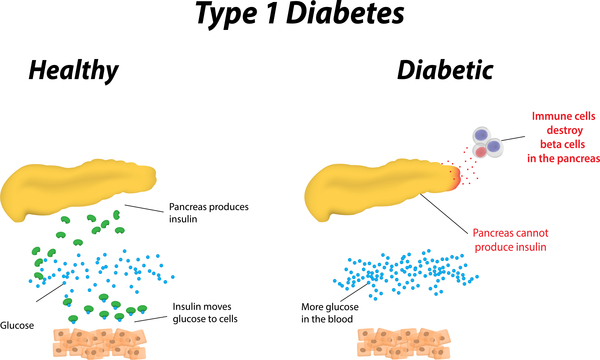
Detection and Prevention
For most pregnant women, gestational diabetes symptoms do not manifest. Thus, if you plan to have a baby, it is important to see a doctor who can evaluate the risk of having one and prevent it as part of prenatal care. Based on your doctor’s evaluation, you will be advised to undergo a screening test. If you are at high risk of gestational diabetes, you’ll be likely to get tested in your first prenatal visit while if at average risk, the test may be conducted on the 24 and 28 weeks of pregnancy. The two types of screening tests are:
- Initial glucose challenge test. A blood test will be conducted after an hour of taking syrup which contains 50 grams of sugar. If high blood sugar is detected, your doctor will recommend OGTT which is the second test.
- Oral Glucose Tolerance Test (OGTT). Fasting for at least 8 hours is required for this test. Syrup with 100 grams of sugar will also be taken 3 hours before blood testing.
If confirmed with gestational diabetes, your doctor will likely advise frequent checkups, especially during the last 3 months of pregnancy. Aside from medication, a gestational diabetes diet, and or taking insulin might also be advised if difficulty controlling your blood sugar occurs. Even though gestational diabetes normally fades a few weeks after delivery, it is highly essential to monitor the blood sugar level since there are cases where it can develop into type 2 diabetes.
Related Topics About Gestational Diabetes Symptoms
Can Gestational Diabetes Be Reversed During Pregnancy,
Can Gestational Diabetes Cause Sickness,
Can Gestational Diabetes Make You Feel Sick,
Complications From Gestational Diabetes Symptoms,
Does Stress Affect Blood Sugar Levels In Gestational Diabetes,
Gestational Diabetes And Symptoms,
Gestational Diabetes Ear Infection,
Gestational Diabetes Early Symptoms,
Gestational Diabetes Signs In Infants,
Gestational Diabetes Signs In Newborn,
Gestational Diabetes Signs Of Placental Deterioration,
Gestational Diabetes Signs Symptoms,
Gestational Diabetes Spike Symptoms,
Gestational Diabetes Sugar Spike Symptoms,
Gestational Diabetes Symptoms