
Tree pollen is a natural substance produced by trees during their reproductive cycle, and it plays a crucial role in the process of fertilization. As trees release pollen into the air, they contribute to the ecosystem’s biodiversity, allowing for the growth of new plants and trees. However, for many individuals, tree pollen can also be a significant source of discomfort and allergic reactions.
Understanding the nature of tree pollen is essential for those who suffer from allergies, as it can help you identify triggers and manage symptoms effectively. Pollen grains are microscopic and can travel long distances through the air, making them difficult to avoid during peak seasons. Different species of trees produce varying types of pollen, each with its unique characteristics.
For instance, coniferous trees like pines release heavier pollen that tends to settle quickly, while deciduous trees such as oaks and maples produce lighter pollen that can remain airborne for extended periods. This variability means that your experience with tree pollen may differ depending on your location and the types of trees in your vicinity.
Key Takeaways
- Tree pollen is a common allergen that can cause seasonal allergies in many people.
- Factors affecting tree pollen levels include weather conditions, geographical location, and tree species.
- Peak months for tree pollen vary depending on the region and the specific types of trees present.
- Managing tree pollen allergies involves avoiding exposure, using medications, and seeking medical advice if symptoms persist.
- Identifying tree pollen allergens can be done through allergy testing and monitoring local pollen counts.
Factors Affecting Tree Pollen Levels
Weather Conditions
Weather plays a significant role in pollen production. For example, warm temperatures and low humidity can lead to increased pollen production. When conditions are favorable, they may release more pollen than usual, resulting in higher concentrations in the air.
Rain: A Temporary Reprieve
On the other hand, rain can wash away pollen, providing temporary relief for allergy sufferers.
Seasonal Patterns
Another critical factor is the time of year. Different tree species have specific flowering periods, which means that pollen levels can fluctuate throughout the seasons. For instance, early spring often sees an uptick in pollen from trees like birch and cedar, while oak and maple may peak later in the season. Understanding these patterns can empower you to prepare for allergy season and take proactive measures to minimize exposure.
Peak Months for Tree Pollen
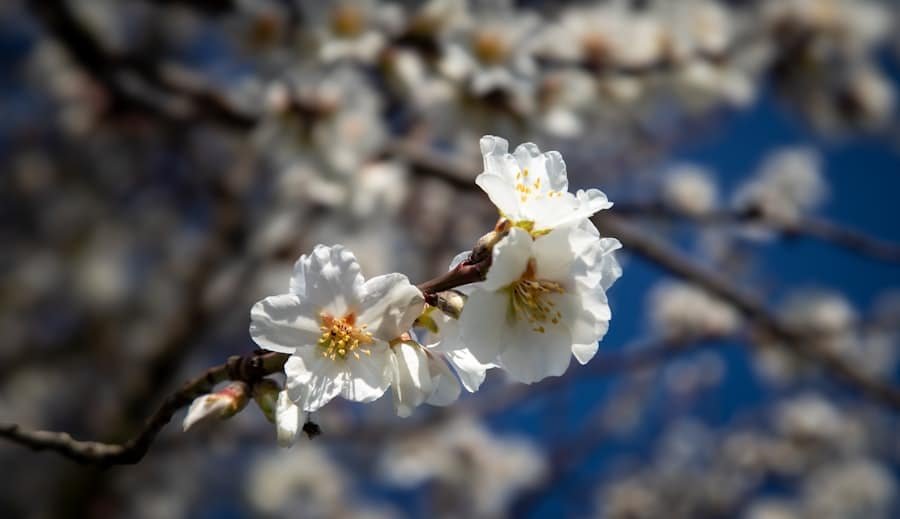
The peak months for tree pollen vary depending on your geographical location and the types of trees that dominate your area. In many regions, tree pollen season typically begins in early spring and can last until late spring or early summer. For instance, in the United States, trees such as birch and cedar often release their pollen from March to May, while oak and maple may peak in April and May.
If you live in an area with a diverse range of tree species, you may experience overlapping pollen seasons, making it essential to stay informed about which trees are pollinating at any given time. Monitoring local pollen forecasts can be incredibly beneficial during peak months. Many weather services provide daily updates on pollen levels, allowing you to plan outdoor activities accordingly.
By staying informed about when specific trees are pollinating, you can take steps to limit your exposure during high-risk periods. This proactive approach can significantly reduce the impact of tree pollen on your daily life.
Managing Tree Pollen Allergies
Managing tree pollen allergies requires a multifaceted approach that combines awareness, preparation, and treatment strategies. First and foremost, it’s essential to recognize your symptoms and understand how they relate to tree pollen exposure. Common symptoms include sneezing, nasal congestion, itchy eyes, and fatigue.
By keeping a symptom diary, you can identify patterns that correlate with specific pollen levels or tree species. Once you have a better understanding of your allergies, you can implement strategies to manage them effectively. Over-the-counter antihistamines can provide relief from symptoms, while nasal corticosteroids may help reduce inflammation in your nasal passages.
Consulting with a healthcare professional can also lead to personalized treatment options tailored to your specific needs. In some cases, allergy testing may be recommended to pinpoint the exact triggers affecting you.
Identifying Tree Pollen Allergens
Identifying the specific tree pollen allergens that affect you is a crucial step in managing your allergies effectively. Different individuals may react to different types of tree pollen, so understanding which ones trigger your symptoms is essential for effective management. Common culprits include birch, cedar, oak, and pine, but there are many other species that can also produce allergenic pollen.
To identify your specific allergens, consider undergoing allergy testing through a healthcare provider or an allergist. Skin prick tests or blood tests can help determine which tree pollens you are sensitive to. Once you have this information, you can take targeted measures to avoid exposure during peak seasons for those particular trees.
This knowledge empowers you to make informed decisions about when to stay indoors or take preventive medications.
Tips for Minimizing Tree Pollen Exposure
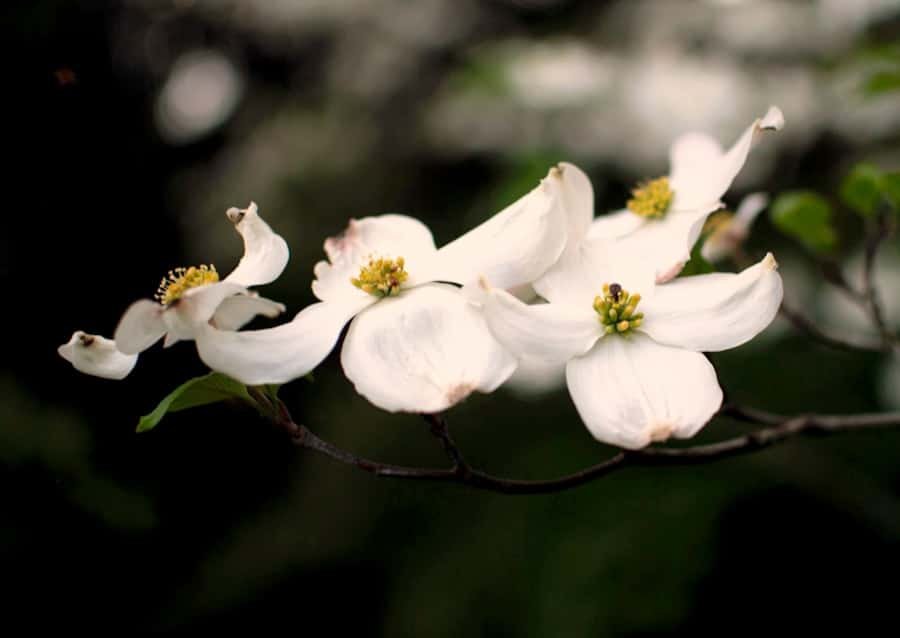
Minimizing exposure to tree pollen is key to managing your allergies effectively. One of the most straightforward strategies is to stay indoors during peak pollen times, which typically occur in the early morning hours when pollen counts are highest. If you must go outside, wearing sunglasses can help protect your eyes from airborne allergens, while a mask can filter out some of the pollen particles.
Keeping windows closed during high pollen seasons is another effective way to reduce indoor exposure. Using air purifiers with HEPA filters can also help trap pollen particles inside your home. Additionally, showering and changing clothes after spending time outdoors can prevent bringing pollen into your living space.
These small adjustments can make a significant difference in how you feel during tree pollen season.
Seeking Relief from Tree Pollen Allergies
When managing tree pollen allergies, seeking relief is often a top priority. Over-the-counter medications such as antihistamines and decongestants can provide quick relief from symptoms like sneezing and nasal congestion. However, if your symptoms are severe or persistent, it may be worth consulting with an allergist for more advanced treatment options.
Immunotherapy is one such option that involves gradually exposing you to small amounts of allergens over time to build up your tolerance. This treatment can be particularly effective for individuals with severe allergies who find it challenging to manage their symptoms with standard medications alone. Additionally, lifestyle changes such as maintaining a healthy diet and regular exercise can bolster your immune system and improve your overall well-being during allergy season.
Navigating Tree Pollen Seasons
Navigating tree pollen seasons can be challenging for those who suffer from allergies, but understanding the nature of tree pollen and its impact on your health is the first step toward effective management. By being aware of the factors that influence pollen levels and recognizing peak months for specific tree species, you can better prepare yourself for allergy season. Implementing strategies to minimize exposure and seeking appropriate relief options will empower you to take control of your allergies rather than letting them control you.
Remember that you are not alone in this struggle; millions of people face similar challenges each year. With knowledge and proactive measures at your disposal, you can navigate tree pollen seasons with greater ease and comfort.
FAQs
What is tree pollen?
Tree pollen is a fine powder produced by trees as part of their reproductive process. It is released into the air and can cause allergic reactions in some people.
When is tree pollen the highest?
The peak season for tree pollen varies depending on the location and the specific types of trees in the area. In general, tree pollen is highest in the spring, typically from late March to early June.
What are the symptoms of tree pollen allergies?
Symptoms of tree pollen allergies can include sneezing, runny or stuffy nose, itchy or watery eyes, and coughing. In some cases, it can also trigger asthma symptoms.
How can I reduce exposure to tree pollen?
To reduce exposure to tree pollen, you can keep windows closed during peak pollen season, use air purifiers with HEPA filters, and avoid outdoor activities during high pollen counts. It can also be helpful to shower and change clothes after spending time outdoors.
Can tree pollen allergies be treated?
Tree pollen allergies can be treated with over-the-counter or prescription antihistamines, nasal corticosteroids, and allergy shots (immunotherapy). It’s best to consult with a healthcare professional to determine the most effective treatment for your specific allergy symptoms.