
You’re wrestling with breakouts that don’t seem to care how old you are. You’re an adult, and somehow, you’re still dealing with pimples like a teenager. You’ve tried everything: washing your face religiously, switching to acne-specific cleansers, cutting out dairy, and even questionable DIY remedies from the internet. Yet, stubbornly, those angry red bumps persist. It’s frustrating, it’s embarrassing, and it can feel like your skin is betraying you.
The culprit, more often than not, is something you can’t necessarily see or control directly: hormones. Hormonal acne in adults is a stubborn beast, often appearing around your jawline, chin, and neck, and it can flare up cyclically. But don’t despair! As the Listicle Content Architect, I’m here to demystify this common issue and equip you with the knowledge to tackle it effectively. We’re going to break down what’s happening, why it’s happening, and most importantly, what you can do about it.
This isn’t about blaming your body; it’s about understanding its intricate workings and finding solutions that bring you closer to clear, confident skin. Let’s dive in.
You might think of acne as a teenage rite of passage, but for many adults, it’s a persistent and unwelcome guest. The primary reason for this lingering skin drama is the fluctuating levels of hormones within your body. It’s a complex interplay, and understanding these shifts is the first step to reclaiming control.
Testosterone: The Usual Suspect
While often associated with men, testosterone is present in both male and female bodies. In adults, fluctuations in this androgen can wreak havoc on your skin.
The Sebum Surge
Testosterone plays a significant role in stimulating your sebaceous glands, the tiny oil-producing factories embedded in your skin. When testosterone levels rise, or when your skin becomes more sensitive to its effects, these glands go into overdrive. This leads to an overproduction of sebum, the skin’s natural oil. While a healthy amount of sebum is essential for keeping your skin moisturized and protected, too much can create a breeding ground for acne.
The Pore Blockage Predicament
Excess sebum, combined with dead skin cells, can clog your pores. Imagine your pores as tiny tunnels; when they become congested, oil and dead skin can’t escape to the surface. This trap is the perfect environment for bacteria to thrive.
Androgen Sensitivity: It’s Not Always About High Levels
It’s not always about having excessively high levels of androgens. In some cases, your skin might simply be more sensitive to the androgens you naturally produce. This heightened sensitivity can trigger an exaggerated oil production response, even if your overall hormone levels are within the normal range.
Genetics and Predisposition
Your genes play a role in how sensitive your skin is to hormonal fluctuations. If you have family members who experienced adult hormonal acne, you might be more predisposed to it yourself. This genetic component means that what affects one person might not affect another in the same way.
Estrogen and Progesterone: The Balancing Act
Estrogen and progesterone are the primary female sex hormones, and their cyclical fluctuations throughout a woman’s menstrual cycle are a major driver of hormonal acne.
The Menstrual Cycle Connection
As your menstrual cycle progresses, the delicate balance between estrogen and progesterone shifts.
The Mid-Cycle Peak: Ovulation and Potential Breakouts
Around ovulation, estrogen levels typically peak. While estrogen can have some beneficial effects on the skin, it’s the subsequent drop in estrogen and the rise of progesterone that often leads to breakouts.
The Luteal Phase: Progesterone’s Impact
After ovulation, during the luteal phase, progesterone levels increase. Progesterone, while essential for pregnancy, can also stimulate sebum production. When estrogen levels start to decline before your period, the unopposed action of progesterone can lead to increased oiliness and clogged pores. This is why many women notice acne flares up in the week or two leading up to their period.
Perimenopause and Menopause: A Hormonal Shift
As you approach perimenopause and menopause, your ovaries produce less estrogen and progesterone. This significant hormonal shift can lead to a variety of changes in your skin, including increased dryness, loss of elasticity, and, for some, a resurgence of acne. The imbalance created by declining estrogen can contribute to a relative increase in the effects of androgens, leading to breakouts.
Other Hormonal Triggers: Beyond the Menstrual Cycle
While the menstrual cycle is a common culprit, other hormonal imbalances can also contribute to adult acne.
Polycystic Ovary Syndrome (PCOS)
PCOS is a common condition that affects women of reproductive age. It’s characterized by irregular periods, excess androgen levels, and polycystic ovaries. High androgen levels in PCOS can lead to increased sebum production, inflammation, and the development of acne, often along the jawline and chin.
Stress Hormones: Cortisol’s Sneaky Role
Chronic stress can elevate your body’s production of cortisol, a stress hormone. Cortisol can influence your adrenal glands to produce more androgens, which, as we’ve discussed, can lead to increased sebum production and breakouts. This is why you might notice a flare-up when you’re particularly stressed about work, life, or even an upcoming event.
Identifying Your Adult Acne: It’s More Than Just a Pimple
Adult hormonal acne often has distinct characteristics that set it apart from teenage acne. Recognizing these patterns is crucial for effective treatment. It’s not just about the presence of a zit; it’s about where it appears, how it feels, and when it tends to show up.
The Location, Location, Location Factor
The primary giveaway for hormonal acne is its typical placement on your face. While teenagers might experience widespread acne on their forehead and cheeks, adult hormonal acne tends to concentrate in specific areas.
The Dreaded Jawline and Chin Zone
This is the hallmark of hormonal acne. You’ll often find persistent breakouts along your jawline, from the corners of your mouth down to your chin, and sometimes even extending to your neck. These lesions are often deeper, more cystic, and can be quite painful.
The Hormonal Triangle: Cheeks and Neck
While the jawline and chin are prime real estate for hormonal acne, you might also notice inflammation creeping up your cheeks towards your ears and even flaring on your neck. This area is particularly sensitive to hormonal shifts.
The Texture and Type of Breakouts
Hormonal acne doesn’t usually manifest as tiny, superficial whiteheads. Instead, it often presents as deeper, more inflamed lesions.
The Deep, Cystic Monsters
These are the painful, often red lumps that form beneath the skin’s surface. They can be tender to the touch and may not come to a head for days or even weeks. Cystic acne is a common presentation of hormonal acne and can be the most challenging to treat.
Red, Inflamed Papules
Alongside deeper cysts, you might also experience stubborn, red, inflamed papules. These are raised bumps that are often sore and can leave behind post-inflammatory hyperpigmentation (dark spots) long after they’ve healed.
The Cyclical Nature: A Predictable Pattern
One of the most frustrating aspects of hormonal acne is its tendency to appear in a predictable pattern, particularly for women. If you find yourself breaking out around the same time each month, it’s a strong indicator of hormonal influence.
The Pre-Period Plight
As mentioned earlier, many women notice a significant increase in acne in the week or two leading up to their menstrual period. This is when progesterone levels are high, and estrogen is declining, creating the perfect storm for breakouts.
Post-Breakup Blues (Literally): After Hormonal Treatments
If you’ve recently stopped taking hormonal birth control or any other hormonal treatments, your body can experience a rebound effect where acne flares up as it readjusts. This period can be challenging, and it’s important to be prepared for potential breakouts.
Tackling the Hormonal Hijackers: Your Treatment Arsenal
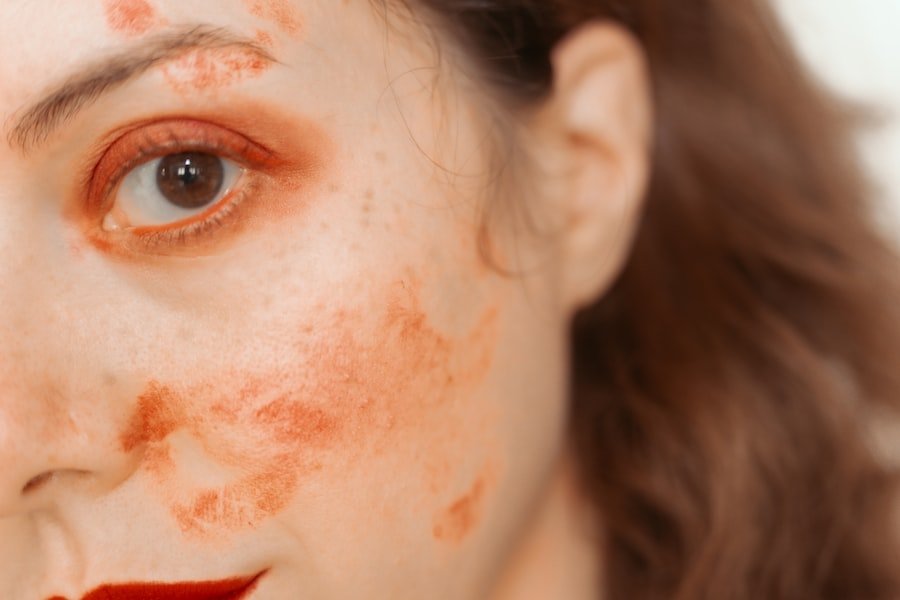
Dealing with hormonal acne requires a multi-pronged approach. Focusing solely on topical treatments might not be enough. You need to address the underlying hormonal imbalances while also treating the existing breakouts.
Consult Your Dermatologist: The Gold Standard
Before you embark on any treatment plan, especially if your acne is persistent or severe, a consultation with a dermatologist is paramount. They can accurately diagnose your condition and recommend the most effective treatments for your specific needs.
Prescription Topical Treatments
Your dermatologist can prescribe powerful topical retinoids (like tretinoin or adapalene) to help unclog pores, reduce inflammation, and promote cell turnover. They may also prescribe topical antibiotics or combination creams.
Oral Medications for Deeper Impact
For moderate to severe hormonal acne, oral medications can offer significant relief.
Antibiotics: Calming the Inflammation
Oral antibiotics like doxycycline or minocycline can help reduce the bacteria contributing to acne and, more importantly, calm the inflammation associated with hormonal breakouts. These are typically used for a limited duration.
Oral Retinoids: A Powerful Solution
For severe and stubborn acne, isotretinoin (Accutane) is a highly effective oral retinoid that significantly reduces oil production and inflammation. However, it comes with potential side effects and requires close monitoring by a doctor.
The Birth Control Breakthrough
For women, certain oral contraceptives can be a game-changer. Specifically, those with anti-androgenic properties can help regulate hormone levels and reduce sebum production. However, it’s crucial to discuss this with your doctor, as not all birth control pills are suitable for acne treatment.
Lifestyle Adjustments: Empowering Your Skin from Within
While medical interventions are often necessary, you can also make significant strides in managing hormonal acne through strategic lifestyle changes.
Diet: Nourishing Your Skin
Your diet plays a more significant role in skin health than you might think. While cutting out entire food groups without evidence isn’t always effective, focusing on anti-inflammatory foods can make a difference.
The Glycemic Index Game
Diets high in refined sugars and processed carbohydrates can lead to spikes in blood sugar, which can trigger inflammation and increase sebum production. Opt for whole grains, fruits, and vegetables with a lower glycemic index.
Dairy Debates: What’s Your Experience?
Some individuals find that dairy products exacerbate their acne. While the science isn’t definitive for everyone, if you suspect dairy is a trigger, consider a trial elimination period to see if your skin improves.
Hydration is Key
Drinking plenty of water is essential for overall skin health. It helps flush out toxins and keeps your skin hydrated from the inside out.
Stress Management: Taming the Cortisol Beast
We’ve discussed how stress can fuel hormonal acne. Finding healthy ways to manage stress is crucial.
Mindfulness and Meditation
Practicing mindfulness, meditation, or deep breathing exercises can help lower cortisol levels and promote a sense of calm.
Regular Exercise
Physical activity is a fantastic stress reliever and can improve circulation, which is beneficial for skin health. Aim for at least 30 minutes of moderate-intensity exercise most days of the week.
Prioritizing Sleep
Lack of sleep can disrupt hormone regulation and increase stress. Aim for 7-9 hours of quality sleep per night.
Skincare Routine Revamp: Gentle Yet Effective
Your daily skincare routine should be tailored to address hormonal acne, focusing on gentle cleansing, effective exfoliation, and targeted treatments.
The Gentle Cleansing Ritual
Harsh cleansers can strip your skin of its natural oils, leading to a rebound effect of increased oil production.
Opt for Mild, Non-Foaming Cleansers
Look for sulfate-free, gentle cleansers that won’t overdry your skin. Ingredients like salicylic acid can be beneficial for unclogging pores.
Avoid Over-Washing
Washing your face more than twice a day can actually worsen acne. Stick to a morning and evening routine.
Exfoliation: Unlocking Clogged Pores
Regular, yet gentle, exfoliation is key to preventing pore blockages.
Chemical Exfoliants: Your New Best Friend
Salicylic acid (a beta-hydroxy acid or BHA) is particularly effective for hormonal acne because it can penetrate oil and exfoliate inside the pores. Alpha-hydroxy acids (AHAs) like glycolic acid can also help with surface exfoliation and improving skin texture. Start slowly with chemical exfoliants to avoid irritation.
Physical Exfoliation with Caution
If you choose to use physical exfoliants (scrubs), opt for very fine particles and use them sparingly. Avoid harsh scrubbing, which can exacerbate inflammation.
Targeted Treatments: Spotlighting the Problem Areas
Once your skin is clean and exfoliated, apply targeted treatments to address existing breakouts and prevent new ones.
Benzoyl Peroxide: The Bacteria Buster
Benzoyl peroxide is an over-the-counter ingredient that kills acne-causing bacteria and helps reduce inflammation. It can be a bit drying, so start with a lower concentration and use it as a spot treatment or as a short-contact therapy.
Niacinamide: The Soothing Superstar
Niacinamide (vitamin B3) is a fantastic ingredient that offers a multitude of benefits for acne-prone skin. It helps reduce inflammation, regulate oil production, strengthen the skin barrier, and improve the appearance of pores.
Beyond the Surface: Advanced Treatments and Considerations
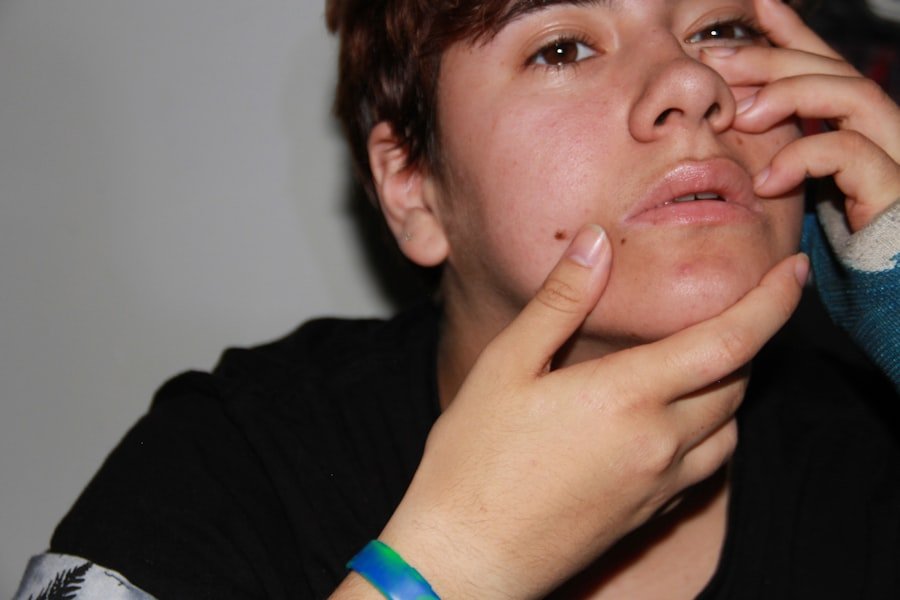
When traditional methods aren’t yielding the desired results, or if your hormonal acne is particularly severe or scarring, your dermatologist may suggest more advanced treatments. These options are designed to address deeper concerns and provide more comprehensive solutions.
Chemical Peels: Renewing Your Skin’s Surface
Chemical peels involve applying a solution to your skin, which exfoliates the top layers and stimulates cell regeneration. This can be highly effective for improving acne, reducing inflammation, and treating acne scars.
Types of Chemical Peels
Your dermatologist will determine the best type of peel for your skin, which can range from superficial peels for mild textural issues and clogged pores to deeper peels for more significant scarring and hyperpigmentation. Ingredients like salicylic acid, glycolic acid, and Jessner’s solution are commonly used.
The Benefits for Hormonal Acne
Chemical peels can help:
- Unclog Pores: By removing dead skin cells and excess sebum.
- Reduce Inflammation: Many peel ingredients have anti-inflammatory properties.
- Improve Skin Texture: Smoother skin is less prone to trapping oil and bacteria.
- Fade Post-Inflammatory Hyperpigmentation (PIH): Those stubborn dark spots left behind by acne.
- Stimulate Collagen Production: Which can help in healing acne scars over time.
What to Expect
After a peel, your skin may be red, sensitive, and experience some peeling or flaking. It’s crucial to follow your dermatologist’s post-peel care instructions meticulously to ensure optimal results and prevent complications. Multiple sessions are often required for best outcomes.
Laser and Light Therapies: Targeting Bacteria and Inflammation
Various laser and light-based treatments can be used to combat hormonal acne by targeting the bacteria responsible for breakouts and reducing inflammation.
Blue Light Therapy
This non-invasive treatment uses specific wavelengths of blue light to kill Propionibacterium acnes (P. acnes), the bacteria that contributes to acne formation. It’s often used in conjunction with red light therapy, which helps reduce inflammation and promote healing.
Photodynamic Therapy (PDT)
PDT involves applying a photosensitizing agent to the skin, which is then activated by a specific light source. This process selectively destroys acne-causing bacteria and can also help shrink sebaceous glands, reducing oil production.
Fractional Lasers
These lasers create microscopic treatment zones in the skin, stimulating the body’s natural healing process. This can improve acne scars, reduce inflammation, and even help regulate oil production. Some fractional lasers are also effective for targeting the pigment associated with acne.
Considerations for Laser Treatments
Laser and light therapies are generally well-tolerated, but some redness, swelling, and temporary skin sensitivity are common side effects. The number of sessions needed will vary depending on the type of treatment and the severity of your acne. It’s vital to discuss the potential risks and benefits with your dermatologist.
Dermal Fillers for Scar Revision: Addressing the Aftermath
Hormonal acne, particularly cystic acne, can often lead to a form of scarring. While preventing acne is key, dermal fillers can be a valuable tool in correcting the textural irregularities left behind.
Filling in Depressed Scars
Dermal fillers, such as hyaluronic acid fillers, can be injected directly into depressed acne scars to plump the skin and create a smoother, more even surface. This is particularly effective for atrophic (indented) scars.
Improving Texture and Volume Loss
Over time, severe acne can lead to localized volume loss and changes in skin texture. Fillers can help restore lost volume and improve the overall appearance of the skin.
Long-Term Scar Management
While fillers provide immediate results, they are temporary. For more permanent scar revision, other treatments like microneedling, laser resurfacing, or subcision may be recommended in conjunction with or instead of fillers.
Hormone Replacement Therapy (HRT) – A Specialized Medical Intervention
For women experiencing significant menopausal symptoms and acne related to hormonal decline, Hormone Replacement Therapy (HRT) might be considered by a healthcare professional. This is a complex medical decision and is not a first-line treatment for acne alone.
Addressing Menopausal Acne
As estrogen and progesterone levels decrease during perimenopause and menopause, the body’s hormonal balance shifts, which can lead to post-menopausal acne. HRT aims to replenish these declining hormones, which can, in turn, help to rebalance androgen levels and improve acne.
Careful Evaluation and Monitoring are Crucial
HRT is a significant medical intervention with potential benefits and risks. It should only be prescribed and closely monitored by a qualified physician, typically a gynecologist or endocrinologist, after a thorough evaluation of your medical history, symptoms, and overall health. They will weigh the benefits of symptom relief, including acne improvement, against potential risks, such as increased risk of blood clots or certain cancers.
The Long Game: Maintaining Clear Skin and Preventing Relapses
| Age Range | Prevalence | Treatment Options |
|---|---|---|
| 20-29 | 50% | Topical retinoids, oral contraceptives |
| 30-39 | 35% | Anti-androgen medications, hormonal therapy |
| 40-49 | 20% | Oral antibiotics, spironolactone |
Achieving clear skin is a journey, not a destination, especially when you’re dealing with hormonal acne. Consistency and a proactive approach are your allies in maintaining the progress you’ve made and preventing those unwelcome flare-ups from returning.
Consistency is Your Compass
The most effective treatments, whether topical, oral, or lifestyle-based, require consistent application. Skipping your skincare routine or forgetting your medication can quickly undo your hard work.
Stick to Your Prescribed Routine
Your dermatologist’s recommendations are tailored to your specific needs. Adhere strictly to their instructions regarding frequency of application, dosage, and duration of treatment.
Don’t Get Discouraged by Slow Progress
Hormonal acne can be stubborn. It’s crucial to be patient. It often takes several weeks, or even months, to see significant improvement. Avoid the temptation to switch treatments too frequently, as this can disrupt the healing process.
Adapting Your Routine as Needed
Your skin’s needs can change over time, especially as hormone levels fluctuate. Be prepared to adapt your routine accordingly.
Seasonal Shifts
Your skin’s oil production and hydration needs can change with the seasons. You might need to adjust your moisturizer or incorporate more hydrating ingredients during drier winter months.
Life Events
Significant life events, such as stress, illness, or hormonal changes (like pregnancy or stopping birth control), can influence your skin. Be extra vigilant with your skincare and consider consulting your dermatologist if you notice a significant flare-up.
The Role of Prevention: Proactive Strategies
Prevention is often easier than treatment. By integrating preventive measures into your lifestyle and skincare routine, you can significantly reduce the likelihood of future breakouts.
Gentle Maintenance Whenever Possible
Once your acne is under control, you may be able to transition to a less intensive maintenance routine. This might involve using milder active ingredients or reducing the frequency of certain treatments. Always discuss potential changes with your dermatologist.
Understanding Your Triggers
Continue to be mindful of potential triggers. While some are unavoidable (like hormonal cycles), others, like diet or stress, can be managed. Keep a skin diary to track breakouts and identify any patterns or correlations.
Embrace a Healthy Lifestyle Holistically
Your overall health directly impacts your skin. Continue to prioritize a balanced diet, regular exercise, sufficient sleep, and stress management techniques. These foundational elements are crucial for long-term skin health and resilience.
Don’t Be Afraid to Seek Professional Guidance
If you experience a relapse or notice your acne worsening, don’t hesitate to reach out to your dermatologist. They can help diagnose the cause and adjust your treatment plan to get you back on track.
You’ve now got a comprehensive understanding of hormonal acne – its causes, its telltale signs, and a robust arsenal of treatment and prevention strategies. Remember, your skin is a vital part of you, and it deserves your care and attention. By understanding the hormonal dance happening within your body and implementing these strategies, you are well-equipped to navigate the challenges of adult hormonal acne and move towards a future of clearer, more confident skin.
FAQs
What is hormonal acne in adults?
Hormonal acne in adults is a type of acne that is primarily caused by fluctuations in hormone levels, particularly androgens such as testosterone. This type of acne often appears on the lower part of the face, jawline, and neck.
What are the common symptoms of hormonal acne in adults?
Common symptoms of hormonal acne in adults include deep, painful cysts or nodules, persistent acne that does not respond well to traditional treatments, and acne that worsens around the time of menstruation for women.
What are the potential causes of hormonal acne in adults?
Hormonal acne in adults can be caused by a variety of factors, including hormonal fluctuations during the menstrual cycle, pregnancy, menopause, and conditions such as polycystic ovary syndrome (PCOS) or adrenal gland disorders.
How is hormonal acne in adults typically treated?
Treatment for hormonal acne in adults often involves a combination of topical treatments, oral medications such as birth control pills or spironolactone, and lifestyle changes such as managing stress and maintaining a healthy diet.
When should I see a healthcare professional about hormonal acne in adults?
If you are experiencing persistent or severe acne that is impacting your quality of life, it is important to seek the advice of a healthcare professional. They can help determine the underlying cause of your acne and develop a personalized treatment plan.