
Let’s start building your ultimate acne product routine. As the Listicle Content Architect, my goal is to empower you with clear, actionable advice so you can navigate the often-confusing world of skincare and finally conquer those pesky breakouts. Think of this as your personalized roadmap to clearer, healthier skin. We’ll break down the process into manageable steps, ensuring you understand why you’re using each product and how to integrate it effectively. No more guessing, just smart, targeted skincare.
Before you even think about grabbing products off the shelf, you need to understand what you’re dealing with. This isn’t about self-diagnosis for a medical condition, but about recognizing the general type of acne you experience. This understanding will be your guiding star as you select the right ingredients and formulations. Trying to tackle blackheads with a product designed for cystic acne is like bringing a garden hose to a wildfire – it’s just not the right tool for the job.
1.1 Identifying Your Acne Type
Take a good, honest look in the mirror. What do you see?
1.1.1 Non-Inflammatory Acne: The Subtle Setbacks
This category is generally less aggressive and includes:
- Blackheads (Open Comedones): These appear as dark spots on the skin. The dark color isn’t dirt; it’s oxidized melanin and sebum (oil) that has been exposed to air.
- Your Target Ingredients: Look for ingredients that can help exfoliate the pore lining, such as Salicylic Acid (BHA), which is oil-soluble and can penetrate pores. Alpha Hydroxy Acids (AHAs) like Glycolic Acid and Lactic Acid can also help shed dead skin cells. Retinoids (both over-the-counter and prescription) are excellent at normalizing skin cell turnover and preventing pores from becoming clogged in the first place.
- Whiteheads (Closed Comedones): These are small, flesh-colored or white bumps. They occur when pores are blocked, but the blockage is covered by a thin layer of skin.
- Your Target Ingredients: Similar to blackheads, ingredients that promote exfoliation and cell turnover are key. Salicylic Acid, AHAs, and retinoids are your allies here. Gentle physical exfoliation, like using a soft washcloth or a very mild scrub once or twice a week, can also help, but be cautious not to overdo it, as this can worsen inflammation.
1.1.2 Inflammatory Acne: The More Visible Battles
This type of acne involves redness, swelling, and can be more painful.
- Papules: These are small, red, tender bumps without a head. They are inflamed hair follicles.
- Your Target Ingredients: You’ll want ingredients that address both pore blockages and inflammation. Salicylic Acid is still relevant, but you’ll also benefit from anti-inflammatory agents like Niacinamide, Green Tea Extract, or Colloidal Oatmeal. Benzoyl Peroxide is a powerful antibacterial agent that kills acne-causing bacteria and helps reduce inflammation. It comes in various strengths, so start low (2.5% or 5%).
- Pustules: These are similar to papules but have a pus-filled tip, giving them that classic “zit” appearance.
- Your Target Ingredients: Benzoyl Peroxide is highly effective against the bacteria that contribute to pustules. Salicylic Acid can help clear the pore, and anti-inflammatory ingredients will soothe the redness. Clay masks can also be beneficial for drawing out impurities and excess oil, which can help reduce the appearance of pustules.
- Nodules: These are large, solid, painful lumps beneath the surface of the skin. They are deep and inflamed.
- Your Target Ingredients: Nodules often require a more targeted approach and may benefit from prescription treatments. However, at home, you can focus on reducing inflammation and preventing future blockages. Gentle cleansing, topical retinoids (if tolerated), and possibly a spot treatment containing a low concentration of Benzoyl Peroxide can be helpful. However, if you primarily experience nodules, it’s strongly recommended to consult a dermatologist.
- Cysts: These are the most severe form of acne. They are painful, pus-filled lumps deep within the skin. They can lead to significant scarring.
- Your Target Ingredients: If you are dealing with cystic acne, at-home treatments alone are unlikely to be sufficient. This type of acne often requires prescription medication from a dermatologist, such as oral antibiotics, hormonal treatments, or isotretinoin. While you can still maintain a gentle cleansing routine, focus on avoiding anything that irritates your skin further.
1.2 Assessing Your Skin Type (Beyond Acne)
Your skin is more than just its propensity for breakouts; it also has an inherent oiliness level. This dictates the texture of products you’ll choose.
1.2.1 Oily Skin
You tend to shine, especially in your T-zone (forehead, nose, chin). Your pores might appear larger.
- Product Focus: Lightweight, oil-free, non-comedogenic formulas are your best friend. Think gel cleansers, lightweight serums, and oil-free lotions or gels for moisturizer.
1.2.2 Dry Skin
You might experience tightness, flakiness, or dullness. Even with acne, dry skin needs hydration.
- Product Focus: Hydrating cleansers, richer (but still non-comedogenic) serums, and cream or lotion moisturizers are essential. Avoid overly stripping cleansers.
1.2.3 Combination Skin
You’re oily in some areas (usually the T-zone) and normal or dry in others.
- Product Focus: You might need to tailor your routine to different zones. Lighter products for the T-zone and slightly more hydrating options for drier areas.
1.2.4 Sensitive Skin
Your skin easily becomes red, irritated, or itchy, especially when introducing new products.
- Product Focus: Opt for fragrance-free, dye-free, and minimal-ingredient formulas. Patch testing new products is crucial. Introduce active ingredients one at a time and at lower concentrations.
2. The Core Four: Essential Steps in Your Acne Routine
Every effective acne product routine, regardless of your specific concerns, relies on a few fundamental building blocks. These are the non-negotiables that form the bedrock of your skincare regimen. Skipping these steps is like trying to build a house without a foundation – it’s destined to crumble.
2.1 Step 1: Gentle Cleansing – The Daily Reset
Cleansing is your first line of defense against acne. It removes excess oil, dirt, and impurities that can clog pores and trigger breakouts. The key here is gentle. Over-stripping your skin can actually trigger more oil production as your skin tries to compensate, leading to a counterproductive cycle.
2.1.1 AM Cleanser: A Fresh Start
In the morning, you’re looking to remove any residual oil or sweat that accumulated overnight and prepare your skin for the day ahead.
- Product Recommendations:
- For Oily/Combination Skin: A lightweight, foaming, or gel cleanser with ingredients likeSalicylic Acid (a low percentage, like 0.5-1%) or Tea Tree Oil can be beneficial. Look for “oil-free” and “non-comedogenic” labels. Examples include CeraVe Renewing SA Cleanser, La Roche-Posay Effaclar Purifying Foaming Gel Cleanser.
- For Dry/Sensitive Skin: A hydrating, creamy or lotion cleanser is ideal. Avoid harsh sulfates. Ingredients like glycerin, hyaluronic acid, and ceramides are excellent. Examples include CeraVe Hydrating Facial Cleanser, Cetaphil Gentle Skin Cleanser.
- For All Skin Types: Even a simple rinse with lukewarm water can suffice for some individuals in the morning if their skin isn’t particularly oily.
2.1.2 PM Cleanser: The Deep Cleanse and Treatment Introduction
Your evening cleanse is crucial for removing the day’s accumulation of dirt, oil, pollution, and any makeup you might be wearing. This is also where you’ll introduce your targeted acne-fighting ingredients. If you wear makeup or heavy sunscreen, consider a double cleanse.
- Double Cleansing (Optional but Recommended for Makeup/Sunscreen Wearers):
- First Cleanse: Use an oil-based cleanser or micellar water to break down makeup, sunscreen, and excess sebum. Balm cleansers and cleansing oils are fantastic for this. Examples include Banila Co Clean It Zero, COSRX Low pH Good Morning Gel Cleanser (if using as the second step).
- Second Cleanse: Now, use your regular water-based cleanser (as described above for AM/PM) to thoroughly clean your skin and remove any remaining residue.
- Product Recommendations for PM Cleansing with Acne Focus:
- Salicylic Acid Cleanser: If you have blackheads, whiteheads, or mild inflammatory acne, a cleanser with 1-2% Salicylic Acid can be used a few nights a week to start. Always follow the product’s instructions.
- Benzoyl Peroxide Cleanser: For more inflammatory acne, a Benzoyl Peroxide wash (2.5% or 5%) can be very effective. Start with short contact therapy (leave on for 1-2 minutes before rinsing) a few times a week to minimize dryness and irritation. Examples include PanOxyl Acne Foaming Wash.
2.2 Step 2: Targeted Treatments – The Active Attack
This is where you bring out the heavy hitters – your serums, spot treatments, and exfoliants that directly address acne concerns, ranging from pore clearing to inflammation reduction.
2.2.1 Chemical Exfoliants: Unclogging the Pores
Chemical exfoliants work by dissolving the bonds between dead skin cells, allowing them to shed more easily. This prevents pores from becoming clogged and can improve skin texture and tone.
- Salicylic Acid (BHA): Oil-soluble, meaning it can penetrate deep into the pores to dissolve sebum and debris. Excellent for blackheads, whiteheads, and mild inflammatory acne.
- Typical Strengths: 0.5% – 2% in leave-on treatments, sometimes higher in professional peels.
- Product Formats: Serums, toners, leave-on pads, and even some moisturizers.
- How to Use: Apply a thin layer to clean, dry skin. Start with a few nights per week and gradually increase frequency as tolerated.
- Alpha Hydroxy Acids (AHAs): Water-soluble and work on the surface of the skin to shed dead skin cells. Good for improving skin texture and hyperpigmentation.
- Common AHAs: Glycolic Acid (stronger, better for thicker skin), Lactic Acid (milder, more hydrating).
- Typical Strengths: 5% – 10% in leave-on treatments.
- Product Formats: Serums, toners, leave-on pads.
- How to Use: Similar to BHAs, start slowly. AHAs can increase sun sensitivity, so daily SPF is non-negotiable.
- Retinoids (Over-the-Counter): Derivatives of Vitamin A that are highly effective at normalizing skin cell turnover, preventing clogged pores, and reducing inflammation.
- Common OTC Retinoids: Retinol, Retinaldehyde (Retinal).
- Typical Strengths: Start with low concentrations (0.1% – 0.3% retinol).
- Product Formats: Serums, creams.
- How to Use: Introduce gradually. Use only at night. Can cause purging (initial worsening of acne) and dryness. Daily SPF is essential.
2.2.2 Spot Treatments: The Targeted Strike
When you have a particularly stubborn pimple, a spot treatment is your secret weapon. These are concentrated formulas designed to be applied directly to the blemish.
- Benzoyl Peroxide: A potent antibacterial agent that kills acne-causing bacteria and helps reduce inflammation.
- Typical Strengths: 2.5% – 10%. Start with the lowest concentration to minimize irritation and bleaching of fabrics.
- How to Use: Apply a tiny amount directly to the pimple after cleansing and before moisturizing. Can be drying.
- Salicylic Acid Spot Treatments: Effective for smaller, less inflamed blemishes.
- Typical Strengths: 1% – 2%.
- How to Use: Apply directly to the blemish.
- Sulfur Spot Treatments: Gentler than Benzoyl Peroxide and effective at reducing inflammation and drying out blemishes. Often has a slight odor.
- Typical Strengths: 3% – 10%.
- How to Use: Apply directly to the blemish.
2.2.3 Anti-Inflammatory Ingredients: Soothing the Fire
For red, swollen breakouts, calming ingredients are vital.
- Niacinamide (Vitamin B3): A multitasking powerhouse that reduces inflammation, regulates oil production, strengthens the skin barrier, and can help with post-acne marks.
- Typical Strengths: 2% – 10%.
- Product Formats: Serums, moisturizers, cleansers.
- How to Use: Can be used AM and/or PM. Generally well-tolerated by most skin types.
- Green Tea Extract: A potent antioxidant with anti-inflammatory properties that can help calm redness associated with acne.
- Product Formats: Serums, masks, toners.
- How to Use: Can be used AM and/or PM.
2.3 Step 3: Hydration is Key – Don’t Fear Moisturizer!
This is one of the most misunderstood aspects of acne skincare. Many people with oily or acne-prone skin avoid moisturizer, fearing it will clog pores or make them greasier. This is a fallacy! Properly hydrating your skin is crucial for maintaining a healthy skin barrier, which is essential for fighting acne. Dehydrated skin can often overcompensate by producing more oil.
2.3.1 AM Moisturizer: Lightweight Protection
Your morning moisturizer should be lightweight and provide a base for sunscreen.
- Product Recommendations for Oily/Acne-Prone Skin:
- Gel or Gel-Cream Formulas: These are typically water-based and absorb quickly without feeling heavy. Look for “oil-free” and “non-comedogenic.”
- Ingredients to Look For: Hyaluronic Acid (draws moisture to the skin), Glycerin (a humectant), Ceramides (help repair the skin barrier), Niacinamide (anti-inflammatory and oil-regulating).
- Examples: Neutrogena Hydro Boost Water Gel, CeraVe PM Facial Moisturizing Lotion (it’s lightweight enough for AM use too).
2.3.2 PM Moisturizer: Replenishing and Repairing
Your nighttime moisturizer can be a bit more nourishing as your skin repairs itself overnight.
- Product Recommendations for Dry/Acne-Prone Skin:
- Lotion or Cream Formulas: If your skin is on the drier side or you’re using potent actives that can be drying, a light lotion or a slightly richer cream might be beneficial. Again, focus on “non-comedogenic.”
- Ingredients to Look For: Similar to AM moisturizers, but you might incorporate ingredients that support barrier repair more heavily, like ceramides and fatty acids.
- Examples: La Roche-Posay Toleriane Double Repair Face Moisturizer, CeraVe Moisturizing Cream.
2.4 Step 4: Sun Protection – The Unsung Hero of Post-Acne Care
This is the most critical step for preventing future breakouts from leading to persistent hyperpigmentation (dark spots) and scarring. Sun exposure can significantly worsen the appearance of acne marks and hinder the healing process. Your acne products, especially retinoids and AHAs/BHAs, can also make your skin more sensitive to the sun.
2.4.1 AM Sunscreen: Your Daily Shield
This is non-negotiable, every single day, rain or shine.
- Product Recommendations:
- Broad-Spectrum SPF 30 or Higher: Look for products that protect against both UVA (aging rays) and UVB (burning rays).
- “Oil-Free” and “Non-Comedogenic” Labels: Crucial for acne-prone skin to avoid pore-clogging ingredients.
- Mineral Sunscreens (Zinc Oxide/Titanium Dioxide): These can be gentler for sensitive skin and often have a matte finish.
- Chemical Sunscreens: Offer a more transparent finish.
- Consider Tinted Formulas: Some tinted sunscreens can help provide light coverage to mask redness while protecting your skin.
- Examples: EltaMD UV Clear Broad-Spectrum SPF 46 (contains niacinamide), Supergoop! Unseen Sunscreen SPF 40 (clear finish), Paula’s Choice RESIST Youth-Extending Daily Hydrating Fluid SPF 50.
3. Enhancing Your Routine: Weekly and Targeted Boosts
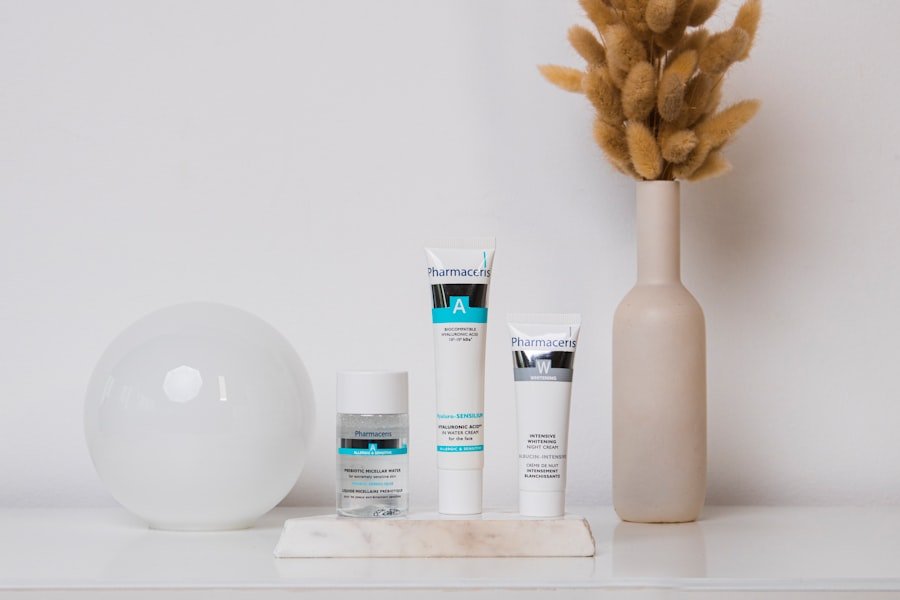
Beyond the daily essentials, incorporating weekly treatments and specialized products can significantly elevate your acne game and address specific concerns. Think of these as the professional development courses for your skin – they’re not daily necessities, but they offer specialized benefits.
3.1 Weekly Exfoliation Boosts: Deeper Pore Purification
While daily chemical exfoliants are excellent, a more intensive weekly treatment can further refine pores and slough away stubborn dead skin cells.
- Clay Masks: Excellent for absorbing excess oil and drawing out impurities from pores. They can help reduce inflammation and give your skin a deep clean.
- Ingredients to Look For: Kaolin clay, Bentonite clay, Sulfur.
- How to Use: Apply to clean skin, leave on for 10-15 minutes (don’t let it dry completely and crack), and rinse thoroughly. Follow with moisturizer.
- Frequency: 1-2 times per week.
- Exfoliating Peels/Masks: These contain higher concentrations of AHAs or BHAs for a more potent exfoliation.
- Caution: These can be more irritating. Always patch test and follow product instructions meticulously. Reduce your daily exfoliant usage on the days you use a stronger peel.
- How to Use: Apply to clean, dry skin, leave on for the recommended time (usually a few minutes for peel pads or up to 10-15 for masks), and rinse. Follow with a hydrating moisturizer.
- Frequency: Once a week or once every two weeks, depending on your skin’s tolerance.
3.2 Addressing Post-Acne Marks: Fading the Evidence
Once your active breakouts are under control, you might be left with dark spots or red marks. These are known as post-inflammatory hyperpigmentation (PIH) and post-inflammatory erythema (PIE).
3.2.1 Ingredients for Hyperpigmentation (Dark Spots)
These ingredients help to lighten and fade the excess melanin that causes dark marks.
- Vitamin C (Ascorbic Acid): A powerful antioxidant that brightens the skin, inhibits melanin production, and can help fade dark spots.
- Typical Strengths: 10% – 20%.
- How to Use: Best applied in the morning after cleansing and before sunscreen to provide antioxidant protection. Can be combined with other actives, but introduce slowly.
- Niacinamide: As mentioned before, it also helps to reduce the transfer of pigment to skin cells, thus fading PIH.
- How to Use: Can be used AM and/or PM.
- Azelaic Acid: A gentler option that also helps with inflammation and has mild exfoliating properties. It inhibits tyrosinase, an enzyme involved in melanin production.
- Typical Strengths: 10% (OTC), higher strengths available by prescription.
- How to Use: Can be used AM and/or PM.
- Alpha Arbutin: A derivative of hydroquinone that works to lighten dark spots by inhibiting melanin production.
- How to Use: Can be used AM and/or PM.
- Kojic Acid: Another ingredient that helps to inhibit melanin production.
- How to Use: Often found in serums and treatments.
3.2.2 Ingredients for Post-Inflammatory Erythema (Red Marks)
These ingredients focus on calming inflammation and improving circulation to reduce redness.
- Niacinamide: Again, its anti-inflammatory properties are a star player in reducing redness.
- Centella Asiatica (Cica): Known for its soothing and healing properties, it can help calm redness and repair the skin barrier.
- Green Tea Extract: Antioxidant and anti-inflammatory benefits help to reduce redness.
- Licorice Extract: Has anti-inflammatory and brightening properties that can help reduce redness.
3.3 Managing Oily Skin Throughout the Day
If oiliness is a persistent concern, even with a good routine, you might need a few tools for touch-ups.
- Blotting Papers: These are sheets of absorbent paper that you can gently press onto your skin to absorb excess oil without disturbing makeup.
- How to Use: Gently press onto shiny areas. Avoid rubbing.
- Mattifying Primers or Setting Sprays: These can help control shine throughout the day and work well with makeup.
4. Integrating New Products: The Art of Gradual Introduction
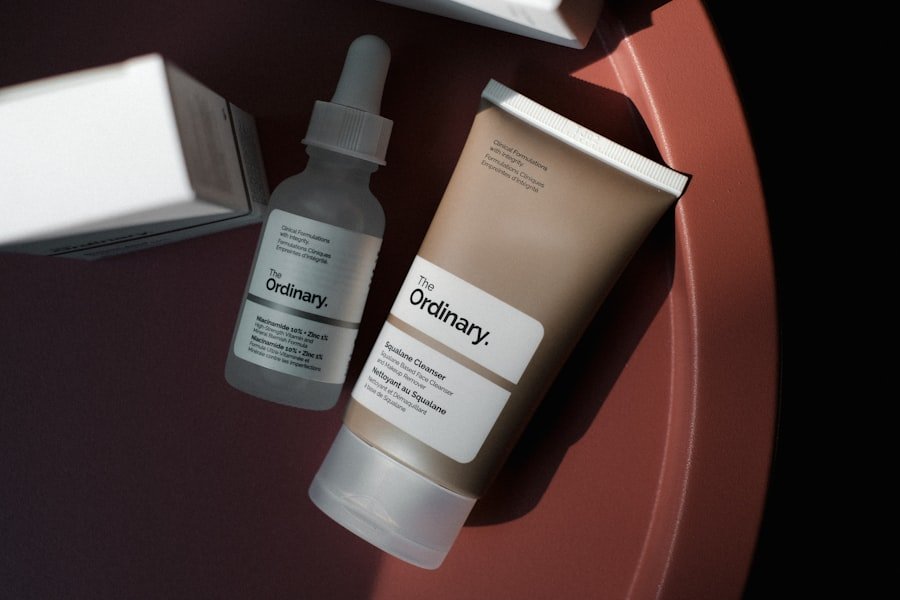
This is where many go wrong – diving headfirst into a cabinet full of new, potent ingredients all at once. Your skin is a sensitive ecosystem. Introducing too many new things too quickly can overwhelm it, leading to irritation, redness, breakouts, or an allergic reaction. Patience and a strategic approach are key.
4.1 The Golden Rule: One New Product at a Time
This principle is so important, it needs to be repeated. When you decide to add a new product to your routine, whether it’s a serum, moisturizer, or cleanser, introduce it alone.
- The Process:
- Introduce the new product.
- Use it for at least 2-4 weeks.
- Assess how your skin reacts. Is it breaking out? Is it irritated? Is it improving?
- Only if your skin tolerates it well, consider introducing another new product.
4.2 Patch Testing: Your Pre-emptive Strike Against Reactions
Before applying a new product all over your face, perform a patch test.
- Where to Patch Test: Choose a discreet area, such as behind your ear, on your inner forearm, or along your jawline.
- How to Patch Test: Apply a small amount of the product to the chosen area.
- The Waiting Game: Leave it on for the recommended wear time of the product (or at least 24 hours if it’s a leave-on).
- The Assessment: Check for any redness, itching, burning, or unusual reactions. If you experience any adverse effects, do not use the product on your face.
4.3 Understanding Purging vs. Breakouts
This is a crucial distinction, especially when starting active ingredients like retinoids or chemical exfoliants.
- Purging: This is when new active ingredients speed up your skin’s natural cell turnover process. This brings underlying congestion (microcomedones that were already forming) to the surface more quickly in the form of small bumps or even a few pimples. Purged breakouts typically appear in areas where you normally break out and resolve relatively quickly (within 4-6 weeks).
- Breakouts (Adverse Reaction): These occur when a product is not suitable for your skin, leading to new, inflamed pimples, clogged pores that weren’t there before, or general irritation. These breakouts might be more persistent or appear in areas you don’t usually experience acne.
- How to Differentiate: Consider your existing breakout patterns and the ingredients you’re using. If you’re starting a known “purging” ingredient like a retinoid and you have existing congestion, it’s likely purging. If you’re using a new fragrance-heavy product and break out, it’s likely a reaction.
4.4 Timing is Everything: Creating a Balanced Schedule
Your routine should be structured logically to maximize product efficacy and minimize irritation.
- Morning Routine (AM): Focus on cleansing, treating (antioxidants like Vitamin C!), hydrating, and protecting (SPF!).
- Example: Gentle Cleanser -> Vitamin C Serum -> Hyaluronic Acid Serum (optional) -> Moisturizer -> SPF.
- Evening Routine (PM): Focus on thorough cleansing to remove the day’s grime, targeted treatments (retinoids, exfoliants), and then repair with moisturizer.
- Example: Double Cleanse (if needed) -> Salicylic Acid Treatment/Retinoid (alternate nights, not on the same night you use a strong physical exfoliant) -> Moisturizer.
- Alternating Actives: It’s generally best not to use powerful actives like retinoids and strong chemical exfoliants (like high-concentration AHAs) on the same night, especially when you’re starting out. Alternate them to give your skin a break and reduce the risk of irritation. For example, use a retinoid one night and a BHA serum the next.
5. Beyond Products: Lifestyle and Patience
| Step | Product | Frequency |
|---|---|---|
| Cleansing | Gentle cleanser | Twice daily |
| Treatment | Acne treatment (e.g. benzoyl peroxide or salicylic acid) | Once daily |
| Moisturizing | Oil-free moisturizer | Twice daily |
| Protection | Sunscreen (if using treatment in the morning) | Once daily |
Skincare isn’t solely about the bottles and jars you use. Your overall lifestyle plays a significant role in the health of your skin and its ability to combat acne. Furthermore, achieving clear skin is a journey, not a race. Patience is your most valuable skincare tool.
5.1 Lifestyle Factors That Impact Acne
Your daily habits can either help or hinder your skincare efforts.
- Diet: While the link is complex and debated, some people find that certain foods can trigger breakouts. Common culprits include high-glycemic index foods (sugary snacks, white bread) and dairy. Pay attention to your own reactions.
- Tip: Focus on a balanced diet rich in fruits, vegetables, and lean protein. Stay hydrated by drinking plenty of water.
- Stress Management: Stress can wreak havoc on your hormones, leading to increased oil production and inflammation, thus exacerbating acne.
- Tips: Incorporate stress-reducing activities into your routine such as meditation, yoga, deep breathing exercises, spending time in nature, or engaging in hobbies you enjoy.
- Sleep: Your skin repairs itself while you sleep. Lack of sleep can disrupt this process and contribute to inflammation.
- Tip: Aim for 7-9 hours of quality sleep per night.
- Hygiene Habits:
- Clean Your Phone Screen: Your phone screen harbors a lot of bacteria that can transfer to your face. Wipe it down regularly with an antibacterial wipe.
- Change Your Pillowcases: Bacteria and oil can accumulate on pillowcases. Aim to change them at least once or twice a week.
- Avoid Touching Your Face: Your hands are constantly picking up germs and oils from various surfaces. Resist the urge to touch, pick, or pop pimples, as this can lead to infection, scarring, and spreading bacteria.
- Clean Makeup Brushes: Bacteria can build up on makeup brushes. Clean them regularly (at least once a week) with a gentle brush cleanser.
5.2 The Power of Patience: Consistency is Key
Achieving significant improvements in acne takes time. You won’t wake up with perfect skin overnight.
- Set Realistic Expectations: Understand that it can take anywhere from 4 to 12 weeks to see noticeable results from a new skincare routine, especially with active ingredients.
- Stay Consistent: Stick to your routine diligently, even on days when you feel discouraged. Consistency is what allows your chosen ingredients to work their magic.
- Don’t Give Up Too Soon: If you’re not seeing results after a few weeks, it might be that the products aren’t the right fit, or you need to adjust your approach. However, don’t jump ship and switch products after just a few applications.
5.3 When to Seek Professional Help: Recognizing Limitations
While this listicle provides a comprehensive guide to building an at-home routine, there are times when professional guidance is essential.
- Severe or Persistent Acne: If you have severe cystic acne, nodular acne, or acne that is resistant to over-the-counter treatments, it’s time to see a dermatologist.
- Scarring: If you are concerned about acne scarring, a dermatologist can offer prescription treatments or procedures to improve the appearance of scars.
- Underlying Medical Conditions: Sometimes, acne can be a symptom of an underlying hormonal imbalance or other medical condition. A dermatologist can help diagnose and treat these issues.
- Conflicting Advice: If you’re feeling overwhelmed by conflicting skincare information, a dermatologist can provide personalized advice based on your specific needs.
By understanding your acne, building a solid foundation with the core four steps, enhancing your routine with weekly boosts, introducing products wisely, and incorporating positive lifestyle changes, you are well on your way to achieving healthier, clearer skin. Remember, this is your journey, and with consistent effort and a bit of patience, you can conquer your acne.
FAQs
What is an acne product routine?
An acne product routine is a daily skincare regimen designed to target and treat acne-prone skin. It typically involves using a combination of cleansers, exfoliants, treatments, and moisturizers to help manage and prevent acne breakouts.
What are the key steps in building an acne product routine?
The key steps in building an acne product routine include cleansing the skin with a gentle, non-comedogenic cleanser, using exfoliants to remove dead skin cells and unclog pores, applying acne treatments such as benzoyl peroxide or salicylic acid, and moisturizing to keep the skin hydrated.
How do I choose the right products for my acne product routine?
When choosing products for an acne product routine, it’s important to look for non-comedogenic formulas that won’t clog pores, as well as ingredients like benzoyl peroxide, salicylic acid, and retinoids that are known for their acne-fighting properties. It’s also a good idea to consult with a dermatologist for personalized recommendations.
How often should I use my acne products?
The frequency of use for acne products can vary depending on the specific product and individual skin type. In general, cleansers and moisturizers can be used twice daily, while exfoliants and treatments may be used once daily or every other day to avoid over-drying or irritating the skin.
What are some additional tips for managing acne with a product routine?
In addition to using acne products, it’s important to maintain a healthy skincare routine by avoiding picking or squeezing acne lesions, protecting the skin from sun exposure with sunscreen, and making lifestyle changes such as eating a balanced diet and managing stress, which can also impact acne.