
Your journey to clearer skin starts with intentional steps, and as your Listicle Content Architect, I’m here to guide you. You’re ready to take control of your skin’s narrative, and that means understanding that breakouts aren’t just what happens to you, but often what you can influence for you. This isn’t about quick fixes; it’s about building a foundation of healthy habits that resonate from the inside out. You’re seeking a roadmap to unlock your skin’s potential, and this listicle is designed to be that comprehensive guide. We’ll explore the multifaceted approach to reducing acne, covering everything from what you consume to how you interact with your environment and yourself. Get ready to implement these powerful lifestyle changes, and witness the positive transformation in your complexion.
You are what you eat, and your skin is a prime indicator of your internal well-being. For too long, the connection between diet and acne has been murky, but mounting evidence points to significant dietary influences. Your mission, should you choose to accept it, is to become your own dietary detective, identifying and eliminating potential triggers while embracing skin-loving nutrients. This isn’t about strict deprivation; it’s about intelligent choices that empower your body to heal and prevent future breakouts.
1.1. Taming the Sugar Monster: Refining Your Carbohydrate Intake
You might already suspect a link between sugary treats and those unwelcome blemishes. This isn’t a coincidence. High glycemic index (GI) foods – think white bread, sugary cereals, pastries, and sodas – cause rapid spikes in your blood sugar. This, in turn, prompts your body to release more insulin. Elevated insulin levels can stimulate androgen hormones, which can increase sebum (oil) production and lead to clogged pores.
- Your Action Plan: Gradually shift your carbohydrate choices towards low-GI options. This means opting for whole grains like brown rice, quinoa, and oats. Embrace colorful fruits and vegetables, which are packed with fiber and antioxidants. Swap sugary snacks for nuts, seeds, or a piece of fruit. Read food labels carefully; the hidden sugars in processed foods can be a major culprit. Consider a “sugar detox” for a week or two to gauge your skin’s reaction without the constant sugar influx.
1.2. Dairy’s Delicate Dance: Exploring Your Tolerance
The debate around dairy and acne is ongoing, but for many individuals, there’s a discernible connection. Dairy products, particularly milk, contain hormones and growth factors that can mimic the hormones that contribute to acne. Furthermore, dairy can trigger inflammatory responses in some people, which exacerbates existing acne.
- Your Action Plan: Consider a trial period of significantly reducing or eliminating dairy from your diet. This doesn’t mean you have to miss out on calcium. Explore plant-based alternatives like almond milk, soy milk (though some find soy also problematic), oat milk, or coconut milk. For calcium, focus on leafy green vegetables, fortified plant milks, and certain fish like sardines. Observe your skin over a few weeks to see if you notice a reduction in inflammation and breakouts. You might find that specific types of dairy, like fermented options (yogurt, kefir), are better tolerated than others.
1.3. The Power of Omega-3s: Your Anti-Inflammatory Allies
Inflammation is a core component of acne. Fortunately, you can combat it from the inside with the power of omega-3 fatty acids. These essential fats are renowned for their potent anti-inflammatory properties, helping to calm redness and reduce the severity of breakouts.
- Your Action Plan: Make a conscious effort to incorporate foods rich in omega-3s into your diet. Fatty fish like salmon, mackerel, and sardines are excellent sources. If you’re vegetarian or vegan, explore plant-based options such as flaxseeds, chia seeds, and walnuts. Consider an omega-3 supplement if you struggle to reach adequate intake through diet alone. Ensure your supplement is high quality and third-party tested.
1.4. Hydration is Key: The Water Wellspring
You already know water is vital for general health, but its role in clear skin is often underestimated. Proper hydration helps to flush toxins from your body, regulate oil production, and keep your skin plump and resilient, making it less prone to inflammation and breakouts. Dehydrated skin can actually overcompensate by producing more oil.
- Your Action Plan: Aim for at least eight glasses of water a day, and more if you’re active or live in a hot climate. Carry a reusable water bottle with you as a constant reminder. Infuse your water with fruits like cucumber, lemon, or berries for added flavor and nutrients. Limit sugary drinks and excessive caffeine, which can contribute to dehydration.
2. Master Your Sleep Sanctuary: The Regenerative Realm of Rest
You might be surprised to learn that the quality and quantity of your sleep have a profound impact on your skin’s health. During sleep, your body undergoes crucial repair and regeneration processes. When you’re sleep-deprived, this essential restorative work is compromised, leading to increased stress hormones and inflammation, both of which can fuel acne.
2.1. The Science of Sleep Cycles: Understanding REM and Deep Sleep
Your sleep isn’t a monolith; it’s composed of different cycles, each serving a vital function. Deep sleep is crucial for physical restoration, while REM sleep is essential for cognitive and emotional processing. When your sleep is fragmented or insufficient, you don’t get enough time in these restorative stages. This can disrupt hormone balance, including cortisol, the stress hormone, which is a known acne trigger.
- Your Action Plan: Prioritize a consistent sleep schedule, even on weekends. Aim for 7-9 hours of quality sleep per night. Create a relaxing bedtime routine to signal to your body that it’s time to wind down. This could include a warm bath, reading a book, or gentle stretching.
2.2. Creating Your Sleep Sanctuary: Optimizing Your Bedroom Environment
Your bedroom environment plays a pivotal role in the quality of your sleep. External factors can disrupt your sleep cycles, preventing you from achieving the deep, restorative slumber your skin craves.
- Your Action Plan: Ensure your bedroom is dark, quiet, and cool. Invest in blackout curtains to block out light. Consider earplugs or a white noise machine if noise is an issue. Adjust your thermostat to a comfortable, slightly cooler temperature, which is generally conducive to sleep. Make your bed a haven dedicated to rest, avoiding work or stressful activities in your bedroom.
2.3. The Impact of Blue Light: Winding Down Your Digital Devices
The blue light emitted from electronic devices like smartphones, tablets, and laptops can interfere with your body’s natural production of melatonin, the sleep hormone. This can make it harder to fall asleep and reduce the quality of your rest, indirectly impacting your skin.
- Your Action Plan: Disconnect from screens at least an hour before bedtime. If you must use devices, utilize blue light filters or wear blue light-blocking glasses. Charge your devices outside of your bedroom to minimize temptation. Embrace analog activities like reading a physical book or journaling to unwind.
3. Conquer Stress: The Mind-Skin Connection
You’ve likely experienced the phenomenon of waking up with a new breakout before a major event or during a particularly stressful period. This isn’t your imagination; stress has a direct and powerful impact on your skin. When you’re stressed, your body releases cortisol, which can increase oil production, inflammation, and hinder your skin’s natural healing processes.
3.1. The Cortisol Cascade: Understanding Stress and Oil Production
Cortisol is your body’s primary stress hormone. While it plays a vital role in your “fight or flight” response, chronic stress leads to elevated cortisol levels. This hormonal imbalance can stimulate your sebaceous glands to produce more sebum, creating a fertile ground for acne to develop and worsen.
- Your Action Plan: Identify your personal stress triggers. This might involve a demanding job, relationship issues, or financial worries. Once you’ve identified them, you can begin to develop strategies to manage them. This isn’t about eliminating stress entirely, but about building resilience and coping mechanisms.
3.2. Mindful Moments: Integrating Meditation and Deep Breathing
Mindfulness and deep breathing exercises are powerful tools for detaching from stressful thoughts and bringing your body back into a state of calm. These practices can significantly reduce cortisol levels and promote a sense of well-being that reflects in your skin.
- Your Action Plan: Dedicate a few minutes each day to mindfulness meditation. There are numerous apps and online resources available to guide you. Even just five minutes of focused breathing can make a difference. Practice deep diaphragmatic breathing: inhale slowly through your nose, allowing your belly to expand, and exhale slowly through your mouth.
3.3. The Power of Movement: Exercise as an Acne Antidote
Physical activity is a fantastic stress reliever. When you exercise, your body releases endorphins, which have mood-boosting and stress-reducing effects. Furthermore, exercise can improve circulation, helping to deliver oxygen and nutrients to your skin cells, contributing to a healthier complexion.
- Your Action Plan: Find a form of exercise you genuinely enjoy, whether it’s brisk walking, yoga, swimming, or dancing. Aim for at least 30 minutes of moderate-intensity exercise most days of the week. Remember to shower soon after sweating to prevent pore-clogging buildup.
3.4. Embracing Hobbies and Social Connection: Your Mental Recharge
Engaging in activities you love and connecting with supportive people are essential for your mental and emotional health, which in turn impacts your skin. When you’re happy and engaged, your stress levels naturally decrease.
- Your Action Plan: Make time for your passions. Whether it’s painting, gardening, playing an instrument, or spending time with loved ones, these activities provide a much-needed mental escape and boost your overall well-being. Nurture your relationships and seek out positive social interactions.
4. Optimize Your Personal Care Routine: Gentle, Effective, and Smart
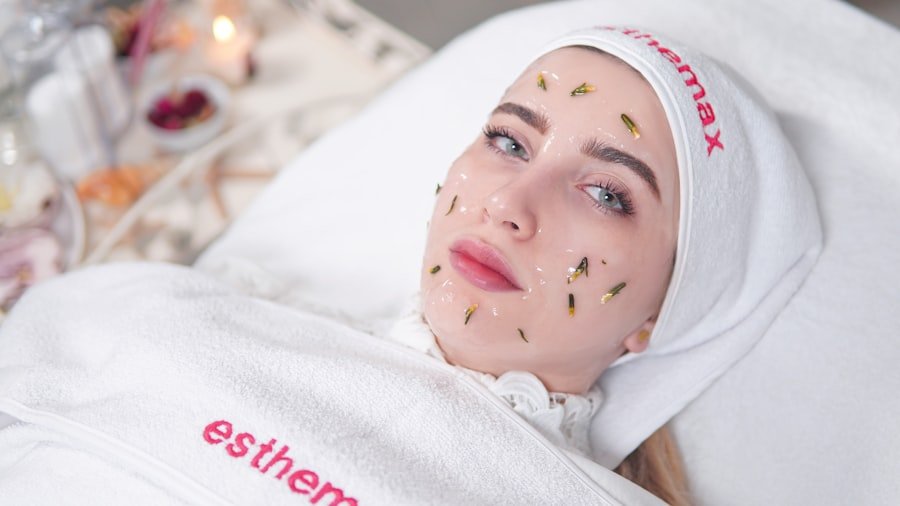
Your daily skincare routine is a direct interaction with your complexion. While the allure of harsh treatments and aggressive scrubbing might seem like a quick fix, paradoxically, these practices often exacerbate acne. The key for you is to adopt a gentle, consistent, and effective approach that supports your skin’s natural barrier function.
4.1. The Gentle Cleansing Ritual: Less is More
Over-stripping your skin of its natural oils can trigger your pores to produce even more oil in an attempt to compensate. This can lead to a vicious cycle of dryness, irritation, and breakouts.
- Your Action Plan: Choose a mild, pH-balanced cleanser that is specifically formulated for acne-prone or sensitive skin. Avoid harsh soaps or cleansers containing alcohol, sulfates, or strong fragrances that can strip your skin. Wash your face twice a day: once in the morning and once in the evening. Use lukewarm water, never hot, and gently massage the cleanser onto your skin. Avoid excessive rubbing or scrubbing.
4.2. Targeted Treatments: Smart Spot Management
When it comes to treating active breakouts, a targeted approach is more effective than a generalized assault on your entire face. You want to address the inflammation and bacteria without irritating the surrounding skin.
- Your Action Plan: Incorporate over-the-counter acne treatments with ingredients like salicylic acid or benzoyl peroxide. Salicylic acid is a beta-hydroxy acid (BHA) that exfoliates inside the pores, helping to unclog them. Benzoyl peroxide kills acne-causing bacteria. Start with lower concentrations and use them sparingly on affected areas to assess your skin’s tolerance. Prescription-strength options are also available from a dermatologist if needed.
4.3. The Importance of Moisturizing: Don’t Fear the Hydration
This might seem counterintuitive if you have oily skin, but even oily skin needs moisture. Skipping moisturizer can lead your skin to produce more oil to compensate for dryness, creating further imbalances.
- Your Action Plan: Select a lightweight, non-comedogenic (won’t clog pores) moisturizer. Look for ingredients like hyaluronic acid, which attracts and retains moisture, or ceramides, which help to strengthen your skin’s barrier. Apply moisturizer after cleansing and applying any targeted treatments.
4.4. Sun Protection: A Non-Negotiable Step
| Lifestyle Changes | Effect on Acne |
|---|---|
| Regularly washing your face | Reduces excess oil and removes dirt |
| Eating a balanced diet | May reduce inflammation and improve skin health |
| Drinking plenty of water | Keeps skin hydrated and helps flush out toxins |
| Getting regular exercise | Improves blood circulation and reduces stress |
| Avoiding touching your face | Prevents the spread of bacteria and reduces breakouts |
Sun exposure can worsen acne inflammation and leave behind dark spots (post-inflammatory hyperpigmentation). Furthermore, some acne treatments can make your skin more sensitive to the sun.
- Your Action Plan: Wear broad-spectrum sunscreen with an SPF of 30 or higher every single day, even on cloudy days. Opt for oil-free or matte-finish sunscreens if you have oily skin. Reapply sunscreen every two hours, especially if you’re outdoors.
5. Habits to Break: The Unseen Culprits
Beyond the things you can actively incorporate into your lifestyle, there are also habits you need to consciously unlearn and discard. These seemingly small actions can have a significant cumulative impact on your skin’s health and propensity for breakouts.
5.1. The Temptation to Pick and Pop: A Recipe for Scarring
You know this one. The urge to pick at blemishes is almost irresistible for many. However, this habit is one of the most detrimental to your skin. Picking not only spreads bacteria and inflammation but also significantly increases the risk of scarring and permanent dark spots.
- Your Action Plan: Recognize the urge to pick as a stress response or a habit, not a solution. When you feel the urge, consciously redirect your attention. Try squeezing a stress ball, doodling, or engaging in a quick breathing exercise. Keep your hands away from your face as much as possible. Consider wearing gloves at night if you’re a compulsive picker in your sleep.
5.2. Dirty Phone Screens and Pillowcases: The Germ Havens
Your smartphone and pillowcase are breeding grounds for bacteria and oil that can transfer directly to your face, leading to clogged pores and breakouts.
- Your Action Plan: Make it a habit to wipe down your phone screen with an antibacterial wipe or alcohol pad daily. Change your pillowcase at least once a week, and more often if you have an active breakout. Consider using silk or satin pillowcases, which are less likely to absorb oils and cause friction.
5.3. Touching Your Face: The Transfer Zone
You touch countless things throughout the day, and then you touch your face. This is a direct pathway for transferring dirt, oil, and bacteria from your hands to your skin, contributing to pore blockages and inflammation.
- Your Action Plan: Become acutely aware of when you’re touching your face. Consciously make an effort to keep your hands away from your skin. If you have an itch, try to address it gently or by washing your hands first.
5.4. Overusing Harsh Products: The Counterproductive Fix
As mentioned earlier, the tendency to “fight” acne with aggressive products can be counterproductive. You might be using too many active ingredients, too high a concentration, or products that are simply too drying for your skin type.
- Your Action Plan: Simplify your routine. Focus on a few effective, gentle products rather than an overwhelming arsenal. If you’re unsure, consult a dermatologist or a reputable skincare professional. Give your skin time to adjust to new products; a drastic overhaul can sometimes do more harm than good. Patience and consistency are your allies.
FAQs
What are some lifestyle changes that can help reduce acne?
Some lifestyle changes that can help reduce acne include maintaining a healthy diet, staying hydrated, practicing good skincare habits, managing stress, and getting enough sleep.
How does diet affect acne?
Certain foods, such as those high in sugar and dairy products, have been linked to an increase in acne. Eating a balanced diet with plenty of fruits, vegetables, and whole grains can help reduce acne.
What skincare habits can help reduce acne?
Using non-comedogenic products, washing your face twice a day, and avoiding excessive scrubbing or picking at the skin can help reduce acne. It’s also important to remove makeup before bed and to use sunscreen daily.
How does stress impact acne?
Stress can trigger hormonal changes in the body, leading to an increase in oil production and inflammation, which can exacerbate acne. Managing stress through techniques such as exercise, meditation, and deep breathing can help reduce acne.
How does sleep affect acne?
Lack of sleep can lead to increased stress and inflammation in the body, which can worsen acne. Getting 7-9 hours of quality sleep each night can help reduce acne and improve overall skin health.