
So, you’re wondering if that yogurt you just scarfed down, or that extra scoop of ice cream, is secretly plotting against your face? As your Listicle Content Architect (LCA), I’m here to peel back the dairy veil and explain the often thorny relationship between dairy products and acne. Forget the internet whispers and the conflicting advice; we’re going deep. This isn’t just about saying “yes” or “no.” It’s about understanding why and how. Get ready for a comprehensive breakdown.
Let’s start with the big question. The short answer is: for many people, yes, there appears to be a connection. But it’s not a universal indictment of all dairy for all people. It’s a nuanced relationship, and understanding the “why” is crucial to managing your skin effectively.
1.1. What is Acne, Anyway? Understanding the Basics
Before we dive into the dairy part, let’s get a solid foundation on what acne is. Acne vulgaris, the most common form, is a skin condition that occurs when hair follicles become plugged with oil and dead skin cells. This can lead to various types of blemishes, from blackheads and whiteheads to papules, pustules, nodules, and cysts.
- Sebum Production: Your skin has sebaceous glands that produce sebum, an oily substance that lubricates your skin and hair. Sometimes, these glands go into overdrive, producing too much sebum.
- Follicle Blockage: Dead skin cells, which are constantly shedding, can mix with excess sebum and clog your hair follicles. This creates comedones, which are the non-inflammatory precursor to many acne lesions.
- Bacterial Overgrowth: The bacteria Propionibacterium acnes (P. acnes) lives on your skin. When follicles are clogged, these bacteria can multiply rapidly in the oxygen-poor environment, triggering inflammation.
- Inflammation: The body’s immune response to this bacterial overgrowth and blockage leads to inflammation, resulting in the red, swollen, and often painful pimples we associate with acne.
1.2. The Research Landscape: What the Science Says
The idea that diet can influence acne has been around for a while, but it’s only in the last couple of decades that scientific research has started to provide more concrete evidence, particularly concerning dairy. Numerous observational studies and a growing number of clinical trials have explored this link, and the findings are consistent enough to warrant attention.
- Observational Studies: These studies look at large groups of people and try to find correlations. Many have found that individuals who consume more dairy products tend to report higher rates of acne. However, correlation doesn’t equal causation, so these studies alone aren’t definitive proof.
- Mechanistic Studies: These studies try to figure out how dairy might be influencing acne. They look at specific components of milk and their effects on the body’s hormones and inflammatory pathways.
- Meta-Analyses and Reviews: To get a broader picture, researchers often combine the results of multiple studies. These reviews have generally concluded that there is a statistically significant association between dairy consumption and acne, particularly in adolescents and young adults.
1.3. It’s Not Just About “Bad” Foods: The Role of Genetics and Hormones
It’s important to remember that dairy isn’t the sole culprit. Your genetic predisposition, hormonal fluctuations (especially during puberty, menstruation, and stress), and other lifestyle factors all play significant roles in whether or not you develop acne.
- Hormonal Sensitivity: Some individuals are simply more sensitive to the hormonal signals that trigger acne. Even if dairy has a hormonal influence, if your body isn’t particularly susceptible, you might not see a dramatic effect.
- Androgen Activity: Hormones like androgens (testosterone being a key one) stimulate sebum production. Dairy consumption might indirectly influence these hormones in some people.
- Personal Physiology: Everyone’s body is unique. What triggers a breakout in one person might have no effect on another. This is why self-experimentation, under guidance, can be so valuable.
2. Unpacking the “Why”: Dairy Components and Their Potential Impact
So, what exactly within milk and its derivatives could be stirring up trouble for your skin? It’s not a single magic ingredient, but rather a confluence of factors that, for some, create a perfect storm for breakouts.
2.1. Hormones and Growth Factors: Mimicking Your Own Internal Signals
Milk, by its very nature, is designed to grow a calf into a cow. Unsurprisingly, it’s packed with hormones and growth factors that facilitate this rapid development. These can have a surprising effect on your own hormonal system.
- Insulin-Like Growth Factor 1 (IGF-1): This is perhaps one of the most studied culprits. Milk contains IGF-1, and consuming dairy can increase your body’s IGF-1 levels. High IGF-1 levels can stimulate the sebaceous glands to produce more sebum.
- Direct Hormone Content: Milk also naturally contains hormones like androgens, estrogen, and progesterone. While the quantities are relatively small compared to what your body produces, for some individuals, this extra hormonal load can push androgen activity into overdrive.
- Stimulation of Androgen Receptors: The hormones present in milk, and the IGF-1 it contains, can also enhance the activity of your body’s own androgen receptors, leading to increased sebum production and follicular plugging.
2.2. The Role of Insulin and Blood Sugar Spikes
Dairy products, particularly those with higher sugar content or those that are rapidly digested, can lead to spikes in your blood sugar and insulin levels. This hormonal response can be a significant trigger for acne.
- Glycemic Load: Foods with a high glycemic load cause a rapid rise in blood glucose. This, in turn, prompts your pancreas to release insulin. While dairy itself isn’t always high glycemic, when combined with sugars or when consumed in certain forms, it can contribute to these spikes.
- Insulin’s Influence on Androgens: Elevated insulin levels can signal the ovaries and adrenal glands to produce more androgens. This is a domino effect that can exacerbate the issues of increased sebum production and inflammation.
- IGF-1 and Insulin Synergy: IGF-1 and insulin often work together. When both are elevated, their combined effect on sebaceous glands and follicular activity can be amplified, leading to more severe acne.
2.3. Inflammation: The Silent Agitator
Many acne lesions are fundamentally an inflammatory process. Certain components in dairy can contribute to systemic inflammation, which can then manifest on your skin.
- Casein and Whey: These are the two main proteins found in milk. For some individuals, these proteins can trigger an inflammatory response. This isn’t an allergy for most, but rather a sensitivity or a low-grade inflammatory reaction.
- Arachidonic Acid: This omega-6 fatty acid is present in dairy fat. While it has essential functions, an imbalance of omega-6 to omega-3 fatty acids can promote inflammation in the body. Some research suggests that dairy consumption might contribute to this imbalance for certain individuals.
- Gut Health Connection: Emerging research is exploring the link between dairy consumption, gut microbiota, and inflammation. An unhealthy gut microbiome can contribute to systemic inflammation, which can then impact skin health.
3. Beyond the Milk Carton: Different Dairy Products, Different Impacts
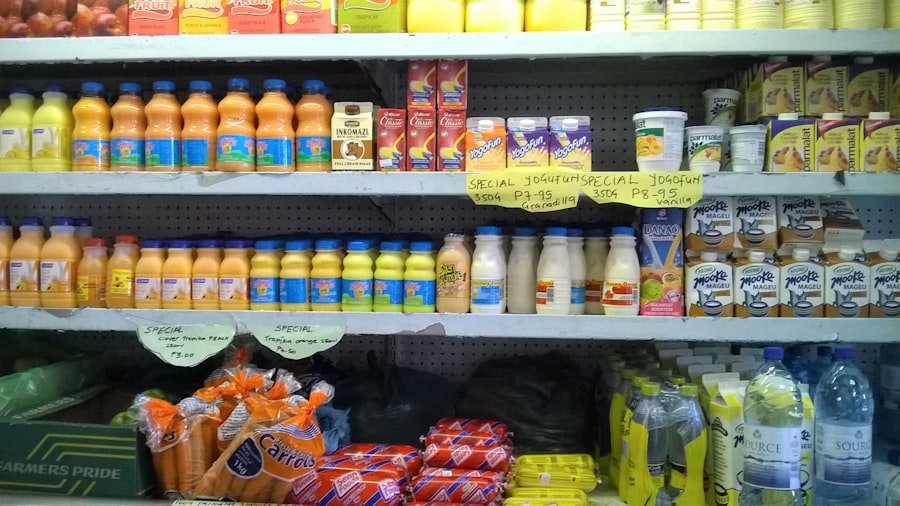
Not all dairy is created equal when it comes to acne. The processing, fat content, and type of dairy product can all influence its potential effect on your skin. This is where things get a little more nuanced, and you might find that one type of dairy is a trigger while another is not.
3.1. Skim Milk vs. Whole Milk: Fat Matters (Sometimes)
The fat content in milk has been a subject of much debate. Some research suggests that fat-free or low-fat milk might be more problematic than whole milk.
- Concentration of Hormones and IGF-1: When milk is skimmed, the fat is removed. This process can sometimes concentrate the hormones and IGF-1 present in the remaining liquid. Therefore, skim milk might contain higher levels of these acne-promoting compounds per serving.
- Fat-Soluble Nutrients: Whole milk contains fat-soluble vitamins and a different fatty acid profile. While the direct impact on acne is still being investigated, some theorize that the presence of fat might alter the way other components are absorbed or processed, potentially mitigating some of the negative effects.
- Individual Variation: It’s crucial to reiterate that this isn’t a hard and fast rule. Some individuals react more strongly to skim milk, while others find whole milk problematic.
3.2. Yogurt and Cheese: Fermentation and Beyond
These fermented dairy products are often considered differently than plain milk. The fermentation process can alter their composition and impact.
- Probiotics in Yogurt: Live and active cultures (probiotics) found in yogurt can be beneficial for gut health. A healthier gut can, in turn, reduce systemic inflammation, potentially leading to clearer skin.
- Lower Lactose Content: The fermentation process in yogurt and cheese breaks down lactose, making them more digestible for individuals with lactose intolerance. This doesn’t directly impact acne, but it’s a related benefit.
- Casein and Whey Still Present: Despite fermentation, yogurt and cheese still contain casein and whey proteins. So, if you have a specific sensitivity to these proteins, even fermented dairy might be an issue.
- Fat and Sugar Content in Flavored Yogurts: Be cautious with flavored yogurts. The added sugars can lead to blood sugar spikes, which, as we’ve discussed, can be a major acne trigger. Plain, unsweetened yogurt is generally a better bet.
- Cheese Processing: The aging process and fat content can vary significantly between different types of cheese. Some aged cheeses might have less impact due to lower lactose and different protein structures, while others, especially those high in saturated fat, could still be problematic.
3.3. Whey Protein Supplements: A Concentrated Concern?
Whey protein, derived from milk, is a popular supplement for athletes and fitness enthusiasts. Its concentrated nature can make it a potent trigger for some individuals.
- High Concentration of IGF-1 and Hormones: Whey protein supplements are essentially a concentrated extract of milk proteins. This means they can deliver a significant dose of IGF-1 and other hormones with each serving.
- Rapid Absorption: Whey protein is rapidly absorbed by the body, leading to swift and potentially dramatic spikes in insulin and IGF-1 levels.
- Potential for Inflammation: For those sensitive to casein and whey, consuming large amounts of whey protein can contribute to inflammation.
- Isolate vs. Concentrate: Whey protein isolate undergoes further processing to remove most of the fat and lactose. While this might make it more tolerable for some with lactose intolerance, it doesn’t necessarily remove the hormonal or IGF-1 components that can trigger acne.
4. Taking the Test: How to Figure Out If Dairy is Your Acne’s Best Friend
Identifying your personal triggers is key to managing acne. While a dermatologist can offer professional guidance, you can also become an active participant in understanding your own body. This requires a systematic approach.
4.1. The Elimination Diet: A Controlled Experiment
The most effective way to determine if dairy is a culprit is through a structured elimination diet. This involves temporarily removing all dairy from your diet and then reintroducing it to observe any changes in your skin.
- Step 1: Complete Elimination: For a period of at least 3-4 weeks (some recommend up to 6-8 weeks for complete resolution of any lingering effects), meticulously eliminate ALL dairy products from your diet. This includes milk, cheese, yogurt, butter, cream, whey protein, and any hidden dairy ingredients in packaged foods. Read labels carefully!
- Step 2: Observe Your Skin: During the elimination phase, pay close attention to your skin. Are your breakouts decreasing? Are existing blemishes healing faster? Is your skin less oily? Keep a daily or weekly skin journal to track your progress.
- Step 3: Reintroduction Challenge: If you notice significant improvement during the elimination phase, you can begin a controlled reintroduction. Start with a small amount of a single dairy product (e.g., a glass of milk, a slice of cheese) and monitor your skin’s reaction for 2-3 days.
- Step 4: Gradual Reintroduction and Monitoring: If you don’t experience a breakout, you can try a slightly larger portion or a different dairy product. Continue this process, introducing one dairy product at a time and observing for at least 2-3 days before introducing another. Keep a detailed record of what you reintroduce and any skin changes.
4.2. Keeping a Detailed Food and Skin Diary
A food and skin diary is your most valuable tool for this process. It’s not just about what you eat, but also about how your skin responds.
- Food Log: Record everything you eat and drink, paying special attention to dairy products. Note the type, quantity, and preparation method.
- Skin Log: Document your acne flares, individual breakouts (location, size, type), oiliness, redness, and any other changes you notice. Also, note the date and time of these observations.
- Cross-Referencing: After a few weeks, you can start to cross-reference your food and skin logs. Look for patterns. Did a pizza night with extra cheese correlate with a new crop of pimples a few days later? Did switching to almond milk coincide with less redness?
4.3. Listen to Your Body: Beyond the Obvious
Sometimes, the signs aren’t as dramatic as a fresh zit. Pay attention to subtle changes too.
- Increased Oiliness: Even if you don’t get full-blown pimples, your skin might become noticeably oilier after consuming dairy.
- Persistent Redness: Dairy can sometimes exacerbate underlying inflammation, leading to more persistent facial redness.
- Digestive Issues: For some, dairy sensitivities manifest as digestive problems like bloating or discomfort, which can be indirectly linked to skin health through inflammation.
5. Navigating a Dairy-Free or Dairy-Reduced Lifestyle
| Study | Findings |
|---|---|
| Harvard Nurses’ Health Study | Found a positive association between milk consumption and acne in teenage girls |
| Journal of the American Academy of Dermatology | Reported that high milk consumption was associated with acne in teenage boys |
| Journal of the European Academy of Dermatology and Venereology | Found a positive association between dairy consumption and acne in young adults |
If you discover that dairy is indeed a trigger for your acne, don’t despair! You have more options now than ever before. Navigating this potentially requires a bit of creativity and label-reading skill, but it’s entirely manageable.
5.1. Delicious Dairy Alternatives: Milk, Yogurt, and Cheese Replacements
The market for dairy-free alternatives has exploded, offering a wide array of delicious and satisfying options that can help you maintain your favorite flavors and textures.
- Plant-Based Milks: Almond milk, soy milk, oat milk, cashew milk, coconut milk, rice milk – the choices are vast. Each has a unique flavor profile and nutritional content, so experiment to find your favorites. Look for unsweetened varieties to avoid unnecessary sugar.
- Dairy-Free Yogurts: Similar to milk, you can find plant-based yogurts made from coconut, almond, soy, oat, and cashew. These can be a great substitute for regular yogurt in smoothies, parfaits, or simply enjoyed on their own.
- Plant-Based Cheeses: While they may not always melt and taste exactly like dairy cheese, the quality of plant-based cheeses has improved dramatically. You can find options that mimic mozzarella, cheddar, cream cheese, and more.
- Butter Substitutes: Many plant-based margarines and spreads are available, often made from oils like olive, canola, or coconut.
5.2. Smart Swaps and Hidden Dairy Detection
The key to a successful dairy-free lifestyle is vigilance and smart planning. Hidden dairy can lurk in surprising places.
- Read Labels Religiously: Dairy ingredients can be listed under a variety of names, including whey, casein, lactose, milk solids, nonfat dry milk, and artificial butter flavor. Get familiar with these terms.
- Beware of Processed Foods: Packaged snacks, baked goods, sauces, dressings, and even some breads can contain hidden dairy. When in doubt, err on the side of caution or look for certified dairy-free products.
- Restaurant Eating: Be upfront with your server about your dietary needs. Ask about ingredients and preparation methods. Many restaurants are becoming more accommodating.
- Focus on Whole Foods: Building your diet around naturally dairy-free whole foods like fruits, vegetables, lean proteins, and healthy fats will make navigating this much easier.
5.3. Nutritional Considerations: Ensuring You Get Enough Calcium and Vitamin D
When you cut out dairy, it’s important to ensure you’re still getting essential nutrients like calcium and vitamin D, which are often fortified in dairy products.
- Calcium Sources: Leafy green vegetables (kale, spinach, broccoli), fortified plant-based milks and juices, tofu, almonds, sesame seeds, and canned fish with bones (sardines, salmon) are all good sources of calcium.
- Vitamin D Sources: Sunlight exposure is the primary way your body produces vitamin D. Dietary sources include fatty fish (salmon, mackerel), fortified cereals and plant milks, and egg yolks. In some cases, a supplement might be recommended by your doctor.
- Consult a Professional: If you have concerns about your nutrient intake, speak with a registered dietitian or nutritionist. They can help you create a balanced and nutrient-dense dairy-free meal plan.
The journey to clearer skin is often a personal one, filled with discoveries about your own unique physiology. By understanding the potential links between dairy and acne, and by approaching this with a systematic and observant mindset, you can empower yourself to make informed choices about your diet and take significant steps towards achieving the clear complexion you desire. So grab your journal, prepare to experiment, and remember, as your LCA, I’m here to guide you through the labyrinth of content and understanding.
FAQs
What are dairy products?
Dairy products are foods or beverages that are made from the milk of mammals, such as cows, goats, and sheep. Common dairy products include milk, cheese, yogurt, and butter.
What is acne?
Acne is a skin condition that occurs when hair follicles become clogged with oil and dead skin cells. This can lead to the formation of pimples, blackheads, and whiteheads on the skin, particularly on the face, neck, chest, and back.
Is there a link between dairy products and acne?
Some studies have suggested that there may be a link between consuming dairy products and the development or worsening of acne. This is thought to be due to the hormones and growth factors present in dairy products, which may stimulate oil production and inflammation in the skin.
Are all dairy products equally likely to cause acne?
Not all dairy products are equally likely to cause acne. High-fat dairy products, such as whole milk and cheese, may be more likely to contribute to acne development compared to low-fat dairy products like skim milk and yogurt.
Should I avoid dairy products if I have acne?
If you have acne, it may be worth considering reducing your consumption of dairy products to see if it has an impact on your skin. However, it’s important to consult with a healthcare professional or dermatologist before making any significant changes to your diet.