
You’ve likely stared into the mirror, a fresh breakout blooming on your chin, and asked yourself a very specific, very frustrating question: “Can chocolate cause acne?” As the Listicle Content Architect, I’m here to tell you that this question, while seemingly simple, delves into a surprisingly complex and often misunderstood area of dermatology and nutrition. You want to know the truth, the unvarnished truth, about your favorite sweet treat and its potential connection to those unwelcome blemishes. You want a clear, well-researched, and decidedly actionable answer. And that’s precisely what I’m going to deliver. Forget the internet myths and the anecdotal “my cousin’s friend ate a Hershey bar and broke out” stories. We’re going to dissect this, layer by delicious (or perhaps not-so-delicious, in this context) layer.
By the end of this listicle, you’ll not only understand the nuanced relationship between chocolate and acne, but you’ll also be equipped with the knowledge to make informed decisions about your diet and skincare. You’ll be empowered to enjoy your treats with confidence or, if necessary, to modify your indulgence without feeling deprived. Let’s dive in.
You’ve heard it, your grandmother has probably told you, and it’s been a whispered warning in the schoolyard for generations: chocolate causes acne. This pervasive belief has been around for so long that it’s almost taken as gospel. But have you ever stopped to wonder why this association took root? It’s not simply a matter of coincidence; there’s a historical narrative woven into this culinary caution. Understanding this historical context is crucial because it sets the stage for much of the modern research and the confusion that often surrounds the topic.
1.1 Early Observations and Anecdotal Evidence
Imagine a time before sophisticated scientific studies. People noticed things. Teenagers, a demographic notoriously prone to acne, also happened to be indulging in sweets. Chocolate, with its rich, decadent appeal, was a popular choice. Naturally, correlation was often mistaken for causation. If a pimple appeared after a chocolate binge, the conclusion was simple and direct: chocolate did it. This early, informal observation, passed down through families and communities, formed the bedrock of the “chocolate equals acne” dogma. Think of it as the earliest form of “evidence,” albeit lacking any rigorous methodology.
1.2 The Myth’s Persistence in Popular Culture
This anecdotal evidence wasn’t confined to hushed conversations. It infiltrated books, movies, and general societal discourse. Chocolate was often portrayed as a guilty pleasure, a source of indulgence that came with a visible consequence. This cultural narrative reinforced the idea, making it a widely accepted truth even without scientific backing. It became a convenient scapegoat for a complex dermatological issue, simplifying a biological process into a straightforward dietary restriction.
1.3 The Secrecy of Scientific Inquiry
While the public narrative solidified, the scientific community was beginning to explore the complexities of acne. Early studies, unfortunately, were often flawed or inconclusive. This left a vacuum that the strong cultural myth readily filled. The lack of definitive scientific refutation allowed the established belief to continue unchallenged in the popular consciousness. It’s a classic case of a widely held belief persisting because the counter-evidence wasn’t yet robust or widely disseminated.
2. Deciphering the Ingredients: What’s Really in Your Chocolate Bar?
When you bite into that bar of chocolate, you’re not just consuming cocoa. The “chocolate” you eat is often a complex concoction of various ingredients, each with its own potential impact on your body, including your skin. This is where the real nuance begins, and understanding these components is key to unraveling the mystery. It’s not just about the cocoa bean; it’s about the entire package.
2.1 The Role of Cocoa Itself
Let’s start with the star of the show: cocoa. The cocoa bean, the source of chocolate, is packed with antioxidants and phytonutrients. In fact, dark chocolate, with its higher cocoa content, is often lauded for its health benefits, including improved blood flow and reduced inflammation. So, on its own, cocoa is generally considered beneficial. The question then becomes: what happens when it’s processed and combined with other ingredients? This is where things get complicated.
2.2 Refined Sugars: A Potential Culprit
This is perhaps the most significant factor to consider. Most commercially available chocolate bars are loaded with refined sugars. You know, the kind that spikes your blood sugar levels. This is a crucial point. When your blood sugar spikes, your body releases insulin. And it’s this insulin response that has been implicated in acne development. High insulin levels can increase the production of androgens, which are hormones that stimulate sebum production. More sebum means more potential for clogged pores and breakouts. So, while you might be focusing on the chocolate, it’s often the sugar in the chocolate that could be the real issue.
2.3 Dairy and Lactose: Another Common Suspect
Many popular chocolate products, especially milk chocolate, contain dairy. For individuals who are sensitive or intolerant to dairy, this can trigger inflammatory responses in the body. Inflammation is a key component of acne. Furthermore, dairy products, particularly milk, have been linked to increased levels of insulin-like growth factor 1 (IGF-1). Similar to insulin, IGF-1 can stimulate sebum production and contribute to acne. If you find your skin flares up after consuming dairy, it’s worth considering if this is playing a role in your chocolate-induced breakouts.
2.4 Fats and Emulsifiers: Less Studied, but Still Relevant
The type of fats used in chocolate production can also vary. While cocoa butter is the natural fat, many processed chocolates use other fats. While these are less frequently identified as direct acne triggers, the overall composition of processed foods can have systemic effects on your body. Emulsifiers are also added to create smooth textures. While generally considered safe, their long-term impact on individual skin conditions is not as extensively studied as sugar or dairy.
3. The Science Unpacked: What Modern Research Tells Us
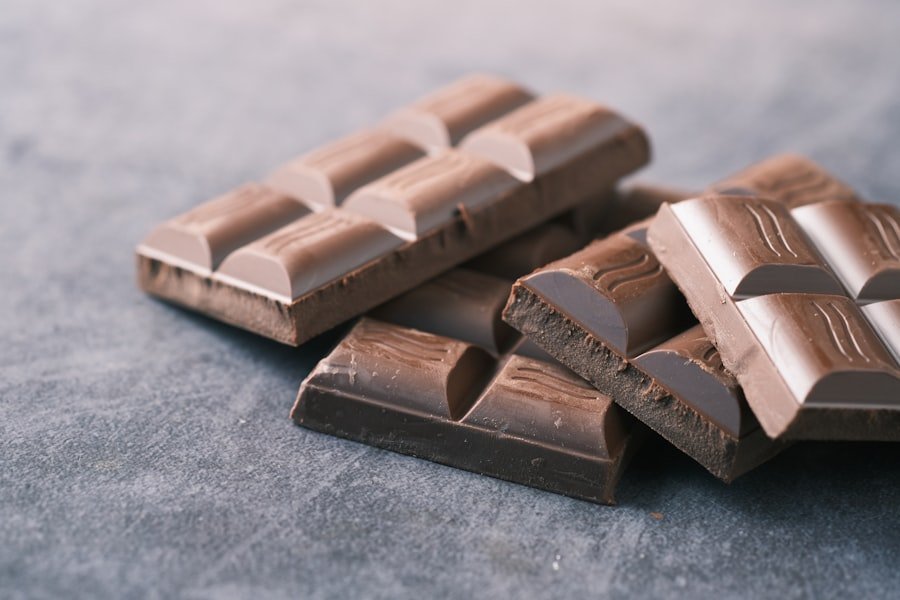
Forget the old wives’ tales; you want hard evidence. Modern scientific research has moved beyond simplistic assumptions and delved into the intricate mechanisms by which diet can influence acne. You’ll be relieved to know that the picture is much clearer now, thanks to dedicated researchers.
3.1 Low Glycemic Index (GI) Diets and Acne
You’ve likely heard of the Glycemic Index. This is a measure of how quickly a food raises your blood sugar levels. Research has consistently shown a correlation between diets high in high-GI foods (those that cause rapid blood sugar spikes) and increased acne severity. Chocolate bars, with their high sugar content, typically fall into this high-GI category. Studies have demonstrated that when individuals with acne reduce their intake of high-GI foods and opt for low-GI alternatives, their breakouts often improve. This highlights the significant role of blood sugar regulation in skin health.
3.2 Dairy Consumption and Hormonal Influence
As mentioned earlier, the connection between dairy and acne is becoming increasingly recognized. Multiple studies suggest that dairy consumption, particularly skim milk, is associated with a higher prevalence and severity of acne. The proposed mechanisms involve the hormonal content of milk and its impact on IGF-1 levels, as well as potential inflammatory pathways. If your acne is sensitive to hormonal fluctuations, dairy could be a significant contributor when present in your chocolate.
3.3 The Cocoa-Specific Studies: A Nuanced Picture
What about the cocoa itself? You might be surprised to learn that some studies have attempted to isolate the effects of pure cocoa. One notable study in particular aimed to test the hypothesis that chocolate itself, independent of its sugar and dairy content, could cause acne. Participants were given either a chocolate bar with a high cocoa content or a placebo. The results were intriguing: they found that a significant portion of participants who consumed the high-cocoa chocolate experienced an increase in acne lesions. This suggests that while sugar and dairy are major players, there might be something else in the cocoa bean or its processing that could, in some individuals, contribute to breakouts.
3.4 Individual Variability: The Key Differentiator
Perhaps the most important takeaway from the scientific literature is the emphasis on individual variability. You are not your neighbor, and your skin is not your best friend’s skin. What triggers one person’s acne might have no effect on another. This explains why some people can eat chocolate with impunity, while others break out even with a small bite. Factors like genetics, hormonal balance, underlying inflammation, and gut health all play a role in how your body responds to dietary stimuli.
4. Beyond the Bar: Understanding Your Personal Triggers
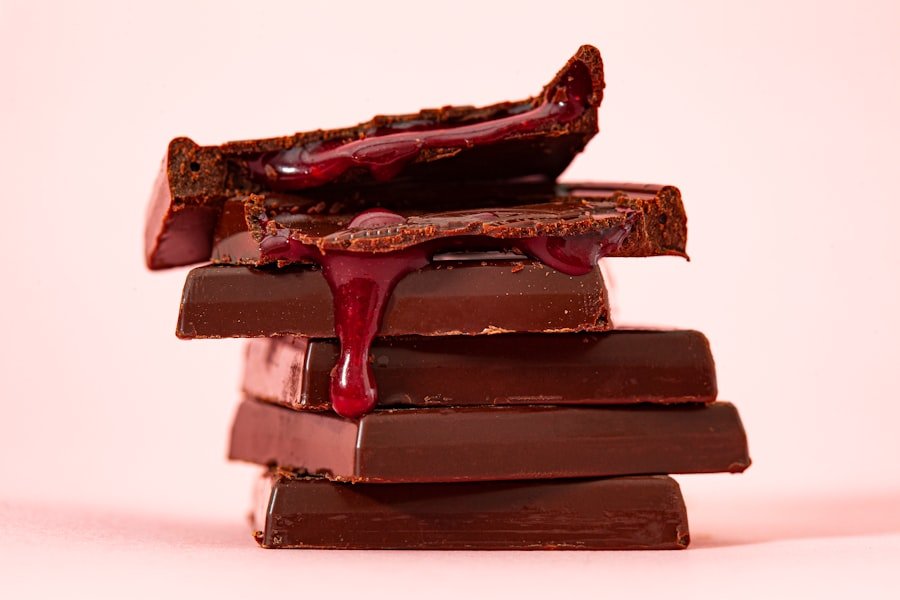
You’ve seen the science, but now you need to apply it to you. The goal isn’t to ban chocolate entirely, but to understand your relationship with it and to identify what specific elements might be causing your breakouts. This is where self-awareness and mindful consumption become your most powerful tools.
4.1 The Sweet Spot: Sugar vs. Cocoa
Consider the type of chocolate you’re consuming. Are you reaching for a milk chocolate bar packed with sugar and dairy, or a dark chocolate with a high cocoa percentage? If you suspect chocolate is contributing to your acne, try experimenting. First, eliminate all chocolate for a period and see if your skin improves. If it does, reintroduce different types of chocolate one at a time. Start with very dark chocolate (80% cocoa or higher) with minimal added sugar. If you have no reaction, then gradually try milk chocolate or chocolate with higher sugar content. This will help you pinpoint whether it’s the sugar overload, the dairy, or potentially something else in the cocoa.
4.2 Dairy Sensitivity Spotlight
If you have a known sensitivity to dairy or suspect you might, then any chocolate containing milk or milk derivatives is likely a prime suspect. Even small amounts can trigger inflammation for some individuals. Opting for dairy-free or vegan chocolates is a great way to test this hypothesis. Many delicious vegan options are now readily available, made with alternatives like oat milk, almond milk, or coconut milk.
4.3 Quantity Matters: Moderation is Key
Even if you find that certain types of chocolate don’t immediately cause a breakout, remember that moderation is almost always a key dietary principle, especially when it comes to processed foods. Consuming large quantities of anything, even otherwise healthy foods, can put a strain on your body and potentially disrupt its balance, indirectly affecting your skin. A small piece of high-quality dark chocolate as an occasional treat is very different from a daily indulgence of multiple candy bars.
4.4 Lifestyle Factors: The Unseen Influences
| Study | Conclusion |
|---|---|
| Harvard Medical School | No direct link between chocolate and acne |
| Journal of the American Medical Association | No significant association between chocolate consumption and acne |
| University of Pennsylvania | No evidence to support chocolate as a cause of acne |
It’s crucial to remember that chocolate is rarely the sole culprit. Your overall diet, stress levels, sleep quality, and skincare routine all contribute to your skin’s health. If you’re eating a balanced diet, managing stress effectively, and following a consistent skincare regimen, you might find that you can tolerate chocolate much better than if these other factors are out of balance. Don’t let chocolate become the only focus of your acne management; it’s a piece of a larger puzzle.
5. The Path Forward: Enjoying Chocolate Guilt-Free (or With Informed Choices)
You’ve journeyed through the history, dissected the ingredients, understood the science, and learned to pinpoint your personal triggers. Now, let’s talk about what you can do. The goal is not deprivation, but informed enjoyment. You want to be able to savor that rich, delicious flavor without the dreaded consequence of a breakout.
5.1 Prioritize High-Cocoa, Low-Sugar Dark Chocolate
This is your golden ticket. When you do indulge, reach for the dark. Look for labels that proudly display a high percentage of cocoa – think 70%, 80%, or even higher. These bars generally have less sugar and a more robust, less processed flavor profile. They are also richer in the antioxidants that can actually be beneficial to your skin. Reading ingredient lists is vital here; sometimes a high-cocoa bar can still have a surprisingly large amount of added sugar.
5.2 Explore Dairy-Free and Vegan Options
As mentioned before, if dairy is a suspect for you, the world of vegan chocolates offers a fantastic alternative. You’ll be amazed at the variety and quality of delicious dairy-free chocolates available. This allows you to enjoy the chocolatey goodness without the potential inflammatory trigger of milk.
5.3 Practice Mindful Consumption and Portion Control
This is about savoring the experience. Instead of mindlessly munching, take time to appreciate the flavor and texture. Break off a small piece, let it melt on your tongue, and truly enjoy it. This mindful approach can help you feel more satisfied with a smaller amount, and it keeps your overall intake in check.
5.4 Listen to Your Body: The Ultimate Dermatologist
Ultimately, your body will tell you what works. Pay attention to your skin. If you notice a consistent pattern of breakouts after eating a particular type or amount of chocolate, it’s your body’s signal. Don’t ignore it. Keep a food diary where you note what you eat and any skin reactions. This can be an incredibly powerful tool for identifying your personal triggers.
5.5 Consult a Dermatologist or Registered Dietitian
If you’re struggling to pinpoint the cause of your acne or are concerned about your diet, don’t hesitate to seek professional help. A dermatologist can diagnose your acne and recommend appropriate treatments. A registered dietitian can help you create a balanced diet that supports clear skin, even allowing for enjoyment of your favorite treats in a healthy way. They can provide personalized advice tailored to your unique needs and sensitivities.
So, can chocolate cause acne? The answer, as you’ve now seen, is not a simple yes or no. It’s a “sometimes,” a “depends,” and a “for some people.” It’s about the sugar, the dairy, the individual’s response, and the specific type of chocolate. By understanding these nuances, you can reclaim your enjoyment of chocolate without fear, making informed choices that lead to healthier, clearer skin. You hold the power to enjoy that treat, not as a source of worry, but as a delicious part of a balanced and mindful lifestyle.
FAQs
1. What is the relationship between chocolate and acne?
There is no direct evidence that chocolate causes acne. However, some studies have suggested that high sugar and fat content in chocolate may contribute to acne development.
2. Are there specific types of chocolate that are more likely to cause acne?
Dark chocolate has a higher cocoa content and lower sugar content compared to milk chocolate, which may make it less likely to cause acne. However, individual reactions to chocolate can vary.
3. Can cutting out chocolate from the diet improve acne?
While some individuals may see improvements in their acne after cutting out chocolate, there is no definitive evidence that eliminating chocolate from the diet will consistently lead to clearer skin.
4. What are some other factors that contribute to acne?
Hormonal changes, genetics, stress, and certain medications can all contribute to the development of acne. Skincare and hygiene practices also play a role in acne prevention.
5. What should I do if I suspect that chocolate is causing my acne?
If you suspect that chocolate is contributing to your acne, consider keeping a food diary to track your diet and skin reactions. Consult with a dermatologist to develop a personalized acne treatment plan.