
- Over-Washing Your Face: The Counterproductive Cleanse
You might think that the more you scrub and cleanse, the faster your acne will disappear. This is a common and frustrating misconception. When you strip your skin of its natural oils too aggressively, you trigger a compensatory response. Your skin, sensing it’s too dry, goes into overdrive producing even more sebum (oil). This excess oil, as you likely know, is one of the primary culprits behind breakouts. It can clog pores, creating a fertile ground for acne-causing bacteria to multiply. So, while cleanliness is important, excess is detrimental.
The “Clean” Skin Trap
You diligently wash your face multiple times a day, perhaps after every minor perceived exposure to dirt or sweat. This can feel like you’re being ultra-vigilant about your acne. However, this constant barrage of cleansing agents, especially harsh ones containing sulfates or alcohol, can disrupt your skin’s delicate pH balance and its natural protective barrier. This barrier, known as the stratum corneum, is crucial for locking in moisture and defending against environmental aggressors. When compromised, your skin becomes not only drier but also more susceptible to inflammation and irritation, which can exacerbate existing acne and even lead to new blemishes.
What’s Your Cleanser Saying?
The type of cleanser you’re using plays a significant role. Many people with acne reach for bar soaps or intensely detoxifying cleansers thinking they’re doing their skin a favor. These products often have a high pH, which is far from your skin’s natural, slightly acidic state (around 4.7-5.75). A high pH can indeed strip sebum, but as mentioned, it leads to a rebound effect. Even gel or foaming cleansers, if they contain harsh surfactants, can be too aggressive. You likely recall that feeling of tight, squeaky-clean skin after washing. While it might feel “clean,” it’s a red flag indicating that your skin’s natural oils have been depleted.
The Optimal Washing Routine
The key here is balance and moderation. For most individuals with acne-prone skin, washing your face twice a day is sufficient: once in the morning and once in the evening. The evening cleanse is arguably the most important, as it removes the day’s accumulation of makeup, dirt, oil, and pollution. When selecting a cleanser, opt for gentle, non-comedogenic formulations. Look for ingredients like ceramides, hyaluronic acid, or glycerin, which support the skin barrier while effectively cleansing. Avoid harsh scrubs or abrasive tools that can create micro-tears in the skin, leading to further inflammation and potentially spreading bacteria.
Rethinking Your Rinse Technique
Even the way you rinse matters. Hot water can strip your skin of its natural oils more effectively than lukewarm or cool water. While a steaming shower might feel good, using very hot water on your face can contribute to dryness and irritation. You should gently pat your face dry with a clean towel, rather than rubbing vigorously. Rubbing can irritate active breakouts and further compromise the skin barrier. A clean towel is also paramount; a dirty towel can reintroduce bacteria to your freshly cleansed skin.
- Picking and Popping: The Urgent Urge
This is perhaps the most instinctual and, unfortunately, one of the most damaging acne-related habits you can fall into. The urge to physically extract a pimple, especially a painful or visually prominent one, is incredibly strong for many. You have the power to resist this urge, and doing so is crucial for your skin’s health and long-term appearance. Ignoring this one habit can prevent a cascade of further problems.
The Seduction of the Squeeze
You see a red, inflamed bump, and your mind immediately goes to the quickest solution: get rid of it. You might think that by manually removing the pus and debris, you’re solving the problem instantaneously. This immediate gratification, however, is a dangerous illusion. When you pick at a pimple, you’re introducing bacteria from your fingertips, which are laden with microorganisms, directly into an open wound. This can introduce new infections, leading to more severe inflammation and potentially spreading the acne to surrounding areas.
The Scarring Scenario
One of the most significant long-term consequences of picking and popping is scarring. When you aggressively squeeze or pick at a lesion, you damage the underlying tissue, including the dermis. This damage can lead to the formation of permanent indentations (atrophic scars), raised scars (hypertrophic or keloid scars), or post-inflammatory hyperpigmentation (PIH) – dark spots that linger long after the acne has healed. These scars can be far more persistent and difficult to treat than the original breakouts themselves. You might be trading a temporary pimple for a lasting reminder on your skin.
The Inflammation Escalation
Picking inherently causes trauma to the skin. This trauma triggers an inflammatory response. Instead of your body healing the blemish efficiently, it’s now fighting the damage you’ve inflicted. This can prolong the healing process, making the pimple redder, more swollen, and more painful. It can also lead to a cycle where inflammation causes more breakouts, which in turn tempt you to pick, perpetuating the vicious cycle of acne and damage.
The Temptation Taming Tactics
Resisting the urge to pick is a mental battle as much as a physical one. The first step is awareness. Be conscious of when you’re touching your face and the impulse to pick. Keep your hands busy with other activities, or try wearing gloves if the urge is particularly strong when you’re at home. Instead of picking, opt for healthier coping mechanisms. Deep breathing exercises, mindfulness, or even engaging in a distracting activity can help. For particularly stubborn or painful lesions, consider using acne patches. These hydrocolloid patches create a protective barrier over the blemish, absorb excess fluid, and can discourage picking by physically covering the spot. They also create a moist healing environment, which can be more conducive to faster healing than open air.
Seeking Professional Intervention
If you find yourself consistently struggling to stop picking, don’t hesitate to seek professional help. A dermatologist can offer prescribed topical treatments or even oral medications that can help reduce the severity and frequency of breakouts, thereby reducing the temptation to pick. They can also provide guidance on managing the emotional and psychological aspects of acne and skin picking. Sometimes, a gentle reminder from a professional that professional treatments are far more effective and less damaging than self-manipulation can be enough to shift your perspective.
- Harsh Treatments and Ingredients: The Overkill Approach
You’re seeking a powerful solution, and your instinct might be to reach for the strongest products available. This often leads to using treatments with high concentrations of active ingredients or harsh chemicals in an attempt to rapidly eliminate acne. However, much like over-washing, this aggressive approach can wreak havoc on your skin, leading to irritation, dryness, and even making your acne worse.
Vitamin A Overload: Retinoid Rage
Retinoids (like retinol, tretinoin, adapalene) are incredibly effective acne-fighting ingredients. They work by increasing cell turnover, preventing clogged pores, and reducing inflammation. However, when you use too high a concentration, too frequently, or combine them with other strong exfoliants, you can experience what’s known as “retinization.” This involves significant peeling, redness, dryness, and increased sensitivity. Your skin might feel like it’s burning or stinging. You might initially think this is a sign the product is working, but it’s usually a sign of overdoing it.
Benzoyl Peroxide Burn: The Bleaching Blunder
Benzoyl peroxide is another potent weapon against acne bacteria. It effectively kills P. acnes bacteria and helps to unclog pores. However, in high concentrations (e.g., 10% or higher), it can be extremely drying and irritating. It can cause redness, peeling, and a burning sensation. Furthermore, benzoyl peroxide can bleach fabrics, including towels, pillowcases, and clothing. You might find yourself in a cycle of treating acne but also dealing with the side effects of extreme dryness and irritation, making your skin look and feel miserable.
Exfoliation Excess: Scrubbing Away Your Shield
While exfoliation is vital for removing dead skin cells that can clog pores, overdoing it is a common mistake. This includes using physical scrubs with harsh beads or granules too often, or using chemical exfoliants (like AHAs and BHAs) daily without allowing your skin to recover. Over-exfoliation strips away the natural protective barrier of your skin, making it more vulnerable to environmental damage, dehydration, and infection. You might experience increased redness, sensitivity, and even a dull complexion, which is the opposite of what you want.
The Astringent Abyss: Dehydration Danger
Astringents, particularly those containing high levels of alcohol, are designed to remove excess oil and tighten pores. While a light touch can be beneficial for oily skin, many people use them liberally. Alcohol-based astringents are extremely drying and can strip your skin of its natural moisture. This leads to dehydration, which paradoxically can cause your skin to produce more oil to compensate, contributing to clogged pores and breakouts. The tight, “squeaky clean” feeling they leave behind is often a sign of severe dehydration.
The Gentle and Gradual Game
The key to using potent acne treatments is gentleness and gradual introduction. Start with lower concentrations of active ingredients and use them only a few times a week. As your skin builds tolerance, you can gradually increase the frequency or strength. Always patch-test new products, especially those with active ingredients, on a small, inconspicuous area of your skin before applying them to your entire face. If you experience significant redness, dryness, or irritation, scale back or take a break from the product. Consider alternating harsh treatments with hydrating and soothing ingredients to allow your skin to recover. Prioritizing skin barrier health is paramount.
- Skipping the Moisturizer: The Thirsty Skin Fallacy
This is a paradox that often trips people up. You have oily, acne-prone skin, so you instinctively avoid moisturizer, believing it will only make your skin greasier and contribute to breakouts. This is a significant mistake. Your skin needs hydration, regardless of its oiliness. When you deprive your skin of moisture, you trigger the very problem you’re trying to avoid.
The Oil Production Rebound
As mentioned previously, when your skin is dehydrated, its natural response is to produce more oil. This is its way of trying to rehydrate itself. By skipping moisturizer, you are essentially sending your sebaceous glands into overdrive, leading to an overproduction of sebum. This excess oil then mixes with dead skin cells and debris, clogging your pores and exacerbating your acne. You are, quite literally, making your oily skin problem worse.
The Irritation Amplification
Many acne treatments, including retinoids, benzoyl peroxide, and salicylic acid, can be drying and irritating. If you’re using these potent ingredients and not replenishing your skin’s moisture, you’re likely increasing the irritation and inflammation. This dryness and sensitivity can make your skin more prone to redness, flaking, and discomfort. A compromised skin barrier, due to both the treatments and the lack of moisture, is less effective at protecting itself, leading to further sensitivities and potentially more breakouts.
The Ingredient Illusion
The fear of “clogging pores” often associated with moisturizers is valid, but it’s not a universal truth for all moisturizers. The term “non-comedogenic” is one you should become very familiar with. This means the product has been formulated and tested to not clog pores. Many modern moisturizers are specifically designed for acne-prone skin and are formulated with lightweight, non-greasy ingredients that provide essential hydration without contributing to breakouts.
The Balancing Act of Hydration
The goal isn’t to make your skin greasy; it’s to provide it with the necessary hydration to maintain a healthy skin barrier. Think of it as balancing the oil and water content of your skin. For acne-prone skin, opt for lightweight, oil-free, non-comedogenic moisturizers. Gel-based or water-based formulas are often excellent choices. Look for ingredients like hyaluronic acid (which draws moisture into the skin without adding oil), glycerin, ceramides, and niacinamide (which can help regulate oil production and reduce inflammation). Applying moisturizer immediately after cleansing, while your skin is still slightly damp, can help it absorb better and lock in moisture more effectively.
Reconsidering Your Routine
It might feel counterintuitive, but incorporating a suitable moisturizer can actually lead to less oiliness and fewer breakouts in the long run. Your skin becomes more balanced, less prone to the reactive oil production, and better equipped to handle the drying effects of acne treatments. You’re not adding to the problem; you’re creating an environment where your skin can heal and function optimally.
- Ignoring the Sun: The UV Acne Aggravator
You might think that a tan will “cover up” your acne, or that sunny days are a natural way to dry out blemishes. This is a dangerous and counterproductive approach. While some people experience temporary improvement due to the sun’s anti-inflammatory effects, the long-term consequences of unprotected sun exposure can significantly worsen your acne and lead to other skin damage.
The Post-Inflammatory Hyperpigmentation (PIH) Problem
One of the most common and frustrating consequences of sun exposure on acne-prone skin is the exacerbation of post-inflammatory hyperpigmentation (PIH). When you have an active breakout or an acne lesion, the underlying skin is already inflamed. Exposing this inflamed skin to the sun can directly trigger the production of melanin (the pigment that gives skin its color). This results in dark spots that are even more noticeable and persistent than the original acne itself. These patches can linger for months or even years.
The Inflammation Escalation Cycle
While the sun can have a temporary anti-inflammatory effect, prolonged or intense sun exposure actually triggers inflammation in the skin. Your skin cells react to the UV radiation, leading to redness, discomfort, and a compromised skin barrier. This increased inflammation can worsen existing breakouts and make your skin more susceptible to developing new ones. You might notice a “sunburn pimple” appear after a long day out.
The Scarring and Texture Threat
UV radiation damages the collagen and elastin in your skin, which are essential for maintaining skin elasticity and smooth texture. Over time, this damage can lead to premature aging, including wrinkles and a rougher, uneven skin texture. For individuals prone to acne scarring, further damage to the skin’s structural integrity can make existing scars more prominent and hinder the natural healing process of any new blemishes that do arise.
The Medication Interaction Danger
Many common acne medications, including retinoids (even prescription strengths like tretinoin and isotretinoin), benzoyl peroxide, and salicylic acid, make your skin significantly more sensitive to the sun. This increased photosensitivity means you can burn much more easily and severely, even with short periods of sun exposure. Failing to protect your skin in these instances can lead to painful sunburns, blistering, and further skin damage, which can then lead to PIH and scarring.
The Daily SPF Defense
The single most important step you can take to protect your skin from the sun’s damaging effects is to apply sunscreen every single day, regardless of the weather or whether you plan to be outdoors for an extended period. You should be using a broad-spectrum sunscreen with an SPF of 30 or higher. “Broad-spectrum” means it protects against both UVA (aging) and UVB (burning) rays, both of which can damage your skin.
Smart Sun-Conscious Habits
Beyond sunscreen, adopt other sun-safe practices. Seek shade during peak sun hours (typically between 10 am and 4 pm). Wear wide-brimmed hats and sunglasses to protect your face and eyes. Look for sunscreens that are specifically formulated for acne-prone or sensitive skin. Many are oil-free, non-comedogenic, and contain physical blockers like zinc oxide and titanium dioxide, which are generally well-tolerated and less likely to cause pore clogging. You’re not just protecting against sunburn; you’re actively preventing PIH, inflammation, and further scarring, ensuring your acne treatments can work more effectively.
FAQs
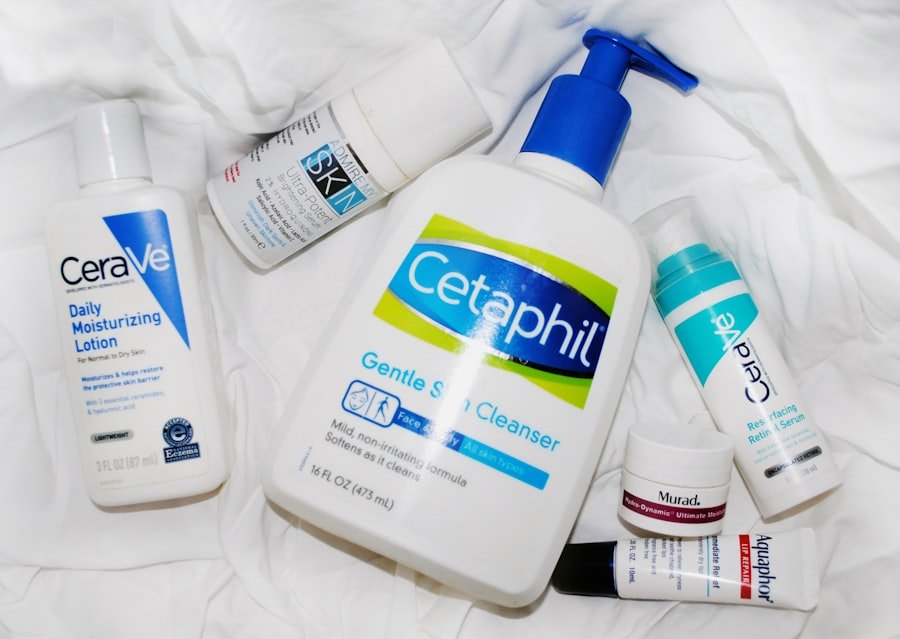
What are some common acne skin care mistakes?
Some common acne skin care mistakes include over-washing the skin, using harsh or abrasive products, picking or popping pimples, not moisturizing properly, and using the wrong products for your skin type.
How does over-washing the skin contribute to acne?
Over-washing the skin can strip away natural oils, leading to dryness and irritation. This can actually trigger the skin to produce more oil, leading to clogged pores and acne breakouts.
Why is picking or popping pimples a mistake?
Picking or popping pimples can lead to inflammation, scarring, and the spread of bacteria, making the acne worse. It can also cause the pimple to take longer to heal.
What are some gentle acne skin care products to use?
Gentle acne skin care products include non-comedogenic cleansers, moisturizers with ingredients like hyaluronic acid or ceramides, and acne treatments containing ingredients like benzoyl peroxide or salicylic acid.
How can I prevent acne skin care mistakes?
To prevent acne skin care mistakes, it’s important to use gentle products, avoid over-washing the skin, moisturize properly, and seek advice from a dermatologist if you’re unsure about which products to use.