
Here you are, staring at your complexion, and it’s singing the blues. Those persistent pimples, those unwelcome visitors, seem to have taken up permanent residence. You’ve tried everything, or so you think. But what if the very habits you believe are helping your skin are actually fueling the fire? As your Listicle Content Architect, I’m here to illuminate the common pitfalls that might be contributing to your acne woes. Prepare to uncover the secrets to a clearer complexion by ditching these detrimental practices.
You’ve heard it a million times: cleansing is crucial for clear skin. And it is! But like many good things, too much of it, or the wrong kind of it, can do more harm than good. Your skin is a delicate ecosystem, and when you disrupt its natural balance too aggressively, it rebels.
a. Washing Your Face Too Frequently: The Illusion of Cleanliness
It’s natural to reach for your cleanser after every perceived exposure to dirt or oil. Maybe you wash your face right after waking up, again after your morning commute, a third time after lunch, after your workout, and then before bed. This might feel like you’re doing your skin a favor, but in reality, you’re likely stripping it of its natural oils.
- Why it’s a mistake: Your skin produces sebum, a natural oil that helps to moisturize and protect it. When you strip away all of this sebum with excessive washing, your skin goes into overdrive to compensate. It starts producing even more oil, ironically leading to a greasy complexion and clogged pores – the perfect breeding ground for acne. This can also lead to a compromised skin barrier, making your skin more susceptible to irritation and inflammation.
- How to fix it: Stick to a twice-a-day cleansing routine: once in the morning and once in the evening. Your morning cleanse can even be a splash of lukewarm water if your skin is not particularly oily, followed by your skincare routine. The evening cleanse is non-negotiable, especially if you’ve worn makeup or been out in the elements.
b. Using Harsh Cleansers: The Chemical Assault
You might think a squeaky-clean feeling is the ultimate goal, achieved by those foaming cleansers with strong chemical ingredients. These lathers might feel satisfying, but they are often loaded with sulfates, alcohol, and artificial fragrances that are incredibly drying and irritating.
- Why it’s a mistake: These harsh ingredients can strip your skin’s natural oils and disrupt its pH balance. A compromised pH makes it harder for your skin to defend itself against bacteria and can lead to increased inflammation, redness, and, you guessed it, more acne. You might experience tightness and flakiness, but underneath, your skin is likely struggling and overproducing oil to cope.
- How to fix it: Opt for gentle, low-pH cleansers. Look for formulas that are sulfate-free, alcohol-free, and fragrance-free. Ingredients like glycerin, hyaluronic acid, and ceramides can help to retain moisture while effectively cleansing. Cream or gel-based cleansers are often a better choice for acne-prone skin than harsh foaming ones.
c. Scrubbing Too Vigorously: The Physical Trauma
Your imagination might conjure up images of vigorously scrubbing your face with a washcloth or a harsh exfoliating brush, believing you’re sloughing off all the impurities. However, this abrasive action is essentially giving your skin a beating.
- Why it’s a mistake: Physical scrubbing can create microscopic tears in your skin, leading to inflammation and irritation. This can worsen existing acne and even spread bacteria, causing new breakouts. It can also damage your skin barrier, making it more sensitive and reactive. Ironically, this aggressive approach can make your skin feel rougher due to inflammation and redness, rather than smoother.
- How to fix it: Be gentle with your skin. When cleansing, use lukewarm water and your fingertips to gently massage the cleanser in. If you use a washcloth, opt for a soft, terrycloth material and use light pressure. For exfoliation, choose chemical exfoliants (like AHAs or BHAs) at appropriate strengths and frequencies, or if you prefer physical exfoliation, use a very fine-grained scrub and apply minimal pressure, only a few times a week at most.
2. The Faux Pas of Picking and Popping: Your Fingers as the Enemy
This is a big one. The urge to pick at a zit, to squeeze out that whitehead, is almost irresistible for many. You might tell yourself you’re just “helping it along” or “getting rid of it faster.” But trust me, your fingers are not the skincare tools you think they are.
a. Spreading Bacteria: The Contagion of Clogs
When you pick at a pimple, you’re essentially creating an open wound on your skin. Your fingers, even if you think they’re clean, are teeming with bacteria. By touching your face and picking at blemishes, you’re transferring these bacteria directly into the open pore.
- Why it’s a mistake: This bacterial transfer can lead to further infection, inflammation, and a larger, more persistent breakout. What might have been a small, localized pimple can quickly escalate into a cluster of inflamed papules and pustules. You’re essentially creating a domino effect of acne.
- How to fix it: Resist the urge. This is easier said than done, I know. Keep your hands away from your face as much as possible. If you’re prone to touching your face, consider wearing gloves or finding fidget toys to keep your hands occupied.
b. Scarring and Hyperpigmentation: The Lasting Reminders
Beyond the immediate spread of bacteria, picking at pimples significantly increases your risk of developing acne scars and post-inflammatory hyperpigmentation (PIH). These are the dark marks and indentations that can linger long after the acne itself has cleared.
- Why it’s a mistake: When you forcefully squeeze a pimple, you can damage the surrounding tissues, including the collagen and elastin fibers that keep your skin firm and smooth. This damage can lead to atrophic scars (indented scars) or hypertrophic scars (raised scars). PIH occurs when the inflammation from the pimple triggers an overproduction of melanin, leading to dark spots.
- How to fix it: The best way to prevent scarring is to avoid picking altogether. If a spot is particularly bothersome, consider using a pimple patch or a spot treatment. Once acne has cleared, if you are left with scarring or PIH, there are treatments available, such as chemical peels, microneedling, and topical retinoids, but prevention through good habits is far more effective.
c. Inflammation Escalation: Turning a Molehill into a Mountain
Picking at a pimple introduces trauma to the area. This trauma triggers an inflammatory response from your body, which can make the pimple larger, redder, and more painful.
- Why it’s a mistake: Instead of resolving the breakout, you’re exacerbating the inflammation. This can lead to deeper, cystic acne, which is much harder to treat and more prone to scarring. You might think you’re speeding up the process, but you’re actually prolonging the battle.
- How to fix it: When you feel the urge to pick, try distracting yourself. Go for a walk, listen to music, or engage in a hobby. If you have a particularly painful or infected lesion, it’s best to consult a dermatologist who can safely and effectively treat it.
3. The Sin of Skipping Sun Protection: Exposing Your Vulnerable Skin
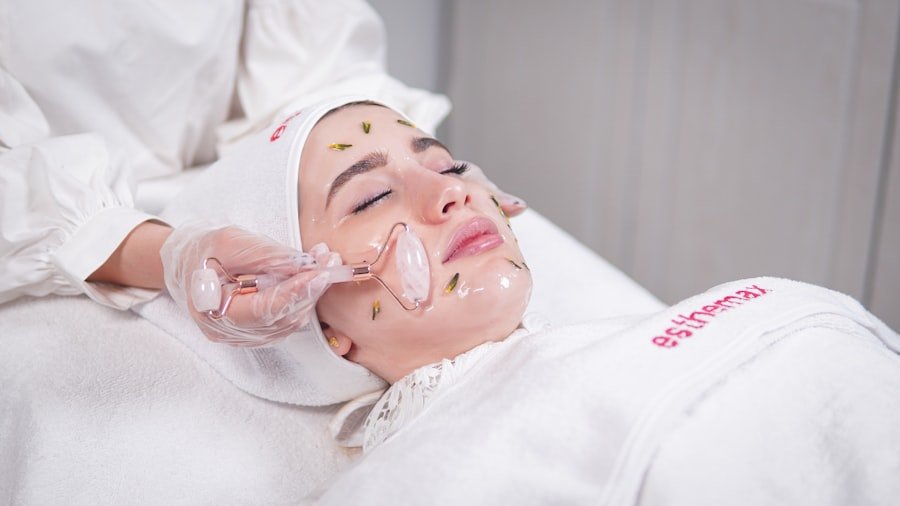
Sunscreen is often viewed as a luxury or something to only use on beach days. However, your skin, especially when dealing with acne, needs constant protection from the sun’s damaging UV rays.
a. Increased Inflammation: The Sun as an Agitator
UV radiation is a known inflammatory agent. When your skin is already inflamed due to acne, exposing it to the sun can significantly worsen this inflammation, making breakouts more red, swollen, and painful.
- Why it’s a mistake: The sun’s rays can penetrate the skin and trigger the release of inflammatory cytokines. This can aggravate existing acne lesions and even trigger new ones. It can also make your skin feel more sensitive and uncomfortable.
- How to fix it: Make sunscreen a daily habit. Use a broad-spectrum sunscreen with an SPF of 30 or higher, even on cloudy days. Look for oil-free and non-comedogenic formulas that are specifically designed for acne-prone or sensitive skin.
b. Post-Inflammatory Hyperpigmentation (PIH): Darkening the Marks
As mentioned earlier, PIH is a common concern with acne. Sun exposure is a major catalyst for PIH. When acne lesions heal, the skin can become more sensitive to UV radiation, and unprotected exposure can lead to the darkening of these marks.
- Why it’s a mistake: Sun exposure can turn temporary post-acne marks into stubborn, long-lasting dark spots. What might have faded on its own can become much harder to treat when consistently exposed to the sun. You could be undoing the progress you’ve made in fading acne marks.
- How to fix it: Consistent use of sunscreen is your best defense against PIH. It helps to prevent the marks from forming or darkening in the first place. If you already have PIH, sunscreen will be crucial to prevent further darkening while you work on fading the existing marks with other treatments.
c. Compromising Acne Treatments: The Sun’s Interference
Many effective acne treatments, such as retinoids (like tretinoin and adapalene) and certain chemical exfoliants, make your skin more sensitive to the sun. If you’re using these treatments and not protecting your skin, you’re setting yourself up for trouble.
- Why it’s a mistake: Using photosensitizing acne treatments without adequate sun protection can lead to severe sunburn, increased inflammation, and even blistering. This can force you to stop your treatment prematurely, setting back your progress. It can also lead to uneven skin tone and texture.
- How to fix it: Always apply sunscreen diligently when using photosensitizing acne treatments. Reapply throughout the day, especially if you’ll be outdoors. Consider wearing hats and seeking shade to further protect your skin. Always follow the instructions provided by your dermatologist regarding sun exposure while on prescription acne medications.
4. The Overlooked Neglect of Your Pillowcase and Phone: Unseen Culprits

You might be meticulous about your facial cleansing and skincare routine, but what about the things your face touches regularly throughout the day and night? These often-overlooked items can harbor a surprising amount of bacteria and grime.
a. Dirty Pillowcases: The Nightly Re-contamination
Your pillowcase is in direct contact with your face for hours every night. Over time, it accumulates oil, sweat, dead skin cells, hair products, and even bacteria from your hair and the environment.
- Why it’s a mistake: Sleeping on a dirty pillowcase means you’re essentially re-introducing all of that accumulated gunk back onto your clean skin every single night. This can clog pores, irritate your skin, and lead to breakouts, particularly along your jawline and cheeks.
- How to fix it: Aim to change your pillowcase at least twice a week. If you’re prone to acne, consider using silk or satin pillowcases, as they are less absorbent and can reduce friction on your skin compared to cotton.
b. Grimy Cell Phones: The Handheld Germ Factories
Your smartphone is one of the most frequently touched objects in your life, and it travels everywhere with you. It’s a breeding ground for germs, including bacteria from your hands and the environment.
- Why it’s a mistake: When you hold your phone to your ear or cheek to talk, you’re transferring all those germs directly onto your skin. This can lead to acne breakouts, often referred to as “phone acne,” along the side of your face where you hold your phone.
- How to fix it: Make it a habit to regularly clean your phone screen with an antibacterial wipe or a microfiber cloth with a cleaning solution. You can also use a UV sanitizer for your phone. Consider using headphones or a speakerphone during calls to minimize direct contact between your phone and your skin.
c. Transfer of Products and Irritants: The Unintended Exposure
Beyond just germs, pillowcases and phones can also transfer residue from other products. Hair sprays, styling products, and even makeup residue can linger on your pillowcase. Your phone screen can pick up oils and lotions from your hands.
- Why it’s a mistake: These residues can clog pores, irritate your skin, and trigger inflammation, especially if you have sensitive or acne-prone skin. You might not be aware of the culprits, but they can be actively contributing to your breakouts.
- How to fix it: Ensure any hair products are completely dry before resting your head on your pillow. If you use makeup, be diligent about removing it before bed. Regularly wiping down your phone is also key to removing these transferrable irritants.
5. The Misconception of “Less is More” with Moisturizer: Hydration is Key
| Mistake | Impact on Acne |
|---|---|
| Over-washing the face | Strips the skin of natural oils, leading to increased oil production and potential breakouts |
| Using harsh exfoliants | Can cause irritation and inflammation, worsening acne |
| Not moisturizing | Leads to dryness, which can trigger excess oil production and clogged pores |
| Using comedogenic products | Can clog pores and contribute to acne formation |
| Skipping sunscreen | Exposure to UV rays can worsen acne and cause post-inflammatory hyperpigmentation |
Many people with oily or acne-prone skin mistakenly believe that skipping moisturizer will help reduce oiliness and prevent breakouts. This is a common and counterproductive misconception.
a. The Dehydration-Oil Cycle: Stripping Leads to Overcompensation
When you don’t moisturize, you’re stripping your skin of essential hydration. Your skin’s natural response to dehydration is to produce more oil to compensate for the lack of moisture. This creates a vicious cycle of oiliness and potential breakouts.
- Why it’s a mistake: Your skin needs a balanced level of hydration to function properly. When it’s dehydrated, it ramps up sebum production to try and moisturize itself. This excess oil can then clog pores and lead to acne. You might feel less oily in the short term, but you’re likely exacerbating the problem in the long run.
- How to fix it: Choose a lightweight, oil-free moisturizer specifically formulated for acne-prone or oily skin. Look for ingredients like hyaluronic acid, glycerin, or ceramides, which provide hydration without clogging pores. Gel-based or water-based moisturizers are excellent choices.
b. Impaired Skin Barrier Function: Increased Vulnerability
Your skin barrier is your outermost layer of defense, protecting your skin from environmental stressors and preventing moisture loss. Proper hydration is crucial for maintaining a healthy skin barrier.
- Why it’s a mistake: A compromised skin barrier is more vulnerable to irritation, inflammation, and bacterial infections. When your skin is dehydrated and its barrier is weakened, it’s less equipped to fight off acne-causing bacteria and can become more susceptible to redness and sensitivity.
- How to fix it: A good moisturizer helps to reinforce and repair your skin barrier. By keeping your skin hydrated, you empower it to defend itself more effectively against external aggressors and maintain overall skin health. This will ultimately lead to a more resilient and less acne-prone complexion.
c. Exacerbating the Effects of Acne Treatments: Drying Ingredients Need Balancing
Many effective acne treatments, such as benzoyl peroxide, salicylic acid, and retinoids, can be drying. If you’re not compensating for this dryness with a suitable moisturizer, you can experience increased redness, peeling, and irritation.
- Why it’s a mistake: While these treatments are designed to help clear acne, their drying side effects can make your skin feel uncomfortable and look worse if not managed. This discomfort can lead to non-compliance with your treatment plan, hindering your progress. Excessive dryness can also trigger your skin to produce even more oil.
- How to fix it: Use your acne treatments as directed by a dermatologist. Follow up with a gentle, non-comedogenic moisturizer to combat dryness and soothe your skin. Applying moisturizer after your acne treatment can help to buffer its effects and improve tolerability, ensuring you can stick with your treatment for optimal results.
By understanding these common skincare mistakes and making conscious adjustments to your routine, you are well on your way to achieving the clear, healthy complexion you desire. Remember, consistency and gentle care are your greatest allies in the fight against acne. Your skin will thank you for it.
FAQs
What are some common skin care mistakes that can cause acne?
Some common skin care mistakes that can cause acne include using harsh or abrasive products, over-exfoliating, not properly removing makeup, and using expired products.
How does using harsh or abrasive products contribute to acne?
Using harsh or abrasive products can strip the skin of its natural oils, leading to an overproduction of oil to compensate. This can clog pores and contribute to acne breakouts.
Why is over-exfoliating a mistake that can cause acne?
Over-exfoliating can irritate the skin and disrupt its natural barrier, leading to inflammation and increased risk of acne. It can also strip the skin of its protective oils, making it more prone to breakouts.
What role does not properly removing makeup play in causing acne?
Leaving makeup on overnight can clog pores and lead to acne breakouts. It can also trap bacteria and dirt against the skin, contributing to inflammation and blemishes.
How can using expired products contribute to acne?
Using expired products can lead to bacterial growth and contamination, which can cause skin irritation and acne breakouts. It’s important to regularly check the expiration dates of skincare products and replace them as needed.