
You know the feeling. That hopeful scroll through glowing reviews and promises of clear skin, only to end up with breakouts that feel even worse than before. As your trusted Listicle Content Architect, I’m here to help you navigate the minefield of products that, despite good intentions, can actually sabotage your acne-prone skin. It’s time to arm yourself with knowledge and steer clear of these common culprits.
You’ve heard it endlessly: hydration is key for healthy skin, and that’s absolutely true. But when you have acne-prone skin, the type of hydration you choose is paramount. Many people with acne mistakenly believe their skin is inherently dry and reaches for thick, rich moisturizers that feel luxurious but can ultimately suffocate their pores.
a. Heavy Creams and Ointments: The Pore Blockers
Think thick, emollient creams that leave a noticeable layer on your skin. These are often packed with ingredients like petrolatum, mineral oil, shea butter, and silicones that are highly occlusive. While they excel at preventing water loss, they can also trap sebum, dead skin cells, and bacteria within your pores, creating the perfect breeding ground for acne.
i. The Ingredient Trap: Decoding “Emollient”
Many “emollient” ingredients are excellent for dry, non-acne-prone skin. However, for you, they can be your downfall. Watch out for:
- Petrolatum and Mineral Oil: While their comedogenicity is often debated, for some acne-prone individuals, they are definite no-nos. They create a very impermeable barrier, and if your skin is already producing excess oil, this barrier can become a trap.
- Shea Butter and Cocoa Butter: These are beautiful natural emollients, but they can be quite heavy and have a higher likelihood of clogging pores for sensitive skin types.
- Certain Silicones (e.g., Dimethicone in high concentrations): While some silicones can create a smooth finish, a high concentration can still contribute to a feeling of occlusion, especially for your skin.
ii. The “But My Skin Feels Tight” Fallacy
You might experience tightness after cleansing and reach for the heaviest moisturizer you can find. This is a crucial moment where you need to resist the urge for over-hydration. Tightness can also be a sign of stripping your skin. Over-cleansing or using harsh cleansers can remove natural oils, leading to dehydration. The solution isn’t to replace those oils with something heavy and pore-clogging, but to gently rebalance your skin’s moisture barrier.
iii. The Lightweight Alternative: Gel-Based and Water-Based Formulations
The good news is that you can absolutely hydrate your acne-prone skin effectively. Instead, opt for lightweight, non-comedogenic moisturizers. Look for:
- Gel-based moisturizers: These are typically water-based and feel incredibly light on the skin. They provide hydration without the heaviness.
- Water-based lotions: Similar to gels, these offer ample hydration without occlusive ingredients.
- Hyaluronic Acid and Glycerin: These are humectants that draw moisture from the air into your skin. They are your best friends for hydration without the risk of clogging.
2. You’re Overdoing It with Harsh Exfoliants: The “More is More” Mistake
Exfoliation is a cornerstone of acne management. It helps remove dead skin cells that can clog pores and contribute to breakouts. However, when you’re battling acne, it’s easy to fall into the trap of thinking that more exfoliation equals faster results. This is a dangerous path that can lead to irritation, inflammation, and a compromised skin barrier – all of which can worsen acne.
a. Physical Exfoliants with Large, Jagged Particles: The Micro-Tear Menace
You’ve probably seen scrubs with little beads or granules. While some physical exfoliants are fine, those with harsh, irregular particles can cause microscopic tears in your skin. This damage inflames the skin, potentially pushing bacteria deeper into pores and exacerbating existing breakouts.
i. The “Natural” Scrub Illusion
Beware of “all-natural” scrubs that use ingredients like crushed nut shells, fruit pits, or rough sugar crystals. These can be incredibly abrasive. Your acne-prone skin is already sensitive and inflamed; it doesn’t need to be further irritated by being scrubbed with microscopic sandpaper.
ii. Over-Scrubbing: Beyond the Daily Routine
Even with gentle physical exfoliants, going too hard or too often can cause problems. If you’re using a scrub daily, or scrubbing with significant pressure, you’re likely doing more harm than good.
b. Chemical Exfoliants: The Over-Application Pitfall
Chemical exfoliants, like AHAs (alpha hydroxy acids) and BHAs (beta hydroxy acids), are generally more effective and less abrasive than physical scrubs when used correctly. However, the temptation to overuse them is strong.
i. The BHA Backfire: Over-Sensitization and Dryness
Salicylic acid (a BHA) is a star player for acne because it’s oil-soluble and can penetrate pores to dissolve sebum and dead skin cells. However, using a salicylic acid product with too high a concentration, too frequently, or in combination with too many other actives can lead to:
- Dryness and Flakiness: You might notice your skin peeling or feeling tight.
- Redness and Irritation: Your skin might become visibly red and sensitive.
- Increased Breakouts: Paradoxically, over-exfoliation can trigger your skin to produce more oil to compensate for the dryness and irritation, leading to more acne.
ii. AHA Overload: Weakened Skin Barrier
AHAs like glycolic acid and lactic acid are fantastic for surface exfoliation and improving skin texture. But using products with high AHA concentrations too often can:
- Weaken your skin’s natural barrier: This makes your skin more vulnerable to environmental damage, bacteria, and further irritation.
- Increase sun sensitivity: AHAs make your skin more susceptible to sun damage, which can lead to hyperpigmentation and premature aging.
iii. The “All-in-One” Product Trap
Many products are formulated with a cocktail of active ingredients, including multiple exfoliants. If you’re using a cleanser that exfoliates, then a toner that exfoliates, and then a serum that exfoliates, you’re likely overdoing it. Always check the ingredient list and be mindful of the cumulative effect of the products you’re using.
c. The Gentle Approach: Smart Exfoliation Strategies
The key is to exfoliate smarter, not harder.
- Choose the right ingredients: For acne, salicylic acid (BHA) is often the go-to. If you have sensitive skin, start with lower concentrations or lactic acid (an AHA).
- Incorporate gradually: Start by using an exfoliating product 1-2 times a week and slowly increase frequency as your skin tolerates it.
- Listen to your skin: If you experience redness, stinging, excessive dryness, or increased breakouts, back off immediately.
- Opt for leave-on treatments: Leave-on exfoliants (like serums or toners) are generally more effective than rinse-off cleansers, as they have more contact time with the skin.
3. You’re Clogging Your Pores with “Blackhead-Busting” Makeup and Primers
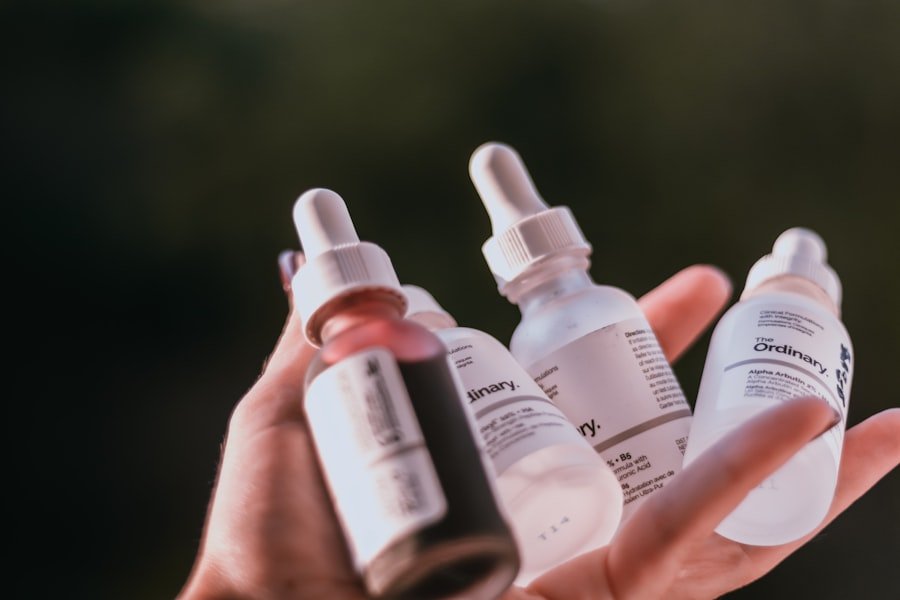
The desire to cover up blemishes and create a smooth canvas for makeup can lead you to products that, ironically, contribute to the very issues you’re trying to hide. Many makeup and primer formulations are not designed with acne-prone skin in mind, leading to clogged pores and more breakouts.
a. “Matte” Finish Products: The Pore-Clogging Culprits
Products that promise a long-lasting matte finish often achieve this by using heavy powders and film-formers. While they can control shine temporarily, they can also create a dense layer on top of your skin.
i. Heavy Powders: The Piling Effect
Translucent powders and setting powders, while often essential for makeup longevity, can sometimes be too heavy for acne-prone skin if applied excessively. They can settle into pores and fine lines, and if they contain comedogenic ingredients, they can exacerbate breakouts.
ii. Silicone-Based Primers: The Smooth Illusion
Many primers are formulated with a high concentration of silicones (like dimethicone and cyclomethicone) for that incredibly smooth, pore-blurring effect. While some silicones are generally well-tolerated, in highly permeable or acne-prone skin, they can create an occlusive layer that traps oil and debris.
iii. “Long-Wearing” Formulas: The Dense Barrier
Makeup labeled as “long-wearing” or “transfer-proof” often relies on heavy film-formers and occlusive ingredients to stay put. This can make it difficult for your skin to breathe, leading to congestion.
b. Occlusive Foundations and Concealers: The Masking Malady
The very products you use to conceal imperfections can sometimes worsen them.
i. Thick, Full-Coverage Foundations: The Pore Blockers
Foundations that offer full coverage often rely on dense pigments and heavy emollients to achieve that effect. If these emollients are comedogenic, they can be a direct cause of breakouts under your makeup.
ii. Traditional Concealers: The Ingredient Watch
Many traditional concealers, especially creamy or stick formulas, can be packed with nourishing oils and waxes that are wonderful for dry skin but can clog pores for those prone to acne.
c. The “Non-Comedogenic” Label: A Starting Point, Not a Guarantee
The “non-comedogenic” label is a good indicator, but it’s not foolproof. It means the product has been tested and shown not to clog pores in laboratory settings. However, individual skin sensitivities can vary greatly.
d. Your Makeup Arsenal for Clearer Skin: Smart Choices and Vigilance
The good news is you don’t have to give up makeup! Here’s how to navigate it smartly:
- Look for “oil-free” and “non-comedogenic”: These are your primary indicators.
- Read ingredient lists: Educate yourself on comedogenic ingredients and avoid them.
- Opt for lighter formulations: Instead of heavy full-coverage foundations, consider tinted moisturizers, BB creams, or CC creams.
- Embrace mineral makeup: Many mineral makeup brands use finely milled inorganic pigments like zinc oxide and titanium dioxide, which are generally non-irritating and non-comedogenic.
- Use primers sparingly (or choose wisely): If you use a primer, opt for water-based or silicone-free options designed for sensitive or acne-prone skin.
- Prioritize proper makeup removal: Never, ever go to bed with makeup on. Use a gentle oil cleanser or micellar water to thoroughly remove all traces of makeup.
4. You’re Using Products with Irritating Fragrances and Dyes: The Sensitivity Spiral
Your acne-prone skin is a sensitive ecosystem. When you introduce products laden with artificial fragrances and harsh dyes, you’re essentially throwing gasoline on a fire. These ingredients are unnecessary and can trigger inflammation, redness, and irritation, making your acne worse.
a. The Deceptive Allure of “Pleasant Smells”
The scent of a product can be a major selling point. However, that “fresh linen” or “lavender fields” scent is almost always achieved through a cocktail of synthetic fragrance chemicals.
i. The “Fragrance-Free” vs. “Unscented” Distinction
- Fragrance-Free: This means no deliberate fragrance has been added to the product. This is generally the safest bet.
- Unscented: This can be misleading. It means no added fragrance, but the product might still contain masking fragrances that neutralize natural odors. These masking agents can still be irritating.
ii. Common Irritants in Fragrances
Many common fragrance components are known allergens and irritants. They can penetrate the skin and cause a cascade of inflammatory responses, leading to:
- Redness and flushing: Your skin might become visibly irritated.
- Itching and burning: You might experience discomfort after application.
- Contact dermatitis: In severe cases, you can develop allergic reactions.
- Aggravated acne: Inflammation is a key driver of acne, and fragrances can significantly worsen it by deepening existing lesions and promoting new ones.
b. Dyes: The Unnecessary Culprits
Why do so many skincare products contain artificial colors? Often, it’s purely for aesthetic reasons – to make the product look more appealing in its packaging. These dyes have no beneficial effect on your skin and can be a source of irritation.
i. The Trend of “Bright” and “Vibrant” Skincare
Products with bright blues, pinks, or greens might catch your eye, but these vibrant hues are usually thanks to artificial colorants that can be problematic for sensitive skin.
ii. The Link Between Dyes and Histamine Release
Some artificial dyes have been shown to trigger the release of histamine in the skin, leading to inflammation and redness. For acne-prone skin, this is the last thing you need.
c. Seeking Solace in Simplicity: The Power of “Free-From”
When choosing products for your acne-prone skin, simplify your approach.
- Prioritize “fragrance-free”: This is your golden rule. Look for this explicitly stated on the packaging.
- Avoid products with “parfum” or “fragrance” in the ingredient list: This is a generic term that can hide dozens of irritating chemicals.
- Opt for clear or naturally colored formulations: If a product is colored, question why. Natural colorants derived from plant extracts are generally less problematic, but it’s still best to be cautious.
- Patch test new products: Even “fragrance-free” products can sometimes cause a reaction. Always patch test a new product on a small, discreet area of your skin (like behind your ear or on your jawline) before applying it to your entire face.
5. You’re Duplicating Actives Without Understanding Synergy: The “Buffet” Approach to Skincare
“`html
| Product Name | Price | Ingredients | Rating |
|---|---|---|---|
| Product A | 20 | Salicylic Acid, Alcohol | 2.5/5 |
| Product B | 15 | Fragrance, Mineral Oil | 3/5 |
| Product C | 25 | Coconut Oil, Shea Butter | 2/5 |
“`
In your quest for clearer skin, you might have heard about fantastic acne-fighting ingredients like salicylic acid, benzoyl peroxide, retinoids, and niacinamide. The temptation is to pack them all into your routine, hoping for a powerful, synergistic effect. However, without understanding how these ingredients interact, you can easily end up overdoing it, leading to irritation and a compromised skin barrier.
a. The Overlap of Actives: Causing Redness and Peeling
Many active ingredients work in similar ways, and using too many concurrently can lead to an overload of exfoliation or inflammation.
i. Salicylic Acid + Retinoids: Double the Exfoliation, Double the Trouble
Both salicylic acid (BHA) and retinoids (like retinol or prescription tretinoin) are potent exfoliants. Using them at the same time, especially in high concentrations, can lead to:
- Severe dryness and peeling: Your skin might feel like it’s shedding its outer layer.
- Increased sensitivity: Your skin will become more reactive to other products.
- Redness and burning: A significant inflammatory response is likely.
ii. Benzoyl Peroxide + Vitamin C: The Oxidizing Conflict
Benzoyl peroxide is a strong antimicrobial that can also be quite drying and oxidizing. Vitamin C, particularly L-ascorbic acid, is also an antioxidant. When combined, they can:
- Reduce the efficacy of Vitamin C: Benzoyl peroxide can oxidize Vitamin C, making it less potent.
- Increase irritation: The combined strength can be too much for sensitive skin.
iii. Overlapping with Multiple Acids: The Chemical Burn Risk
Using a cleanser with glycolic acid, a toner with lactic acid, and a serum with salicylic acid is a recipe for disaster. Your skin won’t know what hit it, and the risk of chemical burns and a severely damaged barrier is high.
b. The “Buffet” Mentality: More Isn’t Always More
Imagine attending a lavish buffet and trying to eat one of everything. You’d likely end up feeling sick and miserable. Your skin reacts similarly when presented with a chaotic assortment of powerful ingredients.
i. Conflicting Mechanisms of Action: The Skin’s Confusion
Different active ingredients work through distinct pathways. When you bombard your skin with too many, you can disrupt its natural processes and create an imbalance.
ii. Suppressed Skin Barrier Function: The Foundation Crumbles
Your skin barrier is crucial for retaining moisture, protecting against environmental aggressors, and maintaining overall skin health. Over-exfoliation and the use of too many strong actives can compromise this barrier, making your skin more prone to irritation, infection, and even eczema.
c. The Art of Strategic Ingredient Pairing: Less is Often More
The key to effectively treating acne with actives is to understand their individual strengths and how they can complement each other, not compete.
i. Staggering Your Actives: The Smart Schedule
Instead of using everything at once, strategically incorporate your active ingredients throughout the week.
- Alternate nights: Use your retinoid on Monday night, your BHA exfoliant on Wednesday night, and a hydrating serum on other nights.
- AM vs. PM: Consider using Vitamin C in the morning for its antioxidant protection and a retinoid or BHA at night for nighttime repair and treatment.
ii. Focusing on One or Two Key Actives: Mastery Over Quantity
It’s often more effective to master one or two potent active ingredients before introducing others.
- Start with salicylic acid: If you’re new to acne treatments, focus on incorporating a salicylic acid cleanser or serum and see how your skin responds.
- Introduce retinoids cautiously: Once your skin is accustomed to basic care, you can explore retinoids, starting with a low concentration and infrequent use.
iii. Prioritizing Skin Barrier Support: The Foundation of Healing
Regardless of the actives you use, always prioritize supporting your skin barrier.
- Hydration is paramount: Even with strong treatments, a good, non-comedogenic moisturizer is essential.
- Incorporate barrier-repairing ingredients: Ceramides, hyaluronic acid, and fatty acids can help strengthen and repair your skin.
- Listen to your skin: If your skin feels compromised, reduce the use of actives and focus on soothing and repairing.
By understanding these common pitfalls and adopting a more targeted and mindful approach, you can finally break free from the cycle of ineffective products and embrace a skincare routine that truly works for your acne-prone skin. Your journey to clearer, healthier skin starts with informed choices.
FAQs
What are some common wrong products for acne-prone skin?
Common wrong products for acne-prone skin include heavy, oil-based moisturizers, comedogenic makeup, harsh exfoliants, and products containing alcohol or fragrances.
Why are heavy, oil-based moisturizers not suitable for acne-prone skin?
Heavy, oil-based moisturizers can clog pores and exacerbate acne breakouts, as they can create a barrier on the skin that traps bacteria and sebum.
What is comedogenic makeup and why should it be avoided for acne-prone skin?
Comedogenic makeup contains ingredients that are known to clog pores and can contribute to the development of acne. It should be avoided for acne-prone skin to prevent further breakouts.
Why should harsh exfoliants be avoided for acne-prone skin?
Harsh exfoliants can irritate the skin and cause inflammation, leading to more frequent breakouts for those with acne-prone skin. Gentle exfoliation is recommended instead.
How do alcohol and fragrances in skincare products affect acne-prone skin?
Alcohol and fragrances in skincare products can be irritating and drying to the skin, which can exacerbate acne and lead to increased sensitivity. It is best to choose products that are free from these ingredients for acne-prone skin.