
You’re likely here because you’re convinced that more is more when it comes to your acne. You’ve probably got a veritable arsenal of cleansers, toners, serums, spot treatments, and moisturizers, all promising to banish those unwelcome blemishes. If this sounds like you, then you’re in the right place. As your Listicle Content Architect (LCA), a seasoned strategist specializing in crafting compelling and informative listicles, I’m here to guide you through the treacherous territory of overdoing your acne product regimen.
You might be thinking, “But the internet is buzzing with new miracle ingredients! My friend swears by this three-step system! This influencer’s before-and-after is a testament to their routine!” While the enthusiasm is understandable, your skin’s needs are far more nuanced than a simple numbers game. The truth is, applying too many acne products can be counterproductive, leading to a host of issues that will make your existing acne woes seem like a distant memory. Let’s dive into why this multi-product approach might be sabotaging your quest for clear skin.
You’ve probably spent a small fortune on your skincare collection, each product carefully selected for its purported benefits. But have you ever stopped to consider what happens when these potent ingredients mingle on your skin? It’s not always a harmonious blend; often, it’s a chemical cocktail that can wreak havoc.
a. Ingredient Annihilation: The Case of Conflicting Formulas
This is perhaps the most insidious downfall of using too many products. You might be layering a salicylic acid cleanser with a benzoyl peroxide toner, and then applying a retinol serum. Each of these ingredients is powerful on its own, designed to exfoliate, kill acne-causing bacteria, or promote cell turnover. However, when combined without proper understanding or formulation, they can actually neutralize each other’s effectiveness.
Imagine trying to paint a masterpiece with incompatible paints. Some might seize up, others might separate, and the final result will be far from what you envisioned. Similarly, the active ingredients in your different products can clash. For instance, strong exfoliants like alpha-hydroxy acids (AHAs) and beta-hydroxy acids (BHAs) can be rendered less potent when used alongside other harsh treatments. Benzoyl peroxide can degrade retinoids, diminishing their anti-aging and acne-fighting power. You’re essentially paying for products that are then cancelling each other out, a double whammy for your wallet and your skin.
b. The Over-Exfoliation Epidemic: When Too Much of a Good Thing Becomes a Bad Thing
Exfoliation is a cornerstone of acne treatment, helping to shed dead skin cells that can clog pores. However, you can absolutely have too much of a good thing, and over-exfoliation is a common pitfall when using multiple exfoliating products. This can occur when you use a facial scrub, follow it with an AHA toner, and then apply a retinol serum all in the same routine, or even on the same day.
Your skin’s natural barrier, a crucial protective layer, can be severely compromised by aggressive or frequent exfoliation. This leads to a cascade of problems. You’ll likely experience redness, sensitivity, peeling, and a stinging sensation, especially when applying other products. Your skin, stripped of its protective lipids, becomes more vulnerable to environmental stressors and even further breakouts. It’s like removing the shingles from your roof during a rainstorm – you’re left exposed and vulnerable.
c. The Ingredient Arms Race: Overlapping Active Ingredients and Amplified Side Effects
Many acne products share common active ingredients, such as salicylic acid, benzoyl peroxide, sulfur, and retinoids. While these are excellent at targeting acne, using multiple products that all contain the same or similar ingredients means you’re essentially bombarding your skin with a high concentration of these actives. This doesn’t mean faster or better results; it often means amplified side effects.
Think of it like taking multiple doses of a medication without consulting a doctor. You might experience more intense versions of the known side effects, such as dryness, flaking, redness, and irritation. Benzoyl peroxide, for example, is known for its drying and potentially irritating properties. If you’re using a benzoyl peroxide cleanser, a benzoyl peroxide spot treatment, and a benzoyl peroxide cream, you’re setting yourself up for a highly uncomfortable experience. The goal is targeted treatment, not widespread assault.
d. The Compromised Skin Barrier: The Silent Saboteur of Healthy Skin
Your skin barrier is your first line of defense against all sorts of external aggressors, from pollution to bacteria. It’s made up of lipids, ceramides, and cholesterol that keep moisture locked in and irritants out. When you overload your skin with too many harsh acne products, you’re essentially chipping away at this vital barrier.
A compromised skin barrier is a gateway for irritation, inflammation, and increased sensitivity. It can lead to a phenomenon known as “retention hyperkeratosis,” where dead skin cells build up excessively around hair follicles, further contributing to clogged pores and acne. Ironically, you might find yourself trying to treat the very irritation and clogging caused by your overzealous product application. It’s a vicious cycle that can be incredibly frustrating to break.
2. The Deceptive Allure of “Miracle” Ingredients: Why More Isn’t Always Better
The skincare industry is a master of marketing, constantly introducing new “game-changing” ingredients that promise to revolutionize your skin. This creates a constant temptation to try the latest and greatest, especially when you’re dealing with persistent acne. You might find yourself adding a new serum with niacinamide, a toner with hyaluronic acid, and a spot treatment with tea tree oil, all within weeks of each other.
a. The Ingredient Overlap Redux: When Synergy Turns Into Saturation
Similar to the issue of conflicting formulas, when you’re chasing every “miracle” ingredient, you often end up with significant overlap. This is especially true for ingredients that have multiple benefits, like niacinamide, which can help with redness, pore appearance, and oil production. If you’re using a cleanser with niacinamide, a serum with niacinamide, and a moisturizer with niacinamide, your skin is being saturated with this single ingredient. While niacinamide is generally well-tolerated, excessive amounts can still lead to redness and irritation in some individuals.
This saturation effect isn’t limited to one ingredient. It can happen with hydrators like hyaluronic acid, antioxidants like Vitamin C, or even gentle exfoliants like enzymes. The idea is to introduce ingredients strategically, allowing your skin to benefit from their unique properties without overwhelming it.
b. The False Impression of Efficacy: Mistaking Irritation for Improvement
One of the most common delusions when overusing acne products is mistaking irritation for progress. If your skin is red, tight, and peeling, you might interpret this as the products actively “working” to remove impurities. This is a dangerous misconception.
Healthy skin should feel comfortable, not like it’s under constant attack. The stinging, burning, and flaking are signs that your skin is distressed. While some initial adjustment to active ingredients is normal, persistent and intense discomfort indicates you’re pushing your skin too hard. This perceived “improvement” is actually a sign of a damaged barrier, which will ultimately lead to more problems, including increased breakouts and post-inflammatory hyperpigmentation.
c. The “Beat ‘Em to It” Mentality: A Counterproductive Approach to Acne Treatment
You might approach acne treatment with a “beat ’em to it” mentality, believing that if you attack the acne from every angle with every product you own, it will surrender. This is akin to bringing a sledgehammer to a delicate operation. Acne is a complex condition influenced by hormones, genetics, diet, stress, and bacteria. It requires a targeted and patient approach, not a blitzkrieg.
Instead of overwhelming your skin, you should be aiming for a balanced and consistent routine that supports its natural healing processes. This involves understanding the root causes of your acne and choosing products that address those specific issues without causing undue stress or damage. The “beat ’em to it” approach often backfires, leaving your skin inflamed and more prone to breakouts.
3. The Drying Effect: Beyond a Little Flakiness, Towards a Damaged Complexion
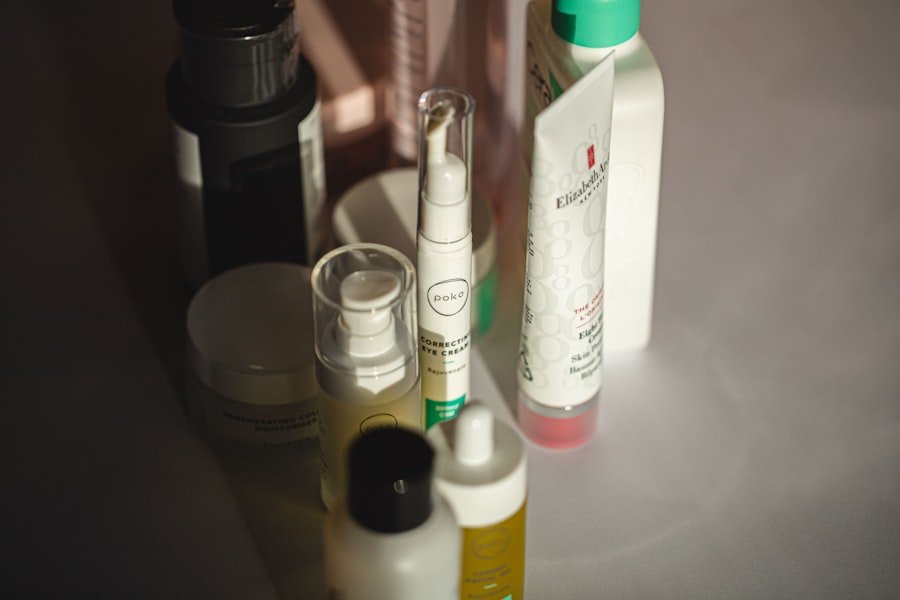
Acne products, particularly those containing powerful active ingredients like benzoyl peroxide, salicylic acid, and retinoids, are designed to be potent. Their primary function is often to reduce oil production, exfoliate dead skin cells, and kill bacteria. While effective, this can lead to a significant drying effect on your skin.
a. The Tight, Peeling Phenomenon: A Sign of Dehydrated and Stressed Skin
The most immediate and visible sign of over-drying is that characteristic tight feeling, often accompanied by visible flaking or peeling. This typically occurs around the nose, mouth, and forehead – areas where the skin is already thinner and more prone to dryness. You might find yourself constantly reapplying moisturizer, only to feel that tightness return shortly after.
This isn’t just a cosmetic concern. When your skin is severely dehydrated, its natural functions are impaired. It becomes less effective at repairing itself, more susceptible to irritation, and can even lead to a rebound effect where your skin overcompensates by producing even more oil to try and rehydrate itself, ironically leading to more acne.
b. The “Dry Breakout” Paradox: How Drying Products Can Worsen Acne
This might sound counterintuitive, but drying out your skin too much can actually worsen acne. When your skin becomes overly dry and stripped of its natural oils, it can trigger a stress response. As mentioned earlier, this can lead to increased oil production to compensate. This excess oil, combined with the now-compromised skin barrier, creates a perfect breeding ground for acne-causing bacteria.
Furthermore, the dryness can lead to microscopic cracks in the skin’s surface. These micro-tears make it easier for bacteria to penetrate and cause inflammation, resulting in more painful and persistent breakouts. You might find yourself applying even more spot treatments, attempting to dry out these new pimples, only to exacerbate the overall dryness and irritation.
c. The Importance of Hydration: Rehydrating Your Way to Recovery
The antidote to over-drying is intelligent hydration. This doesn’t mean drowning your skin in heavy, occlusive creams that might clog pores. Instead, it involves incorporating hydrating ingredients that will replenish your skin’s moisture levels without exacerbating your acne.
Look for humectants like hyaluronic acid, glycerin, and panthenol (Vitamin B5). These ingredients attract water to your skin’s surface. For those with acne, opting for lightweight, oil-free, non-comedogenic moisturizers is key. Some acne-friendly ingredients, like ceramides, can also help to support and repair your skin’s natural barrier, making it more resilient to the drying effects of acne medications. Don’t be afraid to dial back on the actives for a few days and focus solely on rehydrating and repairing your skin.
4. The Over-Whelmed Skin Microbiome: Disrupting the Delicate Balance of Your Skin’s Ecosystem
Your skin is a living ecosystem, teeming with trillions of microorganisms, collectively known as the skin microbiome. This diverse community of bacteria, fungi, and viruses plays a crucial role in maintaining skin health, protecting against pathogens, and even influencing inflammation. When you overload your skin with harsh acne products, you’re essentially waging war on this delicate balance.
a. The Antibacterial Assault: Killing the Bad with the Good
Many acne products, particularly those containing benzoyl peroxide or certain antibacterial agents, are designed to kill acne-causing bacteria like Propionibacterium acnes. While it’s important to control these specific bacteria, indiscriminately wiping out the entire microbial population on your skin can have detrimental effects.
The beneficial bacteria on your skin help to keep pathogenic bacteria in check. They compete for resources and produce antimicrobial substances that naturally protect your skin. When these beneficial microbes are destroyed, the pathogenic bacteria can flourish, potentially leading to increased inflammation and breakouts. Think of it like clearing a forest and then being surprised when invasive species take over.
b. The Disruption of the Skin Barrier’s Natural Defenses
A healthy skin microbiome contributes significantly to the integrity of your skin barrier. These beneficial microbes help to maintain the skin’s acidic pH, which is crucial for optimal barrier function and defense against pathogens. They also play a role in producing lipids that strengthen the barrier.
When you disrupt this microbial balance, you weaken your skin’s natural defenses. This makes your skin more vulnerable to external irritants, allergens, and further bacterial overgrowth. The very products you’re using to combat acne might be inadvertently making your skin more susceptible to other problems, creating a cycle of sensitivity and breakouts.
c. The Rise of “Superbugs” and Resistance: A Long-Term Consequence
While less common than general disruption, there’s a theoretical concern that the overuse of certain antibacterial agents in skincare could contribute to the development of antibiotic-resistant bacteria strains over time. Although skincare is not typically considered a primary driver of this global issue, it’s a reminder of the importance of using antimicrobial ingredients judiciously and only when necessary. True antibiotic resistance is a significant public health concern, and while your personal acne routine might not be the sole culprit, it’s a factor to be mindful of in the broader context.
5. The Cost Factor: More Products, More Money, and Less Effective Results
| Metrics | Data |
|---|---|
| Number of acne products used | 5 |
| Frequency of product use | Twice a day |
| Duration of product use | 3 months |
| Common ingredients in products | Benzoyl peroxide, salicylic acid |
Beyond the physical toll on your skin, there’s the undeniable financial burden of an overloaded acne product regimen. You’re likely investing significant amounts of money in a collection of products, each with its own price tag, all in the pursuit of clear skin. However, as we’ve explored, this approach is often counterproductive.
a. The Diminishing Returns of Multi-Step Routines
You might be lured into believing that a 10-step routine is the pinnacle of skincare, promising comprehensive treatment. However, for acne, simplicity and targeted efficacy are often far more beneficial. Each additional product you introduce represents another cost, and if those products are overlapping in their ingredients or causing irritation, you’re essentially throwing money down the drain.
Consider the cost of a single high-quality serum or prescription treatment versus a dozen drugstore items that might be cancelling each other out. The former, when recommended by a dermatologist, is a strategic investment in your skin’s health. The latter can be an expensive gamble.
b. The Hidden Costs of Irritation and Damage: Treating the Symptoms of Your Mistakes
When your skin becomes irritated, dry, or inflamed due to an overzealous product regimen, you often find yourself purchasing more products to address these new issues. You might buy soothing masks, barrier repair creams, or gentle cleansers to counteract the damage. This leads to a compounding of expenses.
Instead of a focused approach to acne, you end up with a reactive strategy to manage the side effects of your original approach. This is a financially draining cycle that detracts from your initial goal of achieving clear skin. It’s like buying a faulty appliance, then buying tools to fix it, then buying replacement parts, all while the appliance still doesn’t work as intended.
c. The Wisdom of a Curated Routine: Simplicity as the Ultimate Luxury
The true luxury in skincare, especially for acne-prone individuals, is a well-curated, effective, and simple routine. This means understanding your skin’s specific needs and selecting a few key products that address those needs without overwhelming it. This might involve:
- A gentle, effective cleanser: One that cleanses without stripping your skin.
- A targeted treatment: This could be a prescription retinoid, salicylic acid serum, or benzoyl peroxide spot treatment, used as directed.
- A lightweight, non-comedogenic moisturizer: To support your skin barrier and prevent dryness.
- Sunscreen: An absolute non-negotiable for protecting your skin from UV damage and preventing post-inflammatory hyperpigmentation.
By focusing on these essential pillars, you can achieve excellent results without the excessive product accumulation and associated costs. It’s about quality over quantity, and investing in products that truly benefit your skin. Consulting with a dermatologist or a qualified skincare professional can help you build such a routine, ensuring you’re making smart, effective, and financially sound choices for your skin.
FAQs
What are the potential risks of using too many acne products?
Using too many acne products can lead to skin irritation, dryness, redness, and peeling. It can also disrupt the skin’s natural balance and lead to more breakouts.
How many acne products should be used at a time?
It is generally recommended to use no more than 2-3 acne products at a time. Using more than this can overwhelm the skin and lead to negative side effects.
What are some signs that indicate using too many acne products?
Signs that indicate using too many acne products include increased skin sensitivity, excessive dryness, redness, and peeling. If you notice these signs, it may be a sign to reduce the number of products being used.
How can one find the right balance of acne products to use?
Finding the right balance of acne products involves starting with a gentle cleanser and moisturizer, and then gradually introducing one acne treatment at a time. It’s important to pay attention to how the skin responds and adjust the routine accordingly.
What should be done if someone has been using too many acne products?
If someone has been using too many acne products and is experiencing negative side effects, it’s important to stop using all products and allow the skin to recover. Once the skin has calmed down, a simplified skincare routine can be reintroduced. If the issues persist, it’s best to consult a dermatologist for personalized advice.