
You’re grappling with a persistent, maddening sound that seems to originate from within your own ear – a ringing, buzzing, or hissing that just won’t quit. For many, this is the unwelcome introduction to the world of tinnitus. And if you’ve recently received a diagnosis of vestibular schwannoma, that persistent ringing takes on a whole new layer of concern. You’re probably wondering, “Why is this tumor in my head causing this racket in my ear?” This listicle is designed to demystify that connection, explaining in plain English how a benign tumor on your auditory nerve can manifest as such an intrusive symptom. As your Listicle Content Architect, I’m here to break down a complex medical topic into easily digestible points, so you can understand what’s happening and feel more in control of your health journey.
Let’s delve into the intricate relationship between vestibular schwannoma and the eerie symphony of tinnitus.
Before we dissect the “why” of the ringing, you first need to understand what a vestibular schwannoma actually is. Think of it as a small, slow-growing tumor that originates from the Schwann cells. These cells are like the insulation wrapped around nerve fibers, and in this specific case, they’re found on the vestibular nerve. This nerve is a critical communication highway, transmitting vital information between your inner ear and your brain. It has two main branches: the vestibular nerve, which controls balance, and the cochlear nerve, which is responsible for hearing. When you have a vestibular schwannoma, this growth typically occurs on the vestibular nerve, but because the vestibular and cochlear nerves run so closely together, its presence inevitably impacts the hearing pathway.
1.1. The Nature of the Tumor: Benign, But Not Harmless
It’s crucial to understand that vestibular schwannomas are almost always benign. This means they are not cancerous and don’t spread to other parts of your body. This is a significant piece of good news. However, “benign” does not equate to “harmless.” The problem with these tumors is their location. They arise in a confined space – the cerebellopontine angle, a narrow region at the base of your skull where the eighth cranial nerve (the vestibulocochlear nerve) passes. Even a small tumor here can exert pressure on delicate structures, disrupting normal function.
1.2. Where it Begins: The Vestibular Nerve’s Crucial Role
Your vestibular nerve is responsible for sending information about your head’s position and movement to your brain, which is essential for maintaining balance. This nerve also plays a role in spatial orientation. When a schwannoma develops on this nerve, it can begin to compress or irritate it. This irritation can lead to a cascade of signals being sent to your brain that are not reflective of actual external stimuli.
1.3. The Proximity Problem: The Cochlear Nerve’s Close Neighbor
The reason why hearing issues, including tinnitus, are so common with vestibular schwannoma is the intimate proximity of the cochlear nerve to the vestibular nerve. These two nerves are bundled together as they exit the inner ear. Therefore, as a vestibular schwannoma grows, it doesn’t just affect the vestibular nerve; it inevitably encroaches on the cochlear nerve, the very nerve responsible for translating sound vibrations into electrical signals that your brain interprets as sound.
2. The Direct Impact: How Neural Compression Fuels Tinnitus
Now, let’s get to the heart of the matter: how does this tumor, sitting on or near your hearing nerve, create that persistent ringing? The primary mechanism is pressure. The vestibular schwannoma, by its very nature of being a growing mass, exerts pressure on the delicate fibers of the cochlear nerve. This compression isn’t a gentle nudge; it can disrupt the normal flow of electrical signals that are supposed to be encoded from the vibrations in your inner ear.
2.1. Irritation and Disruption of Nerve Signals
Think of the cochlear nerve as a finely tuned electrical cable. When a vestibular schwannoma presses against it, it’s like kinks or damage appearing in that cable. This pressure can irritate the nerve fibers, causing them to fire erratically. Instead of transmitting accurate auditory information, the damaged nerve might send out random or abnormal electrical impulses. Your brain, receiving these nonsensical signals, struggles to interpret them and often perceives them as sound – the sound of tinnitus.
2.2. Spontaneous Firing: The Nerve’s Own “Noise”
When a nerve is constantly irritated or compressed, it can start to fire spontaneously, meaning it generates electrical signals without any actual external sound input. This spontaneous firing can occur along the pathway from the cochlear nerve all the way to the auditory centers in your brain. The brain then interprets these misfires as an internal sound, which we perceive as tinnitus. It’s like static on a radio channel – the receiver is working, but the signal itself is distorted and noisy.
2.3. Altered Signal Transmission: Misfires and Phantom Sounds
The compression can also alter the way normal signals are transmitted. Imagine trying to have a clear conversation through a squeezed telephone line; the message gets distorted. In a similar way, the normal auditory signals from your inner ear might be distorted as they pass through the compressed cochlear nerve. This distortion can be interpreted by the brain as a phantom sound, contributing to the tinnitus you experience.
3. Indirect Pathways: When the Brain Itself Starts to “Hear” Things

While direct compression on the cochlear nerve is a major culprit, the impact of a vestibular schwannoma can extend beyond the nerve itself to influence how your brain processes sound. The brain is incredibly complex, and when parts of its auditory processing network are disrupted or overloaded, it can lead to the phantom perception of sound.
3.1. Auditory Pathway Reorganization: The Brain’s Adaptation
When the cochlear nerve is consistently experiencing issues due to the vestibular schwannoma, the brain might try to adapt. This adaptation can involve changes in how the auditory pathways are organized. In some cases, the brain might become hypersensitive to neural activity or begin to generate its own auditory signals to compensate for the perceived lack of input or the distorted input it’s receiving. This reorganisation can inadvertently lead to the generation of tinnitus.
3.2. Central Auditory Processing Changes: The Brain’s Interpretation Errors
The auditory cortex, the part of your brain responsible for interpreting sound, can also be affected. When it receives abnormal signals from a compromised cochlear nerve, or when the overall auditory system is thrown out of balance, the central auditory processing can go awry. This means the brain might misinterpret neural activity as sound, even when there’s no actual external stimulus. It’s like your brain looking at a bunch of random scribbles and mistakenly thinking it’s seeing a picture.
3.3. Feedback Loops and Amplification: The Tinnitus Becomes Self-Perpetuating
Once tinnitus starts, it can sometimes enter a feedback loop. The ringing itself can become a source of stress and anxiety, which can, in turn, worsen the perception of the ringing. Furthermore, the brain might unconsciously try to “listen harder” for the supposed sound, amplifying whatever neural activity it’s picking up. This can create a cycle where the tinnitus becomes more noticeable and intrusive over time, even if the initial pressure on the nerve slightly reduces.
4. Introducing Other Symptoms: The Tinnitus Often Isn’t Alone
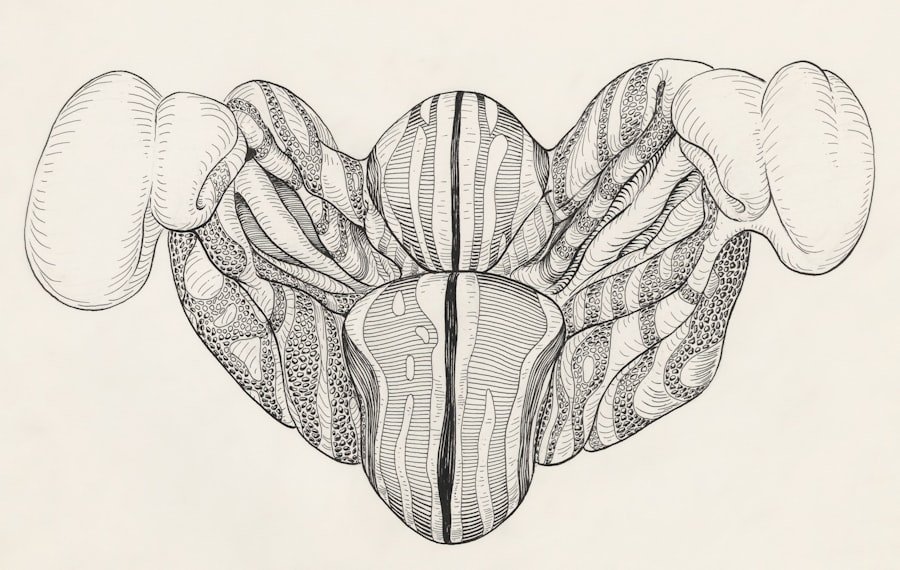
It’s important to recognize that tinnitus is rarely the only symptom associated with a vestibular schwannoma. The tumor’s pressure and disruption of the vestibulocochlear nerve often impact both the hearing and balance functions. Understanding these other symptoms can provide a clearer picture of what might be happening and why tinnitus is part of a larger constellation of issues.
4.1. Hearing Loss: The Gradual Fading of Sound
One of the most common symptoms directly linked to cochlear nerve compression by a vestibular schwannoma is hearing loss. This often begins subtly, affecting higher frequencies more than lower ones. You might notice difficulty understanding speech in noisy environments or find yourself asking people to repeat themselves more frequently. The gradual nature of this hearing loss sometimes means it’s overlooked until it becomes quite significant, by which point the tinnitus may already be well-established.
4.2. Vertigo and Dizziness: The Loss of Equilibrium
Because the vestibular nerve is primarily responsible for balance, its compression by a vestibular schwannoma frequently leads to symptoms of vertigo and dizziness. You might experience a spinning sensation, unsteadiness, or a feeling of being off-balance, especially when moving your head or changing positions. These symptoms are a direct result of the disrupted signals about your head’s position and movement being sent to your brain.
4.3. Facial Weakness or Numbness: Wider Nerve Involvement
In rarer cases, as a vestibular schwannoma grows larger, it can start to press on other cranial nerves in the vicinity, such as the facial nerve (which controls facial muscles) or the trigeminal nerve (which provides sensation to the face). This can lead to symptoms like facial drooping, weakness on one side of the face, or numbness and tingling in your face. While not directly related to tinnitus, these symptoms indicate the growing impact of the tumor on surrounding structures.
5. What You Can Do: Managing Tinnitus and Vestibular Schwannoma
| Reason | Impact |
|---|---|
| Pressure on the auditory nerve | Causes abnormal signals to be sent to the brain, leading to ear ringing |
| Compression of the cochlear nerve | Interferes with normal hearing function, leading to ear ringing |
| Distortion of sound perception | Results in the perception of ringing or buzzing in the ear |
Understanding the “why” is a crucial first step in managing your symptoms and navigating a diagnosis of vestibular schwannoma. While you can’t magically remove the tumor yourself, there are strategies and medical approaches that can help alleviate the tinnitus and manage the overall condition. It’s essential to work closely with your medical team to develop a personalized plan.
5.1. Medical Consultation and Diagnosis: The Foundation of Management
The absolute first and most important step is to consult with a healthcare professional, ideally an otolaryngologist (ENT doctor) or a neurotologist. They will conduct a thorough examination, including hearing tests (audiometry) and balance tests. Imaging techniques like MRI scans are essential for definitively diagnosing a vestibular schwannoma and determining its size and location. Accurate diagnosis is the bedrock upon which all effective management strategies are built.
5.2. Monitoring the Tumor: The Watchful Waiting Approach
For many vestibular schwannomas, particularly small ones, the recommended approach may be “watchful waiting.” This involves regular monitoring with MRI scans to track the tumor’s growth. If the tumor is not growing significantly and symptoms are manageable, active treatment might be deferred. This approach is a balance between the risks of intervention and the potential for the tumor to grow and cause more problems.
5.3. Treatment Options: From Surgery to Radiosurgery
If the tumor is growing, causing significant symptoms, or is of a larger size, treatment may be necessary. The primary treatment options include:
- Surgery: This involves the surgical removal of the tumor. The goal is to remove as much of the tumor as possible while preserving hearing and facial nerve function. Different surgical approaches exist, each with its own benefits and risks.
- Radiosurgery (Stereotactic Radiosurgery): This is a non-invasive treatment that uses precisely focused beams of radiation to stop the tumor’s growth. It’s often an option for smaller tumors or for patients who are not candidates for surgery. Radiosurgery aims to control tumor growth rather than remove it.
5.4. Tinnitus Management Strategies: Coping with the Ringing
Even with tumor treatment, tinnitus may persist. Fortunately, there are several strategies to help manage this persistent sound:
- Sound Therapy: This involves using external sounds to mask or distract from the tinnitus. This can include white noise machines, nature sounds, or specialized tinnitus maskers.
- Tinnitus Retraining Therapy (TRT): This is a structured program that aims to habituate the brain to the tinnitus sound, making it less noticeable and bothersome. It combines sound therapy with counseling.
- Cognitive Behavioral Therapy (CBT): CBT can help you change your reactions and thoughts about the tinnitus, reducing the distress and anxiety it causes, which can, in turn, make the tinnitus less intrusive.
- Lifestyle Modifications: Managing stress, ensuring good sleep hygiene, and avoiding loud noises can all contribute to better tinnitus management.
By understanding the intricate connection between your vestibular schwannoma and the ringing in your ears, you empower yourself to have more informed conversations with your medical team and to actively participate in managing your health. Remember, you are not alone in this journey, and help is available.
FAQs
What is a vestibular schwannoma?
A vestibular schwannoma, also known as an acoustic neuroma, is a non-cancerous tumor that develops on the vestibular nerve, which connects the inner ear to the brain.
How does vestibular schwannoma cause ear ringing?
Vestibular schwannomas can cause ear ringing, also known as tinnitus, by putting pressure on the vestibulocochlear nerve, which is responsible for transmitting sound and balance information to the brain. This pressure can lead to the perception of ringing or buzzing in the affected ear.
What are the other symptoms of vestibular schwannoma?
In addition to ear ringing, vestibular schwannomas can cause symptoms such as hearing loss, dizziness, balance problems, facial numbness or weakness, and headaches.
How is vestibular schwannoma diagnosed?
Vestibular schwannomas are typically diagnosed through a combination of medical history, physical examination, and imaging tests such as MRI or CT scans.
What are the treatment options for vestibular schwannoma?
Treatment options for vestibular schwannoma include observation, radiation therapy, and surgical removal of the tumor. The choice of treatment depends on factors such as the size and location of the tumor, as well as the patient’s overall health and preferences.