
Here’s the breakdown of what happens to your heart when hypertension goes untreated, presented in a way that’s easy to digest and act upon.
Imagine your heart as a tireless engine, pumping blood throughout your entire body, moment by moment, day by day. When you have untreated hypertension, also known as high blood pressure, you’re essentially asking this engine to run at a significantly higher RPM for extended periods. It’s like flooring the gas pedal on your car indefinitely. This isn’t a sustainable situation, and its consequences for your cardiovascular system are profound.
a. The Constant Strain: A Never-Ending Demand
Think about the pressure it takes to push blood through your arteries. When your blood pressure is consistently high, it means the force exerted by your blood against the walls of your arteries is also consistently elevated. Your heart’s job is to overcome this resistance. It has to contract with greater force and pump more vigorously to ensure vital organs receive the blood they need. This isn’t a brief surge you might experience during exercise or stress; this is the baseline. Your heart is in a perpetual state of high alert, working harder than it was designed to do.
b. Arterial Hardening: The Plumbing Gets Stiff
Over time, this constant, elevated pressure doesn’t just wear out your heart; it also starts to affect the very system it’s meant to serve: your arteries. Imagine your arteries as a flexible, elastic network of pipes. When subjected to persistent high pressure, they begin to lose their natural suppleness. The inner lining of your arteries can become damaged, and this damage triggers a response where the artery walls start to thicken and stiffen. This process is called arteriosclerosis. It’s as if the flexible hoses in your home’s plumbing system gradually become rigid and less able to expand and contract. This hardening makes it even harder for blood to flow smoothly, forcing your heart to work even more.
c. Narrowing Passages: Reduced Flow Capacity
As those arterial walls thicken and stiffen, they also tend to narrow. This narrowing, known as atherosclerosis, is a gradual buildup of plaque – a combination of fat, cholesterol, and other substances – on the inner walls of your arteries. Think of it like rust and sediment accumulating inside pipes, gradually constricting the flow of water. This narrowing, exacerbated by the underlying hypertension, means that less blood can pass through. This creates a bottleneck, further increasing the resistance your heart has to overcome and reducing the oxygen-rich blood supply to your heart muscle and other parts of your body. The entire circulatory system becomes less efficient, and the burden on your heart escalates.
2. Your Heart Muscle Itself Starts to Change
The relentless overwork that your heart endures due to untreated hypertension doesn’t go unnoticed by the muscle tissue itself. In a misguided attempt to cope with the increased workload, your heart muscle, specifically the left ventricle (the main pumping chamber), begins to thicken. This adaptation, while initially seeming like a functional response, ultimately leads to a cascade of problems.
a. Left Ventricular Hypertrophy (LVH): The Muscle Grows Unwieldy
This thickening of the left ventricle is formally known as Left Ventricular Hypertrophy (LVH). It’s the heart’s attempt to build more muscle to generate the extra force needed to pump against stiff, narrowed arteries and high blood pressure. Imagine a weightlifter’s muscles growing to lift heavier weights. While that’s a beneficial outcome in fitness, in the context of your heart, it’s a dangerous sign. The muscle walls become thicker and more robust, but this growth isn’t a healthy expansion. It’s a hypertrophic response that can eventually lead to detrimental changes in the heart’s structure and function.
b. The Pumping Problem: Less Efficient and Weaker
As the left ventricle’s muscle walls thicken, they become less flexible and more rigid. This stiffness impairs the heart’s ability to fill properly with blood between beats. Crucially, it also affects the heart’s ability to contract effectively. Think of it like trying to squeeze a tennis ball that’s become overly dense and stiff – it’s harder to deform, and the expulsion of material is less efficient. Over time, what started as a thicker muscle can actually lead to a weakened heart. The once-powerful pump begins to struggle, its pumping ability diminishes, and it becomes less effective at circulating blood throughout your body. This leads to a cycle where the heart is thicker but weaker, a dangerous combination.
c. Progression to a Dilated Heart: Elongated and Ineffective
This thickening and eventual weakening can, in some cases, lead to a condition called dilated cardiomyopathy, where the heart chambers enlarge and become stretched. This is the opposite of hypertrophy, but it’s often a consequence of it. The heart muscle, having worked overtime and then started to weaken, can lose its structural integrity. Instead of being a strong, compact pump, it becomes a dilated, flabby sac that cannot effectively contract and push blood forward. This significantly reduces the heart’s ability to meet your body’s demands, putting you at serious risk for more severe complications.
3. The Escalating Risk of Heart Failure: Your Pump Can’t Keep Up
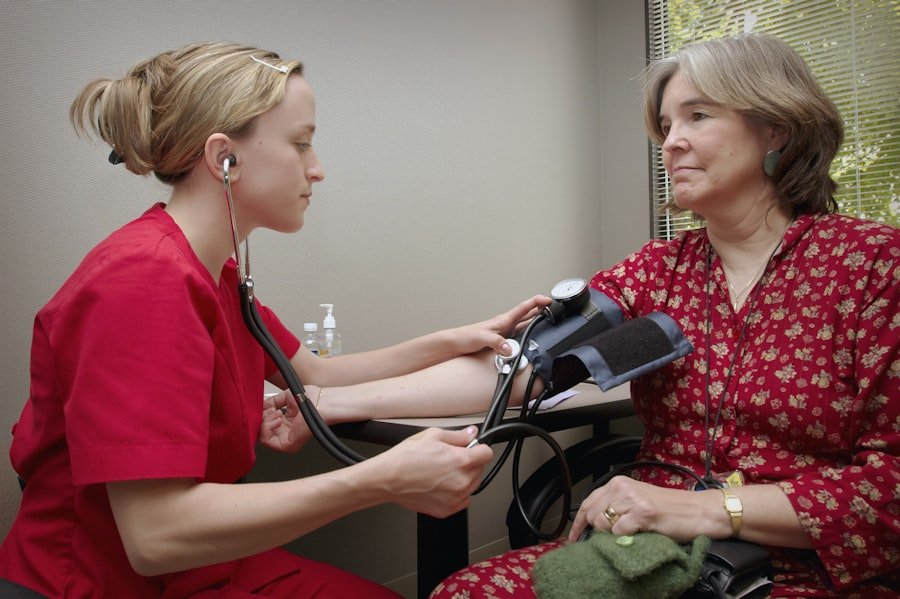
Heart failure isn’t a sudden event; it’s a progressive condition that often stems from years of untreated strain on the heart. When your heart is continuously working harder than it should due to hypertension, it eventually reaches a point where it simply can’t pump enough blood to meet your body’s needs. This is heart failure, and untreated hypertension is one of its primary drivers.
a. The Heart’s Exhaustion: The Inability to Meet Demand
Imagine your heart as a water pump for your entire house. If the pipes become clogged (atherosclerosis) and the system pressure is too high (hypertension), the pump has to work overtime. Eventually, the pump itself might start to wear out, its motor struggling, or the main housing might develop leaks. In the case of your heart, this exhaustion means it can no longer effectively deliver oxygenated blood to all your tissues and organs. Symptoms of this can include fatigue, shortness of breath, and swelling in the legs and ankles, as your body tries to compensate for the reduced blood flow.
b. Reduced Ejection Fraction: The Amount of Blood Pumped Declines
A key measurement of heart function is the ejection fraction, which is the percentage of blood that’s pumped out of your left ventricle with each heartbeat. In heart failure caused by untreated hypertension, this ejection fraction typically declines. Your heart might be filling with blood, but it’s not expelling as much as it should, meaning less blood is available for circulation. This decline is a tangible indicator of the pumping inefficiency that arises from the damaged and weakened heart muscle described earlier. It’s a direct consequence of your heart’s struggle against the constant resistance.
c. The Vicious Cycle: More Strain Leads to More Damage
Heart failure itself can create a vicious cycle. As the heart fails to pump efficiently, the body may try to compensate by releasing hormones that cause blood vessels to constrict and the heart to beat faster. Unfortunately, these compensatory mechanisms can further increase the workload on an already compromised heart, leading to even more damage and accelerating the progression of heart failure. This means that once heart failure begins, it can become a self-perpetuating illness if the root cause, untreated hypertension, isn’t addressed.
4. The Arteries of Your Heart Become a Danger Zone
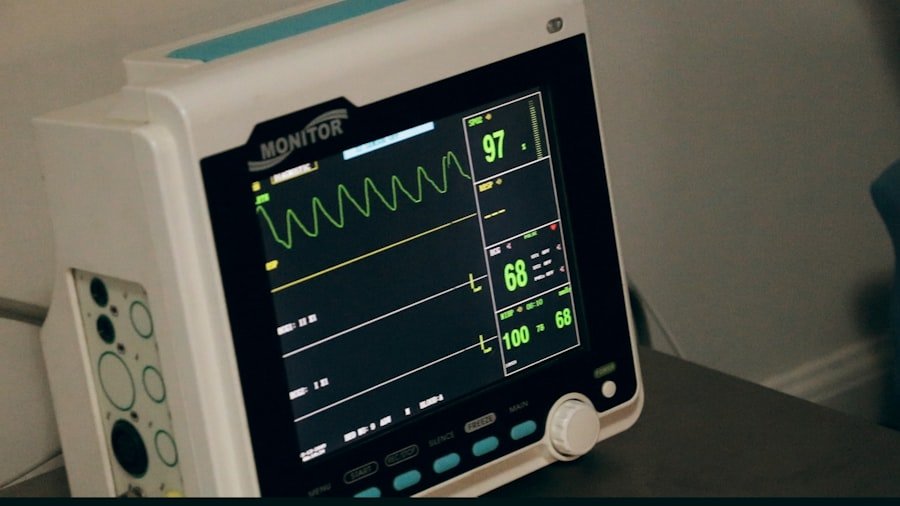
Your heart, like any other organ, needs a constant supply of oxygen-rich blood. This blood is delivered by the coronary arteries. Untreated hypertension significantly accelerates the process of atherosclerosis within these vital arteries, setting you up for potentially life-threatening events.
a. Accelerating Atherosclerosis: The Silent Plaque Buildup
We’ve touched on how hypertension stiffens and narrows arteries. In the coronary arteries, this process is especially dangerous. The high pressure damages the delicate inner lining of these arteries, creating sites where cholesterol, fats, and other debris can easily deposit and accumulate. This forms atherosclerotic plaques. Untreated hypertension effectively douses the fires of this process, making plaque buildup happen faster and more aggressively than it would otherwise. These plaques gradually narrow the coronary arteries, restricting blood flow to the heart muscle.
b. Reduced Blood Flow: Starving Your Heart Muscle of Oxygen
As those plaques grow and narrow the coronary arteries, the amount of oxygen-rich blood reaching your heart muscle is reduced. Think of it like a garden hose that’s been kinked – water can still get through, but not at full pressure or volume. When your heart muscle isn’t receiving enough oxygen, especially during times of increased demand (like physical exertion), it can lead to chest pain, known as angina. This is your heart’s way of signaling that it’s not getting enough to eat.
c. The Imminent Threat of a Heart Attack: Blockage and Damage
The real danger with accelerated atherosclerosis in the coronary arteries is the risk of a heart attack (myocardial infarction). A heart attack occurs when a plaque ruptures. This rupture exposes the fatty inner core of the plaque to the bloodstream, triggering the formation of a blood clot. This clot can then completely block off a coronary artery, cutting off blood supply to a portion of the heart muscle. Without oxygen, that part of the heart muscle begins to die. This is a medical emergency, and untreated hypertension significantly increases your odds of experiencing this catastrophic event. It’s a direct consequence of the arteries that feed your heart becoming a high-risk zone.
5. Irregular Heartbeats Appear: The Rhythm Gets Thrown Off
| Effect of Untreated Hypertension on the Heart | Details |
|---|---|
| Increased workload on the heart | Untreated hypertension forces the heart to work harder to pump blood, leading to increased strain on the heart muscles. |
| Heart enlargement | Untreated hypertension can cause the heart to enlarge as it tries to compensate for the increased workload, leading to potential heart failure. |
| Coronary artery disease | Untreated hypertension can lead to the narrowing of the arteries supplying blood to the heart, increasing the risk of heart attack and other cardiovascular complications. |
| Heart failure | Untreated hypertension can eventually lead to heart failure, where the heart is unable to pump enough blood to meet the body’s needs. |
Your heart’s steady, rhythmic beating is crucial for efficient blood pumping. Untreated hypertension can disrupt this delicate electrical signaling system, leading to abnormal heart rhythms, medically known as arrhythmias.
a. Atrial Fibrillation: A Common Culprit
One of the most common arrhythmias linked to hypertension is atrial fibrillation (AFib). In AFib, the upper chambers of the heart (the atria) quiver chaotically instead of beating effectively. This irregular and often rapid quivering means that blood doesn’t get pumped efficiently out of the atria and into the ventricles. This leads to blood pooling in the atria, which can increase the risk of clot formation.
b. Increased Clot Formation and Stroke Risk: A Dangerous Connection
The irregular blood flow in AFib creates a breeding ground for blood clots. If a clot forms in the atria and breaks off, it can travel through the bloodstream. If it travels to the brain, it can block an artery, causing a stroke. Therefore, AFib, often a consequence of untreated hypertension, significantly elevates your risk of suffering a debilitating stroke. This illustrates how damage to your heart doesn’t just affect its pumping ability but can also directly increase the risk of other major cardiovascular events.
c. Other Arrhythmias: Beyond Atrial Fibrillation
While AFib is a prominent example, untreated hypertension can contribute to other types of arrhythmias as well. The thickening and stiffening of the heart muscle, along with electrical changes within the heart tissue, can make the heart more susceptible to abnormal electrical impulses. These can manifest in various ways, such as premature beats or more sustained irregular rhythms, all of which can further compromise the heart’s ability to function effectively and increase your overall risk of cardiovascular complications.
d. The Sneaky Case of White Coat Hypertension: Even “Borderline” Matters
It’s important to note that even if your blood pressure readings only climb in a clinical setting (known as “white coat hypertension”), and are otherwise normal, untreated patterns can still pose a risk. A recent study highlighted that even this seemingly “borderline” untreated blood pressure elevation was linked to a higher risk of death from heart disease. This underscores the fact that any sustained elevation in blood pressure, even if not consistently in the severe range, can contribute to the damaging effects on your heart and arteries over time. It’s a reminder that vigilance and management of your blood pressure are crucial, regardless of the specific level.
In summary, leaving hypertension unchecked is a slow, insidious process that profoundly damages your heart and its associated vascular system. It’s akin to ignoring a small leak in your home’s foundation; over time, that small issue can lead to widespread structural damage and a host of serious problems. Understanding these consequences is the first crucial step towards taking control of your cardiovascular health.
FAQs
What is hypertension?
Hypertension, also known as high blood pressure, is a condition where the force of blood against the artery walls is consistently too high.
What happens to the heart when hypertension goes untreated?
When hypertension goes untreated, the heart has to work harder to pump blood, which can lead to an enlarged heart, heart failure, or a heart attack.
How does untreated hypertension affect the arteries?
Untreated hypertension can cause the arteries to become narrowed and hardened, increasing the risk of stroke, heart attack, and other cardiovascular problems.
What are the long-term effects of untreated hypertension on the body?
Untreated hypertension can lead to damage to the kidneys, eyes, and other organs, as well as an increased risk of developing other serious health conditions such as diabetes and dementia.
How can hypertension be managed and treated?
Hypertension can be managed and treated through lifestyle changes such as a healthy diet, regular exercise, and stress management, as well as medication prescribed by a healthcare professional. Regular monitoring and management of blood pressure are essential for preventing the negative effects of untreated hypertension.