
You wake up, groggy, and try to swing your legs out of bed. But something’s not right. Your joints protest, creaking and groaning as if they’re centuries old. That familiar, unwelcome stiffness greets you every morning, making those first few minutes of the day a real struggle. As the Listicle Content Architect, I’ve sifted through the latest insights to break down exactly why this happens. You’re not alone in this, and understanding the root causes is the first step to finding relief. So, let’s dive in and demystify that morning joint stiffness.
Osteoarthritis (OA) is often the first suspect when it comes to those everyday aches and pains, and morning stiffness is a classic indicator. It’s not an overnight phenomenon; rather, it’s a gradual process that affects millions. Think of it as the natural wear and tear on your body’s incredible joint structures.
What is Osteoarthritis?
At its core, osteoarthritis is a degenerative joint disease. It happens when the protective cartilage that cushions the ends of your bones wears down over time. This cartilage is like the shock absorber and smooth gliding surface within your joints. When it thins or disappears, your bones can start to rub directly against each other. This friction is what leads to pain, swelling, and that tell-tale morning stiffness.
Why Morning Stiffness is a Symptom
During the day, when you’re mobile and your joints are in use, the synovial fluid (your body’s natural lubricant) circulates better. This fluid helps to keep the cartilage hydrated and the joint surfaces moving smoothly. However, when you’re still for extended periods, like during sleep, this fluid can become a bit more viscous, and the cartilage may not be as well-lubricated. When you first attempt to move after a period of rest, this reduced lubrication and the slight irritation from the worn cartilage can manifest as stiffness. This stiffness is often described as being present when you first wake up and tends to improve relatively quickly with movement, usually within 30 minutes. The key here is that it’s a stiffness associated with using the joint, not an inherent inflammatory process keeping it locked up for hours.
Beyond Age: Contributing Factors
While age is undeniably a significant factor in the development of osteoarthritis (our joints simply endure a lot over the decades!), it’s not the only player. You might be more susceptible if you have a history of joint injuries, whether from sports, accidents, or even repetitive stress from certain occupations. Overuse of a particular joint can also accelerate the wear and tear. For instance, a factory worker whose job involves a lot of repetitive bending of the knees might develop OA in that joint sooner. Similarly, an athlete who puts significant stress on their ankles through their sport could experience OA in those joints. Genetic predisposition also plays a role; some individuals may be genetically more prone to developing OA than others.
2. When Inflammation Takes Hold: The Arthritis Spectrum
Beyond the degenerative nature of osteoarthritis, there’s a whole category of conditions where inflammation is the primary driver of your joint misery: inflammatory arthritis. Morning stiffness can be a hallmark of these conditions, often presenting with distinct characteristics that differentiate them from OA.
Rheumatoid Arthritis (RA): A Persistent Stiffening
Rheumatoid arthritis is a chronic autoimmune disease. This means your immune system, which is supposed to protect your body, mistakenly attacks your own tissues, primarily the synovium—the lining of your joints. This attack triggers inflammation, leading to pain, swelling, and that often prolonged morning stiffness.
- Duration of Stiffness: One of the most significant indicators of RA is the duration of your morning stiffness. While OA stiffness might ease within minutes, RA-related stiffness can linger for an hour or even significantly longer. This prolonged immobility is a direct result of the inflammatory process that has essentially “locked up” your joints overnight.
- Improvement with Movement: Crucially, RA-induced stiffness typically improves with gentle movement. As you start to move your joints, the increased circulation and the mechanical action can help to reduce inflammation and loosen things up. This is a critical distinction from some other conditions where movement might actually exacerbate the pain.
- Symmetrical Involvement: RA often affects joints symmetrically. If your left knee is stiff and painful in the morning, there’s a good chance your right knee will be too. This is less common in OA, which can affect joints asymmetrically based on wear and tear.
- Other Symptoms: RA is a systemic disease, meaning it can affect more than just your joints. You might also experience fatigue, fever, and a general feeling of being unwell.
Other Inflammatory Arthritis Conditions
RA isn’t the only inflammatory culprit. Psoriatic arthritis, a condition linked to psoriasis (a skin condition), and ankylosing spondylitis, which primarily affects the spine but can also involve other joints, are other examples of inflammatory arthritis that can cause significant morning stiffness.
- Psoriatic Arthritis: This condition can cause painful, swollen joints, stiffness, and fatigue, often without a clear pattern of symmetry. It can affect fingers, toes, wrists, ankles, and even larger joints. Morning stiffness is a common complaint, and its duration can vary.
- Ankylosing Spondylitis: Primarily targeting the lower back and pelvis, ankylosing spondylitis can also lead to inflammation in the hips, shoulders, and other joints. You’ll likely experience stiffness in your spine that’s worse in the morning and improves with activity. Back pain is a dominant symptom.
- Reactive Arthritis: This form of arthritis can develop after an infection elsewhere in the body, often in the gut or urinary tract. It can cause joint pain and stiffness, particularly in the lower extremities, and morning stiffness is a common feature.
The common thread here is the inflammatory response. Your body’s attempt to heal the inflamed joint lining is what leads to the stiffness, often more pronounced after a period of immobility.
3. The Sedentary Story: Low Activity and Prolonged Inactivity
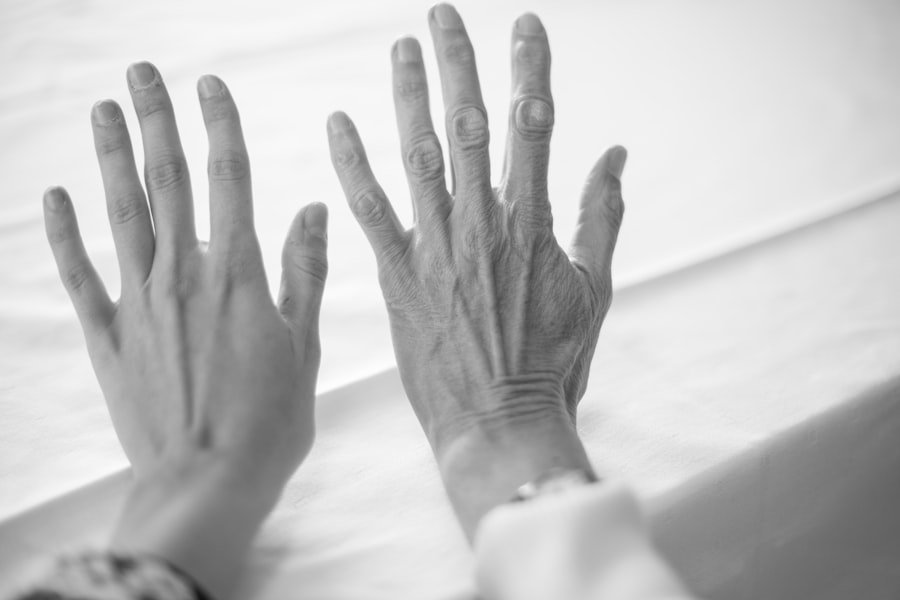
Perhaps seemingly less dramatic than a chronic disease, the impact of a sedentary lifestyle and prolonged periods of inactivity on your joints can be surprisingly significant, especially when it comes to that dreaded morning stiffness. Modern life often encourages sitting for extended periods, and this lack of movement has direct consequences for your musculoskeletal system.
The “Use It or Lose It” Principle
Your joints, muscles, and connective tissues are designed to be used. Regular movement helps to lubricate your joints with synovial fluid, keep your muscles strong enough to support and stabilize them, and maintain the flexibility of your ligaments and tendons. When you’re inactive for too long—whether it’s a demanding desk job, a long commute, or simply spending evenings on the sofa—these beneficial processes slow down.
Sleeping Positions and Joint Imbalance
During sleep, you’re intentionally inactive. While rest is crucial, sleeping in the same position for hours can put sustained pressure on certain joints or leave others in a less-than-ideal, compressed state. For instance, sleeping with your knees drawn up tightly can lead to hip flexor stiffness. A shoulder that’s been compressed all night might feel particularly stiff come morning. Even the type of mattress you sleep on can influence joint alignment and pressure points.
The Cycle of Stiffness
This inactivity can create a bit of a vicious cycle. If your joints feel stiff after a period of inactivity, you might be less inclined to move them, which then perpetuates the stiffness. It’s like a car engine that hasn’t been run for a while; it might sputter and groan a bit before it smooths out. Your joints are similar. They need that initial gentle movement to get the synovial fluid flowing and the muscles firing again.
Recommendations for the Sedentary
The good news is that this cause is often highly responsive to lifestyle changes.
- Frequent Breaks: If you have a desk job, set a timer to remind yourself to get up and move every 30-60 minutes. A short walk, some gentle stretches, or even just standing up can make a difference.
- Regular Exercise: Incorporate regular physical activity into your routine. This doesn’t have to mean intense gym workouts. Activities like walking, swimming, cycling, or yoga are excellent for joint health.
- Mindful Sleeping: Pay attention to your sleeping posture. Try to sleep on your back or side with a pillow between your knees to maintain hip alignment. Avoid sleeping in positions that place excessive, prolonged stress on any one joint.
4. The Natural Progression: Age-Related Joint Changes
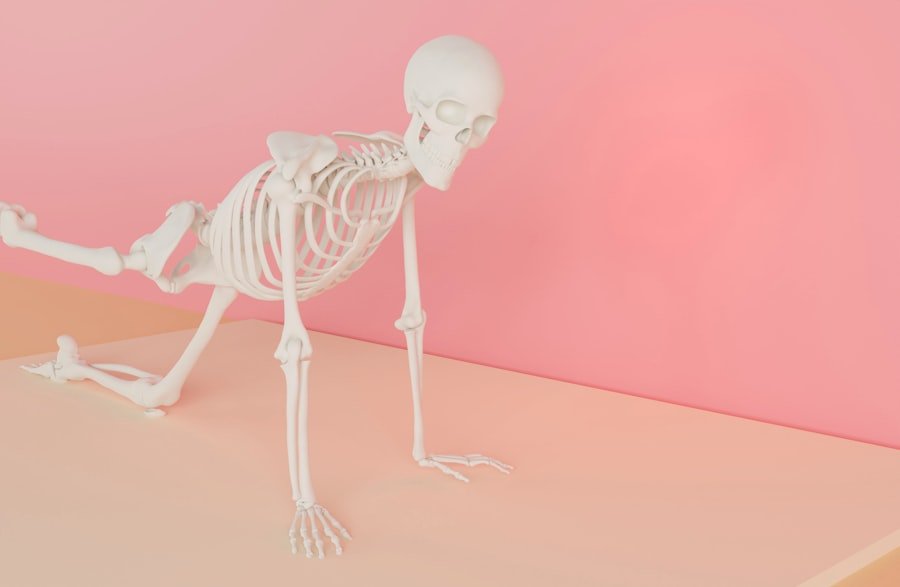
As the years go by, your body undergoes natural changes, and your joints are no exception. These age-related shifts can contribute to that morning stiffness you’re experiencing, often in conjunction with other factors. It’s a testament to the wear and tear your joints have endured over a lifetime of activity.
The Synovial Fluid Factor
Synovial fluid is the key lubricant for your joints. It’s produced by the synovium and acts to reduce friction between the bones and nourish the cartilage. As we age, the production and composition of synovial fluid can change. It might become less abundant or slightly less effective at its lubricating role. This means your joints have less of that smooth, slippery quality, making them feel a bit drier and stiffer, especially after being stationary for a while.
Cartilage Transformation
Cartilage, the smooth, resilient tissue that covers the ends of your bones in a joint, also changes with age. Over time, it can lose some of its water content, making it drier and less elastic. Think of it like an old rubber band that’s lost its flexibility and is prone to cracking. This reduced hydration and elasticity can contribute to a feeling of stiffness and reduced shock absorption. While this is a slower process than the acute inflammation seen in some arthritic conditions, it’s a persistent factor for many individuals as they get older.
Joint Structure and Function
The very structure of your joints can subtly shift over time. Ligaments and tendons, the tissues that connect bones to bones and muscles to bones, can become less flexible. This loss of elasticity means your joints might have a more limited range of motion, and this can be particularly noticeable first thing in the morning. The bones themselves can also undergo changes, and the overall biomechanics of the joint can be affected simply by the passage of years and the cumulative effects of gravity and movement.
The Synergy of Aging and Lifestyle
It’s important to remember that age-related changes rarely occur in isolation. They often interact with other factors. For example, someone who has lived a physically active life, perhaps with some impact sports or occupational demands, might experience more pronounced age-related joint changes and subsequent morning stiffness compared to someone who has maintained a more sedentary lifestyle. Conversely, someone with age-related changes who also has a sedentary lifestyle might find their stiffness is exacerbated by the lack of movement.
5. The Ripple Effect: Lifestyle Factors and Prior Injuries
| Common Causes of Stiff Joints Every Morning | Description |
|---|---|
| Arthritis | Joint inflammation that can cause stiffness and pain |
| Overuse or Injury | Previous injury or overuse of joints can lead to stiffness |
| Age-related Changes | Cartilage degeneration and reduced joint flexibility with age |
| Autoimmune Disorders | Conditions like lupus or rheumatoid arthritis can cause joint stiffness |
| Other Health Conditions | Conditions like fibromyalgia or hypothyroidism can contribute to joint stiffness |
Beyond the direct mechanical or inflammatory processes within the joints, a host of lifestyle choices and past events can contribute to your morning stiffness. These factors create a broader physiological environment that can make your joints more prone to feeling tight and sore after a night’s sleep.
The Weight of the World (and Your Body)
Obesity is a significant contributor to joint pain and stiffness. Excess body weight places increased stress on weight-bearing joints like the knees, hips, and ankles. This added pressure can accelerate the wear and tear on cartilage, making osteoarthritis more likely, and can also exacerbate existing inflammation. Even a few extra pounds can make a difference, so maintaining a healthy weight is crucial for joint health.
The Foundation of Your Frame: Posture and Muscle Strength
Poor posture, whether it’s slouching at your desk or standing with an uneven gait, can put joints out of alignment. This misalignment can lead to uneven wear and tear and compensatory strain on other parts of your body, ultimately resulting in stiffness. Similarly, weak muscles struggle to adequately support and stabilize your joints. When muscles are weak, joints are more vulnerable to strain and can feel less secure, leading to stiffness as they try to compensate during movement. Consider your core muscles, as well as the muscles surrounding your specific joint complaints.
Fueling Your Frame: Hydration and Nutrition
Dehydration is a surprisingly common culprit for stiffness. Your body, including your joints, needs water to function optimally. Synovial fluid, as we’ve discussed, is essential for lubrication. If you’re not drinking enough water, this fluid can become less effective. Likewise, poor nutrition can impact inflammation levels throughout your body. Diets high in processed foods and sugar can promote inflammation, which can worsen joint stiffness, while a diet rich in anti-inflammatory foods can help mitigate it.
The Sleep Factor: Beyond Just Rest
While sleep is meant for rest and repair, poor sleep quality can paradoxically contribute to stiffness. If you’re not getting deep, restorative sleep, your body’s natural healing processes may be compromised. Additionally, if you toss and turn a lot or sleep in awkward positions due to discomfort, you might wake up feeling more stiff.
The Lingering Memory of Injury
A past injury, even one that seemed to heal well, can leave lasting effects on a joint. Scar tissue formation, altered biomechanics, or subtle instability can make that joint more susceptible to stiffness and pain, particularly after periods of inactivity. Your body remembers, and sometimes, that memory manifests as morning stiffness. This is where listening to your body and seeking appropriate rehabilitation after an injury is so important.
Understanding these varied causes empowers you to take action. Whether it’s making small adjustments to your daily routine, seeking medical advice for suspected underlying conditions, or focusing on a healthier lifestyle, you hold the keys to unlocking a less stiff and more comfortable morning.
FAQs
1. What are the common causes of stiff joints in the morning?
Stiff joints in the morning can be caused by a variety of factors, including arthritis, lack of physical activity, aging, and inflammation.
2. How does arthritis contribute to stiff joints in the morning?
Arthritis, including osteoarthritis and rheumatoid arthritis, can cause morning stiffness due to inflammation in the joints. This inflammation can lead to pain and reduced mobility, especially after periods of inactivity.
3. Can lack of physical activity contribute to stiff joints in the morning?
Yes, lack of physical activity can lead to stiff joints in the morning. Regular exercise helps to maintain joint flexibility and strength, and without it, joints can become stiff and less mobile.
4. What role does aging play in causing stiff joints in the morning?
As we age, the cartilage in our joints may wear down, leading to stiffness and reduced flexibility. Additionally, aging can also contribute to conditions such as osteoarthritis, which can cause morning stiffness.
5. How can inflammation contribute to stiff joints in the morning?
Inflammation in the joints, whether due to arthritis or other conditions, can lead to stiffness and reduced mobility, especially after periods of inactivity such as sleeping. Managing inflammation through medication, lifestyle changes, and proper joint care can help reduce morning stiffness.