
Let’s dive into the nuanced world of how our bodies change as we age, and more importantly, how to distinguish between the everyday stiffness that comes with time and the distinct signals of arthritis. As your go-to Listicle Content Architect, I’m here to guide you through this important distinction, ensuring you have the knowledge to understand your body better. It’s quite common for people to experience some joint discomfort as they get older, leading to questions about what’s normal and what might be a sign of something more. This listicle is designed to illuminate that path, providing clear insights based on the latest information.
It’s a universal truth: we all age. And as we do, our bodies undergo a series of predictable, yet sometimes confusing, changes. Your joints are no exception. Think of them as well-worn hinges on a door that’s been opened and closed countless times over the years. Some degree of wear and tear is to be expected. This isn’t necessarily pathological; it’s simply the body’s natural progression. The key here is to recognize that these changes don’t automatically equate to a diagnosis of arthritis. Many older adults experience these age-related alterations without the significant pain or functional limitations that characterize arthritic conditions. This section will explore these common, non-arthritic joint changes, helping you establish a baseline understanding of what to expect as you get older.
a. The Gradual Slowdown: Reduced Flexibility and Range of Motion
As the years pass, you might notice that your limbs don’t bend quite as easily as they used to. This is a common aspect of aging. The cartilage that cushions your joints, made up of proteins like collagen and proteoglycans, can become less pliable and more brittle. Synovial fluid, the lubricant that helps your joints move smoothly, can also decrease in volume or change in composition. This combination can lead to a general feeling of stiffness, particularly after periods of rest. You might find it takes a little longer to “warm up” your joints in the morning, or that certain movements feel more restricted. This is distinct from the sharp, persistent pain or significant loss of mobility often seen in arthritis. It’s more of a subtle, gradual reduction in how easily your joints can move through their full spectrum of motion.
b. The “Wear and Tear” Phenomenon: Radiographic Changes Without Symptoms
It’s a fascinating paradox that modern medicine has identified: older adults can have evidence of joint “wear and tear” on X-rays or other imaging tests, but experience absolutely no pain or discomfort from those joints. This is a critical distinction. Radiographic changes, often described as osteoarthritis, can be present in a significant proportion of individuals over a certain age, especially in weight-bearing joints like the knees and hips. However, the presence of these changes on an image does not automatically translate to a symptomatic condition. This means you might have some minor joint degeneration you can’t see or feel, and it carries no clinical significance. The body often has remarkable compensatory mechanisms, and these radiographic findings may simply represent adaptations to normal aging rather than an active disease process causing pain.
c. Occasional Aches and Pains: The Difference in Persistence and Severity
While it’s true that aging can contribute to occasional joint aches, the nature of these aches is usually different from arthritic pain. Age-related aches might be more fleeting, perhaps associated with a specific activity, or a generally milder discomfort that doesn’t significantly interfere with daily life. They tend to respond well to rest, gentle movement, or over-the-counter pain relievers. Arthritis, on the other hand, is often characterized by more persistent, deep, and sometimes inflammatory pain that doesn’t easily subside. The intensity can be significantly higher and may even wake you up at night. This difference in persistence and severity is a crucial clue in differentiating between normal aging and a developing arthritic condition.
2. Unmasking the Signals: Recognizing the Hallmarks of Arthritis
Now, let’s shift our focus to the specific signs and symptoms that point more definitively towards arthritis. While aging can cause mild stiffness, arthritis introduces a new set of players into the joint symphony – players that often bring more discomfort and inflammation. This section will delve into the classic symptoms that are more characteristic of arthritic conditions, helping you understand what to look out for. It’s important to remember that these symptoms are not just about feeling a bit stiff; they often involve a more profound and noticeable change in how your joints function and feel.
a. The Unmistakable Ache: Joint Pain as a Primary Indicator
Pain is frequently the most prominent and distressing symptom of arthritis. Unlike the mild discomfort that might accompany normal aging, arthritic pain is often more significant, lasting longer, and can interfere with your ability to perform everyday activities. This pain can manifest in various ways, but its presence and persistence are key. It often stems from the inflammation of the joint lining (synovium) or the breakdown of cartilage, leading to bones rubbing against each other. The intensity can range from a dull ache to a sharp, stabbing sensation, and it may be localized to one or more joints. This is a primary differentiator: significant, persistent joint pain is a strong red flag for arthritis.
b. The Swollen Joint: A Sign of Inflammation
One of the tell-tale signs of inflammation, a cornerstone of many types of arthritis, is swelling. When a joint becomes inflamed, the tissues within and around it can accumulate excess fluid. This leads to a noticeable puffiness or enlargement of the affected joint. You might observe that the skin around the joint looks stretched, or that the joint feels literally “bigger” than its counterpart on the other side of your body. This swelling is often accompanied by warmth, which further indicates an inflammatory process underway. While aging can sometimes lead to minor fluid retention in the extremities, significant, localized joint swelling is far more indicative of an inflammatory arthritic condition.
c. Hot to the Touch: Joint Warmth as an Inflammatory Marker
Closely linked to swelling is the sensation of warmth radiating from an affected joint. This warmth is a direct result of increased blood flow to the area, which is the body’s natural response to inflammation. When you touch an arthritic joint that is actively inflamed, it will often feel noticeably warmer than the surrounding skin or the corresponding joint on the other limb. This warmth is a physical manifestation of the inflammatory cascade occurring within the joint. While you might feel a general body warmth when you have a fever, localized joint warmth is usually a more specific indicator of an issue within that particular joint, commonly seen in inflammatory arthritis.
d. Tender to the Touch: The Pain Upon Palpation
In addition to experiencing pain during movement, arthritic joints are often tender when pressed or palpated. This means that even light touch or gentle pressure on the joint can elicit pain. This tenderness arises from the inflammation and irritation of the sensitive tissues within and around the joint, including the synovium, ligaments, and surrounding muscles. The area may also feel sore or achy to the touch. This increased sensitivity is a hallmark of a condition that is actively affecting the joint tissues, distinguishing it from the more general stiffness or occasional aches that might be associated with normal aging.
3. Osteoarthritis vs. Normal Aging: A Closer Look at Wear and Tear

Osteoarthritis (OA) is the most common form of arthritis and is often what people refer to when they talk about “wear and tear” arthritis. While some degree of cartilage wear is a normal part of aging, OA involves a more significant breakdown of this protective tissue, leading to pain and stiffness. This section will delve into the specific characteristics of osteoarthritis and how they differ from the more generalized changes seen in normal aging. Understanding these nuances can help you better identify if your joint symptoms might be leaning towards OA.
a. The Gradual Onset: Pain That Creeps In
For osteoarthritis, the onset of pain is typically gradual. It doesn’t usually appear suddenly but rather develops over months or even years. You might first notice it as a mild ache after a strenuous activity, or a slight discomfort when getting up from a chair. Over time, this pain can become more frequent and more intense. This gradual progression is in contrast to some other forms of arthritis that can have a more acute or rapid onset of symptoms. The slow build-up of pain in OA is often linked to the progressive nature of cartilage degeneration.
b. The Movement-Pain Connection: Worsening with Activity, Improving with Rest (Sometimes)
A hallmark of osteoarthritis is that the pain often worsens with activity and may improve with rest. When you use an osteoarthritic joint, the damaged cartilage and underlying bone can be more irritated, leading to increased pain. Think of it like walking on a slightly uneven surface – the more pressure and movement, the more you might feel the irregularity. However, it’s important to note that this isn’t always straightforward. After prolonged inactivity, you might also experience pain as the joint stiffens up. So, while movement often exacerbates OA pain, a period of stillness can also lead to discomfort and stiffness.
c. Post-Inactivity Pain: The “Stiffness Trap”
Another key characteristic of osteoarthritis is the pain and stiffness that can occur after a period of inactivity. This is often described as morning stiffness, but it can also happen after sitting for a long time. When your joints are inactive, the synovial fluid can become more viscous, and the surrounding tissues can tighten, leading to a feeling of stiffness and pain upon attempting to move. This stiffness typically eases with movement, but the initial discomfort can be significant. This “stiffness trap” is a common experience for those with OA, highlighting the interplay between activity and rest in symptom management.
d. Audible Clues: Cracking and Grating Sensations
Osteoarthritis can sometimes be accompanied by audible sensations within the joint. You might hear or feel a cracking, popping, or grating sound (crepitus) when you move the affected joint. This phenomenon often occurs because the rough, damaged surfaces of the cartilage are rubbing against each other, or because small bone spurs (osteophytes) are developing. These sounds and sensations are usually painless in mild cases but can become more noticeable and sometimes associated with pain as the OA progresses. They are distinct from the occasional, harmless clicking or popping that some people experience in healthy joints.
4. The Critical Distinctions: When Aging Changes Don’t Quite Match Arthritis
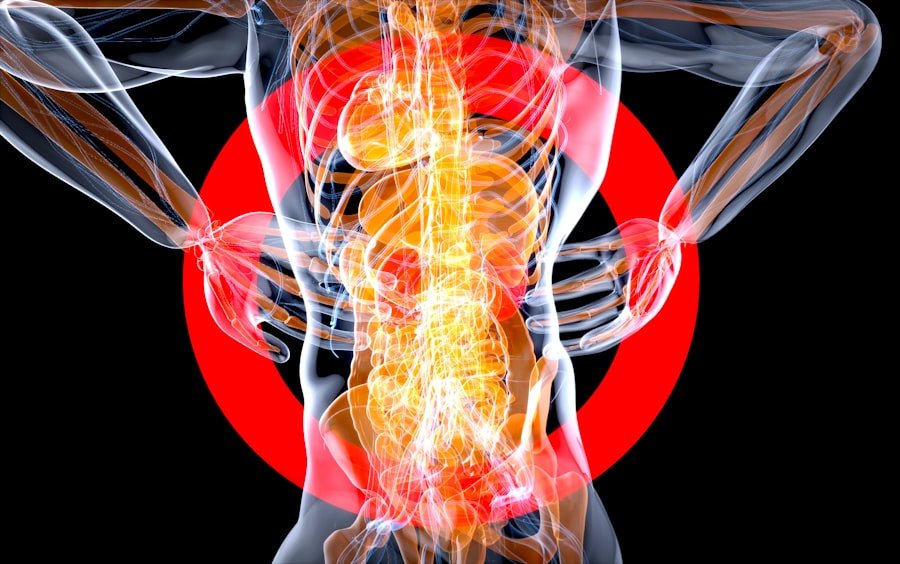
This section is dedicated to highlighting the crucial differences in how aging-related joint changes and arthritis manifest. It’s where we solidify the understanding that the presence of one does not automatically imply the other. We’ll revisit the concept of radiographic findings versus symptomatic pain and emphasize that the body’s response to aging and disease can be complex and not always follow a simple, predictable pattern. Understanding these discrepancies is key to accurate self-assessment and seeking appropriate medical advice.
a. Radiographs Without Pain: The Asymptomatic “Wear and Tear”
As we’ve touched upon, a significant radiographic finding of “wear and tear” in older adults does not always equate to pain. This means that your X-rays might show some changes consistent with osteoarthritis, but you might genuinely feel no discomfort or limitation in that joint. This is a fundamental difference from symptomatic arthritis, where the radiographic changes are typically accompanied by pain, swelling, and functional impairment. The body is remarkably adept at compensating, and mild degenerative changes can often be managed without causing significant distress. This disconnect between imaging and symptoms is a vital point for clinicians and patients alike.
b. Pain Without Obvious X-ray Damage: The Mystery of Early Arthritis
Conversely, it’s also possible to experience joint pain that doesn’t show clear signs of damage on a standard X-ray. This can occur in the early stages of certain types of arthritis, particularly inflammatory conditions like rheumatoid arthritis, where the damage might be to the soft tissues (like the synovium) before it’s visible on bone-focused X-rays. It can also be the case in early osteoarthritis where significant cartilage loss hasn’t yet occurred. This scenario highlights why relying solely on X-rays isn’t always sufficient for diagnosis, and a thorough clinical evaluation is essential when persistent joint pain is present.
c. The Body’s Adaptability: Compensating for Minor Joint Irregularities
Our bodies have an incredible ability to adapt. When there are minor irregularities or changes in our joints due to aging, the surrounding muscles, ligaments, and other tissues often work harder to compensate. This can help maintain normal function and prevent pain. Think of it like a well-oiled machine that can still run smoothly even with a small, barely noticeable imperfection. This adaptability is a key reason why older adults can have what looks like “wear and tear” on imaging but report no pain. Arthritis, however, often overwhelms these compensatory mechanisms, leading to noticeable symptoms.
5. When to Seek Medical Advice: Recognizing the Red Flags of Arthritis
| Characteristic | Normal Aging | Arthritis Symptoms |
|---|---|---|
| Pain | Occasional aches and pains | Chronic joint pain |
| Stiffness | Minor stiffness after inactivity | Persistent stiffness, especially in the morning |
| Swelling | Minimal or no swelling | Swelling in the joints |
| Range of motion | Normal range of motion | Reduced range of motion |
| Joint deformity | No joint deformity | Possible joint deformity |
Ultimately, the line between what’s normal aging and what’s potentially arthritis can be blurry, especially in the early stages. Recent expert guidance emphasizes that self-diagnosis can be challenging. Therefore, this final section focuses on the critical red flags that should prompt you to consult a healthcare professional. Don’t let confusion about your symptoms lead to delayed treatment if it’s needed. Your doctor is your best resource for a proper diagnosis and management plan.
a. Multiple Painful Joints: A Broader Signal
While occasional pain in one or two joints might be attributed to localized strain or normal aging, experiencing pain in multiple joints simultaneously is often a stronger indicator of a systemic condition like arthritis. This widespread discomfort can signal an inflammatory process that isn’t confined to a single area. It suggests a more generalized issue within the body that is affecting several joints. If you find yourself experiencing pain in your knees, hips, and hands, for instance, it’s a good idea to get this evaluated.
b. Prolonged Morning Stiffness: More Than Just a Few Minutes
We’ve mentioned morning stiffness in relation to osteoarthritis, but the duration and intensity are key. If your morning stiffness lasts for more than 30 minutes, or if it’s so severe that it significantly hinders your ability to start your day, it’s a sign that goes beyond typical age-related stiffness. The body usually needs to “warm up” a bit in the morning, but persistent, prolonged stiffness that takes a long time to resolve is a red flag that warrants medical attention. This suggests a more significant inflammatory or degenerative process is at play.
c. Persistent Swelling and Warmth: Signs of Active Inflammation
If you notice joints that are consistently swollen and feel warm to the touch, even after periods of rest, this is a strong indicator of ongoing inflammation, a hallmark of many arthritic conditions. While occasional minor swelling might occur due to minor injuries or fluid shifts, persistent, noticeable swelling and warmth in a joint, especially when accompanied by pain and tenderness, should not be ignored. These are often signs that your immune system is actively targeting the joint lining, a process seen in inflammatory arthritis.
d. Difficulty with Daily Activities: When Pain Impacts Your Life
Perhaps the most telling sign that your joint issues are more than just normal aging is when they begin to significantly interfere with your ability to perform everyday activities. This could include difficulty walking, climbing stairs, gripping objects, dressing yourself, or participating in hobbies you once enjoyed. If your joint pain is limiting your independence or reducing your quality of life, it is a clear signal that you need to seek professional medical evaluation. A doctor can help determine the cause of your limitations and develop a treatment plan to improve your function and well-being.
Remember, understanding your body is a continuous journey. By paying attention to these distinctions between normal aging and potential arthritis symptoms, you are empowering yourself to have more informed conversations with your healthcare providers and to take proactive steps towards maintaining your joint health and overall well-being.
FAQs
What are the normal aging symptoms?
Normal aging symptoms include mild joint stiffness, occasional aches and pains, and decreased flexibility. These symptoms are typically manageable and do not significantly impact daily activities.
What are the symptoms of arthritis?
Arthritis symptoms include persistent joint pain, swelling, stiffness, and decreased range of motion. These symptoms can worsen over time and may significantly impact daily activities.
How can normal aging be distinguished from arthritis symptoms?
Normal aging symptoms are generally mild and manageable, while arthritis symptoms are persistent and can worsen over time. If you are experiencing persistent joint pain, swelling, or stiffness, it is important to consult a healthcare professional for an accurate diagnosis.
What are the risk factors for arthritis?
Risk factors for arthritis include age, family history, previous joint injuries, obesity, and certain occupations that involve repetitive joint movements. It is important to be aware of these risk factors and take preventive measures to maintain joint health.
What are some lifestyle changes that can help manage arthritis symptoms?
Lifestyle changes that can help manage arthritis symptoms include regular exercise, maintaining a healthy weight, using assistive devices, and seeking physical therapy. Additionally, a balanced diet rich in anti-inflammatory foods can also help alleviate arthritis symptoms.