
Here you are, embarking on the quest to conquer your eczema. As the Listicle Content Architect, I’m here to guide you through the often-unseen adversaries lurking within your everyday life. You’ve been battling this skin condition, right? You’ve probably tried countless creams and treatments, some offering temporary relief, others seemingly doing nothing. But have you ever stopped to consider that the very things you do every single day, the habits you’ve probably never questioned, might be the culprits behind those persistent rashes and that incessant itch? It’s time to pull back the curtain and expose the most common eczema triggers hiding in plain sight – right there in your daily routine. Let’s dive in, shall we?
You’d think that to get clean, you’d use cleaning products, right? Well, for those of us with eczema, this is where the trouble often begins. Your daily cleansing rituals, from washing your hands to doing the laundry, are prime suspects for exacerbating your skin’s sensitivity. These products, designed to strip away dirt and grime, can also strip away your skin’s natural protective barrier, leaving it vulnerable and prone to inflammation.
Handwashing Woes
You wash your hands multiple times a day – after using the restroom, before preparing food, after touching public surfaces. It’s a necessary part of hygiene, but the soaps you use can be a major trigger. Many hand soaps, especially those labeled “antibacterial” or possessing strong lathering agents, contain sulfates (like SLS or SLES) and harsh surfactants that can be incredibly drying. These ingredients can strip your skin of its essential oils, leading to dryness, cracking, and the inevitable itch. Even those seemingly gentle, neutral pH soaps can still contain fragrances or preservatives that irritate your delicate skin. Think about it: after each wash, your hands feel tight and dry, don’t they? That’s your skin signaling distress.
Dishwashing Disasters
The act of washing dishes is another culprit. The dish soap you use, even if it smells pleasant and cuts through grease effectively, is a concentrated form of detergent. When your hands are submerged in hot, soapy water for extended periods, they are exposed to these harsh chemicals. This prolonged contact can lead to significant dryness and irritation, often manifesting as red, itchy patches on your fingertips and the backs of your hands. You might also notice that your skin feels raw or even develops small cuts after a thorough dishwashing session.
Laundry’s Lingering Presence
Your laundry detergent and fabric softener are silent saboteurs. These products are designed to leave clothes smelling fresh and feeling soft, but they often contain a cocktail of chemicals, including fragrances, dyes, and optical brighteners, that can cling to your clothing and bedding. When these fabrics come into contact with your skin, they can act as a constant irritant throughout the day and night. Even after rinsing, residual detergent can remain, and if you’re using scented softeners, you’re essentially wrapping yourself in a cloud of potential allergens. Have you ever felt itchy right after putting on a freshly laundered shirt, even if it’s a material you normally tolerate? That could be the detergent at play.
Personal Cleansing Products: A Double-Edged Sword
Your shampoo, conditioner, body wash, and even your bubble bath can all be triggers. Many of these products are heavily fragranced and contain sulfates to create that luxurious lather. While they make you feel clean and smell wonderful, these ingredients can exacerbate eczema on your scalp, face, chest, and anywhere else the suds rinse over. The problem is compounded when these products rinse down your body, leaving a trail of potential irritants. Even if you choose “hypoallergenic” options, carefully read the ingredient list; you might be surprised at what’s still lurking.
2. The Scented Siren Song: Fragrances and Perfumed Products
Ah, fragrance. It’s meant to be a pleasant addition to our lives, a way to express personal style or create a relaxing ambiance. For those with eczema, however, the “scented” label is often a red flag. Fragrances are complex mixtures of chemicals, many of which are known allergens and irritants. They are a leading cause of contact dermatitis and can easily trigger or worsen eczema flares. This isn’t just about the perfume you spray on; it’s about the hidden scents all around you.
The Unseen Scents in Personal Care
You might be meticulously choosing “fragrance-free” toothpaste, but what about your lotion, body spray, deodorant, or even your hairspray? Many of these products are loaded with synthetic or natural fragrances that aren’t always clearly disclosed. “Unscented” doesn’t necessarily mean fragrance-free, as masking agents can be used to cover up chemical odors. Applying these scented products directly to your skin, especially after a shower when your skin barrier is compromised, is a direct invitation for irritation. You might feel a tingle or immediate redness that you dismiss as “normal,” but it’s a warning sign.
Home Fragrance Havoc
Your living space might be inadvertently contributing to your skin’s misery. Those delightful air fresheners, scented candles, and plug-in diffusers, while designed to make your home smell inviting, release volatile organic compounds (VOCs) and fragrance chemicals into the air. These airborne irritants can settle on your skin and clothing, or be inhaled, potentially triggering both respiratory and dermal reactions. Even if you don’t directly apply them to your skin, prolonged exposure in your home environment can be enough to set off an eczema flare. Imagine coming home to the scent of “ocean breeze” only to find your skin starting to itch hours later.
Laundry’s Aromatic Additives
We touched on detergents earlier, but fabric softeners and dryer sheets are particularly notorious for their heavy fragrance content. The very purpose of these products is to impart scent onto your clothes. This perfumed residue then comes into direct contact with your skin all day long, acting as a constant source of irritation. If you’re experiencing unexplained itching during the day, consider if your freshly laundered clothes might be the culprit.
3. The Fabric Faux Pas: Clothing and Textiles
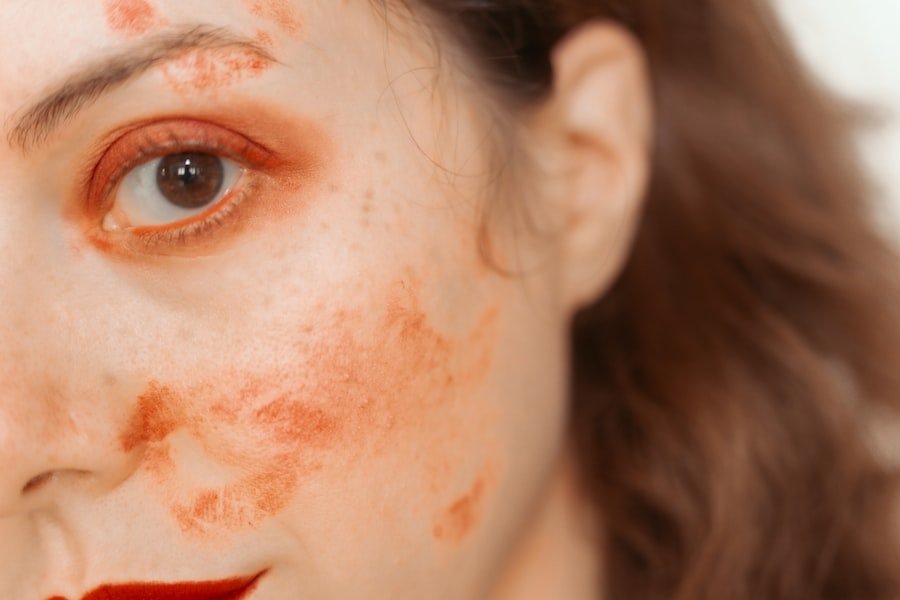
The clothes on your back and the linens on your bed are more than just functional. They’re a constant interaction with your skin. For eczema sufferers, the choice of fabric is crucial. Some materials are simply too abrasive, too synthetic, or too prone to trapping heat and moisture, all of which can be significant triggers for your sensitive skin. You might not even realize how much the texture and composition of your clothing are affecting you.
Rough Textures and Synthetic Sensations
Wool, especially coarser wools, is a classic trigger for many. Its stiff fibers can physically irritate and scratch the skin, leading to redness and itching. Similarly, synthetic fabrics like polyester, nylon, and acrylic can be problematic. These materials don’t breathe well, trapping heat and sweat against your skin, creating a damp environment ripe for irritation. They can also feel rough and abrasive, even if they appear smooth. If you find yourself constantly fidgeting with your clothes or scratching through your attire, the fabric itself might be the uninvited guest.
The Problem with Tightness and Seams
Beyond the fabric itself, the way your clothes fit and are constructed can also play a role. Tight-fitting clothing, especially in areas prone to eczema like the folds of your elbows or behind your knees, can cause friction and heat buildup. Seams, particularly rough or prominent ones, can create pressure points and rub against irritated skin, causing further discomfort and inflammation. Have you ever noticed a rash appearing precisely where a seam or a tight waistband sits?
Laundry’s Fabric Finish
As if the detergents weren’t enough, the finishing processes applied to fabrics can also be a problem. Wrinkle-resistant or permanent-press clothing, for instance, often involves chemical treatments that can be irritating to sensitive skin. Even the way a fabric is dyed or treated for colorfastness can introduce potential allergens. It’s not just about the raw material; it’s about how that material has been processed and prepared for you to wear.
4. Environmental Elements: Heat, Sweat, and Air Quality
Your external environment plays a significant role in managing your eczema. While you can’t control the weather, you can certainly become more aware of how shifts in temperature, humidity, and air quality impact your skin and learn to mitigate their effects. These are often unavoidable, but understanding their impact is the first step to managing them.
The Sweat Cycle
Sweat is a natural bodily function, but for someone with eczema, it can be a major irritant. The salt and other components in sweat can sting and burn inflamed skin. When you overheat, whether from physical activity, hot weather, or even wearing too many layers, you sweat more. This trapped moisture against your skin can lead to that maddening itch and can worsen existing rashes or even trigger new ones. This is why you might notice your eczema flares up during intense workouts or on particularly humid summer days. It’s not just the heat; it’s the combination of heat and the resulting perspiration.
Temperature Transitions
Sudden shifts in temperature can also be problematic. Going from a hot, humid outdoor environment into an air-conditioned interior, or vice versa, can shock your skin. Your body struggles to adapt, and this rapid change can trigger a histamine release, leading to a flare-up. Similarly, going from a cold, dry outdoor environment into a warm, steamy bathroom can also cause a reaction. It’s these rapid adjustments that can be the most disruptive.
The Air You Breathe
Smoke from cigarettes, wildfires, or even indoor fires is a potent irritant. It contains numerous chemicals that can aggravate sensitive respiratory systems and skin. Similarly, general air pollution in urban environments or industrial areas can contribute to skin inflammation. These airborne particles can land on your skin, causing micro-irritation and exacerbating eczema. If you live in an area prone to smog or wildfires, or if you’re exposed to secondhand smoke, this is a significant factor to consider. Even strong cleaning fumes can contribute to poor indoor air quality and trigger a reaction, blurring the lines between this category and the cleaning one.
5. The Sensory Overload: Stress, Allergens, and Metals
| Trigger | Description |
|---|---|
| Harsh Soaps and Detergents | Can strip the skin of its natural oils, leading to dryness and irritation. |
| Fragrances | Common in personal care products and can cause allergic reactions in some individuals. |
| Stress | Can weaken the immune system and trigger eczema flare-ups. |
| Sweat | Can irritate the skin and lead to itching and inflammation. |
| Weather Changes | Extreme temperatures and low humidity can worsen eczema symptoms. |
Beyond the physical irritants, there are a host of other factors that can disrupt your skin’s delicate balance. These often fall into the realm of biological reactions and psychological impacts, proving that eczema is a complex condition with multifaceted triggers. Your body’s internal state and its external sensory inputs are deeply intertwined with your skin’s health.
The Allergen Army
You might be unknowingly cohabitating with eczema’s microscopic nemeses. Dust mites, ubiquitous in carpets, bedding, and upholstery, are a common allergen that can trigger eczema. Pet dander from cats and dogs, even if you’re not consciously allergic, can also be an irritant. Mold spores, often found in damp environments like bathrooms or basements, are another significant trigger. And of course, pollen, especially during allergy season, can cause your skin to react. These allergens aren’t just inhaled; they can settle on your skin and clothing, creating a constant low-level exposure. Even if you meticulously clean, complete avoidance can be impossible.
The Stress-Eczema Connection
This one is often overlooked but is incredibly significant. Stress, in its many forms – whether it’s work pressure, relationship issues, or major life changes – can profoundly impact your immune system and consequently, your eczema. When you’re stressed, your body releases hormones like cortisol, which can promote inflammation. This inflammation can then manifest as a worsening of your eczema, creating a vicious cycle: eczema flares cause stress, and stress causes eczema flares. Learning stress management techniques is not just good for your mental health; it’s crucial for your skin’s well-being.
The Metal Menace
For some individuals, specific metals can be a potent contact allergen. Nickel is perhaps the most common culprit. You’ll find it in many everyday items: jewelry (earrings, necklaces, rings), watch casings, belt buckles, zippers on clothing, even the metal rims of spectacles. When these metals come into direct and prolonged contact with your skin, especially on sweaty areas like the wrists or under a waistband, they can trigger a localized eczema reaction. Other metals like cobalt and chromium can also be problematic for some. Have you noticed a rash appearing in the exact shape of your watchband or necklace? That’s a strong indicator of a metal allergy.
By understanding these common triggers hiding in your daily routine, you’re armed with knowledge. It’s not about eliminating everything enjoyable from your life, but about making conscious choices, seeking out better alternatives, and becoming an active participant in managing your skin’s health. You’ve got this.
FAQs
What are the most common eczema triggers in daily routines?
The most common eczema triggers in daily routines include harsh soaps and detergents, stress, sweat, allergens such as pet dander and pollen, and certain foods.
How can harsh soaps and detergents trigger eczema?
Harsh soaps and detergents can strip the skin of its natural oils, leading to dryness and irritation, which can trigger eczema flare-ups.
Why does stress trigger eczema?
Stress can weaken the immune system and increase inflammation in the body, which can exacerbate eczema symptoms.
What role does sweat play in triggering eczema?
Sweat can irritate the skin and lead to itching and inflammation, which can trigger eczema flare-ups, especially in individuals with sensitive skin.
How can I manage eczema triggers in my daily routine?
To manage eczema triggers in your daily routine, you can use gentle, fragrance-free soaps and detergents, practice stress-reducing activities such as yoga or meditation, avoid excessive sweating, and identify and avoid allergens that trigger your eczema.