
As the Listicle Content Architect (LCA), my mission is to demystify complex topics and make them accessible, actionable, and engaging. Today, you’re diving into the life-changing world of diabetes remission. Forget the doom and gloom often associated with this condition; remission is a tangible goal, a state of well-being where your body functions without the ever-present pressure of high blood sugar. It’s about reclaiming your health, and this listicle will guide you through the essential steps and considerations.
This journey isn’t about a magic pill or a fleeting fad. It’s about understanding the science, embracing sustainable lifestyle changes, and working collaboratively with your healthcare team. You’ve made the decision to explore diabetes remission, and that’s the most crucial first step. Now, let’s equip you with the knowledge and strategies to make it a reality.
Before you can achieve it, you need to grasp the definition. Diabetes remission isn’t a cure; it’s a significant achievement where your blood glucose levels return to a non-diabetic range without the ongoing use of diabetes medications. This means your pancreas is once again producing and responding to insulin effectively enough to manage your blood sugar naturally. It’s vital to differentiate between remission and a cure, as remission implies that the condition can potentially return if lifestyle changes aren’t maintained.
The Different Types of Diabetes and Remission Pathways
Not all diabetes is created equal, and the path to remission can vary depending on the type of diabetes you have.
Type 1 Diabetes Remission: A More Complex Landscape
You might be surprised to learn that Type 1 diabetes remission is possible, though it’s a more challenging and less common outcome than with Type 2. In Type 1 diabetes, your immune system mistakenly attacks and destroys the insulin-producing beta cells in your pancreas. Remission in this context often refers to a “honeymoon period” where the remaining beta cells produce enough insulin for a period, either spontaneously or after significant intervention.
The Honeymoon Period: A Temporary Respite
This period, often occurring after initial diagnosis and treatment, can last for weeks, months, or even years. During this time, your insulin requirements may decrease, and your blood sugar control might improve dramatically. However, it’s crucial to remember that this is a temporary remission, as the autoimmune destruction of beta cells continues.
Interventions for Type 1 Remission: Emerging Science
While Type 1 diabetes remission isn’t typically achieved through lifestyle changes alone, research is constantly evolving. Promising areas of study include:
- Immunotherapy: Treatments aimed at calming the autoimmune response and preserving remaining beta cells.
- Beta Cell Transplantation: Though still largely experimental, this involves replacing damaged beta cells.
- Regenerative Medicine: Efforts to stimulate the regeneration of beta cells.
It’s essential to have in-depth discussions with your endocrinologist if you have Type 1 diabetes and are interested in exploring potential remission pathways.
Type 2 Diabetes Remission: The Most Achievable Goal
For individuals with Type 2 diabetes, remission is a much more attainable goal. Type 2 diabetes is characterized by insulin resistance (your body’s cells don’t respond effectively to insulin) and, over time, a decline in the pancreas’s ability to produce sufficient insulin. Remission here typically involves reversing insulin resistance and restoring some of the pancreas’s insulin-producing capacity.
Defining Remission Criteria: The Numbers That Matter
Healthcare professionals generally use specific criteria to define diabetes remission. These often include:
- HbA1c Levels: An HbA1c below 6.5% (or sometimes even lower, like below 6.0%) for a sustained period (usually at least three months).
- Absence of Diabetes Medications: Not requiring any glucose-lowering medications (oral or injectable, including insulin) for a defined period.
- Duration of Remission: Maintaining these criteria for at least six months to a year is often considered long-term remission.
Gestational Diabetes and Remission: Long-Term Implications
Gestational diabetes develops during pregnancy and typically resolves after childbirth. However, women who have had gestational diabetes have a significantly increased risk of developing Type 2 diabetes later in life. Achieving remission goals after pregnancy can help mitigate this future risk.
The Crucial Role of Weight Loss in Type 2 Diabetes Remission
If you have Type 2 diabetes, understand this: your weight is a significant factor, and significant weight loss is often the cornerstone of achieving remission. This isn’t about achieving a specific number on the scale but about reducing the amount of fat tissue, particularly visceral fat (fat around your organs), which plays a major role in insulin resistance.
Why Excess Weight Throws Your Insulin System Off Balance
Excess body fat, especially in the abdominal area, releases inflammatory substances and hormones that interfere with insulin signaling. This leads to insulin resistance, where your cells become less responsive to insulin’s “key” that unlocks them to absorb glucose. Your pancreas then has to work overtime to produce more insulin, which it can only do for so long before its capacity wanes.
The Impact of Different Weight Loss Strategies on Remission
Not all weight loss journeys are created equal. The effectiveness of different strategies for diabetes remission can vary.
Very Low-Calorie Diets (VLCDs): A Powerful, Short-Term Approach
VLCDs, typically involving around 800-1000 calories per day, are often used in clinical trials and under strict medical supervision for diabetes remission. These diets can lead to rapid and substantial weight loss, which can significantly improve insulin sensitivity and beta-cell function.
- Mechanism of Action: The drastic calorie restriction forces the body to tap into its fat reserves, reducing fat accumulation in the liver and pancreas, thereby improving insulin sensitivity and function.
- Considerations and Cautions: VLCDs are not for everyone and require careful medical monitoring due to the risk of nutrient deficiencies, gallstones, and other side effects. They are usually followed by a structured reintroduction of food and long-term lifestyle changes.
Low-Carbohydrate and Ketogenic Diets: Shifting Your Metabolism
These popular dietary approaches focus on significantly reducing carbohydrate intake, leading to lower blood glucose levels and potentially inducing ketosis (where your body burns fat for energy).
- How They Work: By limiting carbs, you reduce the primary nutrient that raises blood sugar. This can lead to lower insulin levels and improved insulin sensitivity. Ketogenic diets, in particular, can aid in fat loss.
- Sustainability and Nutritional Adequacy: While effective for some, these diets can be challenging to maintain long-term and require careful planning to ensure nutritional adequacy. It’s crucial to discuss these options with a registered dietitian.
Balanced Calorie Deficit Diets: The Sustainable Powerhouse
For many, a sustained, moderate calorie deficit achieved through a balanced diet is the most sustainable path to remission. This involves making gradual, consistent changes to your eating habits and increasing your physical activity.
- Focus on Whole Foods: Prioritizing fruits, vegetables, lean proteins, and whole grains provides essential nutrients and promotes satiety.
- Portion Control and Mindful Eating: Learning to recognize and manage portion sizes, and paying attention to hunger and fullness cues, are key.
- Gradual and Lasting Change: This approach emphasizes creating healthy habits that can be maintained for a lifetime, which is essential for long-term remission.
Embracing Lifestyle Changes for Diabetes Remission
While weight loss is pivotal, it’s just one piece of the puzzle. A holistic approach that integrates diet, exercise, and other healthy habits is essential for achieving and maintaining diabetes remission.
The Cornerstone: Nutrition for Blood Sugar Control and Weight Management
Your plate is your primary tool in this journey. What you eat directly impacts your blood glucose levels and your ability to lose weight.
Strategic Macronutrient Balancing: Fueling Your Body in the Right Way
It’s not about deprivation; it’s about intelligent choices.
The Power of Fiber: Your Gut’s Best Friend and Blood Sugar Regulator
Dietary fiber, found in fruits, vegetables, legumes, and whole grains, plays a crucial role in diabetes management.
- Slows Sugar Absorption: Fiber helps to slow down the absorption of sugar into your bloodstream, preventing sharp spikes after meals.
- Promotes Satiety: It helps you feel fuller for longer, aiding in appetite control and weight management.
- Gut Health: A healthy gut microbiome, influenced by fiber intake, is increasingly linked to improved metabolic health.
The Role of Healthy Fats: More Than Just Flavor
Don’t fear fats! The right kinds of fats are essential for overall health and can support your remission goals.
- Unsaturated Fats: Found in avocados, nuts, seeds, and olive oil, these fats can improve cholesterol levels and reduce inflammation.
- Omega-3 Fatty Acids: Abundant in fatty fish like salmon and mackerel, these have anti-inflammatory properties.
- Limiting Saturated and Trans Fats: These are found in processed foods, fried items, and fatty meats, and can negatively impact insulin sensitivity and cardiovascular health.
The Nuance of Protein: Building Blocks for Success
Adequate protein intake is vital for satiety, muscle maintenance, and metabolic flexibility.
- Lean Protein Sources: Opt for chicken breast, turkey, fish, beans, lentils, and tofu.
- Muscle Mass and Metabolism: Maintaining muscle mass is crucial as muscle tissue is more metabolically active than fat tissue, contributing to a higher resting metabolic rate.
Navigating Carbohydrate Choices: Smart Swaps for Better Outcomes
It’s not about eliminating carbs entirely for most people with Type 2 diabetes, but about making informed choices.
Prioritizing Complex Carbohydrates: The Slow and Steady Release
Complex carbohydrates, found in whole grains, vegetables, and legumes, are digested more slowly, leading to a more gradual rise in blood sugar.
- Whole Grains: Quinoa, brown rice, oats, and whole wheat bread are excellent choices. Look for “100% whole grain” on labels.
- Starchy Vegetables: Sweet potatoes, yams, and corn, when consumed in moderation and as part of a balanced meal, can provide valuable nutrients.
Understanding Glycemic Index (GI) and Glycemic Load (GL): Tools for Smarter Eating
These metrics help you understand how quickly certain carbohydrate-containing foods raise blood sugar.
- Glycemic Index (GI): Ranks foods based on how much they raise blood glucose levels compared to pure glucose. Low GI foods are digested more slowly.
- Glycemic Load (GL): Takes into account both the GI of a food and the amount of carbohydrates in a typical serving. It provides a more comprehensive picture of a food’s impact on blood sugar.
- Practical Application: Aim for meals with lower GL to minimize blood sugar fluctuations.
Portion Control for All Food Groups: Even Healthy Foods Need Moderation
Consistency in portion sizes is key, even with nutrient-dense foods.
- Visual Cues: Learn to estimate portion sizes using common objects (e.g., a serving of meat the size of a deck of cards, a serving of pasta the size of a baseball).
- Mindful Eating Practices: Pay attention to your body’s hunger and fullness signals. Eat slowly and savor your food.
The Indispensable Partner: Exercise for Insulin Sensitivity and Fat Loss
Regular physical activity is your secret weapon in the fight for diabetes remission. It directly improves insulin sensitivity and is critical for shedding those extra pounds.
Cardiovascular Exercise: Boosting Your Metabolism and Burning Calories
Aerobic activities are your go-to for improving heart health and burning fat.
Finding Your Aerobic Sweet Spot: Consistency Over Intensity (Initially)
The most important aspect is to be consistent. Start with what you can manage and gradually increase duration and intensity.
- Examples: Brisk walking, jogging, cycling, swimming, dancing, and aerobic classes.
- Recommended Guidelines: Aim for at least 150 minutes of moderate-intensity aerobic activity or 75 minutes of vigorous-intensity activity per week, spread throughout the week.
The Benefits of High-Intensity Interval Training (HIIT): When You’re Ready to Amp It Up
Once you’ve built a solid fitness base, HIIT can offer significant benefits.
- What it is: Short bursts of intense exercise followed by brief recovery periods.
- Impact on Insulin Sensitivity: HIIT has been shown to be particularly effective in improving insulin sensitivity, sometimes even more so than sustained moderate-intensity exercise.
- Caution: HIIT is demanding. Ensure you have a good foundation of fitness and consult your doctor before starting.
Strength Training: Building Muscle for a Faster Metabolism
Don’t underestimate the power of lifting weights or using resistance bands.
Why Muscle Mass Matters for Remission
Muscle tissue is metabolically active, meaning it burns more calories at rest than fat tissue. Increasing your muscle mass can boost your overall metabolism, aiding in weight management and improving insulin sensitivity.
Simple Strength Training Routines You Can Do Anywhere
You don’t need a gym to build strength.
- Bodyweight Exercises: Squats, lunges, push-ups (on knees if needed), planks, and glute bridges are excellent starting points.
- Resistance Bands: These are portable, versatile, and can provide a challenging workout for all major muscle groups.
- Weight Machines or Free Weights: If accessible, these can offer more options for progressive overload.
- Frequency: Aim for at least two to three strength training sessions per week, targeting all major muscle groups.
The Synergy of Movement: Integrating Activity Throughout Your Day
Beyond structured workouts, look for opportunities to move more.
Reducing Sedentary Time: Breaking Up Long Periods of Sitting
Prolonged sitting is detrimental to metabolic health.
- Stand Up and Move: Set reminders to get up and walk around for a few minutes every 30-60 minutes.
- Active Meetings: If possible, suggest walking meetings or standing meetings.
- Active Commute: If feasible, walk or cycle part or all of your commute.
Incorporating Activity into Daily Tasks: Making Every Step Count
Small changes add up.
- Take the Stairs: Whenever possible, opt for the stairs instead of the elevator or escalator.
- Park Further Away: When running errands, park at the far end of the parking lot to get in extra steps.
- Active Chores: Gardening, cleaning, or even playing with children or pets can contribute to your daily activity levels.
The Mind-Body Connection: Stress Management and Sleep for Hormonal Harmony
Your mental and emotional well-being are intrinsically linked to your physical health, especially when aiming for diabetes remission. Stress and poor sleep can wreak havoc on your hormones and blood sugar control.
Stress Management Techniques: Finding Your Inner Calm
Chronic stress elevates cortisol levels, which can lead to increased blood sugar and encourage fat storage, particularly around the abdomen.
Mindfulness and Meditation: Training Your Brain for Peace
These practices teach you to focus on the present moment without judgment.
- Benefits: Reduced anxiety, improved emotional regulation, and a calmer nervous system.
- Getting Started: Numerous apps, online resources, and local classes can guide you. Even a few minutes a day can make a difference.
Deep Breathing Exercises: A Quick and Effective Reset
Simple yet powerful, deep breathing can activate your parasympathetic nervous system, promoting relaxation.
- Technique: Inhale deeply through your nose, filling your belly, and exhale slowly through your mouth.
- When to Use: During times of stress, before meals, or as a regular part of your routine.
Yoga and Tai Chi: Combining Movement with Mindfulness
These practices offer a gentle yet effective way to reduce stress and improve physical well-being.
The Crucial Role of Sleep: Recharging Your Body and Regulating Hormones
Adequate, quality sleep is essential for hormone balance, including the hormones that regulate appetite and insulin sensitivity.
Understanding Sleep’s Impact on Blood Sugar
Lack of sleep can:
- Increase Cortisol: Leading to higher blood sugar levels.
- Reduce Insulin Sensitivity: Making it harder for your cells to absorb glucose.
- Disrupt Ghrelin and Leptin: Hormones that regulate hunger and satiety, potentially leading to increased appetite and cravings for unhealthy foods.
Creating a Sleep Sanctuary: Optimizing Your Sleep Environment
Transform your bedroom into a haven for restful sleep.
- Darkness: Use blackout curtains to ensure your room is as dark as possible.
- Quiet: Minimize noise disturbances with earplugs or a white noise machine if needed.
- Cool Temperature: A slightly cooler room is generally conducive to better sleep.
- Comfortable Bedding: Invest in a comfortable mattress and pillows.
Establishing a Consistent Sleep Schedule: Training Your Internal Clock
Going to bed and waking up around the same time each day, even on weekends, helps regulate your body’s natural sleep-wake cycle.
The Importance of Medical Supervision and Support Systems
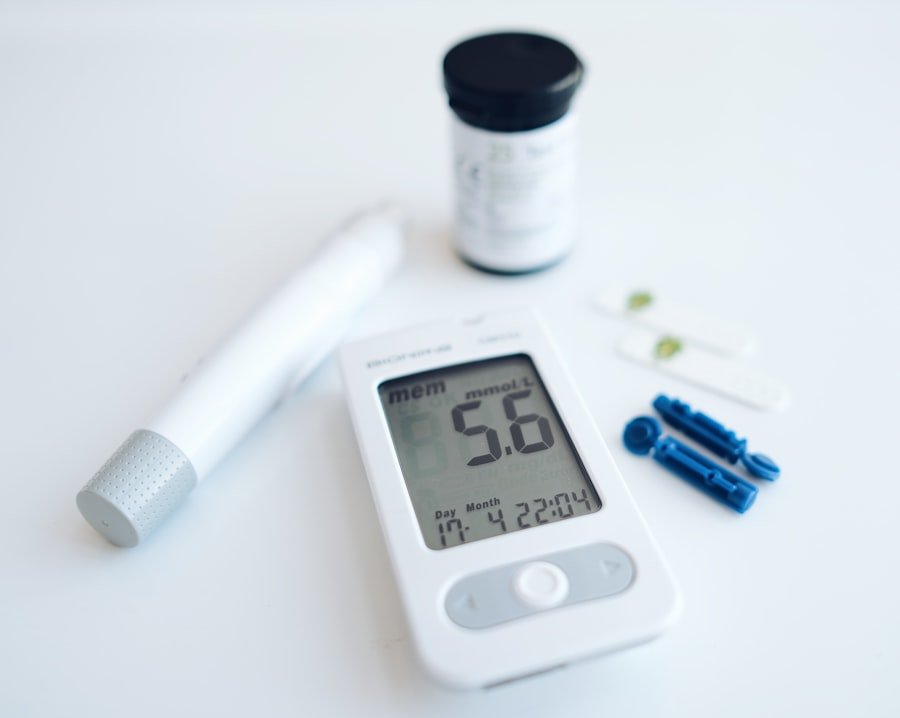
Your journey to diabetes remission is a collaborative effort. You are the captain of your ship, but you need a skilled crew and a supportive community.
Working Closely with Your Healthcare Team: Your Guiding Stars
Your doctor, endocrinologist, registered dietitian, and other healthcare professionals are invaluable resources.
Regular Monitoring and Adjustments: Staying on Course
Consistent check-ups and blood tests are crucial for tracking your progress and making necessary adjustments.
- HbA1c Tests: Monitor your long-term blood sugar control.
- Blood Glucose Readings: Regular self-monitoring provides real-time data.
- Blood Pressure and Cholesterol Checks: Cardiovascular health is paramount.
- Kidney Function Tests: To ensure your kidneys are healthy.
Open Communication: Don’t Be Afraid to Ask Questions
Be an active participant in your care. Ask questions, share your concerns, and report any changes you notice.
Medication Management: When and How to Taper Off
As your blood sugar improves, your healthcare provider will guide you on safely reducing or discontinuing diabetes medications.
- Gradual Reduction: This is almost always done gradually to allow your body to adjust and to prevent hypoglycemia (dangerously low blood sugar).
- Individualized Approach: The pace of medication reduction is highly individual and depends on your response.
The Role of Your Doctor in Identifying Remission Criteria
Your doctor will help you understand and meet the specific criteria for diabetes remission.
Building Your Support System: The Power of Connection
You don’t have to go through this alone. Surrounding yourself with supportive individuals can significantly impact your success.
Family and Friends: Your Personal Cheerleaders
Enlist the support of your loved ones.
- Educate Them: Explain your goals and what changes you’re making.
- Ask for Their Understanding: They may need to adjust their habits to support yours.
- Celebrate Milestones Together: Acknowledge and celebrate your successes.
Support Groups and Online Communities: Shared Experiences, Shared Strength
Connecting with others who are on a similar journey can be incredibly empowering.
- Shared Wisdom: Learn from the experiences of others.
- Motivation and Accountability: A sense of community can keep you motivated.
- Emotional Support: Sharing challenges and triumphs with others who “get it” can be invaluable.
Finding Local and Online Resources
Many organizations offer support groups and online forums for individuals with diabetes.
Maintaining Diabetes Remission: The Long Game
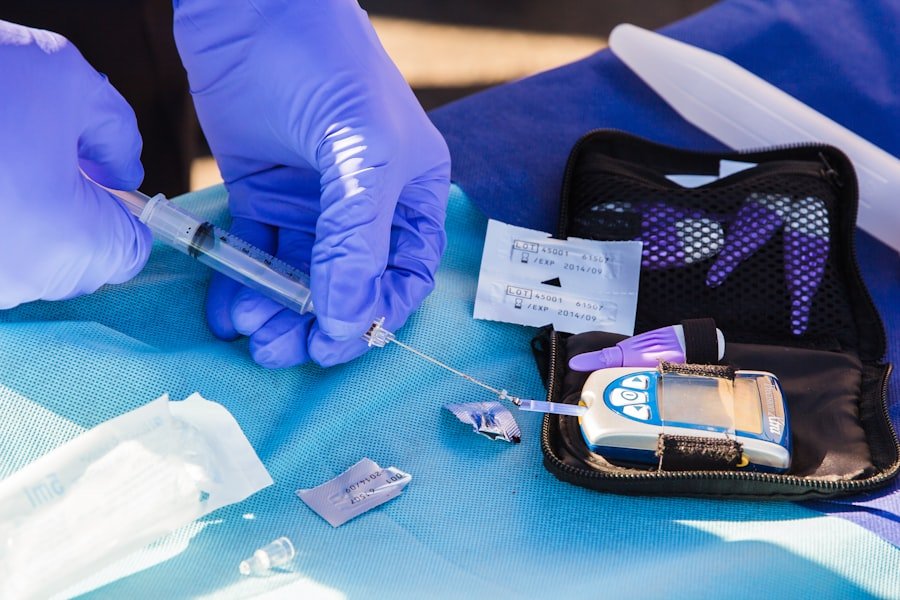
Achieving diabetes remission is a monumental accomplishment, but the journey doesn’t end there. Maintaining these healthy habits is key to preventing the condition from returning.
Sustaining Healthy Eating Habits: Beyond the Initial Push
The dietary changes you’ve implemented are not temporary fixes; they are the foundation of your new lifestyle.
Continuous Learning and Adaptation: Staying Informed and Flexible
The world of nutrition is always evolving. Stay curious and open to new information.
- Experiment with Recipes: Find healthy and delicious ways to prepare your favorite foods.
- Be Prepared for Social Situations: Learn strategies for navigating meals out and social gatherings without derailing your progress.
- Listen to Your Body: Pay attention to how different foods make you feel.
Mindful Indulgences: Allowing for Flexibility Without Sabotage
It’s about balance, not deprivation. Allowing yourself occasional treats can prevent feelings of restriction and make your lifestyle more sustainable.
- Plan Your Indulgences: Factor them into your overall eating plan rather than spontaneously overdoing it.
- Savor Every Bite: Enjoy small portions of your favorite foods, focusing on the pleasure of the experience.
The Ongoing Importance of Physical Activity: Staying Active for Life
Regular exercise should become a non-negotiable part of your routine.
Finding Activities You Enjoy: The Key to Long-Term Adherence
If you dread your workouts, you’re less likely to stick with them.
- Explore Different Options: From hiking and dancing to team sports and gardening, find what truly energizes you.
- Vary Your Routine: Keep things interesting by incorporating different types of activities.
Setting Realistic Goals for Continued Progress: Evolving Your Fitness
As you get fitter, you can set new goals to keep yourself motivated.
- Increase Intensity or Duration: Gradually challenge yourself.
- Learn New Skills: Take up a new sport or activity.
- Focus on Performance: Aim to improve your stamina, strength, or speed.
Regular Health Check-ups: Staying Ahead of the Curve
Continue your regular appointments with your healthcare team to monitor your health.
Ongoing Monitoring of Key Health Markers
Even in remission, it’s wise to keep an eye on your HbA1c, blood pressure, and cholesterol.
- Early Detection: Regular check-ups can help identify any signs of recurrence or other health issues early on.
- Personalized Guidance: Your healthcare team can provide ongoing advice tailored to your individual needs.
Recognizing the Signs of Relapse: Being Proactive
Be aware of potential early warning signs that your diabetes may be returning.
- Increased Thirst and Frequent Urination: Classic diabetes symptoms.
- Unexplained Fatigue: Feeling unusually tired.
- Increased Hunger: Feeling constantly hungry despite eating.
- Blurred Vision: Changes in eyesight.
- Slow-Healing Sores: Wounds that take a long time to heal.
If you notice any of these signs, contact your healthcare provider immediately. Prompt intervention can often help you get back into remission.
The Future of Diabetes Remission: Hope and Innovation
| Study | Remission Rate | Duration of Remission |
|---|---|---|
| DiRECT Trial | 46% | 12 months |
| Counterbalance Study | 61% | 24 months |
| Diabetes Remission Clinical Trial (DiRECT) | 68% | 5 years |
The landscape of diabetes care is constantly evolving, and exciting advancements are paving the way for even more effective and accessible routes to remission.
Emerging Research in Diabetes Remission Strategies
Scientists are continuously exploring new avenues to help individuals achieve and maintain remission.
Pharmacological Innovations: New Tools in the Arsenal
Beyond current medications, research is focused on developing drugs that can directly target the underlying mechanisms of insulin resistance and beta-cell dysfunction.
- Targeted Therapies: Medications designed to specifically address inflammation or improve cellular energy metabolism.
- Hormonal Therapies: Exploring the potential of novel hormones or hormone-like substances that can improve glucose regulation.
Advancements in Bariatric Surgery: A Proven Pathway for Many
For some individuals with Type 2 diabetes and significant obesity, bariatric surgery has shown remarkable success rates in achieving diabetes remission.
- Mechanisms of Action: These surgeries not only lead to substantial weight loss but also induce significant hormonal and metabolic changes that improve insulin sensitivity.
- Considerations: Surgery is a major medical procedure with its own risks and requires careful patient selection and lifelong follow-up.
Gut Microbiome Research: The Next Frontier
The complex community of microorganisms in your gut, known as the microbiome, is increasingly being recognized for its role in metabolic health.
- Implications for Insulin Resistance: Researchers are investigating how specific gut bacteria or their byproducts might influence insulin sensitivity and inflammation.
- Potential Therapeutic Targets: Future treatments may involve manipulating the gut microbiome through probiotics, prebiotics, or fecal microbiota transplantation.
By understanding these concepts and committing to these practices, you empower yourself to take control of your health and embark on a transformative journey toward diabetes remission. Remember, this is your story, and you have the power to write a healthier, happier chapter.
FAQs
What is diabetes remission?
Diabetes remission refers to a period of time when a person with diabetes experiences normal blood sugar levels without the need for medication or insulin. This can occur through lifestyle changes, such as diet and exercise, or through medical interventions.
Can type 2 diabetes go into remission?
Yes, type 2 diabetes can go into remission. Research has shown that weight loss, healthy eating, and regular physical activity can lead to remission of type 2 diabetes in some individuals. However, it’s important to note that remission does not mean the diabetes is cured, and ongoing management is still necessary.
What are the criteria for diabetes remission?
The criteria for diabetes remission vary, but generally include maintaining normal blood sugar levels (HbA1c <6.5%) without the use of diabetes medication or insulin for a certain period of time, typically at least 1 year.
Is diabetes remission permanent?
Diabetes remission can be temporary or permanent. It depends on the individual and their ability to maintain healthy lifestyle habits, such as diet and exercise. Some people may experience a temporary remission and then see a return of diabetes symptoms if they do not continue to manage their condition.
How can someone achieve diabetes remission?
Achieving diabetes remission often involves a combination of weight loss, healthy eating, regular physical activity, and sometimes medication or insulin therapy. Working with healthcare professionals, such as doctors, dietitians, and diabetes educators, can help individuals develop a personalized plan for achieving and maintaining remission.