
Acute renal failure is a condition that can have serious consequences on your health, but the good news is that there are steps you can take to prevent it. In this article, we will explore some simple yet effective ways you can protect your kidneys and reduce the risk of developing acute renal failure. By making a few lifestyle changes and being proactive about your health, you can safeguard one of your body’s most vital organs and maintain optimal kidney function. So let’s dive in and discover how you can keep your kidneys healthy and prevent acute renal failure.
Maintain a Healthy Lifestyle
Eat a Balanced Diet
Maintaining a healthy lifestyle begins with eating a balanced diet. What you eat plays a crucial role in the overall health of your kidneys. Include a variety of fruits, vegetables, whole grains, lean proteins, and healthy fats in your meals. Avoid excessive intake of processed foods, high-sodium foods, and saturated fats. These unhealthy dietary choices can lead to high blood pressure and obesity, which can increase your risk of developing kidney problems.
Stay Hydrated
Staying hydrated is essential for kidney health. Proper hydration helps flush out toxins from your body, preventing the accumulation of waste materials in your kidneys. Drink sufficient fluids throughout the day, aiming for at least 8 glasses of water. However, keep in mind that individual fluid requirements may vary based on factors such as climate, activity level, and overall health. Consult with your healthcare provider for personalized hydration recommendations.
Avoid Excessive Alcohol Consumption
Excessive alcohol consumption can have detrimental effects on your kidneys. Alcohol is a diuretic, meaning it increases urine production and may lead to dehydration. Moreover, alcohol can damage the delicate tissues of the kidneys, impairing their ability to filter waste effectively. To maintain kidney health, limit your alcohol intake and practice moderation. Generally, it is recommended that men consume no more than two alcoholic beverages per day, while women should limit their consumption to one alcoholic beverage per day.
Quit Smoking
Smoking is not only harmful to your lungs but also to your kidneys. The toxic chemicals in cigarette smoke can directly damage your blood vessels and decrease blood flow to the kidneys. This can impair their ability to function properly and increase the risk of kidney disease. If you are a smoker, quitting is one of the best things you can do for your overall health, including your kidneys. Seek support from healthcare professionals or support groups to help you quit successfully.
Maintain a Healthy Weight
Maintaining a healthy weight is crucial for kidney health. Excess weight puts extra strain on your kidneys and increases the risk of developing conditions such as high blood pressure and diabetes, both of which are significant risk factors for kidney disease. Focus on adopting a balanced diet and leading an active lifestyle to achieve and maintain a healthy weight. Regular exercise, along with proper nutrition, can help you reach and maintain your weight goals while promoting overall kidney health.
Exercise Regularly
Regular exercise is beneficial for overall health, including kidney health. Engaging in physical activity helps improve blood circulation, which promotes proper kidney function. Additionally, exercise can help reduce the risk of conditions such as high blood pressure, obesity, and diabetes, which can all contribute to kidney problems. Aim for at least 150 minutes of moderate-intensity aerobic activity per week, along with strength training exercises to maintain a healthy lifestyle and support optimal kidney function.
Manage Underlying Health Conditions
Control High Blood Pressure
High blood pressure is one of the leading causes of kidney disease. Managing and controlling your blood pressure is vital for kidney health. Follow a low-sodium diet, limit alcohol consumption, maintain a healthy weight, exercise regularly, and take blood pressure medications as prescribed by your healthcare provider. Regular monitoring of your blood pressure and seeking medical attention for uncontrolled hypertension is crucial for preventing kidney damage.
Manage Diabetes
Diabetes is another significant risk factor for kidney disease. Proper management of diabetes is essential for preserving kidney function. Monitor your blood sugar levels regularly, adhere to a healthy diet, engage in regular physical activity, take prescribed medications as directed, and maintain regular check-ups with your healthcare provider. By managing your diabetes effectively, you can significantly reduce your risk of developing kidney problems.
Treat Infections Promptly
Infections, if left untreated, can have serious consequences for kidney health. Promptly treating infections, such as urinary tract infections (UTIs), is crucial to prevent kidney damage. Stay vigilant for any signs of infection, such as frequent urination, burning sensation during urination, cloudy urine, or fever. If you suspect an infection, seek medical attention promptly to receive appropriate treatment and prevent complications.
Monitor and Manage Chronic Kidney Disease
If you have already been diagnosed with chronic kidney disease (CKD), it is vital to monitor and manage the condition to prevent the progression to acute renal failure. Regular check-ups with a nephrologist, monitoring kidney function test results, and following the prescribed treatment plan are crucial steps in managing CKD. Take medications as directed, adhere to dietary restrictions, and maintain overall kidney-healthy habits.
Take Medications as Prescribed
If you have any underlying health conditions or are taking medications, it is essential to take them as prescribed by your healthcare provider. Your medications may play a significant role in maintaining kidney health or preventing the progression of kidney disease. Follow the prescribed dosages and schedules, and do not make any changes without consulting your healthcare provider. They can provide expert guidance on medication management for your specific needs.
Practice Medication Safety
Follow Prescribed Dosages
When prescribed medications, always follow the recommended dosages provided by your healthcare provider. Taking too much or too little can have adverse effects on your kidneys and overall health. If you have any questions or concerns about your medication dosage, consult with your healthcare provider for clarification and guidance.
Avoid Over-the-Counter Medications without Consultation
Over-the-counter medications, including pain relievers and anti-inflammatory drugs, may have harmful effects on kidney function if not used properly. Before taking any over-the-counter medications, consult with your healthcare provider to ensure their safety and avoid potential interactions with your existing medications or underlying health conditions.
Understand Potential Side Effects
Every medication carries the risk of potential side effects, including kidney-related complications. It is essential to be aware of the potential side effects of the medications you are taking. If you experience any concerning symptoms or changes in your health after starting a new medication, promptly discuss them with your healthcare provider to determine if any adjustments need to be made.
Be Aware of Nephrotoxic Medications
Certain medications can be nephrotoxic, meaning they can cause damage to the kidneys. Be aware of the potential nephrotoxicity of medications you are prescribed or considering taking. Communicate any concerns or questions regarding nephrotoxic medications with your healthcare provider. They can help balance the potential benefits and risks and make informed decisions regarding your medication regimen.
Discuss Medication Changes with Healthcare Provider
Before making any changes to your medication regimen, even if it seems minor, always consult with your healthcare provider. They can provide guidance based on your specific health condition and ensure that any adjustments are made safely and effectively. Open communication with your healthcare provider is key to maintaining medication safety and promoting kidney health.
Prevent Dehydration
Drink Sufficient Fluids
Proper hydration is vital for kidney health. To prevent dehydration, aim to drink sufficient fluids throughout the day. Water is the best choice, as it does not contain additional sugars or additives. However, other beverages such as herbal tea, fruit-infused water, or diluted fruit juices can also contribute to your daily fluid intake. Remember to monitor your fluid intake closely, especially if you have any specific medical conditions or are taking medications that require fluid restrictions. Consult with your healthcare provider for personalized hydration recommendations.
Be Mindful of Fluid Loss
In addition to consuming enough fluids, it’s crucial to be mindful of fluid loss. Factors such as intense physical activity, hot weather, or certain medical conditions can increase fluid loss through sweating or urination. As a result, you may need to replenish your fluids more frequently. Pay attention to your body’s signals and increase your fluid intake as needed to maintain proper hydration levels.
Monitor Urine Output
Monitoring your urine output is an excellent way to ensure that you are adequately hydrated. Clear or light-colored urine generally indicates good hydration, while dark-colored urine may be a sign of dehydration. Aim for regular and adequate urine output throughout the day. If you notice any significant changes in your urine output or experience any concerns, such as reduced urine production, consult with your healthcare provider.
Limit Diuretic Use
Some individuals may require diuretics to manage certain medical conditions. While diuretics can be beneficial, excessive use or misuse can lead to dehydration and electrolyte imbalances, which can have adverse effects on kidney function. It is crucial to follow your healthcare provider’s instructions and monitor your fluid and electrolyte levels regularly while taking diuretics.
Avoid Excessive Sweating
Excessive sweating, whether due to intense physical activity or heat exposure, can lead to significant fluid loss and increase the risk of dehydration. To prevent dehydration, take appropriate measures to avoid excessive sweating. This may include staying hydrated before, during, and after physical activities, using cooling methods such as fans or air conditioning, and seeking shade during hot weather. By taking these precautions, you can reduce the strain on your kidneys and maintain proper hydration levels.

Take Precautions during Medical Procedures
Ensure Sanitary Condition during Hemodialysis
If you require hemodialysis, ensuring the sanitary conditions of the dialysis facility is crucial for preventing infections and maintaining kidney health. Choose a reputable dialysis center that follows strict infection control protocols. Ensure that all equipment is properly sterilized, and healthcare professionals practice proper hand hygiene. By taking these precautions, you can significantly reduce the risk of infections during hemodialysis treatments.
Use Protective Measures during Kidney Imaging Tests
When undergoing kidney imaging tests, such as CT scans or MRIs, it is essential to use protective measures to minimize potential risks. Shielding your kidneys with a lead apron can help protect them from unnecessary exposure to radiation. Consult with your healthcare provider and the imaging facility to ensure that appropriate protective measures are taken during the procedure.
Monitor Contrast Dye Use during Medical Imaging
Contrast dyes used in certain medical imaging tests, such as angiograms or CT scans, can potentially cause kidney damage, especially in individuals with pre-existing kidney conditions. If you have any kidney concerns or a history of kidney problems, discuss the potential risks and benefits of using contrast dye with your healthcare provider. They can determine the most appropriate imaging approach for your specific situation.
Use Appropriate Antibiotic Prophylaxis
If you have an increased risk of developing infections, such as urinary tract infections or endocarditis, your healthcare provider may prescribe antibiotic prophylaxis before certain medical procedures. It is essential to follow the prescribed antibiotic regimen closely to prevent infections and protect your kidneys. Discuss any concerns or questions regarding antibiotic prophylaxis with your healthcare provider to ensure optimal protection.
Discuss Potential Risks with Healthcare Provider
Before undergoing any medical procedure, whether routine or elective, it is crucial to have an open and honest discussion with your healthcare provider about potential risks and benefits. They can provide you with the necessary information to make informed decisions about your healthcare and take the appropriate precautions to protect your kidneys.
Avoid Nephrotoxic Substances
Limit Use of Non-Steroidal Anti-Inflammatory Drugs (NSAIDs)
Non-steroidal anti-inflammatory drugs (NSAIDs), such as ibuprofen or naproxen, can cause kidney damage if used frequently or in high doses. To protect your kidneys, limit the use of NSAIDs and opt for alternative pain management strategies whenever possible. If you require pain relief, consult with your healthcare provider, who can recommend suitable alternatives or provide guidance on safe NSAID usage.
Limit Caffeine Consumption
Caffeine is a diuretic that can increase urine production and potentially lead to dehydration if consumed excessively. Excessive caffeine intake can put a strain on your kidneys and disrupt their normal functioning. Therefore, it is advisable to limit your caffeine consumption and balance it with adequate hydration to minimize any negative effects on your kidneys.
Avoid Illegal Substance Abuse
Illegal substance abuse, including drugs such as cocaine or heroin, can have severe consequences for kidney health. These substances can cause direct damage to the kidneys or lead to secondary complications that affect renal function. It is essential to avoid illegal substance abuse to protect your kidneys and overall well-being. If you need support in overcoming substance abuse, reach out to healthcare professionals or support groups dedicated to addiction recovery.
Minimize Exposure to Heavy Metals
Exposure to heavy metals, including lead, mercury, or cadmium, can have toxic effects on the kidneys. Minimize your exposure to heavy metals by avoiding contact with products or environments containing these substances. Be cautious with occupational exposure if you work in industries that involve heavy metal usage or handling. If you suspect heavy metal exposure or have concerns about potential toxicity, consult with your healthcare provider for appropriate evaluation and guidance.
Be Cautious with Herbal and Dietary Supplements
While herbal and dietary supplements are often considered natural and safe, it is essential to exercise caution and seek guidance before taking them, especially if you have any kidney concerns. Some supplements may contain ingredients that can be harmful to the kidneys or interact with medications you are taking. Always consult with your healthcare provider or a registered dietitian before starting any new supplements to ensure their safety and compatibility with your kidney health.

Maintain Proper Hygiene
Wash Hands Properly and Frequently
Proper hand hygiene is one of the simplest yet most effective ways to prevent infections and protect your kidneys. Practice regular handwashing with soap and water for at least 20 seconds, especially before handling food, after using the restroom, or after coming into contact with potentially contaminated surfaces. Hand sanitizers with at least 60% alcohol can be used as an alternative when soap and water are not readily available.
Avoid Unprotected Contact with Contaminated Objects
Avoiding unprotected contact with contaminated objects, surfaces, or substances is crucial for maintaining proper hygiene and preventing infections that can harm your kidneys. When in public spaces, be mindful of touching door handles, railings, or other frequently touched surfaces without first sanitizing your hands or using a protective barrier such as disposable gloves. These simple precautions can significantly reduce your risk of contracting and spreading infections.
Practice Safe Sexual Behavior
Sexually transmitted infections (STIs) can have serious implications for kidney health if left untreated. Practicing safe sexual behavior, such as using barrier methods of contraception (e.g., condoms), practicing monogamy, or getting tested regularly for STIs, can help reduce the risk of STIs and protect your kidneys. Open communication with your sexual partner(s) and healthcare provider is essential for maintaining sexual health and preventing potential kidney-related complications.
Get Vaccinated against Infections
Vaccination is a crucial preventive measure for various infections that can negatively impact kidney health. Follow the vaccination recommendations provided by your healthcare provider. Vaccines against infections such as influenza, hepatitis B, or pneumococcus can help reduce the risk of complications and protect your kidneys. Stay up to date with your vaccinations to ensure optimum protection.
Take Precautions to Avoid Foodborne Illnesses
Foodborne illnesses, such as bacterial or viral infections, can cause kidney damage if left untreated or severe. To prevent foodborne illnesses, practice good food safety habits. This includes properly washing fruits and vegetables, cooking meats and seafood thoroughly, avoiding cross-contamination between raw and cooked foods, and storing perishable items at the right temperatures. By taking these precautions, you can reduce the risk of foodborne illnesses and protect your kidneys.
Monitor Blood Pressure Regularly
Measure Blood Pressure at Home
Regularly monitoring your blood pressure at home is a proactive measure to ensure early detection and management of high blood pressure. Invest in a reliable blood pressure monitor approved by healthcare professionals and follow the instructions for accurate readings. Keeping track of your blood pressure trends can provide valuable information for both you and your healthcare provider to assess your cardiovascular and kidney health.
Keep a Blood Pressure Log
To effectively monitor your blood pressure, consider keeping a blood pressure log. Record your blood pressure readings along with the corresponding dates and times. This log can help you identify any patterns or fluctuations in your blood pressure and provide valuable information for your healthcare provider during check-ups. Additionally, it can serve as a motivator to maintain healthy habits and achieve target blood pressure levels.
Control Stress Levels
Chronic stress can contribute to elevated blood pressure levels and have negative effects on kidney health. Implement stress-reducing techniques in your daily routine, such as deep breathing exercises, meditation, yoga, or engaging in hobbies that bring you joy. Additionally, prioritize self-care and allocate time for activities that help you relax and unwind. By managing stress effectively, you can promote better overall health, including kidney health.
Seek Medical Attention for Uncontrolled Hypertension
If you experience consistently high blood pressure readings or struggle to control your blood pressure, it is vital to seek medical attention promptly. Uncontrolled hypertension can lead to kidney damage and other serious health complications. Your healthcare provider can review your current treatment plan, make necessary adjustments, and provide additional recommendations to help you manage and lower your blood pressure effectively.
Follow Medication Recommendations
If blood pressure medications have been prescribed to you, it is crucial to follow your healthcare provider’s recommendations closely. Take the prescribed medications as directed and communicate any concerns or questions regarding your medications. Your healthcare provider may need to adjust your dosage or change the prescription to achieve optimal blood pressure control. Regular follow-ups and open communication with your healthcare provider are key to successfully managing your blood pressure.

Get Regular Kidney Check-ups
Schedule Regular Check-ups with a Nephrologist
Regular check-ups with a nephrologist, a kidney specialist, are essential for maintaining optimal kidney health. Depending on your specific health condition, your healthcare provider may recommend specific intervals for check-ups. During these visits, your kidney function will be evaluated through blood and urine tests. Regular check-ups provide an opportunity to monitor your kidney health, identify early signs of potential problems, and take appropriate actions to prevent acute renal failure.
Monitor Kidney Function Test Results
Kidney function tests, such as blood tests to measure creatinine and glomerular filtration rate (GFR), are vital for assessing kidney health. Regularly monitor the results of these tests with the guidance of your healthcare provider. Comparison of sequential test results can help identify any decline or impairment in kidney function and guide appropriate interventions to prevent further damage.
Discuss Family History of Kidney Disease
Family history plays a significant role in determining your risk of developing kidney disease. If you have a close family member, such as a parent or sibling, with kidney problems or a history of kidney disease, discuss this information with your healthcare provider. They can assess your individual risk and suggest appropriate preventative measures or screening protocols based on your family history.
Undergo Urine and Blood Tests
Urine and blood tests are commonly used to assess kidney function and screen for potential problems. These tests measure various markers and substances in your blood and urine to provide insight into kidney function, overall health, and potential risk factors. Your healthcare provider may recommend periodic urine and blood tests to monitor your kidney health and detect any abnormalities at an early stage.
Consider Genetic Testing if Relevant
In some cases, genetic factors can contribute to the risk of developing kidney disease. If you have a family history of a specific genetic kidney condition, your healthcare provider may recommend genetic testing to assess your risk more accurately. Genetic testing can help identify any potentially inherited kidney conditions and enable proactive measures to prevent or manage them effectively.
Educate Yourself and Promote Awareness
Learn about Acute Renal Failure Causes and Symptoms
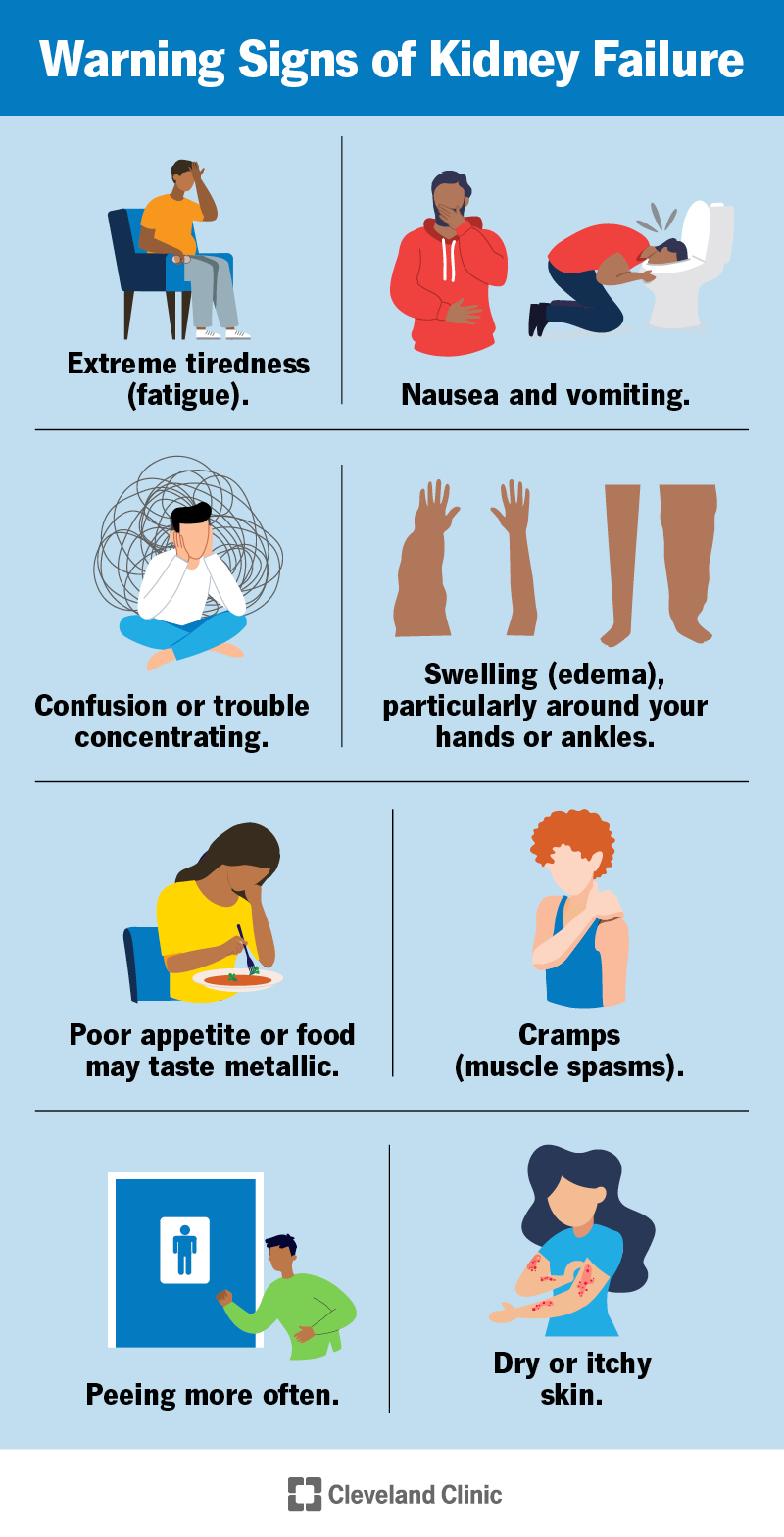
Educating yourself about the causes and symptoms of acute renal failure can help you recognize potential warning signs and seek timely medical attention. Familiarize yourself with the common causes, such as kidney infections, severe dehydration, or certain medications, and the associated symptoms, including decreased urine output, swelling, fatigue, or nausea. By being knowledgeable about acute renal failure, you can take swift action if you or someone you know experiences concerning symptoms.
Spread Knowledge to Friends and Family
Share your knowledge about kidney health and the prevention of acute renal failure with your friends and family. By spreading awareness, you can help others understand the importance of maintaining healthy habits, seeking regular check-ups, and taking preventative measures. Encourage your loved ones to adopt kidney-healthy lifestyles and guide them towards reliable resources for further information.
Participate in Kidney Health Initiatives
Participating in kidney health initiatives, such as awareness campaigns or fundraising events, can make a significant impact on preventing acute renal failure. Join local or national organizations dedicated to kidney health and participate in their events, advocate for better kidney health policies, or raise awareness through social media or community activities. Your contributions can help promote kidney health and support ongoing research and initiatives.
Support Organizations Promoting Renal Health
Numerous organizations around the world are dedicated to promoting renal health, supporting individuals with kidney disease, and funding research for better treatment options. Consider supporting these organizations through donations, volunteering, or participating in their events. Your contributions can help improve kidney health outcomes and provide valuable resources for individuals affected by kidney disease.
Stay Updated on Medical Advances
Medical research and advancements in the field of kidney health are continuously evolving. Stay updated on the latest research, treatment approaches, and medical advances in the prevention and management of kidney disease. Follow reputable sources, such as medical journals or reputable healthcare websites, to ensure you have access to the most current and accurate information. By staying informed, you can make educated decisions regarding your own kidney health and support others in doing the same.
In conclusion, preventing acute renal failure requires adopting a comprehensive approach to kidney health. By maintaining a healthy lifestyle, managing underlying health conditions, practicing medication safety, preventing dehydration, taking precautions during medical procedures, avoiding nephrotoxic substances, maintaining proper hygiene, monitoring blood pressure regularly, getting regular kidney check-ups, educating oneself and promoting awareness, individuals can significantly reduce their risk of developing acute renal failure. Take proactive steps today to protect your kidneys and promote optimal kidney health for years to come.
