Are seasonal allergies getting the best of you? Fear not, because in this article, you will discover some effective tips and tricks on how to prevent allergies and enjoy the great outdoors without constantly sneezing and itching. From simple lifestyle changes to practical home remedies, these strategies will help you keep those pesky allergies at bay and reclaim your allergy-free life. So, grab a cup of tea, sit back, and get ready to breathe easy again.
Maintaining a Clean Environment
Regularly Clean and Vacuum Your Home
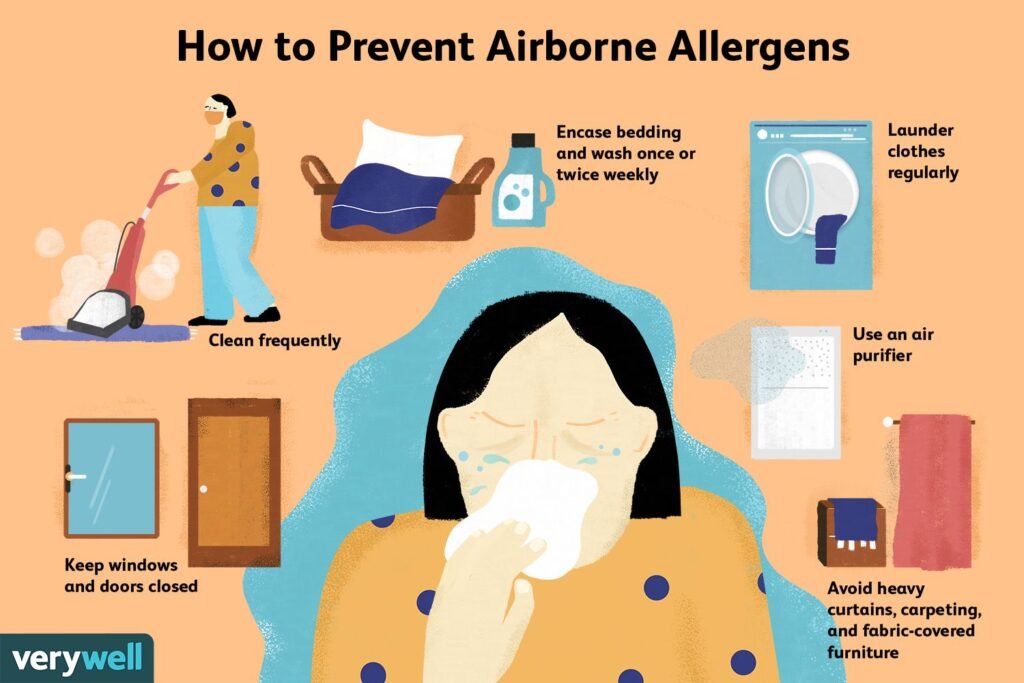
To maintain a clean environment and minimize allergens in your home, it’s important to regularly clean and vacuum your living space. Dust and pollen can accumulate on surfaces, carpets, and furniture, exacerbating allergies. By dusting and vacuuming regularly, you can rid your home of these particles and create a healthier living environment.
Use Allergen-Proof Bedding
Your bed is a haven for dust mites, a common allergen. To minimize exposure to dust mites and their allergens, consider using allergen-proof bedding. These specially designed covers and pillowcases create a barrier between you and the allergens, reducing symptoms such as sneezing and itching. Regularly wash your bedding in hot water to further eliminate allergens.
Keep Pet Dander Under Control
Pets bring joy to our lives, but they can also contribute to allergies. Pet dander, the tiny particles shed from an animal’s skin or fur, can trigger allergic reactions in susceptible individuals. To keep pet dander under control, bath your pets regularly and groom them outdoors to minimize allergens indoors. It’s also a good idea to restrict pets from bedrooms to create a pet-free zone for a good night’s sleep.
Minimize Indoor Humidity
Excess humidity in your home creates an ideal environment for mold and dust mites to thrive, which can trigger allergic reactions. To minimize indoor humidity, use dehumidifiers in damp areas such as basements and bathrooms. Make sure to fix any leaks or water damage promptly, as this can contribute to increased humidity levels. Additionally, proper ventilation in your home can help maintain optimal humidity levels.
Reducing Exposure to Allergens
Monitor Pollen Counts
Pollen is a common allergen, especially during the spring and summer months. By monitoring pollen counts in your area, you can plan your outdoor activities accordingly. Many weather websites and local news stations provide daily pollen count forecasts. On days with high pollen counts, it’s best to limit outdoor activities, particularly during the early morning and late afternoon when pollen levels tend to be highest.
Close Windows and Doors
To reduce exposure to outdoor allergens, such as pollen and mold spores, it’s important to keep windows and doors closed as much as possible. Use air conditioning instead of opening windows to cool your home during allergy seasons. This helps filter out airborne allergens and improves indoor air quality.
Use Air Purifiers and Filters
Air purifiers can be a valuable tool in reducing allergens in your home. These devices work by filtering the air and capturing allergens such as pollen, dust mites, and pet dander. Look for air purifiers with HEPA filters, as they are highly effective at removing allergens from the air. Regularly clean or replace filters to maintain optimal performance.
Avoid Smoke and Strong Odors
Smoke and strong odors can trigger allergic reactions in some individuals. Avoid smoking and stay away from areas where smoking is permitted. Additionally, strong perfumes, cleaning products, and scented candles can also be problematic for those with allergies. Opt for unscented or hypoallergenic alternatives to minimize exposure to potential triggers.
Minimize Contact with Dust Mites
Dust mites are a common indoor allergen that thrive in warm, humid environments. Minimize contact with dust mites by washing bedding and curtains regularly in hot water. Use allergen-proof covers on mattresses, pillows, and duvets to create a barrier between you and the mites. Vacuum carpets and upholstered furniture frequently and consider replacing carpets with hardwood or tile flooring.
Limit Exposure to Mold Spores
Mold spores can trigger allergic reactions, especially in individuals with mold allergies. To limit exposure to mold spores in your home, keep humidity levels low and promptly fix any leaks or water damage. Regularly clean and disinfect areas prone to mold growth, such as bathrooms and basements. Use exhaust fans or open windows when cooking or showering to reduce moisture buildup.
Prevent Cockroach Infestations
Cockroach allergens can cause allergy symptoms and trigger asthma attacks in some individuals. To prevent cockroach infestations, keep your home clean and free of food debris. Seal any cracks or openings where cockroaches can enter, and store food in airtight containers. If necessary, consult a professional pest control service to eradicate an existing infestation.
Taking Care of Personal Hygiene
Wash Hands Frequently
Regular handwashing is crucial in preventing the spread of allergens. Wash your hands frequently, especially before meals and after outdoor activities. Use soap and warm water, and make sure to wash all areas, including the back of hands and between fingers. Proper hand hygiene helps eliminate allergens that may have come into contact with your hands.
Avoid Touching Face and Eyes
Allergens can easily transfer from your hands to your face and eyes, leading to allergic reactions. Avoid touching your face and eyes throughout the day, as this can introduce allergens into your system. If you do need to touch your face or eyes, make sure your hands are clean or use a tissue or clean cloth as a barrier.
Shower and Change Clothes after Outdoor Activities
After spending time outdoors, it’s important to remove any allergens that may have accumulated on your skin and clothing. Take a shower to rinse off pollen, dust, and other allergens. Change into clean clothes to avoid bringing allergens indoors. It’s also a good idea to wash your hair before going to bed to prevent allergens from transferring to your pillow.
Dry Laundry Inside
During allergy seasons, drying laundry outside can lead to allergens, such as pollen, dust, and mold spores, clinging to your clothes and bedding. Opt for drying your laundry indoors using a clothesline or a clothes dryer. This helps minimize exposure to outdoor allergens and keeps your clothing and bedding allergen-free.
Managing Food Allergies
Read Labels Carefully
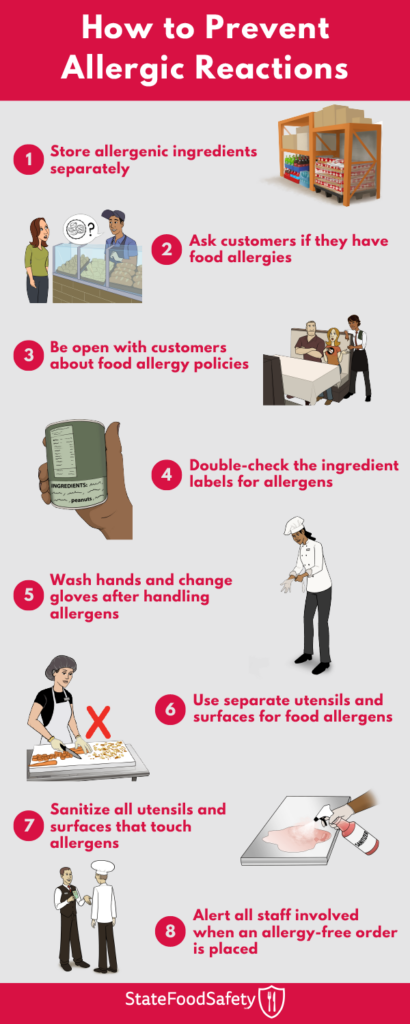
If you or someone in your household has food allergies, it’s essential to read food labels carefully. Manufacturers are required to list common allergens on their packaging, making it easier to identify potential triggers. Familiarize yourself with the names and terms used for specific allergens, such as nuts, dairy, wheat, soy, and eggs. Be vigilant and ensure that any packaged food is safe to consume.
Inform Restaurants and Caregivers about Allergies
When dining out or leaving your child in the care of others, make sure to inform restaurants and caregivers about any food allergies. Communicate clearly about the specific allergens and the severity of the allergy. Ask about the ingredients used in dishes and whether cross-contamination is a concern. Taking proactive steps and providing necessary information can help prevent allergic reactions.
Prepare and Store Food Properly
Proper food preparation and storage practices are crucial in managing food allergies. Wash hands and surfaces thoroughly before cooking to avoid cross-contamination. Use separate cutting boards, knives, and utensils for allergenic foods. Store food properly, adhering to temperature guidelines to prevent food spoilage and the growth of bacteria that can trigger food allergies.
Be Cautious with Cross-Contamination
Cross-contamination occurs when an allergenic food comes into contact with non-allergenic food, potentially triggering an allergic reaction. Keep allergenic foods separate from other foods during preparation, cooking, and storage. Use separate serving utensils and avoid using the same oil or cooking utensils for both allergenic and non-allergenic foods.
Breastfeeding and Introducing Solid Foods
Breastfeed for at Least Six Months
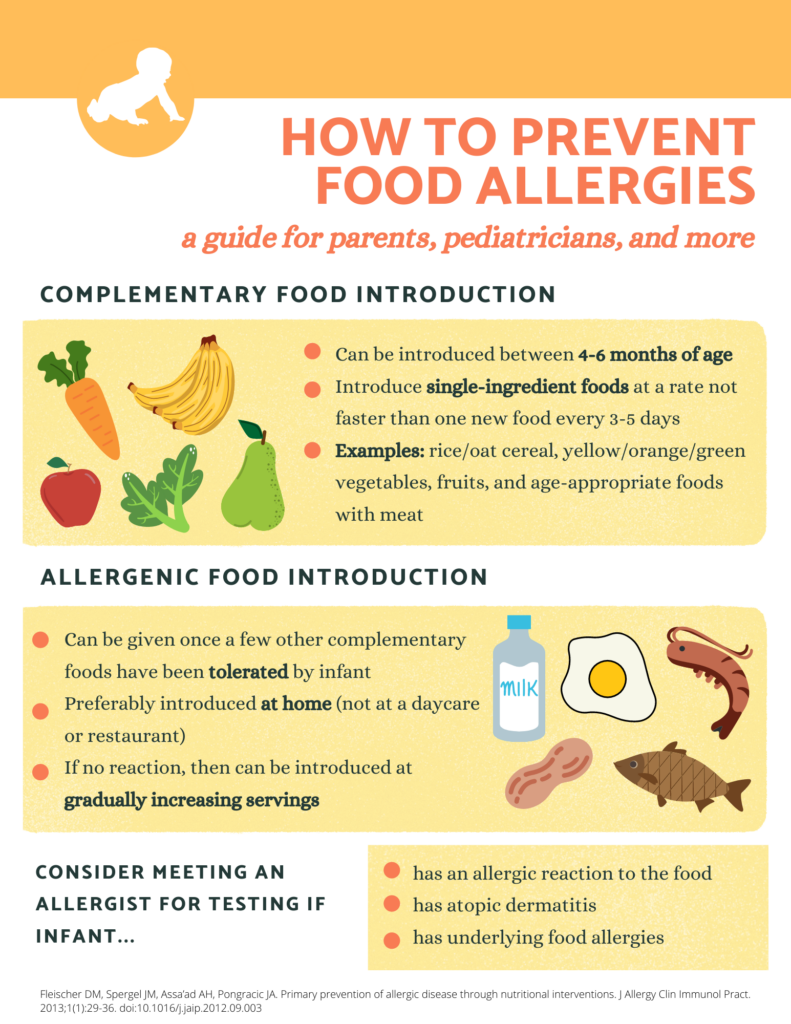
Breastfeeding has numerous health benefits for both mother and child, including reducing the risk of developing allergies. The American Academy of Pediatrics recommends exclusive breastfeeding for the first six months of a baby’s life. Breast milk provides essential nutrients and antibodies that help support the infant’s immune system and reduce the likelihood of developing allergies.
Introduce Solid Foods Gradually
When the time comes to introduce solid foods to your baby, it’s important to do so gradually. Start with single-ingredient foods and wait a few days before introducing each new food. This helps identify potential food allergies or intolerances. Introduce common allergenic foods, such as peanuts, eggs, and dairy, one at a time and in small amounts to monitor for any adverse reactions.
Building a Strong Immune System
Follow a Balanced Diet
A balanced diet plays a vital role in building a strong immune system and reducing the risk of allergies. Incorporate a variety of fruits, vegetables, whole grains, and lean proteins into your meals. These nutrient-dense foods provide essential vitamins, minerals, and antioxidants that support overall health and immune function.
Stay Physically Active
Regular physical activity boosts immune function and helps prevent allergies. Engage in moderate exercise for at least 150 minutes per week, or vigorous exercise for 75 minutes per week. Choose activities that you enjoy, such as walking, jogging, cycling, or swimming. Staying active not only strengthens your immune system but also improves overall well-being.
Get Enough Sleep
Adequate sleep is crucial for maintaining a strong immune system. Aim for seven to nine hours of quality sleep each night. Poor sleep can weaken the immune system, making you more susceptible to allergies and other health issues. Establish a regular sleep schedule, create a comfortable sleep environment, and practice relaxation techniques to promote restful sleep.
Reduce Stress Levels
Chronic stress has been linked to a weakened immune system and an increased risk of allergies. Find healthy ways to manage and reduce stress, such as practicing meditation, deep breathing exercises, or engaging in hobbies you enjoy. Prioritize self-care and create a balanced lifestyle that allows for relaxation and stress relief.
Avoid Antibiotic Overuse
Overusing antibiotics can disrupt the balance of good bacteria in your body and compromise your immune system. Antibiotics are only effective against bacterial infections and have no effect on allergies caused by environmental allergens. Avoid unnecessary antibiotic use and consult a healthcare professional to determine the appropriate course of treatment for any infections.
Seeking Professional Medical Advice
Consult an Allergist or Immunologist
If you or your loved ones are experiencing persistent or severe allergy symptoms, it’s advisable to consult an allergist or immunologist. These medical professionals specialize in diagnosing and treating allergies and can provide personalized recommendations based on your specific needs. They can help identify the allergens causing your symptoms and develop an effective management plan.
Get Tested for Allergies
Allergy testing can accurately identify the specific allergens responsible for your symptoms. These tests can include skin prick tests, blood tests, or oral food challenges, depending on the suspected allergens. By knowing your specific allergic triggers, you can take appropriate measures to avoid or minimize exposure and manage your allergies more effectively.
Discuss Allergen Immunotherapy
Allergen immunotherapy, also known as allergy shots or sublingual immunotherapy, is a treatment option for individuals with severe allergies. It involves receiving regular injections or placing allergen extracts under the tongue to gradually desensitize the immune system. Consult with an allergist or immunologist to determine if allergen immunotherapy is suitable for you and to discuss its potential benefits and risks.
Understanding Allergies and Triggers
Learn about Common Allergens
Educating yourself about common allergens is essential in understanding and managing allergies. Pollen, dust mites, mold spores, pet dander, and certain foods are among the most prevalent allergens. By familiarizing yourself with these allergens, their sources, and their symptoms, you can better identify and avoid potential triggers.
Identify Personal Allergic Triggers
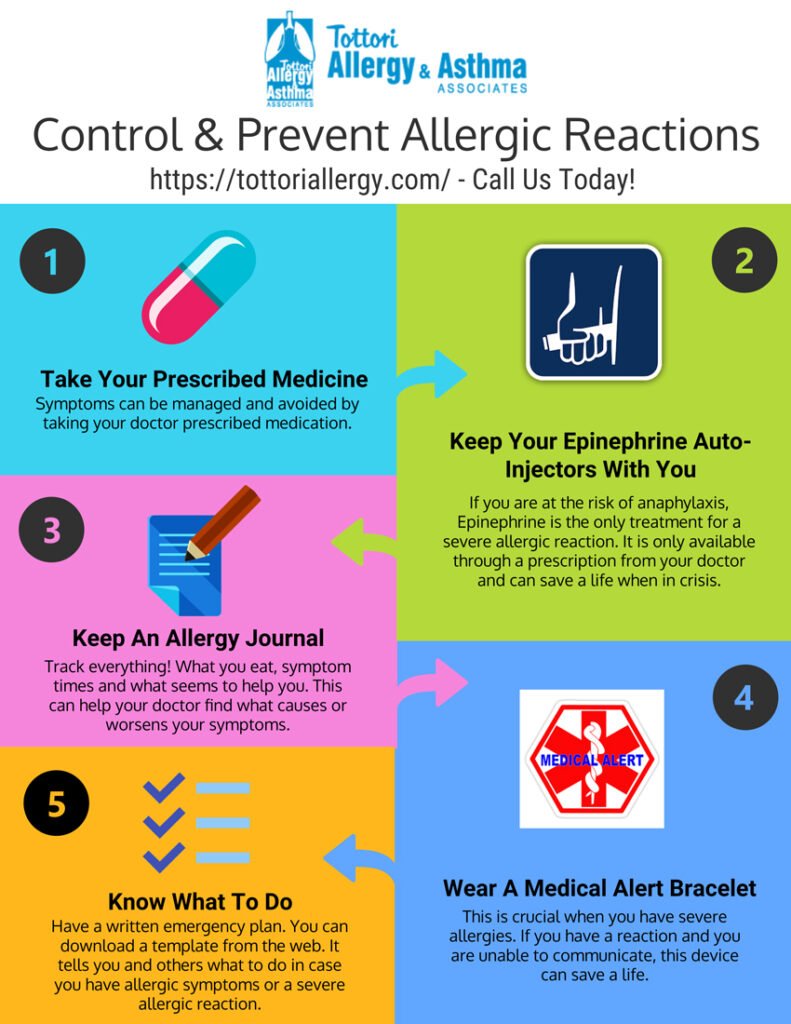
In addition to common allergens, it’s important to identify your personal allergic triggers. Allergies can vary greatly from person to person, and you may have specific sensitivities to certain substances. Keep a journal of your symptoms and potential triggers to help pinpoint the specific allergens that affect you. This knowledge can help you take proactive measures to minimize exposure and reduce allergic reactions.

Avoiding Allergies in Different Seasons
Preventing Spring Allergies
Spring often brings an increase in pollen, mold spores, and other allergens. To prevent spring allergies, monitor pollen counts and stay indoors when levels are high. Keep windows closed, use air purifiers with HEPA filters, and don’t hang laundry outside. Shower and change clothes after spending time outdoors to remove any allergens clinging to your hair and clothing.
Managing Summer Allergies
Summer allergies are usually triggered by grass and weed pollens, as well as outdoor mold spores. Limit outdoor activities during peak pollen times and keep windows closed. Use air conditioning with HEPA filters to maintain a pollen-free indoor environment. Remove shoes and wash off any residual pollen when entering your home to prevent allergens from spreading.
Dealing with Fall Allergies
Fall allergies are commonly caused by ragweed pollen and mold spores. Monitor pollen counts and limit exposure during peak times. Keep windows closed and use air purifiers and filters. Clear leaves and debris from your yard to minimize mold growth. Consider wearing a mask when doing yard work to reduce inhalation of allergens.
Preventing Winter Allergies
While allergies may not be as common in winter, indoor allergens can still trigger symptoms. Dust mites, pet dander, and mold can be problematic during colder months when homes are sealed up. Continue to maintain a clean environment and use allergen-proof bedding covers. Clean or replace furnace filters regularly and keep humidity levels low to discourage mold growth.
Educating Others and Raising Awareness
Teach Friends and Family about Allergies
Teaching friends and family about allergies is important, especially if you or your loved ones have allergies. Raise awareness about common allergens, their symptoms, and the necessary precautions to prevent allergic reactions. Educate them about cross-contamination risks and the importance of reading food labels. By creating an understanding and supportive environment, you can help prevent allergen exposure.
Create Allergy Action Plans
For individuals with severe allergies, it’s crucial to have an allergy action plan in place. This plan outlines specific steps to take in case of an allergic reaction and ensures that others are prepared to provide appropriate care. Include information about allergens, symptoms, emergency contacts, and necessary medications. Share this plan with caregivers, teachers, and other relevant individuals.
Raise Awareness in Schools and Communities
Raising allergy awareness in schools and communities can help create safer environments for individuals with allergies. Advocate for allergen-free classrooms and lunch areas. Encourage schools to educate staff and students about common allergens and proper handling of allergic emergencies. Organize awareness campaigns and events to promote understanding and support for those living with allergies.
By following these comprehensive guidelines on preventing allergies, you can take proactive steps to minimize exposure to allergens and manage your symptoms. From maintaining a clean environment to understanding your specific triggers, each aspect plays a crucial role in creating a healthier, allergy-free lifestyle. Remember, it’s important to consult a medical professional for personalized advice and guidance tailored to your specific needs.