
You know the importance of maintaining a healthy lifestyle, and part of that includes being mindful of your alcohol consumption. In this article, we will explore effective methods to prevent alcohol abuse and ensure that you maintain a balanced and responsible approach to drinking. By understanding the risks, setting clear boundaries, and seeking support when needed, you can make informed choices that prioritize your well-being and avoid the potential pitfalls of alcohol misuse.
Seek Education and Awareness
Alcohol abuse can have serious and long-term consequences on your health, relationships, and overall well-being. By seeking education and increasing awareness about the risks associated with alcohol abuse, you can make informed decisions and take steps to prevent its harmful impact.
Learn about the risks of alcohol abuse
To prevent alcohol abuse, it is important to understand the risks and potential dangers that excessive alcohol consumption can pose. Educate yourself about the negative effects of alcohol on your physical health, mental well-being, and personal relationships. Familiarize yourself with research studies, articles, and reliable resources that provide accurate information about the risks associated with alcohol abuse.
Understand the potential consequences
Alcohol abuse can lead to a range of negative consequences, including health problems such as liver disease, addiction, impaired judgment, risky behavior, and strained relationships. By understanding these potential consequences, you can make informed decisions and take steps to prevent them from happening.
Recognize the signs of alcohol abuse
Being able to recognize the signs of alcohol abuse, both in yourself and in others, is crucial for prevention. Look out for signs such as an increased tolerance for alcohol, drinking alone or in secret, neglecting responsibilities and hobbies, experiencing withdrawal symptoms, or needing alcohol to cope with stress or emotions. By recognizing these signs early on, you can intervene and seek help before the situation worsens.
Promote Healthy Coping Mechanisms
Developing and promoting healthy coping mechanisms is essential in preventing alcohol abuse. By learning how to manage stress effectively and finding healthy outlets for emotions, you can reduce the reliance on alcohol as a coping mechanism.
Encourage stress management techniques
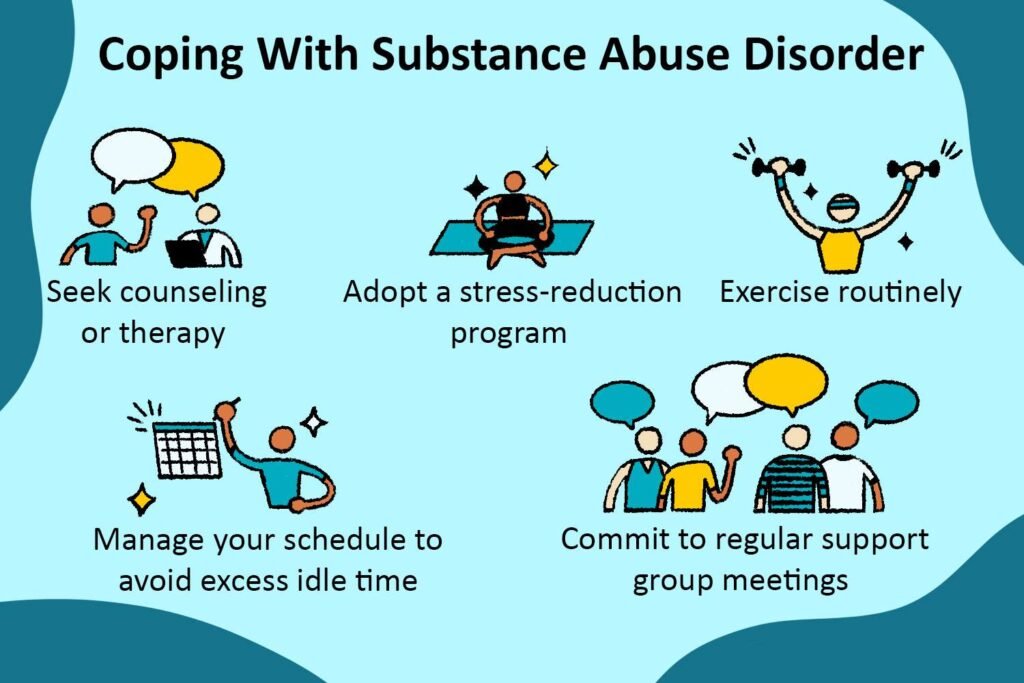
Helping individuals develop effective stress management techniques can greatly reduce the likelihood of turning to alcohol as a means of escape. Encourage activities such as exercise, meditation, deep breathing exercises, journaling, or engaging in hobbies that provide a healthy release for stress and tension.
Provide emotional support and outlets
Emotional support plays a crucial role in preventing alcohol abuse. Encourage open and non-judgmental communication, create a safe space for individuals to express their emotions, and offer support and understanding. Additionally, provide resources for counseling and therapy where individuals can seek professional help when needed.
Promote physical activities and hobbies
Engaging in physical activities and hobbies can be an effective way to cope with stress, reduce cravings, and occupy the mind in a positive manner. Encourage individuals to find activities they enjoy, whether it’s sports, dancing, painting, or any other hobby that brings them joy and serves as a healthy distraction from unhealthy behaviors.
Create Supportive Environments
Creating and fostering supportive environments is essential for preventing alcohol abuse. By establishing strong family bonds, encouraging open communication, and creating a substance-free home environment, you can create an atmosphere that reduces the likelihood of alcohol abuse.
Establish strong family bonds
Building strong family bonds is vital in promoting wellbeing and reducing the risk of alcohol abuse. Engage in regular family activities, promote open and honest communication, and foster a sense of belonging and support within the family unit. This support system can play a crucial role in preventing alcohol abuse and providing individuals with the resources they need to seek help when necessary.
Encourage open communication
Promote an environment where open communication is encouraged, and individuals feel comfortable discussing their feelings, concerns, and experiences. By encouraging open conversations about alcohol and its potential risks, individuals can gain knowledge and awareness, which can help prevent alcohol abuse.
Create a substance-free home environment
Creating a substance-free home environment is an important step in preventing alcohol abuse. By removing alcohol from the household, individuals are less likely to be tempted to consume excessive amounts. Encourage healthy alternatives such as flavored water, herbal tea, or fruit juices as enjoyable alternatives to alcohol.
Set Clear Expectations and Boundaries
Establishing clear expectations and boundaries around alcohol consumption is vital in preventing alcohol abuse. By clearly communicating the rules and expectations regarding alcohol, individuals can make responsible decisions and avoid the harmful effects of excessive drinking.
Establish and enforce alcohol-free rules
Setting clear rules and expectations that promote a substance-free lifestyle can be instrumental in preventing alcohol abuse. Establish and enforce alcohol-free zones, such as underage drinking restrictions, and communicate these rules to individuals. By doing so, you create an environment that discourages excessive drinking and helps individuals make responsible choices.
Communicate expectations for responsible drinking
For individuals of legal drinking age, it is important to communicate clear expectations surrounding responsible drinking. Encourage individuals to drink in moderation, know their limits, and make wise decisions. By setting guidelines and discussing responsible drinking practices, you can help individuals avoid the risks associated with alcohol abuse.
Encourage responsible socializing
Promote the idea of responsible socializing and enjoying social events without excessive alcohol consumption. Encourage individuals to pace themselves, drink water between alcoholic beverages, and know when to stop. By fostering an environment where responsible socializing is valued, you can help prevent alcohol abuse.

Develop Life Skills
Equipping individuals with essential life skills can contribute significantly to preventing alcohol abuse. By teaching decision-making and problem-solving skills, promoting healthy coping mechanisms, and building resilience and stress management skills, individuals can make informed choices and handle challenges without relying on alcohol.
Teach decision-making and problem-solving skills
Provide opportunities for individuals to develop decision-making and problem-solving skills. Encourage critical thinking, weighing the pros and cons of choices, and considering the potential consequences. By empowering individuals with these skills, they are more likely to make responsible decisions regarding alcohol consumption.
Develop healthy coping mechanisms
Teaching individuals healthy coping mechanisms is essential in preventing alcohol abuse. Provide education and resources on ways to cope with stress, manage emotions, and navigate difficult situations without turning to alcohol. Encourage the development of healthy alternatives such as engaging in physical activity, practicing mindfulness, or seeking support from trusted individuals.
Build resilience and stress management skills
Resilience and stress management skills play a crucial role in preventing alcohol abuse. By fostering resilience, individuals can better handle challenges and setbacks without relying on alcohol as a coping mechanism. Teach strategies such as positive self-talk, reframing thoughts, and seeking social support as ways to build resilience and effectively manage stress.
Provide Positive Role Models
Having positive role models and surrounding oneself with supportive and responsible individuals can greatly impact the prevention of alcohol abuse. By exemplifying responsible drinking behavior, encouraging healthy friendships and relationships, and fostering a supportive network, individuals are more likely to make responsible choices regarding alcohol.
Exemplify responsible drinking behavior
As a role model, it is important to exemplify responsible drinking behavior. Show others that it is possible to enjoy alcohol in moderation and make responsible choices. By drinking responsibly, individuals can promote a culture of moderation and discourage excessive drinking.
Surround oneself with supportive and responsible individuals
Encourage individuals to surround themselves with supportive and responsible friends, family members, and peers. Peer influence can play a critical role in preventing alcohol abuse. Encourage relationships built on trust and shared values, where individuals can rely on each other for support and guidance.
Encourage forming healthy friendships and relationships
Promote the development of healthy friendships and relationships that do not revolve around excessive alcohol consumption. Building connections based on shared interests, hobbies, and values can provide individuals with a strong support system and reduce the risk of turning to alcohol as a means of socializing or coping.
Implement Alcohol Policies and Regulations
Implementing alcohol policies and regulations can significantly contribute to the prevention of alcohol abuse on a broader scale. By supporting and enforcing legal drinking age laws, advocating for responsible advertising and marketing practices, and promoting awareness of alcohol laws and consequences, we can create a culture that discourages excessive drinking.
Support and enforce legal drinking age laws
Adhering to and enforcing legal drinking age laws is critical in preventing alcohol abuse among young people. These laws exist to protect individuals from the potential harms of alcohol at a young age. Advocate for strict enforcement of these laws and support initiatives that raise awareness of the legal drinking age.
Advocate for responsible advertising and marketing practices
Advocate for responsible advertising and marketing practices within the alcohol industry. Encourage companies to avoid targeting underage individuals, promote responsible drinking, and refrain from glamorizing excessive alcohol consumption. By advocating for responsible marketing, we can create a culture that encourages moderation and informed choices.
Promote awareness of alcohol laws and consequences
Raise awareness of alcohol laws and their potential consequences. Educate individuals about the legal ramifications of underage drinking, drunk driving, and other alcohol-related offenses. By promoting awareness, individuals can make informed decisions and understand the potential negative consequences of alcohol abuse.
Intervene Early and Seek Professional Help
Early intervention and seeking professional help are crucial steps in preventing alcohol abuse. By recognizing warning signs, encouraging individuals to seek help from healthcare professionals, and promoting and supporting addiction treatment programs, we can address alcohol abuse before it escalates.
Recognize warning signs and intervene promptly
Be vigilant in recognizing warning signs of alcohol abuse in yourself or others. If you notice changes in behavior, physical health, or social and emotional well-being, intervene promptly and encourage individuals to seek help. Early intervention can prevent the progression of alcohol abuse and increase the chances of successful recovery.
Encourage seeking help from healthcare professionals
Encourage individuals struggling with alcohol abuse to seek help from healthcare professionals. Medical providers and counselors can provide the necessary support, guidance, and treatment options. Promote a culture that prioritizes mental health and addiction treatment, ensuring individuals know they are not alone and that help is available.
Promote and support addiction treatment programs
Support and promote addiction treatment programs that provide effective and evidence-based support for individuals struggling with alcohol abuse. Raise awareness of available resources, such as counseling services, support groups, and rehabilitation centers. By destigmatizing addiction treatment, we can encourage individuals to seek help and support their recovery.
Foster Responsible Alcohol Serving Practices
Promoting responsible alcohol serving practices in establishments is vital in preventing alcohol abuse. By encouraging establishments to uphold responsible serving practices, providing staff training for recognizing intoxicated patrons, and advocating for stricter alcohol serving laws, we can create environments that prioritize the well-being of individuals.
Promote responsible serving in establishments
Encourage establishments, including bars, restaurants, and clubs, to prioritize responsible serving practices. This can involve training staff to recognize signs of intoxication, refusing service to individuals who are visibly intoxicated, and providing non-alcoholic alternatives to customers. By promoting responsible serving, establishments can contribute to prevention efforts.
Encourage staff training for recognizing intoxicated patrons
Providing staff training on recognizing signs of intoxication and effectively managing customer behavior is crucial. Staff members need to be equipped with the knowledge and skills to intervene when necessary and prevent overconsumption. Encourage establishments to invest in training programs that promote responsible alcohol serving practices.
Advocate for stricter alcohol serving laws
Advocate for stricter alcohol serving laws that regulate the sale and consumption of alcohol. Limiting the availability of alcohol, implementing stricter regulations for intoxicated individuals, and holding establishments accountable for irresponsible serving practices can be effective in reducing alcohol abuse. By advocating for stricter laws, we prioritize the safety and well-being of individuals.
Promote Peer Support and Education
Peer support and education can play a significant role in preventing alcohol abuse. By encouraging peer-to-peer support groups and programs, providing educational resources for young people, and empowering individuals to support their peers, we can create a supportive network that helps individuals make healthy choices regarding alcohol.
Encourage peer-to-peer support groups and programs
Promote the formation of peer-to-peer support groups and programs dedicated to supporting individuals in making responsible choices regarding alcohol. These groups can provide a safe space for individuals to discuss their experiences, share strategies for managing alcohol-related situations, and offer support and guidance to one another.
Provide educational resources for young people
Provide comprehensive and age-appropriate educational resources on alcohol abuse for young people. Ensure that young individuals have access to accurate information about the risks and consequences associated with alcohol abuse. Educate them about responsible drinking practices and empower them to make informed decisions.
Empower individuals to support their peers
Promote a culture where individuals feel empowered to support their peers in making responsible choices regarding alcohol. Encourage open conversations, active listening, and non-judgmental attitudes when discussing alcohol-related concerns. By empowering individuals to support their peers, we foster a community that prioritizes the well-being of one another.
In conclusion, the prevention of alcohol abuse requires a multi-faceted approach that encompasses education, support, and policy change. By seeking education and awareness, promoting healthy coping mechanisms, creating supportive environments, setting clear expectations and boundaries, developing life skills, providing positive role models, implementing alcohol policies and regulations, intervening early and seeking professional help, fostering responsible alcohol serving practices, and promoting peer support and education, we can make significant strides in preventing alcohol abuse and promoting overall well-being. Remember, the power to prevent alcohol abuse lies within each and every one of us. Let us work together to create a future free from the harmful effects of alcohol abuse.
