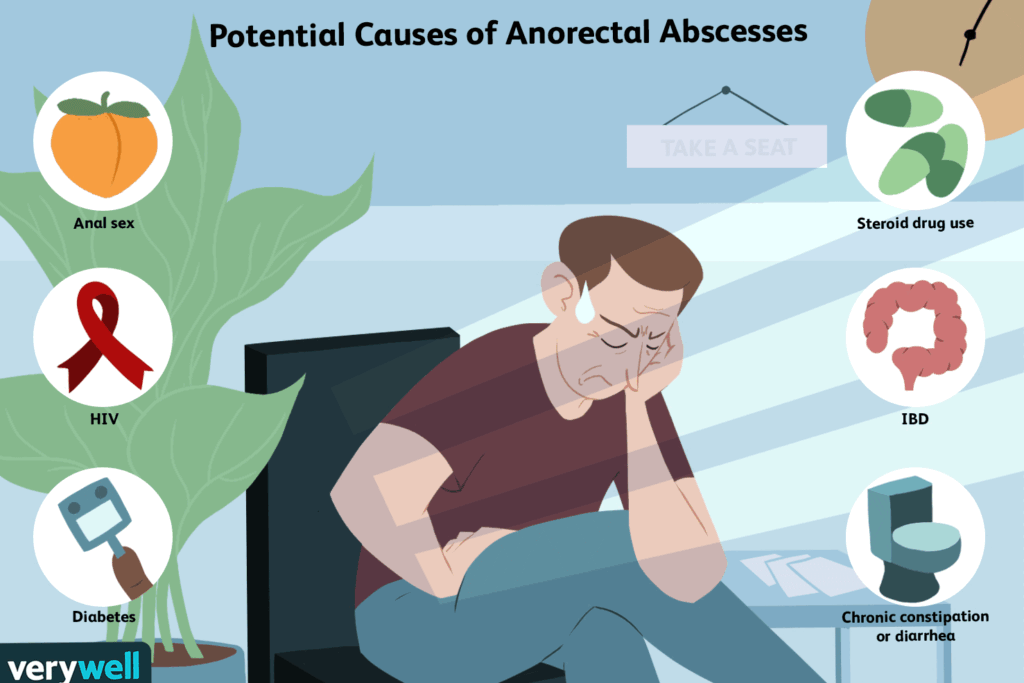
In your pursuit of optimal health, it’s essential to keep every part of your body in mind, including those that are less commonly discussed. Today, we uncover the facts and offer you valuable advice on how to prevent anal abscess and anal bleeding. These uncomfortable conditions can be distressing, but fear not, for with a few simple techniques and lifestyle adjustments, you can maintain a healthy and pain-free anal region. Let us guide you through the best practices and habits to safeguard your well-being.
Causes of Anal Abscess and Anal Bleeding
Infection of anal glands
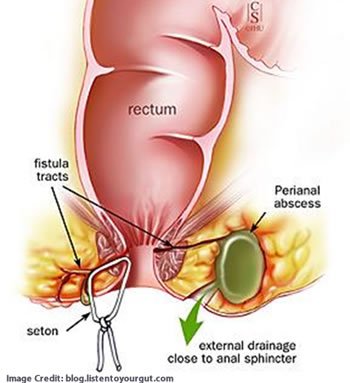
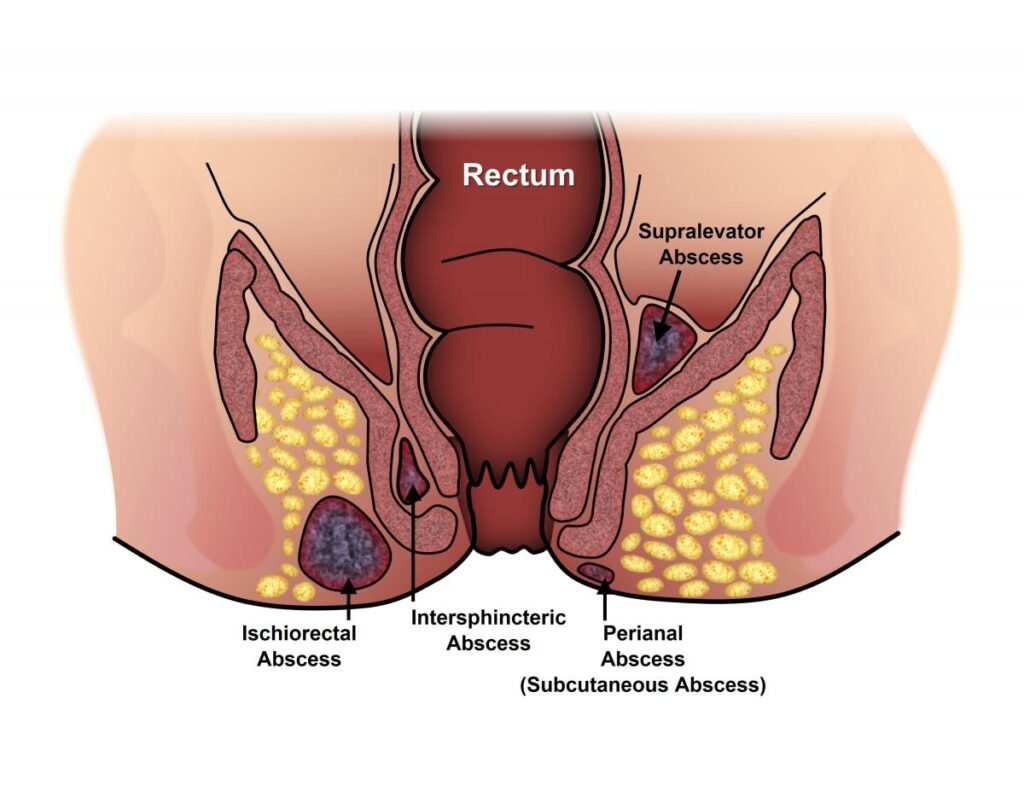
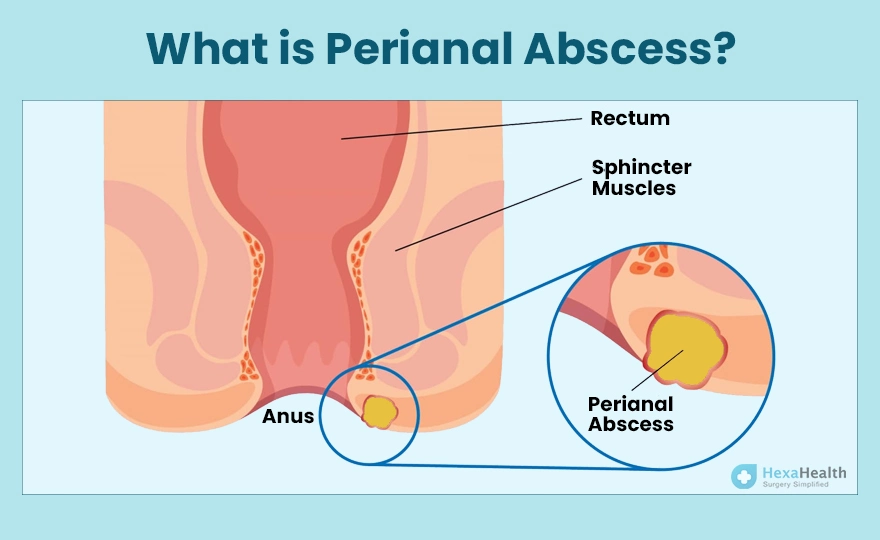
An anal abscess occurs when the anal glands, which are small glands located inside the anus, become infected. These glands are responsible for producing mucus, which helps to keep the anus moist and lubricated. When these glands become blocked, bacteria can grow and cause an infection, leading to the formation of an abscess. Common symptoms of an anal gland infection include pain, swelling, and redness around the anus.
Fecal impaction
Fecal impaction occurs when a hard mass of stool becomes stuck in the rectum. This can cause irritation and inflammation, leading to anal bleeding. Fecal impaction is often caused by chronic constipation, inadequate fiber intake, or a lack of physical activity. It is important to address this issue promptly to prevent further complications.
Anal fissures
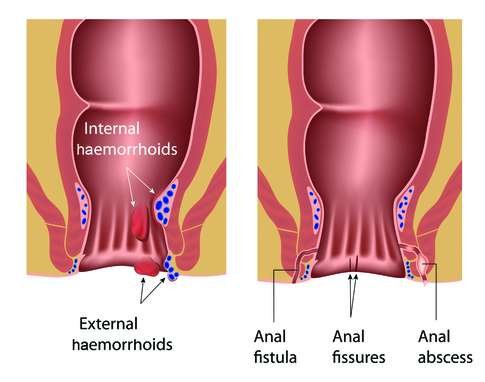
Anal fissures are small tears or cracks in the lining of the anus. They can be caused by a variety of factors, including chronic constipation, diarrhea, or excessive straining during bowel movements. Anal fissures can be quite painful and may lead to bleeding during or after bowel movements.
Hemorrhoids
Hemorrhoids are swollen blood vessels in the rectal area. They can be internal or external and may cause bleeding, pain, or discomfort. Hemorrhoids can be caused by various factors, such as chronic constipation, prolonged sitting or standing, pregnancy, and straining during bowel movements.
Maintaining Good Anal Hygiene
Regular gentle cleaning
Keeping the anal area clean is crucial for preventing infections and reducing the risk of anal abscesses and bleeding. It is recommended to clean the area with warm water and a mild, unscented soap. However, it is important to avoid excessive scrubbing or using harsh soaps, as this can irritate the delicate skin in the anal area.
Avoid using harsh soaps and washcloths
Harsh soaps and rough washcloths can strip the natural oils from the skin and cause irritation. It is best to choose a mild, fragrance-free soap and use a soft washcloth or your hand to clean the area gently. Avoid using scented wipes or products that may contain irritating ingredients.
Pat dry instead of wiping
After cleaning the anal area, it is important to pat the area dry with a soft towel instead of wiping vigorously. This helps to prevent further irritation and allows the skin to heal properly. Avoid using rough or scratchy towels that may cause friction and damage to the skin.
Use moistened wipes
In addition to regular cleaning, using moistened wipes can help to keep the anal area clean and reduce the risk of infections. However, it is important to choose wipes that are specifically designed for the anal area and do not contain any harsh or irritating ingredients. Avoid using baby wipes or scented wipes, as these may cause irritation.
Preventing Constipation and Diarrhea
Eat a high-fiber diet
A diet rich in fiber can help to promote regular bowel movements and prevent constipation. Include plenty of fruits, vegetables, whole grains, and legumes in your diet. These fiber-rich foods add bulk to the stool and make it easier to pass. It is important to increase fiber intake gradually to avoid bloating or gas.
Stay hydrated
Drinking an adequate amount of water throughout the day helps to soften the stool and prevent dehydration, which can contribute to constipation. Aim to drink at least eight glasses of water daily, and increase your fluid intake if you are physically active or in hot weather.
Avoid excessive caffeine and alcohol
Both caffeine and alcohol can contribute to dehydration and may worsen constipation. Limit your intake of caffeinated beverages, such as coffee and tea, as well as alcoholic beverages. If you do consume these drinks, make sure to drink additional water to maintain hydration.
Manage stress levels
Stress can have a significant impact on bowel function. Practice stress management techniques, such as deep breathing exercises, meditation, or engaging in relaxing activities to reduce stress levels. Additionally, regular exercise can also help to relieve stress and promote healthy bowel movements.
Avoiding Trauma to the Anal Area
Practice safe anal sex
Engaging in safe anal sex practices is crucial to prevent trauma and reduce the risk of anal abscesses or bleeding. Always use plenty of water-based lubricant to minimize friction and ensure comfort. It is also important to use condoms to prevent the transmission of sexually transmitted infections.
Avoid using excessive force during bowel movements
Straining excessively during bowel movements can put undue pressure on the anal area and increase the risk of anal fissures and hemorrhoids. To prevent this, ensure you are sitting in a relaxed position and do not force bowel movements. If you are having difficulty passing stool, try using natural remedies such as increasing fiber intake or using stool softeners under medical supervision.
Use proper lubrication
Proper lubrication is essential for preventing friction and trauma in the anal area. If you are using suppositories or enemas for constipation relief, make sure to use adequate lubrication to minimize discomfort and trauma. Consult with a healthcare professional for guidance on the appropriate lubricants to use.
Avoid inserting foreign objects
Inserting foreign objects into the anus can cause significant damage and increase the risk of infection or trauma. It is essential to avoid any activities that may harm the delicate tissues and blood vessels in the anal area. If you have concerns or questions about anal play, consult with a healthcare professional for guidance.
Seeking Prompt Medical Attention for Anal Symptoms
Recognizing the signs and symptoms
It is important to be aware of the signs and symptoms that may indicate an underlying condition requiring medical attention. These symptoms may include persistent anal pain, bleeding, discharge, changes in bowel habits, or the presence of a painful lump or swelling around the anal area. If you experience any of these symptoms, it is important to seek prompt medical attention.
Early intervention with a healthcare professional
If you are experiencing anal abscesses, bleeding, or other persistent symptoms, it is crucial to consult with a healthcare professional. They can conduct a thorough evaluation, diagnose the underlying cause, and provide appropriate treatment. Early intervention can help to prevent complications and ensure timely management of the condition.
Diagnostic tests and examinations
To determine the cause of anal symptoms, a healthcare professional may perform various diagnostic tests and examinations. These may include physical examinations, blood tests, imaging studies, or colonoscopies. These tests are essential for identifying any underlying conditions that may be causing the symptoms.
Treatment options
Treatment for anal abscesses, bleeding, or other symptoms will depend on the underlying cause. It may include medications, lifestyle changes, or surgical interventions. A healthcare professional will develop an individualized treatment plan based on your specific needs and the severity of the condition.
Managing Underlying Health Conditions
Treating inflammatory bowel disease
If your anal symptoms are associated with inflammatory bowel disease, such as Crohn’s disease or ulcerative colitis, it is important to work closely with a healthcare professional to manage the condition. This may involve medication management, dietary modifications, and regular monitoring to minimize symptoms and prevent complications.
Controlling diabetes
Poorly controlled diabetes can increase the risk of infections and delay wound healing. If you have diabetes and are experiencing anal symptoms or complications, it is important to maintain good blood sugar control. Follow your healthcare professional’s guidance on medication management, diet, exercise, and regular monitoring.
Addressing liver and blood disorders
Certain liver and blood disorders can contribute to anal symptoms and bleeding. If you have a known liver or blood disorder, it is important to work closely with your healthcare professional to manage the condition and prevent complications. Regular monitoring and appropriate treatment are essential for maintaining optimal health.
Getting regular check-ups for cancer screenings
Regular check-ups and cancer screenings are vital for early detection and treatment of anal cancer. If you are at high risk for anal cancer or have a family history of the disease, discuss with your healthcare professional about the appropriate screening tests and recommendations. Early detection can significantly improve the prognosis.
Importance of Regular Exercise
Improving digestion and bowel movements
Regular exercise helps to stimulate the muscles in the digestive system, promoting efficient digestion and healthy bowel movements. Engaging in activities such as walking, jogging, swimming, or yoga can help to improve overall gut health and prevent constipation.
Enhancing blood circulation
Exercise improves blood circulation throughout the body, including the anal area. Adequate blood flow helps to promote healing, reduce inflammation, and prevent the formation of blood clots. Incorporating regular exercise into your routine can have positive effects on your overall anal health.
Reducing obesity and excessive weight
Maintaining a healthy weight is important for overall health, including anal health. Excessive weight and obesity can contribute to increased pressure on the anal area, leading to conditions such as hemorrhoids or anal fissures. Regular exercise, combined with a balanced diet, can help to achieve and maintain a healthy weight.
Promoting overall health and well-being
Exercise is not only beneficial for anal health but also for overall health and well-being. It helps to reduce stress levels, boost mood, increase energy levels, improve sleep quality, and strengthen the immune system. Incorporating regular physical activity into your routine can have a positive impact on your overall quality of life.
Stress Management Techniques
Identifying stress triggers
Identifying the factors that contribute to your stress levels is an important first step in managing stress. These triggers can vary from person to person and may include work-related stress, relationship difficulties, financial concerns, or health issues. By recognizing these triggers, you can develop effective strategies to reduce stress.
Incorporating relaxation exercises
Relaxation exercises, such as deep breathing, meditation, or yoga, can help to calm the mind and reduce stress levels. Carving out time each day for relaxation can have a significant impact on your overall well-being and help to prevent stress-related anal symptoms.
Seeking professional help if needed
If stress is overwhelming or affecting your daily life, it may be beneficial to seek professional help from a therapist or counselor. They can provide guidance, support, and teach coping strategies to manage stress effectively. Remember, seeking help is a sign of strength, and there is no shame in asking for assistance.
Engaging in hobbies and activities for stress relief
Engaging in hobbies or activities that you enjoy can be an excellent way to manage stress and promote relaxation. Whether it’s reading, painting, playing a musical instrument, or spending time in nature, finding activities that bring you joy and help you unwind can have a positive impact on your overall well-being.
Tips for a Healthy Diet
Balancing the intake of fruits and vegetables
Fruits and vegetables are rich in fiber, vitamins, minerals, and antioxidants, making them essential for a healthy diet. Aim to include a variety of colorful fruits and vegetables in your meals to ensure you are getting a wide range of nutrients. These foods also contribute to healthy digestion and bowel movements.
Including lean proteins in meals
Lean proteins, such as poultry, fish, tofu, and legumes, are important for muscle repair and growth. Including these proteins in your meals promotes a balanced diet and helps to maintain overall health. Avoid excessive consumption of fatty meats, as they can contribute to weight gain and digestive issues.
Limiting processed foods and sugary snacks
Processed foods and sugary snacks are often high in unhealthy fats, sugar, and calories, and lack essential nutrients. These foods can contribute to weight gain, inflammation, and digestive issues. Limit your intake of processed foods and opt for whole, unprocessed foods whenever possible.
Seeking professional dietary advice if necessary
If you have specific dietary concerns or medical conditions that require dietary modifications, it is advisable to seek professional advice from a registered dietitian or nutritionist. They can provide personalized guidance and create a dietary plan tailored to your needs and goals.
Hydration and Its Importance
Drinking sufficient water throughout the day
Staying adequately hydrated is essential for overall health, including anal health. Water helps to soften the stool and promote regular bowel movements. Aim to drink at least eight glasses of water per day, and increase your fluid intake if you are physically active or in hot weather.
Avoiding excessive caffeine and alcohol consumption
Caffeine and alcohol can contribute to dehydration and may exacerbate anal symptoms, such as constipation or hemorrhoids. While moderate consumption is generally acceptable, it is important to balance the intake of these beverages with an increased water intake to maintain hydration.
Incorporating hydrating foods in the diet
In addition to drinking water, incorporating hydrating foods into your diet is beneficial for maintaining adequate hydration. Foods such as watermelon, cucumbers, strawberries, and lettuce have high water content and can contribute to your overall hydration status.
Monitoring urine color as an indicator of hydration status
Monitoring the color of your urine can provide insight into your hydration status. Clear or light yellow urine is a good indication that you are adequately hydrated. Dark yellow or concentrated urine may indicate dehydration, and it is important to increase fluid intake in such cases.
In conclusion, preventing anal abscesses and anal bleeding requires a comprehensive approach that focuses on good anal hygiene, preventing constipation and diarrhea, avoiding trauma to the anal area, seeking prompt medical attention when necessary, managing underlying health conditions, regular exercise, stress management, maintaining a healthy diet, and staying properly hydrated. By following these guidelines and seeking appropriate medical advice, individuals can reduce their risk of anal abscesses, bleeding, and other related complications, ultimately promoting optimal anal health and overall well-being.