
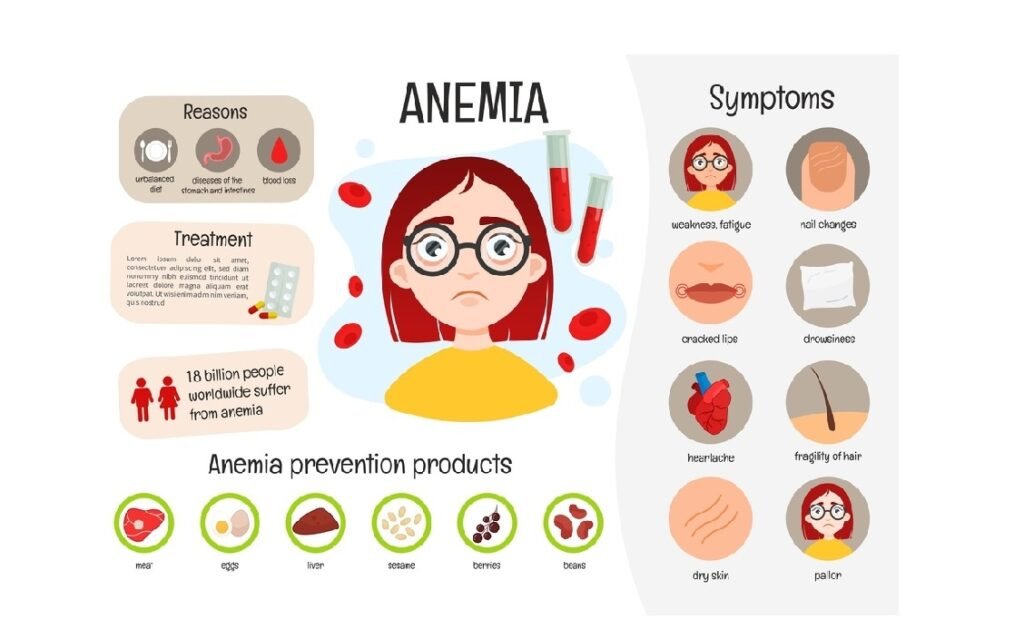
Anemia is a condition that occurs when you have a reduced amount of red blood cells or hemoglobin in your body. It can leave you feeling weak, tired, and lacking in energy. But fear not, because there are steps you can take to prevent anemia and keep yourself feeling vibrant and healthy. From incorporating iron-rich foods into your diet to ensuring proper vitamin absorption, this article will provide you with simple and effective strategies to combat anemia and maintain optimal blood health. So, let’s explore the world of anemia prevention and unlock the secret to a vitalized life!

Eat a Nutrient-Rich Diet
To prevent anemia, it is essential to consume a nutrient-rich diet that includes foods high in iron, vitamin C, vitamin B12, and folate. These nutrients play a crucial role in maintaining healthy red blood cell production and preventing iron deficiency anemia.
Include Iron-Rich Foods
Iron is an essential mineral that is necessary for the production of hemoglobin, a protein that transports oxygen throughout the body. Including iron-rich foods in your diet can help prevent iron deficiency anemia. Good sources of iron include lean meats, poultry, fish, beans, lentils, tofu, spinach, and fortified cereals.
Consume Foods High in Vitamin C
Vitamin C enhances iron absorption and helps convert iron in plant-based foods to a form that is easier for the body to absorb. Including foods high in vitamin C, such as citrus fruits, strawberries, bell peppers, kiwi, and tomatoes, can help improve iron absorption and prevent anemia.
Incorporate Vitamin B12 Sources
Vitamin B12 is crucial for the production of healthy red blood cells. It is primarily found in animal-based foods such as meat, fish, dairy products, and eggs. Vegetarians and vegans should include fortified foods or consider taking a B12 supplement to ensure they are meeting their vitamin B12 needs and preventing anemia.
Include Folate-Rich Foods
Folate, also known as vitamin B9, is necessary for the production of red blood cells. Including foods rich in folate, such as leafy green vegetables, beans, lentils, citrus fruits, fortified cereals, and whole grains, can help prevent folate deficiency anemia.
Avoid Iron Blockers
Certain substances can interfere with iron absorption in the body, making it important to limit their intake to prevent anemia.
Limit Calcium-Rich Foods
Calcium can inhibit the absorption of iron when consumed at the same time. While calcium is essential for bone health, it is advisable to limit the consumption of calcium-rich foods, such as dairy products, during meals containing iron-rich foods. Instead, try to consume calcium-rich foods separately, at least two hours before or after iron-rich meals.
Reduce Phytate Intake
Phytates are compounds found in certain plant-based foods, such as whole grains, legumes, nuts, and seeds. These compounds can bind to iron, making it less available for absorption by the body. Soaking, fermenting, or sprouting these foods can help reduce phytate levels and enhance iron absorption.
Avoid Tannins
Tannins are naturally occurring compounds found in tea, coffee, and some fruits, such as grapes and pomegranates. These compounds can also hinder iron absorption. While moderate consumption of tea and coffee is generally acceptable, it is advisable to avoid consuming them with iron-rich meals to maximize iron absorption.
Avoid Excessive Tea or Coffee Consumption
Excessive tea or coffee consumption can interfere with iron absorption and lead to anemia over time. It is recommended to limit tea or coffee intake to no more than 2-3 cups per day and avoid consuming them with meals containing iron-rich foods.
Promote Iron Absorption
Apart from avoiding iron blockers, certain dietary practices can promote iron absorption and help prevent anemia.
Consume Citrus Fruits
Citrus fruits, such as oranges, lemons, and grapefruits, are rich in vitamin C, which can enhance the absorption of iron from plant-based foods. Adding citrus fruits to meals or consuming them as snacks can help maximize iron absorption and prevent iron deficiency anemia.
Try Fermented Foods
Fermented foods, such as yogurt, sauerkraut, and kimchi, contain beneficial bacteria that promote gut health. These bacteria can enhance iron absorption by improving the gut’s ability to absorb nutrients. Including fermented foods in your diet can be a delicious way to support iron absorption and prevent anemia.
Cook in Cast Iron Cookware
Cooking acidic foods, such as tomato-based dishes, in cast iron cookware can transfer small amounts of dietary iron into the food. This can be a simple and effective way to add iron to your diet and prevent iron deficiency anemia.
Manage Menstrual Bleeding
For women, managing heavy menstrual bleeding is crucial in preventing iron deficiency anemia. Here are some strategies to consider:
Use Menstrual Cups or Tampons
Using menstrual cups or tampons can help manage heavy menstrual flow and prevent excessive blood loss. These methods are safe and effective alternatives to traditional pads, allowing you to go about your daily activities without the worry of heavy bleeding.
Consider Birth Control Options
Some contraceptive methods, such as hormonal birth control pills or intrauterine devices (IUDs), can help regulate and reduce menstrual bleeding. These options can be discussed with your healthcare provider to find the most suitable solution for managing heavy periods and preventing anemia.
Treat Underlying Health Conditions
Certain health conditions can lead to an increased risk of anemia. Managing these conditions and addressing any underlying deficiencies is crucial for preventing anemia.
Address Vitamin Deficiencies
Deficiencies in vitamins such as vitamin B12, vitamin C, and folate can contribute to anemia. If you have a known deficiency or are at risk, it is important to address these deficiencies through appropriate supplementation and dietary modifications to ensure optimal red blood cell production.
Manage Chronic Inflammation
Chronic inflammation, often caused by conditions like rheumatoid arthritis or inflammatory bowel disease, can interfere with red blood cell production and lead to anemia. It is important to work with your healthcare provider to manage and minimize inflammation to prevent anemia.
Treat Gastrointestinal Disorders
Gastrointestinal disorders, such as celiac disease or inflammatory bowel disease, can interfere with nutrient absorption and lead to anemia. Treating and managing these conditions is vital for preventing anemia and ensuring proper nutrient uptake.
Exercise Regularly
Regular exercise plays a significant role in maintaining overall health and preventing anemia. Here are a few exercise recommendations to consider:
Engage in Aerobic Activities
Aerobic exercises, such as brisk walking, cycling, swimming, or jogging, can help improve cardiovascular health and stimulate blood flow. Regular aerobic activity can increase oxygen delivery to the tissues, including the bone marrow responsible for red blood cell production.
Incorporate Strength Training
Strength training exercises, such as weightlifting or bodyweight exercises, can help build muscle mass and improve overall strength. These exercises can also increase bone density and support healthy red blood cell production.

Avoid Excessive Alcohol Intake
Excessive alcohol consumption can have detrimental effects on the body, including causing anemia. To prevent anemia, it is important to limit or moderate alcohol consumption. If you choose to drink alcohol, it is recommended to do so in moderation and ensure you are meeting your nutrient needs through a balanced diet.
Limit or Moderate Alcohol Consumption
For men, moderate alcohol consumption is defined as up to two standard drinks per day, while for women, it is up to one standard drink per day. It is essential to be aware of the recommended limits and avoid excessive alcohol intake to maintain optimal health and prevent anemia.
Don’t Smoke or Quit Smoking
Smoking tobacco can increase the risk of anemia and worsen existing cases. If you are a smoker, quitting smoking is crucial for preventing anemia and improving overall health.
Seek Support for Smoking Cessation
Quitting smoking can be challenging, but there is support available to help you quit successfully. Consider reaching out to healthcare professionals or support groups for guidance and strategies to quit smoking and prevent anemia.

Get Regular Health Check-Ups
Regular health check-ups are essential for monitoring your overall health and preventing anemia. Here are some specific aspects to focus on during check-ups:
Monitor Iron Levels
Regular monitoring of iron levels, including measures like serum ferritin (a marker of iron stores), hemoglobin levels, and other relevant blood tests, can help detect and address iron deficiency or anemia promptly. Discuss with your healthcare provider to determine the appropriate frequency for iron level monitoring.
Check for Vitamin Deficiencies
Vitamin deficiencies, particularly vitamin B12, vitamin C, and folate deficiencies, can contribute to anemia. Regular blood tests to assess these vitamin levels can help identify deficiencies early on and allow for timely intervention to prevent anemia.
In conclusion, preventing anemia involves adopting a nutrient-rich diet, avoiding iron blockers, promoting iron absorption, managing menstrual bleeding, addressing underlying health conditions, exercising regularly, avoiding excessive alcohol intake and smoking, and keeping up with regular health check-ups. By implementing these strategies, you can maintain healthy red blood cell production, optimize iron levels, and prevent anemia. Remember to consult with your healthcare provider for personalized advice and recommendations based on your specific needs and circumstances.